

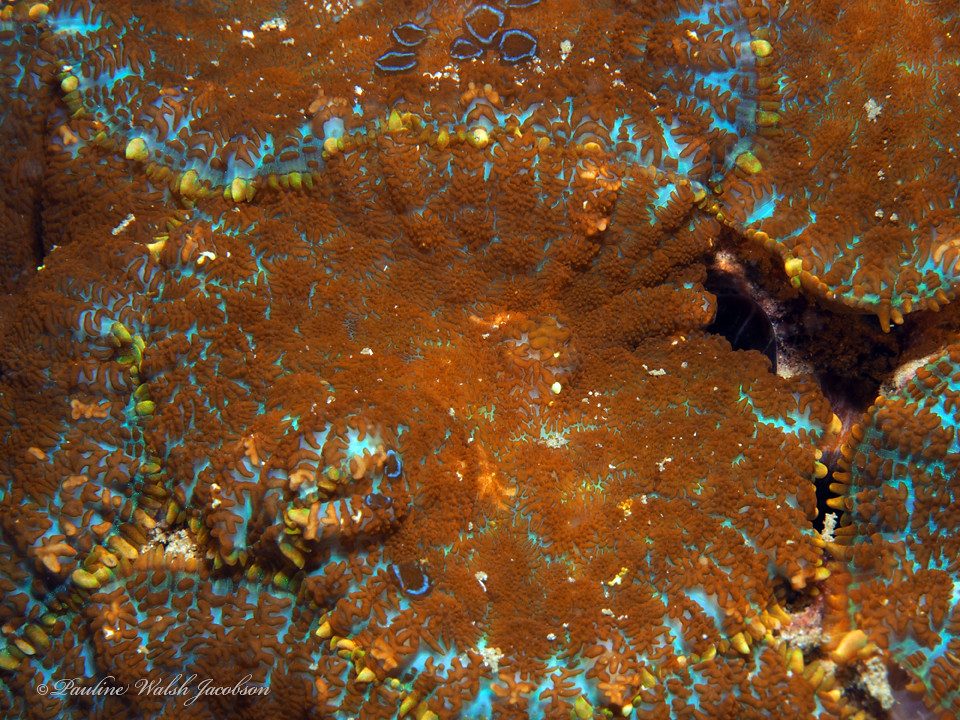
Rhodactis mushrooms are hardy, colorful corallimorphs that suit many reef tanks. They prefer stable water, moderate nutrients, and gentle to moderate flow. Most varieties adapt well to lower or moderate light. They can grow quickly, spread across rockwork, and become a striking focal point when given space.
If you want an easy soft coral with a bold look, Rhodactis mushrooms are a strong choice. They come in many colors and textures. Some have smooth discs. Others have bubbles, folds, or hairy surfaces. In this guide, you will learn how to keep Rhodactis healthy, where to place them, what to feed them, and how to avoid common mistakes. You will also learn how they differ from other mushroom corals and how to manage their growth in a mixed reef.
Quick Reference Table
| Common name | Rhodactis mushroom |
| Type | Corallimorph |
| Care level | Easy to moderate |
| Temperament | Peaceful but can crowd neighbors |
| Lighting | Low to moderate |
| Flow | Low to moderate |
| Placement | Lower to middle rockwork |
| Feeding | Optional, benefits from meaty foods |
| Growth rate | Moderate to fast |
| Best for | Beginner and mixed reef tanks |
This table gives the short version. The details matter more. Placement, nutrient levels, and nearby corals often decide long term success with Rhodactis.
What Are Rhodactis Mushrooms?
Rhodactis are corallimorphs, not true stony corals. They lack a hard skeleton. They belong to the same broad group as mushroom corals, but they often look thicker and more textured than common Discosoma. Many hobbyists love them for their rich color and unusual shape. Some specimens show metallic greens, reds, oranges, blues, or mixed rainbow patterns.
These corals are often sold as hairy mushrooms, elephant ear mushrooms, or simply Rhodactis. Names in the trade can be inconsistent. Care is usually similar across common varieties. They are forgiving compared with many SPS corals. Still, they need stable conditions. Sudden changes in light, salinity, or alkalinity can stress them. A healthy Rhodactis should stay inflated, attached firmly, and open during the day. Mild shrinking at times is normal. Constant deflation is not.
Natural Habitat
Rhodactis mushrooms occur in tropical Indo-Pacific reef environments. They are often found in sheltered reef zones, lagoon areas, and lower light sections of the reef. In nature, they attach to rock and rubble where they can expand their fleshy discs and capture suspended food. They are not usually exposed to the strongest surge found on reef crests.
This natural setting explains their aquarium preferences. They do best with indirect flow and moderate light. They also tolerate nutrient levels that would upset more demanding corals. In the wild, they benefit from dissolved nutrients, plankton, and organic matter in the water. That is why ultra-clean systems can sometimes cause poor expansion or faded color. Knowing their habitat helps you avoid treating them like SPS corals. They need gentler conditions and more forgiving nutrient levels.
Aquarium Setup
Rhodactis mushrooms work well in nano reefs and larger systems. Tank size matters less than stability. A mature aquarium is best. New tanks can swing too much in salinity, alkalinity, and nutrients. Those swings often lead to shrinking, detachment, or poor color. Aim for stable salinity around 1.025, temperature from 76 to 79°F, and a consistent alkalinity level.
Place Rhodactis on isolated rock islands if possible. They can spread over time. Giving them their own section makes control easier. Leave room between them and sensitive corals. Their tissue can irritate nearby neighbors through contact and shading. Moderate nitrate and phosphate are usually helpful. Many hobbyists see good results with nitrate in the low to moderate range and phosphate that is present, not stripped to zero. If you are still dialing in your reef, read reef tank parameters and how to cycle a saltwater tank for a solid foundation.
Lighting Requirements
Rhodactis mushrooms usually prefer low to moderate light. Strong light can bleach them. It can also make them stay small and tightly closed. Most do well on the sand bed or lower rockwork under reef LEDs. If your tank uses intense lighting, start them in a shaded area. Then move them slowly if needed.
Signs of too much light include fading color, excessive shrinking, and a failure to fully open. Signs of too little light include stretching upward and dull appearance. Acclimation is important. Use lower intensity at first. Increase slowly over one to two weeks. Many Rhodactis display their best texture and color under blue-heavy reef lighting, but health matters more than fluorescence. Avoid sudden jumps in PAR. These mushrooms adapt, but they dislike abrupt changes. If you recently upgraded lights, watch them closely for stress during the first several days.
Water Flow
Gentle to moderate flow is ideal. Rhodactis need enough movement to keep debris from settling on their surface. They do not like direct, blasting flow. Strong flow can keep them retracted. It can also cause them to detach and drift around the tank. That creates obvious risks near pumps and overflows.
Aim for indirect flow that causes light movement around the disc without folding it over. If detritus collects on the mushroom, slightly increase nearby flow. If the coral stays tightly puckered, reduce it. Flow and lighting work together. A mushroom in low light may tolerate slightly more flow. Under brighter light, many specimens prefer calmer water. Watch the coral’s behavior more than any fixed rule. Its expansion tells you a lot. A happy Rhodactis looks broad, inflated, and firmly attached to its rock.
Feeding
Rhodactis get much of their energy from symbiotic algae, but feeding can improve growth and color. They can capture small meaty foods from the water. Offer finely chopped mysis, brine shrimp, reef roids, or similar coral foods in small amounts. Target feeding is optional, not required.
Feed once or twice each week at most. Overfeeding can foul the water and cause nutrient spikes. Turn off strong pumps during feeding. Place a small amount of food on the oral disc. If the mushroom accepts it, it will slowly fold inward. If it drops food repeatedly, the piece is too large or the coral is stressed. In tanks with regular fish feeding, many Rhodactis thrive without direct feeding. They simply catch leftovers and dissolved organics. If you keep a nutrient-poor system, occasional feeding often helps them maintain fuller size and stronger color.
Compatibility
Rhodactis mushrooms are generally reef safe with fish and most invertebrates. They do not hunt fish or shrimp. The real issue is space. They can overgrow nearby corals and shade slower-growing species. Keep them away from prized acans, zoanthids, chalices, and small SPS frags. In mixed reefs, isolation is the safest plan.
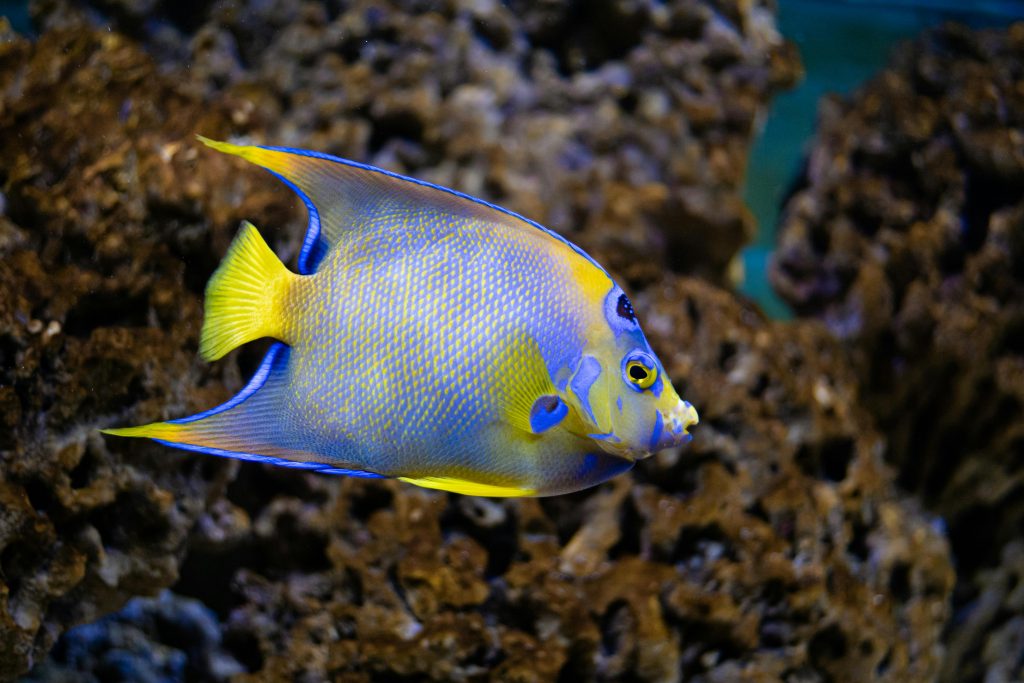
Most reef fish ignore them. Some large angelfish or curious butterflyfish may nip at fleshy corals, but that is a broader fish issue. Cleaner shrimp and snails are usually fine around them. Crabs can be unpredictable if they climb over the disc often. If you are planning livestock, see reef safe fish guide and clean up crew for reef tank. Also remember that large elephant ear types may trap very small fish if the fish is weak or sleeping too close. That is uncommon, but it is worth noting in nano tanks.
Step-by-Step Placement Guide
Use this simple process when adding a new Rhodactis mushroom.
- Inspect the coral for damage, pests, and loose tissue.
- Dip only if the product is known to be safe for corallimorphs.
- Match salinity and temperature carefully before transfer.
- Start the mushroom in low light and low to moderate flow.
- Place it on rubble or a stable rock with a shallow cup shape.
- Keep it away from aggressive neighbors and powerheads.
- Wait several days before moving it again.
- Watch for full inflation, firm attachment, and normal opening.
If the mushroom is loose, use a low-flow container with rubble until it attaches. Many hobbyists use a small breeder box or cup with mesh cover. Once attached, move the rubble to the display rockwork.
Propagation and Fragging
Natural Reproduction
Rhodactis often reproduce by splitting or leaving small bits of tissue behind as they move. Those bits can grow into new mushrooms. This is one reason they spread so well in established tanks. Good feeding and stable conditions often speed this process.
Manual Fragging
Fragging is possible, but it should be done carefully. Use a clean blade. Cut the mushroom into halves or quarters through the mouth. Then place the pieces in a low-flow container with rubble or mesh so they cannot blow away. Good water quality is important during healing. Most pieces recover within days to weeks. Wear gloves and eye protection. Corals can release irritating mucus when cut.
Attaching New Frags
Do not glue the soft tissue directly. It rarely works well. Let the fragment attach naturally to rubble first. Then glue the rubble where you want it. This method is less stressful and far more reliable.
Common Problems
Why is my Rhodactis shrinking?
Shrinking usually points to stress. Check salinity first. Then check alkalinity, temperature, and recent lighting changes. Strong direct flow can also cause chronic contraction. If nutrients are near zero, the coral may stay small and dull. Restore stability before making more changes.
Why is it detached and floating?
Detachment often happens after shipping, rough handling, or excessive flow. It can also happen when the coral dislikes its placement. Move it to a calmer area. Use a rubble cup or mesh container until it reattaches. Keep it away from pumps at all times.
Why is my mushroom bleaching?
Bleaching usually means too much light or rapid light increase. Reduce intensity. Move the coral lower in the tank. Keep other parameters stable. Do not overreact with many changes at once. Recovery can take time, especially for brightly colored strains.
Why won’t it open fully?
Look for pests, sediment buildup, poor acclimation, or unstable chemistry. Inspect for vermetid snails nearby. Their mucus nets can irritate soft corals. Also check for fish or shrimp picking at the disc during feeding time. Small irritations can keep a mushroom partly closed for days.
Frequently Asked Questions
Are Rhodactis mushrooms good for beginners?
Yes. They are among the easier reef corals to keep. Stable water and smart placement are the main keys.
Do Rhodactis need feeding?
No, not always. They can live without direct feeding in many tanks. Light feeding can improve growth and fullness.
Can Rhodactis live in a nano reef?
Yes, if the tank is stable. Watch their spread closely. Small tanks fill up fast.
How fast do Rhodactis mushrooms grow?
Growth varies by strain and conditions. Many grow at a moderate to fast pace in nutrient-balanced systems.
Can they touch other corals?
It is best to avoid contact. Rhodactis can irritate and overtake neighboring corals over time.
Final Tips for Success
Rhodactis mushrooms reward patience more than constant adjustment. Keep your reef stable. Start with lower light. Use gentle flow. Feed lightly if needed. Give them room to grow. Most problems come from sudden changes or poor placement. Once settled, these mushrooms are durable, attractive, and very satisfying to keep. They are an excellent choice for hobbyists who want movement, texture, and color without the demands of stony corals.
Was this helpful?
Related Posts
Best Filtration Systems
Best Filtration Systems for a Healthy Saltwater Aquarium Choosing the best filtration system for your saltwater aquarium is…
 By
By
Clown Triggerfish (Balistoides Conspicillum)
Clown triggerfish are stunning but aggressive marine fish that need very large tanks, strong filtration, and careful tankmate…
[favorite_button]
My Bookmarks:
To see full list click here
[user_favorites user_id="" include_links="true" site_id="" post_types="" include_thumbnails="true" thumbnail_size="thumbnail" include_excerpt="false"]