

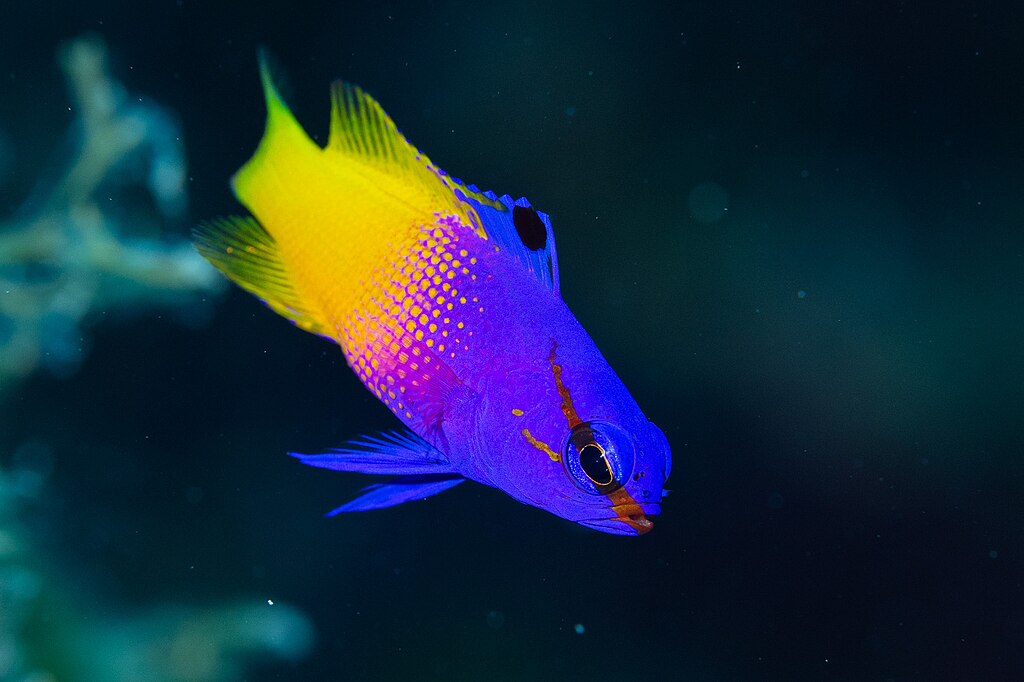
The Royal Gramma Basslet is one of the best reef fish for beginners. It stays small, shows bright color, and usually behaves well in community tanks. With stable water, plenty of rockwork, and a varied diet, Gramma loreto adapts well and becomes a bold, useful, and beautiful reef resident.
This fish is popular for good reason. The front half glows purple. The back half shines yellow. It also has a manageable adult size and a calm nature compared with many other basslets. Still, success depends on more than color and size. Royal Grammas need secure caves, peaceful tank mates, and consistent feeding. In this guide, you will learn how to identify healthy specimens, set up the right habitat, manage feeding, avoid common mistakes, and understand compatibility in mixed reef aquariums. If you want a hardy, reef-safe fish with strong personality, the Royal Gramma deserves a close look.
Royal Gramma Care Quick Reference
| Scientific name | Gramma loreto |
| Common name | Royal Gramma Basslet |
| Adult size | About 3 inches |
| Minimum tank size | 30 gallons |
| Temperament | Peaceful to semi-aggressive |
| Reef safe | Yes |
| Diet | Carnivore; frozen, pellets, meaty foods |
| Lighting needs | No special requirement |
| Water flow | Moderate, with calm hiding zones |
| Temperature | 76–78°F |
| Salinity | 1.025–1.026 specific gravity |
| pH | 8.1–8.4 |
| Best placement | Rock caves and ledges |
| Difficulty | Easy |
This quick chart covers the basics. It helps when planning a stocking list or checking compatibility before purchase. While the species is hardy, the best results come from stable reef conditions and a calm social environment.
Natural Habitat
The Royal Gramma comes from the tropical western Atlantic. It occurs in the Caribbean, the Bahamas, Bermuda, and nearby reef systems. In nature, it lives among rocky reef faces, deep crevices, and shaded overhangs. These fish often hover upside down under ledges. That behavior surprises new keepers, but it is completely normal.
Wild Royal Grammas stay close to structure. They use caves for safety and retreat quickly when threatened. They also feed on small zooplankton and meaty particles drifting in the water column. This natural behavior explains several care needs in captivity. They want shelter first. Open water is secondary. They also do best with regular, protein-rich meals and a tank layout that includes dark hiding spots.
Understanding the habitat helps you reduce stress. A fish that feels secure will show brighter color, feed more confidently, and spend more time in the open. That is often the difference between a shy Royal Gramma and a thriving one.
Aquarium Setup
A 30-gallon tank is the practical minimum for one Royal Gramma. Larger tanks make compatibility easier. They also provide more rockwork and more stable water chemistry. If you plan a mixed reef, a 40-gallon breeder or larger is an excellent starting point.
Build the aquascape with caves, arches, and narrow crevices. The fish should have at least two or three secure retreat points. Place some shelters in shaded areas. Royal Grammas often claim one cave as a home base. Once settled, they hover near that spot and dart out for food. Leave open swimming space in front of the rockwork. That gives the fish a visible territory without making it feel exposed.
Use a tight lid or screen top. This species can jump when startled. Keep ammonia and nitrite at zero. Nitrate should stay low, though the fish is not especially delicate. Stable salinity matters more than chasing tiny numbers. Strong filtration, regular water changes, and mature live rock all help. If the tank is new, allow it to stabilize before adding this fish.
Lighting Requirements
Royal Grammas do not need specialized lighting. They adapt well to standard reef lighting used for corals. The key issue is not intensity alone. It is access to shaded zones. In brightly lit tanks with little cover, they may hide more often. In balanced aquascapes, they become bolder.
If you run strong LED lighting for SPS or high-light corals, create overhangs and caves below the main light spread. This lets the fish choose comfort without forcing you to change the coral plan. Their colors usually look best under balanced blue and white reef lighting. Excessively harsh white light can make them appear washed out from a viewing angle, even when healthy.
Watch behavior after introduction. If the fish only emerges at feeding time, evaluate shelter and lighting together. The issue is often exposure, not disease. A secure fish will hover near rock openings during the day and display its full purple and yellow contrast more often.
Water Flow
Moderate flow works best for Royal Grammas. They do not need the intense, turbulent flow preferred by some SPS systems, though they can live in those tanks if calmer pockets exist. Their natural style is to hover near rockwork and make short dashes into the current for food.
Direct, constant blast from a powerhead can stress them. It can also limit where they choose to perch. Aim for varied flow. Keep stronger movement in open areas. Leave gentler flow around caves and ledges. This pattern supports both fish comfort and reef health.
Observe respiration and posture. A healthy Royal Gramma usually holds position with ease. If it struggles to stay near its chosen cave, the local flow may be too strong. If detritus settles heavily around its shelter, flow may be too weak. Small adjustments often make a big difference.
Feeding
Royal Grammas are easy to feed once settled. They are carnivorous planktivores and accept many prepared foods. Offer frozen mysis, finely chopped seafood, enriched brine shrimp, and quality marine pellets. Small foods work best. Their mouths are not large.
Feed one to two times daily. In busy community tanks, target feeding may help at first. Shy new arrivals can lose out to clownfish, wrasses, or damsels. Use a turkey baster or feeding tube near the fish’s cave if needed. Once comfortable, many Royal Grammas become eager feeders and rush out quickly.
Variety matters. A mixed diet supports color, immune function, and body weight. Avoid relying only on flakes if the fish seems thin. A healthy specimen should have a full body, not a pinched belly. Soak foods in vitamins occasionally. This is especially helpful after shipping stress or quarantine. For more nutrition tips, see reef fish feeding guide and best frozen foods for saltwater fish.
Compatibility
Royal Grammas are generally reef safe. They do not bother corals, shrimp, snails, or other common clean-up crew members. This makes them an excellent choice for mixed reefs and beginner reef tanks. Their main compatibility issue is territorial behavior toward similar-shaped fish.
Do not mix them casually with other basslets in small tanks. They may also quarrel with dottybacks, assessors, or fish that compete for the same caves. In larger aquariums with complex rockwork, some combinations can work. In smaller tanks, conflict is much more likely. They usually coexist well with clownfish, gobies, blennies, cardinalfish, firefish, and many peaceful wrasses.
Avoid housing them with aggressive predators or highly territorial fish that claim the whole rock structure. Introduce the Royal Gramma before more dominant cave dwellers when possible. If you are planning a peaceful reef community, also review best reef-safe fish for beginners and reef tank stocking guide.
Step-by-Step Acclimation Guide
1. Prepare the tank first.
Make sure salinity and temperature are stable. Confirm there is a secure cave ready.
2. Dim the lights.
Lowering light reduces stress during introduction. This also helps prevent panic swimming.
3. Float for temperature.
Float the bag for about 15 to 20 minutes. Match temperature before release.
4. Drip acclimate if needed.
If salinity differs, use slow drip acclimation. Keep the process gentle and controlled.
5. Avoid adding store water.
Net the fish or transfer it carefully. Do not pour bag water into the display tank.
6. Offer hiding time.
Do not expect instant activity. Many Royal Grammas hide for a day or two.
7. Feed lightly at first.
Try small frozen foods after the fish settles. Remove uneaten food to protect water quality.
8. Watch tank mates closely.
Check for chasing near caves. Rearrange rockwork if another fish claims the same area.
Propagation and Breeding
Royal Grammas have been bred in captivity, though not often by casual hobbyists. They are cave spawners. The male usually prepares a nest site among rockwork or plant-like material. After spawning, the eggs are guarded until hatching. Larval rearing is the difficult part. It requires specialized food, clean culture systems, and careful timing.
Can hobbyists breed them at home?
Yes, but it is an advanced project. A peaceful bonded pair, excellent feeding, and separate breeding support improve the odds. Most reef keepers buy captive-bred or wild-collected specimens instead of attempting home production.
Is captive-bred better?
Captive-bred fish often adapt well to prepared foods and aquarium life. They can also reduce collection pressure on wild reefs. When available, they are worth considering.
Common Problems
Why is my Royal Gramma hiding all the time?
New fish often hide for several days. That is normal. Long-term hiding usually points to stress. Common causes include aggressive tank mates, too little rock cover, bright exposure, or unstable water conditions. Add more caves, review stocking order, and test salinity and ammonia first.
Why did its color fade?
Color loss often comes from stress, poor diet, or disease. Shipping stress can dull the purple and yellow temporarily. Improve nutrition with varied frozen foods and vitamins. Check for bullying. If breathing is heavy or spots appear, move to quarantine and assess for parasites.
Why is my Royal Gramma not eating?
New arrivals may refuse food briefly. Offer small frozen mysis or enriched brine near the cave. Reduce competition during feeding. If refusal lasts more than a few days, inspect for harassment, poor acclimation, or disease symptoms. Thin body shape means action is needed quickly.
Can Royal Grammas be aggressive?
Yes, especially around their chosen cave. They may gape their mouths or chase intruders. This behavior is usually manageable in community reefs. Problems increase with similar fish, cramped rockwork, or undersized tanks. Territory disputes often improve after aquascape changes.
Frequently Asked Questions
Is a Royal Gramma good for beginners?
Yes. It is one of the best beginner reef fish. It is hardy, reef safe, and easy to feed.
How big does a Royal Gramma get?
Most reach around 3 inches in captivity. They stay small enough for many nano and midsize reef tanks.
Can a Royal Gramma live in a 20-gallon tank?
It can in some setups, but 30 gallons is safer. Extra space reduces stress and improves compatibility.
Are Royal Grammas reef safe with shrimp?
Yes. They are usually safe with cleaner shrimp, peppermint shrimp, snails, and other common invertebrates.
Do Royal Grammas need to be kept alone?
One per tank is the easiest approach. Pairs or groups need careful planning and much more space.
Final Thoughts
The Royal Gramma Basslet combines color, personality, and practicality. It suits many reef tanks and rewards good husbandry with bold behavior and reliable feeding. Give it stable water, secure caves, and peaceful companions. In return, you get one of the most attractive and dependable small fish in the hobby. For long-term success, quarantine carefully, feed a varied diet, and never underestimate the value of rockwork. A comfortable Royal Gramma often becomes a centerpiece fish, even in a tank full of corals.
Was this helpful?
Related Posts
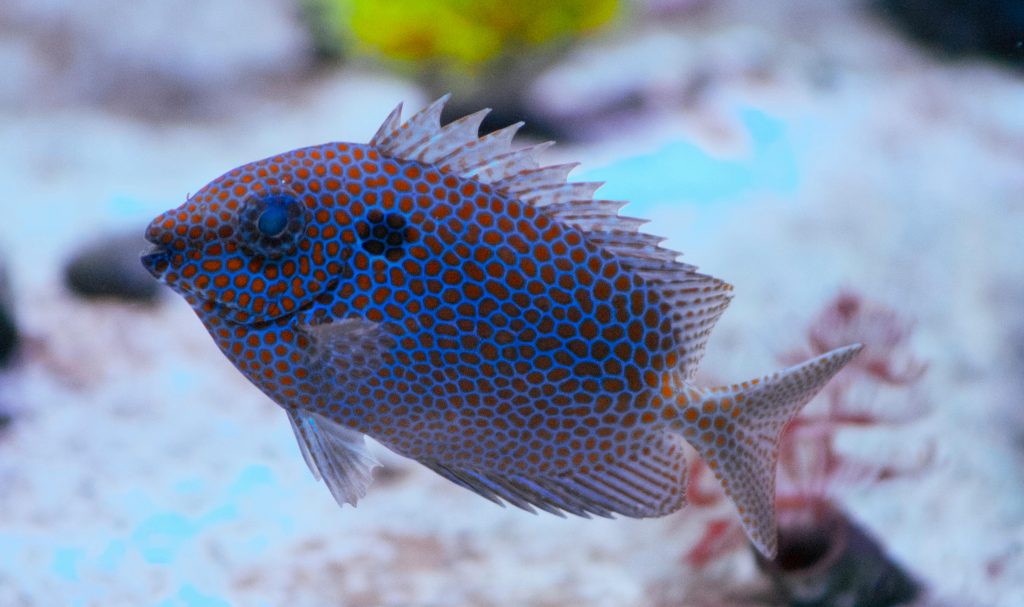
Gold Spotted Rabbitfish (Siganus Punctatus)
Gold Spotted Rabbitfish care includes large tanks, heavy algae feeding, and caution with corals. Learn tank size, diet,…
 By
By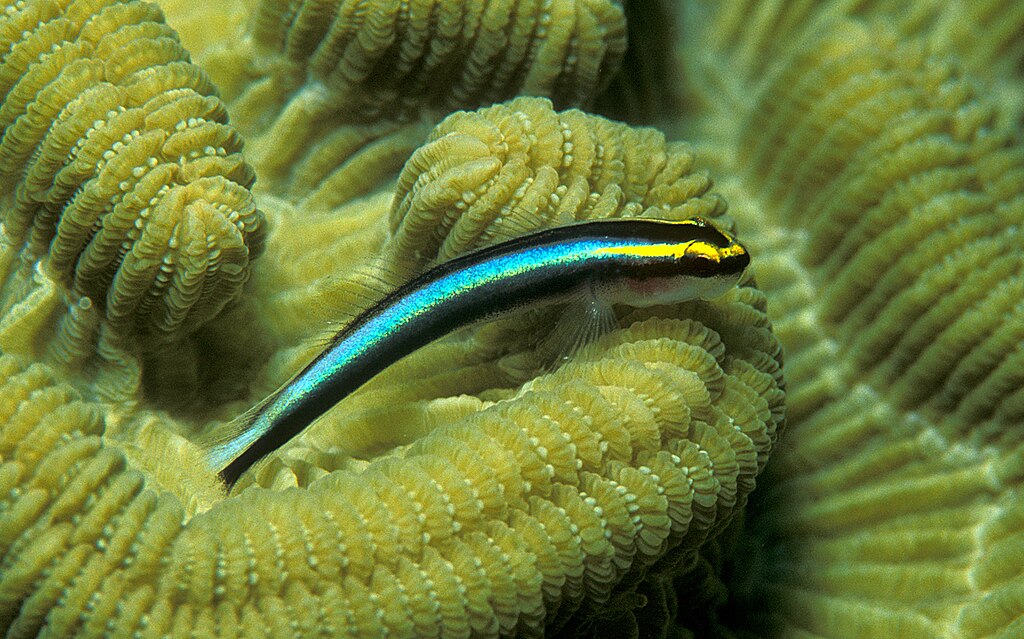
Sharknose Goby (Elacatinus evelynae)
Sharknose Goby care is simple in stable reef tanks. Learn feeding, tank setup, compatibility, and common problems for…
[favorite_button]
My Bookmarks:
To see full list click here
[user_favorites user_id="" include_links="true" site_id="" post_types="" include_thumbnails="true" thumbnail_size="thumbnail" include_excerpt="false"]