

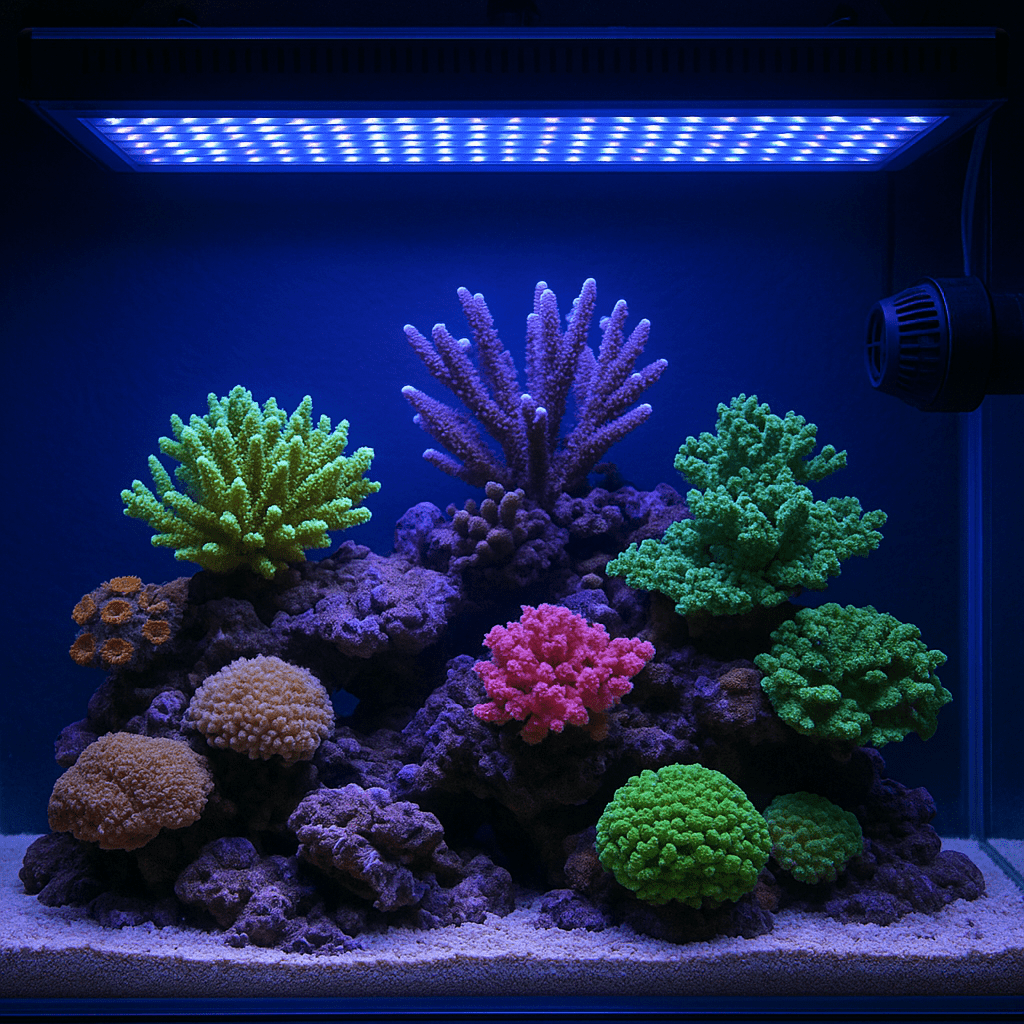
Saltwater aquarium basics start with stable water, patient stocking, and simple equipment choices. New reef keepers succeed when they focus on consistency first. Learn the core steps, avoid common mistakes, and build a healthy marine tank that grows steadily over time.
Starting a saltwater aquarium can feel intimidating. There are more moving parts than in most freshwater tanks. You need salt mix, strong filtration, and careful testing. You also need patience. The good news is that the basics are not complicated once you understand them. This guide explains the foundation of a successful marine aquarium. You will learn how to choose a tank, what equipment matters most, how to cycle the system, and how to keep fish and corals healthy. If you are new to reef keeping, this article will help you build confidence and avoid expensive beginner errors.
Quick Reference Table
| Category | Recommended Starting Point |
|---|---|
| Tank size | 20 to 40 gallons for beginners |
| Salinity | 1.025 specific gravity |
| Temperature | 76 to 78°F |
| pH | 7.8 to 8.4 |
| Ammonia | 0 ppm |
| Nitrite | 0 ppm |
| Nitrate | Under 10 ppm for reefs |
| Water source | RODI water |
| Cycle time | 2 to 6 weeks |
| Water changes | 10 to 15% weekly |
| Beginner livestock | Clownfish, snails, soft corals |
This table gives you a practical starting point. It is not a substitute for observation. Every marine tank develops its own rhythm. Still, these numbers work well for most beginner saltwater aquariums. Stability matters more than chasing tiny daily changes.
What Makes a Saltwater Aquarium Different
A saltwater aquarium is a closed marine ecosystem. Fish, invertebrates, and beneficial bacteria all depend on stable conditions. Saltwater tanks are less forgiving than freshwater tanks. Small mistakes can have larger effects. Salinity changes faster. Overfeeding causes nutrient spikes. Weak maintenance leads to algae and stressed animals.
That sounds harsh, but the basics are manageable. Marine tanks rely on biological filtration. Beneficial bacteria convert toxic ammonia into nitrite, then nitrate. This process is called the nitrogen cycle. Your job is to support that cycle with good equipment, clean water, and sensible stocking. You also need to understand that reef tanks reward patience. Fast decisions often create slow problems. If you move carefully, test often, and add livestock gradually, a saltwater aquarium becomes much easier to manage.
Choosing the Right Tank Size
Many beginners assume a small tank is easier. In saltwater, that is usually false. Larger tanks hold more water volume. More volume means more stability. Temperature changes slower. Salinity swings less. Minor dosing mistakes have less impact. For most new hobbyists, a tank between 20 and 40 gallons is a smart starting point.
Nano saltwater tanks look attractive and save space. They can work well, but they demand close attention. Evaporation changes salinity quickly in small systems. Nutrients also rise faster after heavy feeding. If you want the smoothest learning curve, choose a moderate-sized tank with room for equipment. Consider where the tank will sit. Avoid direct sunlight. Keep it away from air vents and busy doorways. A stable location helps maintain temperature and reduces stress on fish.
Essential Saltwater Aquarium Equipment
You do not need every gadget on day one. You do need reliable core equipment. Start with the tank, stand, heater, thermometer, and a quality return pump or powerhead setup. Strong water movement is important. It keeps oxygen levels high and prevents waste from settling.
You also need a filtration plan. Many beginner tanks use live rock, filter media, and regular water changes. Some systems include a protein skimmer. A skimmer removes dissolved waste before it breaks down. It is helpful, but not always mandatory on smaller tanks with light stocking. Good lighting is essential if you plan to keep corals. Fish-only systems can use simpler lights. Reef tanks need lights designed for coral growth. A refractometer is another must-have. It measures salinity more accurately than swing-arm hydrometers. Use RODI water for mixing salt and topping off evaporation. Tap water often adds algae fuel and unwanted contaminants.
How to Set Up a Saltwater Aquarium Step by Step
Start with a clean tank and level stand. Add dry rock or cured live rock first. Then place sand if you are using it. Secure rock structures well. Fish and snails can shift unstable aquascapes later. Fill the tank with premixed saltwater made from RODI water. Match salinity to 1.025 and bring temperature to 76 to 78°F.
Next, start all pumps and heaters. Check for leaks. Let the water clear. Then begin the nitrogen cycle using an ammonia source or a bottled bacterial product. Test ammonia, nitrite, and nitrate every few days. Do not add fish until ammonia and nitrite both read zero. This process often takes several weeks. Once the cycle is complete, perform a water change. Add a small cleanup crew first. Then add hardy fish slowly. Quarantine is strongly recommended before introducing any fish. It reduces disease risk and protects your display tank from major setbacks.
Understanding Water Chemistry
Water chemistry is the foundation of marine success. The most important beginner parameters are salinity, temperature, pH, ammonia, nitrite, and nitrate. If you keep corals, you also need to monitor alkalinity, calcium, magnesium, and phosphate. Stable numbers matter more than perfect numbers.
Salinity should stay consistent. Top off evaporation with fresh RODI water, not saltwater. Salt does not evaporate. Only water does. Ammonia and nitrite must remain at zero in an established tank. Nitrate should stay low, especially in reef systems. Alkalinity supports coral growth and pH stability. Calcium and magnesium help stony corals build skeletons. Test kits vary in quality, so choose trusted brands and follow instructions carefully. Keep a log of your results. Trends tell you more than one isolated test. If a value drifts, correct it slowly. Rapid changes often stress fish and corals more than slightly imperfect numbers.
Lighting Requirements
Lighting needs depend on your goals. Fish-only saltwater aquariums need enough light for viewing. Reef tanks need more. Corals rely on symbiotic algae called zooxanthellae. These algae use light to produce energy. Without proper lighting, many corals decline over time.
Soft corals usually tolerate lower to moderate light. Many LPS corals prefer moderate levels. SPS corals often need stronger light and very stable conditions. Beginners should not chase extreme intensity. Start with a proven reef light and a simple schedule. Eight to ten hours of full lighting works well for many tanks. Avoid sudden major changes. Increase intensity gradually when needed. Too much light can bleach corals and fuel nuisance algae. Too little light can reduce color and growth. Watch how your corals respond. Extension, coloration, and growth patterns often reveal more than numbers alone.
Water Flow
Flow is easy to overlook. It is also critical. Good water movement delivers oxygen, removes waste, and brings food to corals. Dead spots trap detritus and lead to nutrient problems. Most saltwater tanks need more circulation than beginners expect.
Use powerheads or wavemakers to create broad, varied movement. Aim for random flow rather than one harsh stream. Fish appreciate well-oxygenated water. Corals also respond better to changing flow patterns. Soft corals often enjoy moderate, indirect movement. Many SPS corals need stronger, turbulent flow. Sandstorms are a sign that flow is too direct or poorly aimed. If debris settles in corners, adjust your pumps. Observe the tank after feeding. Food particles show you how water actually moves. Fine-tuning flow improves coral health and keeps the system cleaner between maintenance sessions.
Feeding Basics for Marine Fish and Corals
Overfeeding is one of the most common beginner mistakes. Fish should eat small portions they can finish quickly. Feed once or twice daily in most beginner systems. Use a varied diet. Marine pellets, frozen mysis, brine shrimp, and algae-based foods all have a place.
Different fish have different needs. Clownfish are usually easy feeders. Tangs need regular algae. Some wrasses prefer meaty foods several times a day. Corals vary too. Many soft corals rely heavily on light and dissolved nutrients. Some LPS corals benefit from occasional target feeding. Keep feeding simple at first. Watch body condition and nutrient levels. If fish look thin, increase food slightly. If nitrate and phosphate rise fast, reduce excess. Rinse frozen foods when needed. Remove uneaten food if it collects on the sand. Balanced feeding supports health without overwhelming your filtration.
Compatibility and Stocking
Stocking slowly protects your tank from stress and disease. Add too many fish at once, and the biofilter can struggle. Aggression also increases in crowded tanks. Start with peaceful, hardy species. Clownfish, firefish, gobies, and many captive-bred fish are good beginner choices.
Research adult size before buying anything. Many marine fish are sold very small. Some become territorial or outgrow beginner tanks. Reef compatibility matters too. Not every fish is safe with shrimp, snails, or corals. Some angelfish nip at polyps. Some wrasses eat small invertebrates. Build your stocking plan around the final community, not impulse purchases. Add the most peaceful fish first in many cases. Quarantine each new fish when possible. This simple step prevents many outbreaks of ich, velvet, and bacterial infections. Healthy stocking choices make long-term reef keeping far easier.
Common Problems
Why is my new tank covered in algae?
Early algae blooms are normal. Diatoms, green film algae, and even some nuisance phases often appear in young tanks. New systems are biologically unstable. Nutrients and silicates can fuel these blooms. Use RODI water, avoid overfeeding, and keep up with water changes. Add an appropriate cleanup crew. Most early algae phases improve as the tank matures.
Why are my fish breathing fast?
Rapid breathing can signal low oxygen, ammonia, disease, or stress. Check temperature first. Warm water holds less oxygen. Test ammonia immediately. Increase surface agitation if needed. Look for signs of parasites or recent aggression. Quarantine and diagnosis may be necessary if breathing remains heavy.
Why do my corals stay closed?
Closed corals often point to unstable parameters, poor placement, or irritation. Check salinity, alkalinity, and temperature. Review lighting and flow. Inspect for pests and fish nipping. Corals can stay retracted after sudden changes. Stability and patience usually help more than constant repositioning.
Why does salinity keep changing?
Evaporation is the usual cause. As water evaporates, salt stays behind. This raises salinity. Top off daily with fresh RODI water. An auto top-off system makes this much easier. Always measure salinity with a calibrated refractometer for best accuracy.
Maintenance Routine for Long-Term Success
A simple routine beats occasional deep cleaning. Check temperature and livestock behavior daily. Top off evaporation as needed. Feed carefully. Empty the skimmer cup if you use one. Clean the glass before algae becomes thick and stubborn.
Each week, test key parameters and perform a water change. Vacuum detritus from easy-to-reach areas if needed. Rinse mechanical filter media in removed tank water. Every month, inspect pumps, heaters, and tubing for buildup or wear. Replace test reagents and calibration fluids on schedule. Do not clean everything at once. Preserve beneficial bacteria by working in stages. Consistent maintenance keeps problems small and manageable. It also helps you notice subtle changes before they become major issues.
Frequently Asked Questions
Is a saltwater aquarium hard to maintain?
It is harder than freshwater, but not impossible. Success comes from routine and patience. Stable habits matter more than expensive gear.
How long should I cycle a saltwater tank?
Cycle until ammonia and nitrite reach zero after an ammonia source is processed. This usually takes two to six weeks.
What is the best first fish for a marine tank?
Captive-bred clownfish are a common first choice. They are hardy, widely available, and adapt well to aquarium life.
Do I need live rock in a saltwater aquarium?
Not always. Dry rock works well and is very common today. It becomes biologically active as the tank matures.
Can I keep corals in a beginner tank?
Yes. Start with hardy soft corals after the tank stabilizes. Avoid sensitive species until your routine and parameters are consistent.
Helpful FancyReef Guides
- how to cycle a reef tank
- reef tank water parameters
- best beginner reef fish
- clean up crew for reef tank
- reef tank lighting guide
Saltwater aquarium basics are not about perfection. They are about building a stable system and learning how it responds. Choose solid equipment, use clean water, cycle the tank fully, and stock slowly. If you stay patient and consistent, your marine aquarium will reward you with healthy fish, thriving corals, and far fewer headaches.
Was this helpful?
Related Posts
Best Filtration Systems
Best Filtration Systems for a Healthy Saltwater Aquarium Choosing the best filtration system for your saltwater aquarium is…
 By
By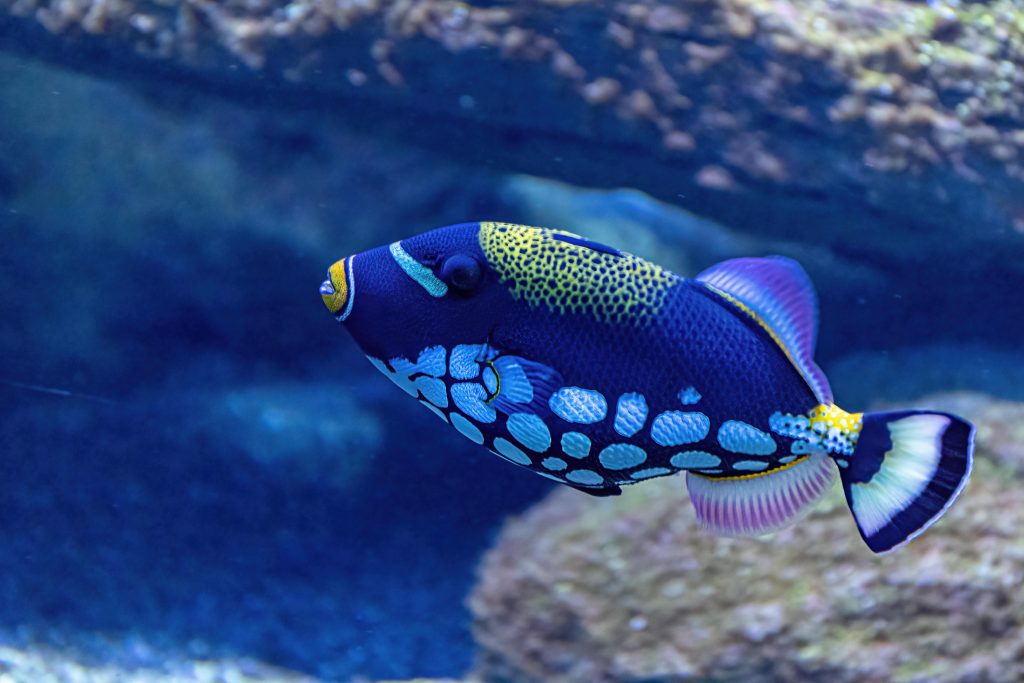
Clown Triggerfish (Balistoides Conspicillum)
Clown triggerfish are stunning but aggressive marine fish that need very large tanks, strong filtration, and careful tankmate…
[favorite_button]
My Bookmarks:
To see full list click here
[user_favorites user_id="" include_links="true" site_id="" post_types="" include_thumbnails="true" thumbnail_size="thumbnail" include_excerpt="false"]