
A saltwater tank maintenance checklist keeps reef care simple and consistent. It helps you catch problems early, protect coral health, and keep fish thriving. The best routine is not complicated. It is repeatable. With a clear schedule, you can stay ahead of algae, nutrient swings, and equipment failures before they become expensive mistakes.
Many reef problems start with skipped basics. Top-off gets delayed. Filter socks stay dirty. Test kits sit unused. Then nitrate rises, salinity drifts, and corals stop opening. This guide breaks maintenance into daily, weekly, monthly, and occasional tasks. You will learn what to check, why it matters, and how to build a routine that fits real life. Whether you run a nano reef or a larger mixed reef, this checklist will help you keep your aquarium stable.
Quick Reference Maintenance Checklist
| Schedule | Tasks | Why It Matters |
|---|---|---|
| Daily | Check temperature, livestock behavior, equipment, and top-off water level | Catches urgent problems fast |
| 2–3 Times Weekly | Clean glass, inspect corals, empty skimmer cup if needed | Improves viewing and prevents buildup |
| Weekly | Test water, change water, replace filter floss, clean cup and neck | Keeps nutrients and chemistry stable |
| Monthly | Deep clean pumps, inspect plumbing, calibrate probes, review trends | Prevents equipment decline and hidden issues |
| Every 3–6 Months | Service return pump, powerheads, RO/DI unit, and light lenses | Maintains long-term performance |
Use this table as your baseline. Then adjust it for your tank size, coral load, and feeding style.
Why a Saltwater Tank Maintenance Checklist Matters
Reef tanks reward stability. Corals adapt well to steady conditions. They struggle with swings. A checklist reduces those swings. It turns reef care into small habits instead of random reactions. That matters because most saltwater problems build slowly. Salinity drifts from missed top-off. Algae grows from trapped waste. SPS corals fade when alkalinity changes too quickly.
A checklist also saves time. You do not need to guess what comes next. You simply work through your routine. This makes maintenance easier for busy hobbyists. It also helps families share tank duties. If more than one person cares for the aquarium, a written plan prevents missed tasks and duplicate dosing. Most importantly, a checklist helps you notice trends. If your skimmer suddenly stops producing or your ATO runs more than usual, that change tells you something. Good reef keeping is often about observation. A simple maintenance routine sharpens that skill.
Daily Saltwater Tank Maintenance Tasks
Daily checks should take only a few minutes. Start by looking at the tank before feeding. Fish should breathe normally and swim with purpose. Corals should look close to their usual daytime form. One closed coral is not always a crisis. Several irritated corals often signal a water quality or flow issue.
Check temperature every day. Reef tanks usually do best around 76 to 79 degrees Fahrenheit. Also confirm salinity stays stable, especially in open-top tanks. Evaporation raises salinity if top-off water is missed. Inspect your return pump, wavemakers, heater, skimmer, and ATO. Listen for unusual sounds. Many failures announce themselves before they stop completely. Feed carefully and remove uneaten food if needed. Overfeeding is one of the fastest ways to create nutrient problems. Finally, glance at the floor, sump, and plumbing. A tiny leak is much easier to fix than a major flood.
- Check temperature
- Confirm equipment is running
- Observe fish and coral behavior
- Verify ATO and water level
- Feed appropriate portions
- Look for leaks, salt creep, or odd noises
Weekly Saltwater Tank Maintenance Tasks
Weekly maintenance is the core of reef stability. This is when you remove waste, test key parameters, and reset the system. Start by cleaning the glass. This keeps algae from hardening and improves your view of coral health. Replace or rinse filter floss and mechanical media. Dirty media traps organics and breaks down into nitrate and phosphate.
Test the parameters that matter most for your tank. In most reef systems, that means salinity, alkalinity, nitrate, phosphate, calcium, and magnesium. In newer tanks, test ammonia and nitrite if something seems wrong. Empty and clean the skimmer cup. Thick sludge reduces skimmer efficiency. Perform a water change if your system benefits from it. Many reef keepers change 10 percent weekly or 15 to 20 percent every two weeks. Match salinity and temperature closely. Sudden change stresses animals more than slightly imperfect numbers. During this session, inspect coral tissue, look for pests, and check for dead spots where detritus collects.
Monthly Maintenance and Equipment Care
Monthly tasks prevent the slow decline that many hobbyists miss. Pumps, probes, and plumbing can work poorly long before they fully fail. Start by cleaning powerheads and return nozzles. Coraline algae and calcium deposits reduce flow over time. Lower flow means more detritus buildup and less oxygen exchange.
Inspect heater cords, unions, tubing, and check valves. Salt creep around fittings can point to a future leak. Calibrate probes if you use a controller for pH, salinity, or temperature. Wipe light lenses and splash guards. Salt spray blocks PAR and changes coral response. Review your test log. Trends matter more than single readings. If alkalinity consumption has increased, coral growth may be accelerating. If nitrate keeps rising, feeding or export may need adjustment. This is also a good time to inspect your aquascape for loose frags, unstable rock, or shaded coral colonies. Small corrections now prevent accidents later.
Step-by-Step Reef Tank Maintenance Routine
If you want a simple process, follow this order each week. It keeps maintenance efficient and reduces stress on the tank.
- Observe livestock before touching anything.
- Clean the glass and remove visible detritus.
- Turn off return pump if needed for sump work.
- Replace filter floss or rinse mechanical media.
- Empty and clean the skimmer cup and neck.
- Test salinity, alkalinity, nitrate, phosphate, and other key levels.
- Prepare and perform your water change.
- Restart equipment and confirm normal operation.
- Dose supplements only after retesting if needed.
- Log results and note any coral or fish changes.
This order works well because it starts with observation. That gives you a clean baseline. It also avoids dosing blindly. Always test first when possible. Reef tanks respond best to measured changes, not guesses.
Water Testing Priorities for a Reef Aquarium
Not every tank needs the same testing schedule. Fish-only systems need less calcium and alkalinity testing. Mixed reefs and SPS tanks need closer tracking. For most reef hobbyists, alkalinity is the first number to watch. It changes quickly and strongly affects coral health. If alkalinity swings, coral color and polyp extension often decline.
Nitrate and phosphate should stay present but controlled. Ultra-low nutrients can starve corals. Excess nutrients fuel algae and dull coloration. Calcium and magnesium support skeletal growth and help stabilize chemistry. Salinity should be checked often with a calibrated refractometer or reliable digital meter. Temperature should be monitored daily, even with a controller. Heaters fail more often than many beginners expect. Testing is not about chasing perfect numbers. It is about consistency. Stable, reasonable parameters usually beat constant correction. If you want a stronger foundation, read our guides on reef tank water parameters and how to lower nitrates in a reef tank.
Common Problems
Why does my saltwater tank keep getting algae?
Algae usually points to excess nutrients, excess light, or poor maintenance flow. Start with basics. Replace dirty mechanical media more often. Reduce overfeeding. Test nitrate and phosphate. Blow detritus from rocks before water changes. Clean pumps so flow reaches dead spots. If your light schedule is long, shorten it slightly. Also check your source water. RO/DI filters that need replacement can add fuel for algae.
Why are my corals closed after maintenance?
Corals often close briefly after hands-in-tank work, blasting rocks, or water changes. That is normal. Longer irritation usually means a mismatch in salinity, temperature, or alkalinity. Always match new water carefully. Avoid stirring deep sand beds aggressively. Keep cleaning sprays and soap far from the aquarium.
Why does salinity drift so often?
Evaporation causes salinity drift. Salt stays behind while water leaves. An ATO solves most of this. If drift continues, inspect the ATO sensor, reservoir, and pump. Also check for splash loss from wavemakers or skimmer overflow.
Why is my skimmer producing less foam?
A dirty neck, changed water level, oily foods, or blocked air intake can reduce foam. Clean the cup and neck first. Then inspect the airline and venturi. If you recently used coral foods or additives, performance may return after a few hours.
Maintenance Tips for Different Saltwater Tanks
Nano reefs need frequent observation because small volumes change fast. A missed top-off or overfeeding event can shift chemistry quickly. Larger tanks are more forgiving, but they hide problems better. Detritus can build in sumps, behind rockwork, and inside long plumbing runs. Fish-only tanks usually need less supplement testing, but they often need stronger nutrient export because larger fish eat heavily.
Soft coral tanks tolerate a bit more nutrient richness. SPS systems demand tighter alkalinity control and strong equipment upkeep. Mixed reefs sit in the middle. Adjust your checklist to match the animals you keep. If your tank is young, observe more and change less. New systems benefit from patience. If your tank is mature and packed with coral, testing and dosing usually matter more than large water changes. For setup help, see reef tank maintenance schedule, best clean up crew for reef tank, and reef tank water change guide.
Frequently Asked Questions
How often should I clean a saltwater tank?
Do light tasks daily and deeper tasks weekly. Equipment cleaning usually fits a monthly schedule.
How often should I change water in a reef tank?
Many hobbyists change 10 percent weekly. Others change more or less based on nutrients, coral load, and dosing.
What is the most important reef tank parameter to test?
For coral tanks, alkalinity is often the most important because it shifts quickly and affects growth and stability.
Can I do too much maintenance?
Yes. Constant changes can stress reef animals. Aim for steady, measured care instead of aggressive cleaning and correction.
Should beginners use a maintenance log?
Yes. A simple log helps you spot trends, remember tasks, and learn how your tank responds over time.
Final Thoughts
The best saltwater tank maintenance checklist is the one you will actually follow. Keep it simple at first. Focus on observation, stable salinity, clean mechanical filtration, regular testing, and consistent water changes. As your reef grows, your routine can grow with it. Good maintenance is not about perfection. It is about catching small issues early and keeping your tank stable for the long term.
Was this helpful?
Related Posts
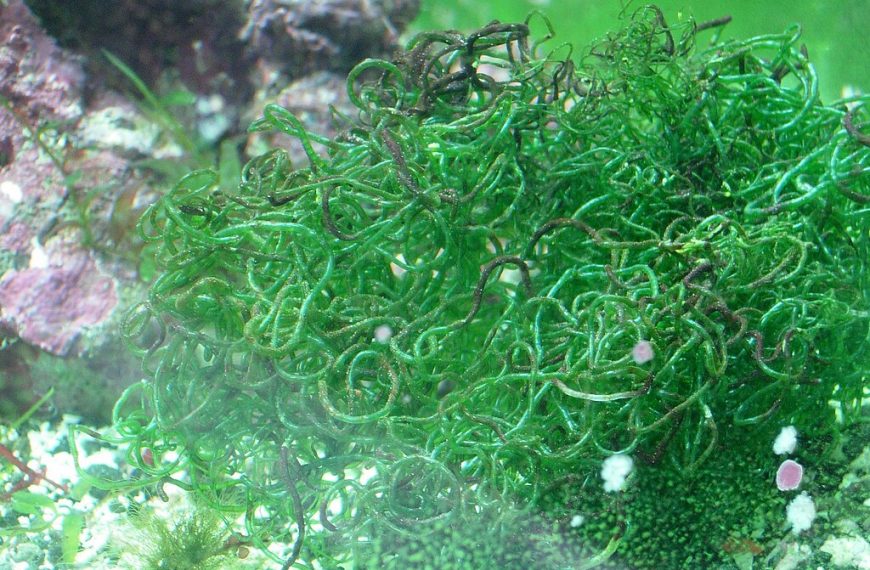
What is a Chaeto Reactor, and How Does it Help Control Nutrients?
A chaeto reactor grows macroalgae in a sealed chamber to remove nitrate and phosphate, helping reef tanks control…
 By
By
What is a Propagation Tank, and How Do Reef Hobbyists Use it to Grow Coral Frags?
A propagation tank is a dedicated coral grow-out system. It helps reef hobbyists heal, organize, and multiply coral…