

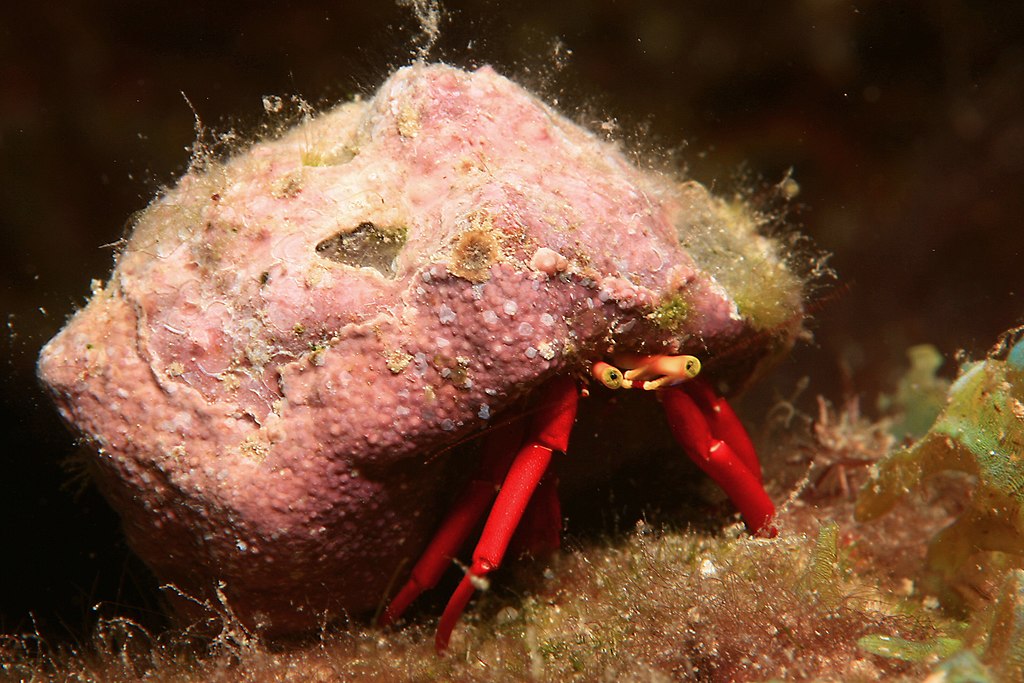
Scarlet reef hermit crabs are among the best cleanup crew members for reef tanks. They stay small, look bright red, and usually behave well around corals. Most hobbyists keep them to control algae, eat leftover food, and add constant movement to the aquascape.
This guide covers scarlet reef hermit crab care, feeding, tank setup, compatibility, and common problems. You will also learn how to choose the right number for your aquarium, how to reduce shell fights, and when these popular hermits may become risky. While they are often sold as simple cleanup crew animals, they still need proper planning. A healthy reef tank gives them stable water, spare shells, and enough food to prevent trouble.
Quick Reference Care Table
| Common name | Scarlet Reef Hermit Crab |
| Scientific name | Paguristes cadenati |
| Care level | Easy |
| Temperament | Usually peaceful, opportunistic |
| Adult size | About 1 to 1.5 inches |
| Diet | Omnivore and scavenger |
| Minimum tank size | 10 gallons |
| Reef safe | Generally yes, with caution |
| Best use | Algae control and detritus cleanup |
| Special need | Provide extra empty shells |
What Are Scarlet Reef Hermit Crabs?
Scarlet reef hermit crabs are small marine hermits from the Caribbean. They are easy to recognize by their bright red legs and yellow face. Many stores sell them as one of the safest hermits for reef aquariums. That reputation is mostly fair. They are usually less aggressive than blue leg hermits and many larger species.
These crabs do not grow their own shell. They must occupy empty snail shells for protection. As they grow, they need larger shells. If no shells are available, they may fight snails or other hermits. This is one reason some hobbyists see unexpected losses in a cleanup crew.
In a reef tank, scarlet hermits spend most of the day picking at rock, sand, and glass. They eat film algae, detritus, and leftover food. They also reach small crevices that snails often miss. That makes them useful in mixed reefs, nano tanks, and beginner systems.
Natural Habitat
Paguristes cadenati comes from the tropical western Atlantic and Caribbean region. In nature, these hermits live in shallow reef zones, rubble fields, seagrass areas, and rocky bottoms. They spend much of their time searching for edible material on hard surfaces and around organic debris.
Wild scarlet hermits experience stable saltwater conditions. They also live among many shell options created by natural snail mortality. This matters in captivity. Reef tanks often have fewer shell choices than the ocean. A crab that would easily switch shells in nature may become stressed or aggressive in a small aquarium.
Their natural environment also has constant water movement and oxygenation. They do best in tanks with good circulation and stable salinity. Sudden swings in temperature or salinity can stress them quickly. Like many invertebrates, they are also sensitive to copper and poor acclimation.
Aquarium Setup
Scarlet reef hermit crabs can live in tanks as small as 10 gallons. Larger systems are easier to manage. Small tanks change quickly, and invertebrates dislike sudden swings. Stability matters more than size alone. If your tank is mature and stable, these hermits usually settle in fast.
Build the aquascape with porous live rock, open ledges, and easy climbing paths. Scarlet hermits spend most of their time on rockwork and the sand surface. They like areas with algae film, trapped food, and detritus pockets. They do not need special caves, but they benefit from a varied layout.
Use reef-safe substrate and maintain strong biological filtration. Avoid adding too many hermits at once. Overstocked cleanup crews often run out of food. That can lead to shell disputes and snail predation. As a rough guide, start with one scarlet hermit for every 5 to 10 gallons. Then adjust based on visible algae and leftover waste.
Most important, add several empty shells in different sizes. This simple step prevents many problems. Choose shells slightly larger than the crab currently uses.
Water Parameters and Stability
Scarlet reef hermit crabs do best in stable reef conditions. Aim for temperatures between 76 and 80 degrees Fahrenheit. Keep salinity around 1.025 specific gravity. Maintain pH between 8.1 and 8.4. Ammonia and nitrite should always be zero. Nitrate should stay low, though they tolerate moderate reef levels better than many delicate invertebrates.
Calcium, alkalinity, and magnesium also matter. Hermits do not build heavy skeletons like corals, but they still molt and rely on healthy mineral balance. Poor water chemistry can lead to weak molts, stress, and inactivity. Stable alkalinity and salinity reduce these risks.
Never expose scarlet hermits to copper-based medications. Copper is toxic to crustaceans and most reef invertebrates. If you buy one from a mixed livestock system, ask whether copper has ever been used. Also acclimate them slowly. Drip acclimation is the safest approach, especially if salinity differs from your display tank.
Lighting Requirements
Scarlet reef hermit crabs have no special lighting needs. They do well under low, moderate, or high reef lighting. Their care depends more on water quality, food availability, and shell access than on light intensity. In most reef tanks, they simply adapt to the light required by corals.
That said, lighting still affects their environment. Stronger lighting often increases algae growth on rock and glass. This can provide more natural grazing for hermits. In lower light tanks, they may rely more on leftover food and supplemental feeding. If your tank is very clean and nutrient poor, do not assume they always have enough to eat.
You may notice them more during dim periods or early morning hours. They are active throughout the day, but many hermits become bolder when fish are less active. This is normal behavior and not a sign of trouble.
Water Flow
Moderate water flow works best for scarlet reef hermit crabs. They come from areas with steady movement, so they appreciate good oxygenation and circulation. Flow helps keep detritus suspended and moves food into crevices where hermits can find it. It also prevents dead spots in the rockwork.
Avoid blasting them with direct, high-pressure flow in exposed areas. They can cling well, but constant force makes feeding and movement harder. Instead, aim for broad, indirect flow through the tank. This gives them calm surfaces to graze while still keeping the system clean.
If your hermits stay hidden all day, inspect flow patterns along with other conditions. Excessive flow, unstable salinity, or aggression from tank mates can all reduce activity. In a balanced reef, scarlet hermits should move around often and pick at surfaces throughout the day.
Feeding
Scarlet reef hermit crabs are omnivorous scavengers. They eat film algae, hair algae, cyanobacteria residue, detritus, uneaten fish food, and decaying organic matter. This wide diet makes them valuable in reef tanks. Still, they should not be expected to live on algae alone.
In newer tanks, they often find enough natural food. In clean, mature systems, they may need extra feeding. Offer tiny amounts of sinking pellets, algae wafers, frozen mysis, or finely chopped seafood. Feed sparingly. Too much food raises nutrients and defeats the purpose of a cleanup crew.
If a scarlet hermit starts bothering snails, hunger may be part of the problem. A starving hermit becomes opportunistic. Providing occasional target feeding and spare shells often solves the issue. Remember that cleanup crew animals are living livestock, not disposable tools. They need nutrition just like fish and corals.
Compatibility
Scarlet reef hermit crabs are generally reef safe. They usually ignore healthy corals and fish. This makes them a good choice for mixed reefs, soft coral tanks, and many nano systems. Their peaceful reputation is one reason they remain so popular.
However, reef safe does not mean harmless in every case. Any hermit crab may steal food from corals, walk across polyps, or attack weakened snails. They are opportunists. A hungry hermit or one needing a new shell may become more aggressive. This behavior is not unusual. It is simply part of keeping scavengers.
They usually mix well with peaceful reef fish, snails, cleaner shrimp, and most corals. Avoid housing them with predators such as large wrasses, puffers, triggers, hawkfish, or aggressive crabs. These tank mates may injure or eat them. If you keep several hermits together, provide enough food and shell options to reduce fighting.
Helpful reads: cleanup crew for reef tank, reef tank water parameters, best snails for saltwater aquarium, how to cycle a reef tank.
How Many Scarlet Reef Hermit Crabs Should You Keep?
This is one of the most common questions. Many beginner guides suggest large cleanup crews. In practice, that often causes food shortages. A better method is to stock lightly and watch the tank. Start with a few hermits, then add more only if algae and detritus remain excessive.
For a nano reef, one to three scarlet hermits is often enough. A 20 to 40 gallon tank may do well with three to six. Larger tanks can support more, but only if the system produces enough natural food. Tanks with heavy feeding and active fish usually support cleanup crews more easily.
Too many hermits create competition. That leads to shell fights, snail losses, and starvation. If your hermits constantly climb over each other or attack snails, reduce numbers or feed more carefully. The goal is balance, not maximum stocking.
Common Problems
Why is my scarlet hermit crab not moving?
Inactivity can mean stress, molting, poor acclimation, or death. First, check salinity and temperature. Sudden changes often affect invertebrates fast. Next, look for signs of a molt. A shed exoskeleton can look like a dead crab. If the shell still smells normal and the tank is stable, give it time before assuming the worst.
Why is my hermit crab killing snails?
The most common causes are shell shortage and hunger. Add several empty shells in suitable sizes. Feed a little more often if the tank is very clean. Also confirm the snail was healthy. Hermits often scavenge dead or dying snails, which can look like an attack when it was actually cleanup behavior.
Why did my hermit crab leave its shell?
This usually means it is searching for a better shell or has been badly stressed. Poor salinity, toxins, or rough handling can trigger this. Immediately check water quality and offer several clean, empty shells. A shell-less hermit is very vulnerable and may not survive long.
Why did my scarlet hermit crab die after introduction?
Rapid acclimation is a common cause. Invertebrates handle salinity swings poorly. Copper exposure, ammonia, or a very new tank can also be responsible. Always acclimate slowly and add hermits only to a cycled, stable aquarium.
Propagation and Breeding
Breeding scarlet reef hermit crabs in home aquariums is uncommon. Adults may mate in reef tanks, but raising the larvae is very difficult. The young pass through planktonic stages that need specialized food, clean rearing conditions, and careful handling. Most hobbyists do not attempt it successfully.
Because captive breeding is rare, most scarlet hermits in stores are wild collected. This makes responsible stocking important. Buy only the number your tank can support. Keep them healthy for the long term rather than treating them as disposable cleanup workers.
Step-by-Step Acclimation Guide
- Turn off bright lights to reduce stress.
- Float the bag for 15 to 20 minutes for temperature matching.
- Open the bag and transfer the crab and water to a small container.
- Use airline tubing for slow drip acclimation.
- Drip tank water for 45 to 90 minutes.
- Discard shipping water. Do not pour it into the display.
- Place the crab gently on the rock or sand.
- Add extra shells before or at the same time.
- Observe for normal walking and grazing behavior.
Frequently Asked Questions
Are scarlet reef hermit crabs reef safe?
Yes, in most cases. They are one of the safer hermit species for reef tanks. Still, they may bother snails or steal food if hungry.
Do scarlet hermit crabs eat hair algae?
They may pick at some hair algae, but they are better at film algae and detritus. Do not rely on them alone for major algae outbreaks.
How long do scarlet reef hermit crabs live?
With stable care, they can live for several years. Lifespan depends on acclimation, water quality, food, and protection from predators.
Can scarlet hermits live with snails?
Yes. They often do well with snails. Provide spare shells and enough food to reduce the chance of shell-related aggression.
Are scarlet reef hermits good for beginners?
Yes. They are hardy, useful, and easy to keep in stable reef tanks. Beginners just need to avoid overstocking and poor acclimation.
Final Thoughts
Scarlet reef hermit crabs are excellent cleanup crew animals when kept correctly. They are attractive, active, and usually peaceful. Their biggest needs are stable reef water, enough food, and extra shells. Meet those needs, and they can become one of the most reliable invertebrates in your tank. Stock them lightly, observe their behavior, and let the aquarium guide your final cleanup crew numbers.
Was this helpful?
Related Posts
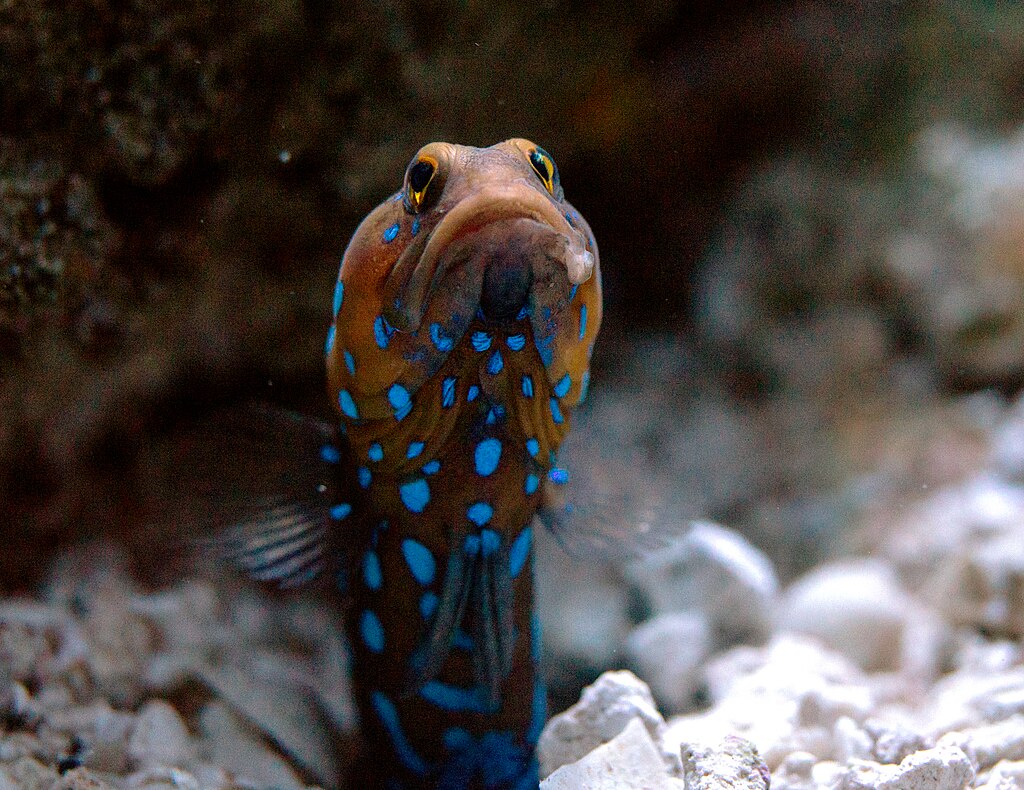
Blue Dot Jawfish (Opistognathus Rosenblatti)
Blue Dot Jawfish need cool water, deep sand, and a tight lid. Learn how to keep Opistognathus rosenblatti…
 By
By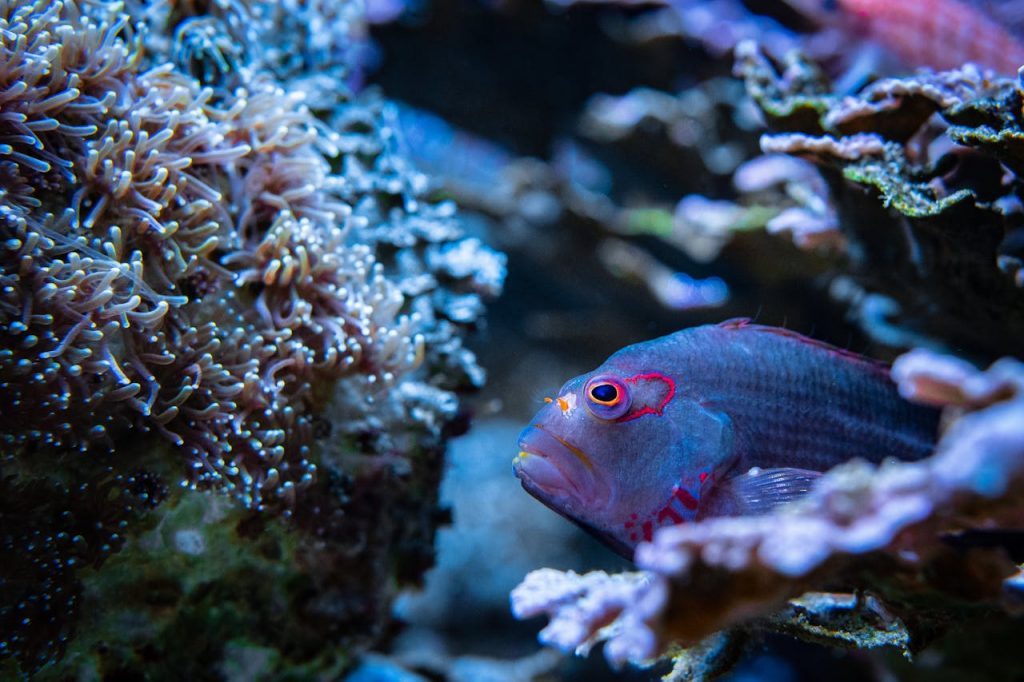
Arc Eye Hawkfish (Paracirrhites arcatus)
Arc Eye Hawkfish care is simple in a stable tank. Learn tank size, feeding, reef safety, and shrimp…
[favorite_button]
My Bookmarks:
To see full list click here
[user_favorites user_id="" include_links="true" site_id="" post_types="" include_thumbnails="true" thumbnail_size="thumbnail" include_excerpt="false"]