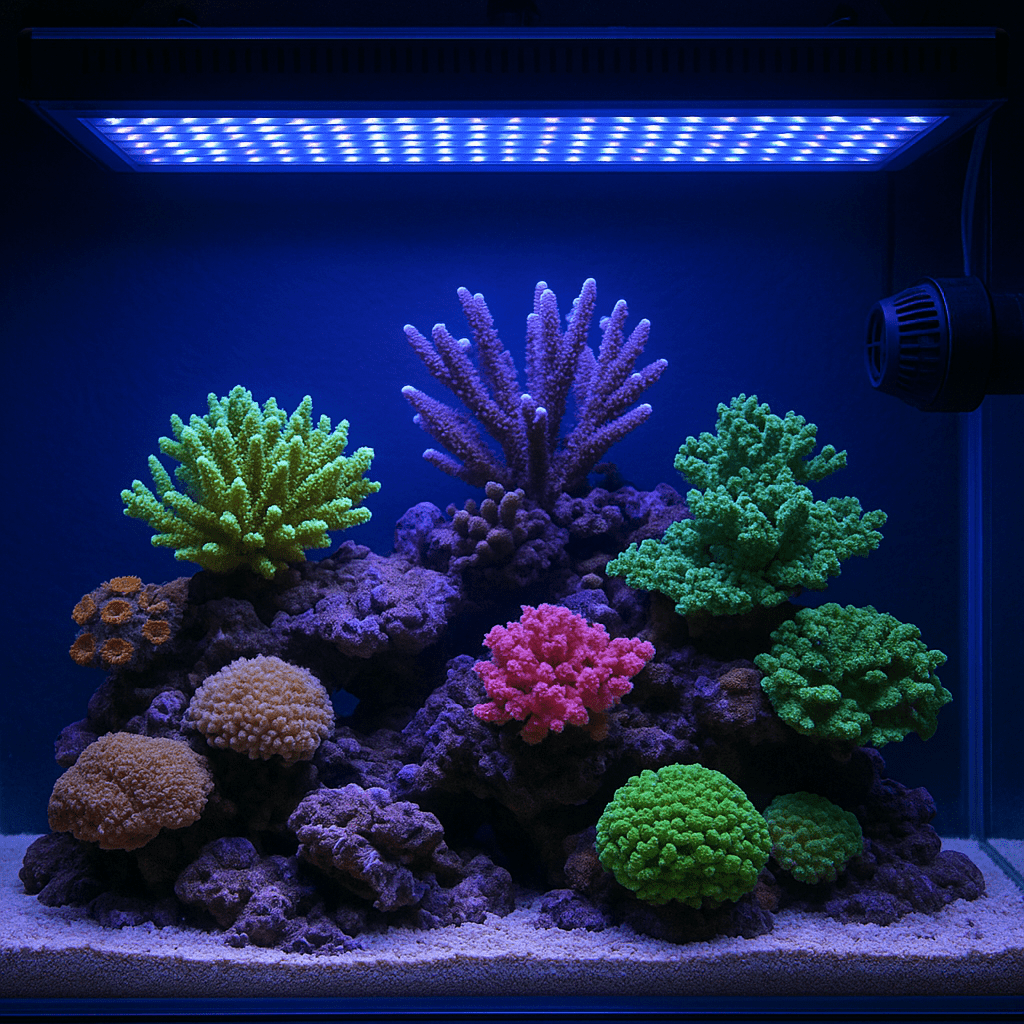
Copepods are tiny crustaceans that play a huge role in reef tanks. They feed mandarins and other pod hunters. They also help process waste and support a more natural food web. A healthy pod population can improve tank stability, fish condition, and long-term reef success.
Many hobbyists hear about copepods early in reef keeping. Few fully understand how useful they are. Pods are more than fish food. They are part of the clean-up crew. They graze on film algae, detritus, and leftover organics. They also reproduce quickly under the right conditions. In this guide, you will learn what copepods are, why they matter, how to add them, and how to keep a strong population in a saltwater aquarium. We will also cover refugiums, feeding, common mistakes, and which fish depend on pods most.
Quick Reference Table
| Topic | Recommendation |
| Best use | Live food, biodiversity, nutrient processing |
| Ideal tank age | Established tanks do best, but pods can be added to newer systems |
| Best place to seed | Refugium, rockwork, macroalgae, rear chambers |
| When to add | At night, with pumps reduced for 15 to 30 minutes |
| What they eat | Phytoplankton, biofilm, detritus, microalgae |
| Main predators | Mandarins, wrasses, scooters, some gobies |
| Best support method | Refugium plus regular phytoplankton feeding |
| Population risk | Heavy pod-eating fish in small tanks |
This table gives the short version. The details matter. Pod success depends on tank maturity, predator pressure, and available food. Even the best bottled pods can disappear fast in a bare tank with hungry fish. Build the system first. Then the population usually becomes much easier to maintain.
What Are Copepods?
Copepods are tiny marine crustaceans. They live in oceans across the world. In reef tanks, they hide in rock pores, sand, macroalgae, and filter chambers. Most are barely visible. Some look like tiny white specks moving in short bursts across the glass at night.
There are many species used in aquariums. The most common groups are harpacticoid, calanoid, and cyclopoid copepods. Harpacticoid pods spend much of their time crawling on surfaces. They are excellent for reef tanks and refugiums. Calanoid pods spend more time in the water column. They are useful for feeding filter feeders and fish fry. Cyclopoid pods can do a bit of both, depending on species.
For most hobbyists, the goal is simple. You want a self-sustaining pod population. That means pods can reproduce faster than your tank consumes them. This creates a constant source of live nutrition and supports a healthier reef ecosystem.
Why Copepods Matter in Saltwater Aquariums
Pods fill several jobs at once. First, they are a natural live food. Mandarin dragonets, scooter blennies, and some wrasses rely on them heavily. Fish that hunt all day often do better when pods are always available. Frozen food helps, but it does not fully replace constant grazing for some species.
Second, copepods help recycle nutrients. They consume film algae, decaying matter, and suspended organics. This does not make them a replacement for maintenance. It does help reduce waste buildup in small spaces. They also convert tiny organic particles into biomass that fish and corals can use.
Third, pods increase biodiversity. More biodiversity often means a more resilient tank. Microfauna help balance the system. They occupy niches that would otherwise collect waste or support nuisance growth. In many mature reefs, pods are part of what makes the tank feel alive and stable.
Natural Habitat
In nature, copepods live almost everywhere in marine environments. Some drift in open water. Others crawl over reef rock, algae, rubble, and seagrass. Coral reefs support huge numbers of tiny crustaceans because they provide shelter, food, and stable conditions.
On a reef, pods hide from predators during the day. They emerge more actively at night. This is why hobbyists often notice them after lights out. In the wild, they feed on phytoplankton, bacteria, detritus, and microalgae. Reef fish, corals, and invertebrates eat them constantly. They are a key link between microscopic food and larger animals.
Your aquarium works the same way on a smaller scale. If you provide porous rock, low-predation zones, and a steady food source, pods can thrive. The more your tank mimics a natural reef food web, the better your pod population usually performs.
Aquarium Setup for Copepod Success
Copepods can live in many reef setups. Still, some systems support them better than others. A mature tank with live rock is ideal. Rock gives pods shelter and feeding surfaces. Sand can help too, though it is not required for every species.
A refugium is one of the best tools for pod culture. It acts as a safe zone. Fish cannot hunt there. Macroalgae such as chaetomorpha create dense structure. Pods reproduce inside that mass and spill into the display over time. Rear filtration chambers in all-in-one tanks can work in a similar way if you add rubble rock or macroalgae.
Avoid making the tank too sterile. Ultra-clean systems can limit pod food. You still want good husbandry. You also want enough biofilm and micro-life to support them. Stable salinity, temperature, and nutrients matter more than perfection. Sudden swings can crash microfauna just as easily as they stress corals.
Lighting Requirements
Copepods do not need direct lighting in the way corals do. They are not photosynthetic. Their lighting needs are indirect. Light supports the organisms they feed on. In a refugium, moderate lighting helps macroalgae grow. That macroalgae then traps detritus, hosts biofilm, and creates shelter for pods.
Display tank lighting can influence pod behavior. Under bright lights, many pods stay hidden. At night, they become easier to spot on the glass and rockwork. This is normal. It does not mean they only exist after dark. It means they are avoiding predators and bright exposure.
If you run a refugium, a reverse light cycle can help. It stabilizes pH and supports macroalgae growth. That can improve habitat quality for pods. Keep the refugium simple. Strong enough light for algae growth is usually enough. Pods care more about food and shelter than the exact fixture used.
Water Flow
Pods tolerate a range of flow conditions. In the display, moderate to strong reef flow is usually fine because pods stay in protected areas. In refugiums, gentler flow often works better. It allows pods to settle, feed, and reproduce without being constantly blasted through the system.
Very high flow in bare chambers can reduce survival. It can also send new pods straight into pumps or overflows. This is why rubble rock, sponge-free pockets, and macroalgae are useful. They create calm microhabitats. Those tiny low-flow zones are where pods multiply.
When adding bottled pods, reduce flow briefly if possible. Turn off the skimmer for a short period. This gives them time to settle into rock and algae. Add them after lights out for the best survival. Fish are less active then, and more pods will reach shelter.
Feeding Copepods
Pods need food to reproduce. In many tanks, natural film, detritus, and microalgae provide some nutrition. That may be enough in mature reefs with refugiums. In newer tanks, or heavily filtered systems, supplemental feeding helps a lot.
Phytoplankton is the most common pod food. Live phytoplankton is especially useful. It feeds pods directly and supports other microfauna. Dose small amounts several times per week rather than large amounts all at once. Watch nutrient levels as you adjust. Overdosing can raise nitrate and phosphate.
You can also support pods by maintaining healthy biofilm and macroalgae growth. Do not scrub every surface spotless. Give your microfauna places to graze. If you culture pods outside the tank, feed according to the supplier’s guidance. Different species use food differently. In the display, consistency usually matters more than volume.
Compatibility With Fish, Corals, and Invertebrates
Most reef tanks benefit from pods. They are safe with corals and invertebrates. Many corals may capture baby pods or nauplii. Filter feeders also benefit from the extra plankton in the water. Pods do not harm corals. They are part of a healthy reef food web.
The main compatibility issue is predation. Mandarins are the classic example. They can wipe out pods in small tanks. Six-line wrasses, leopard wrasses, scooter dragonets, and some gobies also hunt them aggressively. In tanks with several pod-eaters, populations often struggle unless a refugium constantly replenishes them.
Choose fish carefully if your goal is a self-sustaining pod colony. A peaceful mixed reef with only occasional pod predation is ideal. If you want a mandarin, plan the tank around that fish. Seed pods early. Build a refugium. Feed phytoplankton. Let the system mature before adding heavy pod hunters.
How to Add Copepods to a Saltwater Aquarium
Adding pods is easy, but timing matters. Start with an established tank if possible. New tanks can receive pods, but survival is often lower. There is less biofilm and fewer safe zones. If you are starting a reef from scratch, add pods after the cycle, then support them with phytoplankton and habitat.
Acclimation is usually simple. Float the bottle if temperature differs much. Then gently pour pods into the refugium, rear chamber, or directly onto rockwork. Add them after lights out. Reduce pumps for 15 to 30 minutes if your setup allows. Turn the skimmer off briefly so it does not remove suspended pods.
Repeat seeding if needed. One bottle may not establish a lasting colony in a predator-heavy tank. Several smaller additions often work better than one large dump. Think long term. The goal is not just to add pods. The goal is to create conditions where they keep reproducing.
Step-by-Step Guide to Building a Strong Pod Population
- Make sure the tank is cycled and stable.
- Add porous live rock, rubble, or macroalgae for shelter.
- Set up a refugium or protected rear chamber if possible.
- Seed the tank with a quality mixed-species pod culture.
- Add pods at night with pumps reduced briefly.
- Feed live phytoplankton in small, regular doses.
- Avoid adding heavy pod predators too early.
- Check the glass after lights out for signs of reproduction.
- Re-seed if the population seems weak.
- Maintain stable nutrients and avoid sudden system changes.
This process works because it addresses all three needs. Pods need shelter, food, and time. Remove one of those factors, and numbers often fade. Support all three, and the colony usually becomes much more durable.
Propagation and Culturing Pods
Why Hobbyists Culture Copepods
Some reef keepers culture pods outside the display. This gives them a backup food source. It is especially helpful for mandarins, fish fry, and picky feeders. External cultures also reduce pressure on the main tank population.
Basic Culture Setup
A simple culture uses a small container, heated room conditions, gentle aeration, saltwater, and phytoplankton. Keep the setup clean but not sterile. Harvest lightly and regularly. Replace water as needed. Start a second culture as insurance in case one crashes.
How to Harvest Safely
Use a fine sieve or turkey baster to collect pods. Avoid taking too many adults at once. Leave enough behind to rebuild the colony. Feed the display soon after harvest. Fresh live pods are highly nutritious and trigger strong feeding responses.
Common Problems
Why Did My Copepods Disappear?
The most common cause is predation. Fish may be eating them faster than they reproduce. Another cause is lack of food. Very clean tanks can starve pod populations. Poor habitat is another issue. Bare systems offer few hiding spots. Re-seed the tank, add macroalgae or rubble, and feed phytoplankton consistently.
Why Can’t I See Pods in the Display?
That does not always mean they are gone. Many pods stay hidden during the day. Check the glass one to two hours after lights out. Use a flashlight carefully. If you still see none, inspect the refugium or rear chambers. Those areas often hold the main population.
Can Filtration Remove Copepods?
Yes. Filter socks, roller mats, skimmers, and mechanical filtration can remove suspended pods or nauplii. This does not make them bad. It means pod habitat becomes more important. Protected zones let the colony keep reproducing even in highly filtered systems.
Are Copepods Enough for a Mandarin?
Sometimes, but not always. It depends on tank size, maturity, and pod production. Many mandarins need a large, mature reef with a refugium. Some learn frozen foods. Many do not. Never assume a small reef can support one long term without planning.
Frequently Asked Questions
How often should I add copepods?
For established tanks, occasional re-seeding may be enough. Predator-heavy tanks may need regular additions. Monthly additions are common when keeping mandarins.
Do copepods survive in nano reefs?
Yes, if they have shelter and limited predation. Nano tanks with mandarins or active wrasses usually struggle to keep stable pod numbers.
Are amphipods the same as copepods?
No. Both are useful microcrustaceans, but they are different animals. Amphipods are larger. Copepods are much smaller and often more important for continuous live feeding.
Can I add copepods before fish?
Yes. That is often a smart approach. It lets the population establish before predators enter the system.
Do corals benefit from copepods?
Indirectly, yes. Pods improve biodiversity and nutrient cycling. Some corals and filter feeders may also capture tiny life stages from the water column.
Final Tips for Long-Term Success
If you want pods to thrive, think like an ecosystem builder. Do not focus only on the bottle you buy. Focus on what happens after release. Give pods food. Give them structure. Give them places fish cannot reach. Avoid rushing sensitive pod-dependent fish into immature tanks.
For most reef keepers, the best formula is simple. Use a refugium. Feed phytoplankton lightly and often. Add mixed-species pods at night. Keep expectations realistic if you keep mandarins or wrasses. A strong pod population is one of the clearest signs of a healthy, mature reef aquarium.
Related reading: how to cycle a reef tank, reef tank parameters, best refugium macroalgae, mandarin dragonet care, reef clean up crew guide
Was this helpful?
Related Posts
Common Saltwater Fish Diseases
Saltwater aquariums are full of color and personality, but even the healthiest-looking fish can fall victim to disease.…
 By
By
Sump Setup Basics
Learn sump setup basics for a reef tank, including layout, plumbing, return pumps, water levels, and common mistakes…