

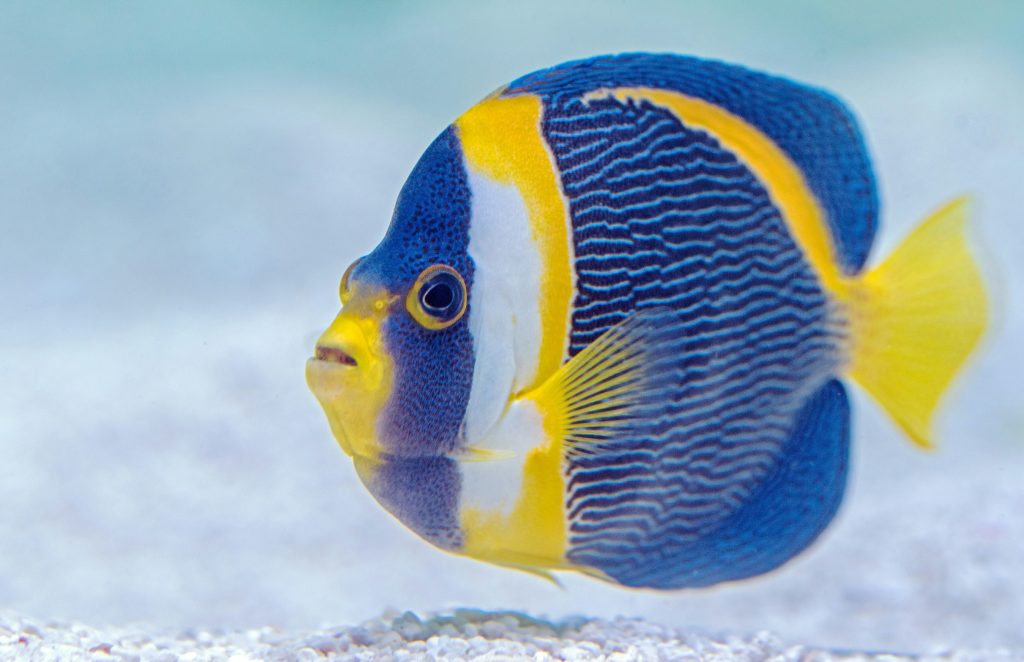
The Scribbled Angelfish is a striking large angelfish from Australia. It is beautiful, hardy, and full of personality. It also needs careful planning. This fish grows large, claims territory, and may nip corals. Most reef keepers succeed with it in spacious, stable systems and with realistic expectations about coral safety.
If you are considering Chaetodontoplus duboulayi, this guide covers the essentials. You will learn tank size, diet, compatibility, reef safety, and common problems. I will also explain how this species behaves in captivity. That matters because many losses happen from poor stocking choices, weak quarantine, or underfeeding. The Scribbled Angelfish can become an amazing show fish. It just needs the right home and a keeper who understands its habits.
Quick Reference Care Table
| Common Name | Scribbled Angelfish |
| Scientific Name | Chaetodontoplus duboulayi |
| Care Level | Moderate |
| Temperament | Semi-aggressive |
| Adult Size | Up to 10 inches |
| Minimum Tank Size | 180 gallons |
| Diet | Omnivore with sponge and algae needs |
| Reef Safe | With caution |
| Temperature | 74–78°F |
| Salinity | 1.025–1.026 |
| pH | 8.1–8.4 |
| Best For | Large fish-only or mixed reef systems |
What Is a Scribbled Angelfish?
The Scribbled Angelfish is one of the most elegant marine angelfish in the hobby. Adults show a pale body covered in dark, maze-like lines. That pattern gives the fish its common name. Males often develop stronger facial markings and brighter yellow around the tail and fins. Juveniles look different. They usually show darker bodies with lighter striping. This change can surprise new keepers.
This species belongs to the genus Chaetodontoplus. These angels are often less commonly seen than emperor or blueface angels. That rarity makes them appealing to collectors. In the aquarium, they are bold and observant. Many learn feeding routines quickly. They often become a centerpiece fish. Still, they are not a casual purchase. Their adult size, territorial behavior, and coral-nipping risk mean they fit best in mature, roomy aquariums with stable water quality.
Natural Habitat
Scribbled Angelfish come from eastern Australia. They are found along coastal reefs and rocky reef slopes. Many occur in deeper or cooler reef zones than some tropical angelfish. In nature, they cruise around caves, ledges, and sponge-rich rockwork. They pick at encrusting organisms all day. That includes sponges, tunicates, algae, and small benthic foods.
This habitat explains several aquarium needs. First, they want structure. Open water alone is not enough. They need rockwork with arches, overhangs, and retreat spaces. Second, they like frequent grazing opportunities. A bare tank with sparse feeding often leads to stress. Third, they prefer stable conditions. Wild reef slopes do not swing wildly in salinity or temperature. If you copy their natural environment, they settle faster and feed more confidently. This is one reason mature tanks usually outperform newer systems for large angelfish.
Aquarium Setup
A 180-gallon tank is the practical minimum for an adult Scribbled Angelfish. Larger is better. A 220-gallon tank gives you better swimming room and more aquascaping options. This fish is active, thick-bodied, and territorial. Tight quarters raise stress and aggression. Long tanks are ideal. They provide straight swimming lanes and better line-of-sight breaks.
Build the aquascape with sturdy live rock. Create caves, shaded pockets, and several escape routes. Leave open areas in the front and center for cruising. Avoid unstable rock stacks. Large angels can bump decor during feeding or territorial displays. Strong filtration is important. These fish eat heavily and produce waste. Use an efficient protein skimmer, strong biological filtration, and regular maintenance. A mature tank with some natural film algae can help. For more system planning, see reef tank setup, live rock for reef tanks, and protein skimmer guide.
Lighting Requirements
Scribbled Angelfish do not need specialized lighting for their own health. They adapt well to normal marine lighting. In fish-only systems, moderate lighting works well. In reef tanks, lighting should be chosen for the corals, not the fish. The angelfish will usually adjust as long as there are shaded areas.
That last point matters. Bright reef lights can make a new angel feel exposed. Include caves and overhangs so it can retreat. If the fish arrives shy, reduce intensity for a few days or shorten the photoperiod. This often helps with acclimation. Sudden jumps in light can increase hiding and suppress feeding. If you keep this species in a mixed reef, focus on balanced placement. Corals can occupy the upper rockwork. The angel can use lower ledges and shadows. Stable day and night cycles also help reduce pacing and stress.
Water Flow
Moderate to strong flow works best. The goal is varied movement, not a constant blast. In the wild, these fish patrol reef slopes with good water motion. In captivity, they benefit from strong oxygenation and clean surfaces. Good flow also helps export waste from heavy feeding.
Use broad, alternating flow patterns if possible. Avoid aiming a narrow powerhead directly at the fish’s favorite resting cave. That can make it avoid secure areas. Good circulation around the rockwork helps prevent detritus buildup. This matters in large angelfish tanks because uneaten food can collect in dead zones. If the Scribbled Angelfish breathes fast or avoids certain areas, check flow and oxygen levels. Surface agitation should be strong. This is especially important in warmer months or in tanks with heavy bioloads.
Feeding
Feeding is where many keepers either succeed or fail. Scribbled Angelfish need variety. They are omnivores, but they do best with foods that include marine sponge material. Offer angelfish formulas, frozen mysis, chopped clam, brine enriched with vitamins, nori, and quality pellets. Feed two to three times daily. Smaller, frequent meals are better than one heavy feeding.
New imports can be hesitant at first. Start with frozen foods that move in the water. Mysis and finely chopped seafood often trigger feeding. Clip nori to the glass too. Some individuals ignore algae sheets at first, but many learn quickly. Soak foods in vitamins if the fish looks thin or stressed. A healthy Scribbled Angelfish should show a full body and active interest in food. For nutrition basics, visit best food for marine angelfish. Underfed angels are more likely to nip corals. A well-fed fish is never guaranteed reef safe, but hunger definitely worsens the risk.
Compatibility
This species is semi-aggressive. It usually does well with other robust fish in large systems. Good tank mates include tangs, rabbitfish, larger wrasses, and peaceful triggers in appropriate tanks. Avoid tiny, timid fish if the angel is already established. Also avoid mixing with multiple large angelfish unless the tank is very large and the aquascape is complex.
Reef compatibility is the bigger question. Scribbled Angelfish are reef safe with caution. Some ignore most corals. Others nip fleshy LPS, zoanthids, clam mantles, and soft corals. Individual behavior varies. SPS systems sometimes fare better than mixed reefs with many fleshy corals, but there are no promises. Introduce the angel last if possible. That can reduce territorial pressure on peaceful tank mates. If you want to compare stocking approaches, read reef fish compatibility guide. Always have a backup plan. If the fish becomes a coral eater, catching it in a reef tank can be difficult.
Step-by-Step Acclimation Guide
Start with quarantine. This is the safest path for large angelfish. Use a spacious bare-bottom tank with hiding pieces of PVC. Match temperature and salinity carefully. Observe the fish before rushing treatment. Many angels arrive stressed from shipping and need calm conditions first.
- Float the bag to equalize temperature.
- Transfer the fish to a bucket for drip acclimation.
- Acclimate slowly for 30 to 45 minutes.
- Move the fish without adding store water to the tank.
- Keep lights dim for the first day.
- Offer food within 12 to 24 hours.
- Watch breathing, body condition, and waste output.
- Quarantine for observation and disease prevention.
Once the fish is eating well, move it to the display. Rearranging a little rockwork can help reduce territorial fights. Add the angel when other fish are calm and well fed. Use an acclimation box if needed. This is especially useful in aggressive communities.
Propagation and Breeding
Home breeding of Scribbled Angelfish is extremely rare. Most specimens in the hobby are wild collected. Like many marine angelfish, they are pelagic spawners. Pairs release eggs into the water column. The larvae are delicate and require specialized rearing systems. That is far beyond normal home aquarium methods.
Sexing can also be difficult. Mature males may show stronger markings, but this is not a reliable beginner method. In public aquariums or advanced facilities, pairing behavior may be observed in very large systems. For the average hobbyist, propagation is not a realistic goal. Focus instead on long-term care, nutrition, and disease prevention. A healthy adult can live for many years and become a true display fish.
Common Problems
Why is my Scribbled Angelfish not eating?
Shipping stress is the most common cause. New angels often hide and refuse food for several days. Poor acclimation, bright lighting, bullying, or low oxygen can make this worse. Start with dim light and a quiet environment. Offer frozen mysis, clam, and angelfish formulas with sponge. Check ammonia in quarantine. Watch breathing rate. If the fish still refuses food after several days, look for parasites or internal issues.
Why is it nipping my corals?
Some individuals simply develop a taste for coral tissue. Hunger also increases nipping. Feed more often and improve diet variety first. Observe which corals are targeted. Fleshy LPS and clam mantles are common victims. If damage continues, the fish may need relocation. There is no guaranteed training method once a large angel becomes a persistent picker.
Why is the fish pacing the glass?
Pacing usually points to stress. Common causes include a tank that is too small, aggression from tank mates, reflections, or poor aquascape design. Add visual breaks and secure hiding zones. Check water quality and oxygen. Large angelfish need room to cruise. Constant pacing in a cramped tank rarely improves on its own.
What diseases affect Scribbled Angelfish?
Marine ich, velvet, bacterial infections, and flukes are the main concerns. Large angels can look fine at purchase but crash later from parasites. Quarantine is your best protection. Watch for flashing, cloudy eyes, rapid breathing, or excess mucus. Stable water and strong nutrition improve recovery odds, but prevention is much easier than treatment in a display reef.
Frequently Asked Questions
Is the Scribbled Angelfish reef safe?
It is reef safe with caution. Some behave well. Others nip corals and clams.
How big does a Scribbled Angelfish get?
Most adults reach around 10 inches. They need a large aquarium to thrive.
What is the minimum tank size?
A 180-gallon tank is the minimum for long-term care. Bigger systems are better.
What should I feed a Scribbled Angelfish?
Offer sponge-based angelfish foods, mysis, chopped seafood, algae, and quality pellets.
Can I keep two Scribbled Angelfish together?
Usually not in average home aquariums. Pairing attempts need very large systems and experience.
Final Thoughts
The Scribbled Angelfish is a rewarding species for the right keeper. It is bold, graceful, and unforgettable in a large display. Still, it is not ideal for every reef tank. Success depends on space, stable water, strong feeding, and careful compatibility planning. If you can provide those things, Chaetodontoplus duboulayi can become one of the most impressive fish in your aquarium.
Was this helpful?
Related Posts
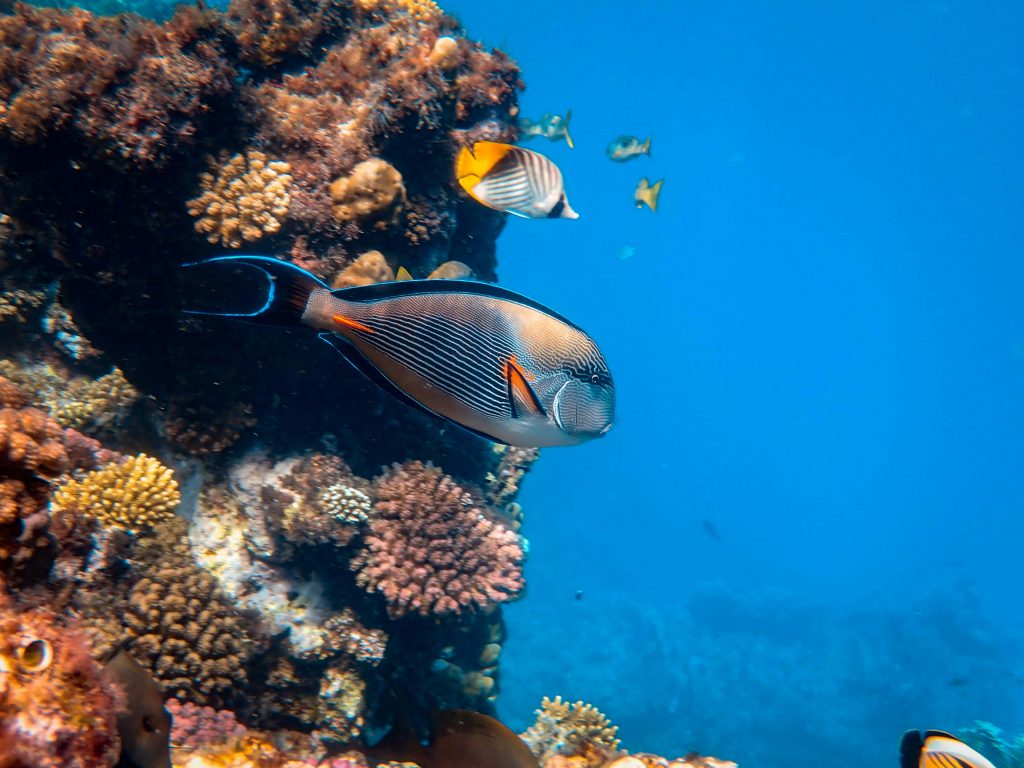
Sohal Tang (Acanthurus Sohal)
Sohal Tang care centers on space, heavy feeding, and aggression control. Learn tank size, diet, compatibility, and common…
 By
By
Reef Safe Fish Guide
Learn which reef safe fish work best in coral tanks, plus species to avoid, compatibility tips, and beginner-friendly…
[favorite_button]
My Bookmarks:
To see full list click here
[user_favorites user_id="" include_links="true" site_id="" post_types="" include_thumbnails="true" thumbnail_size="thumbnail" include_excerpt="false"]