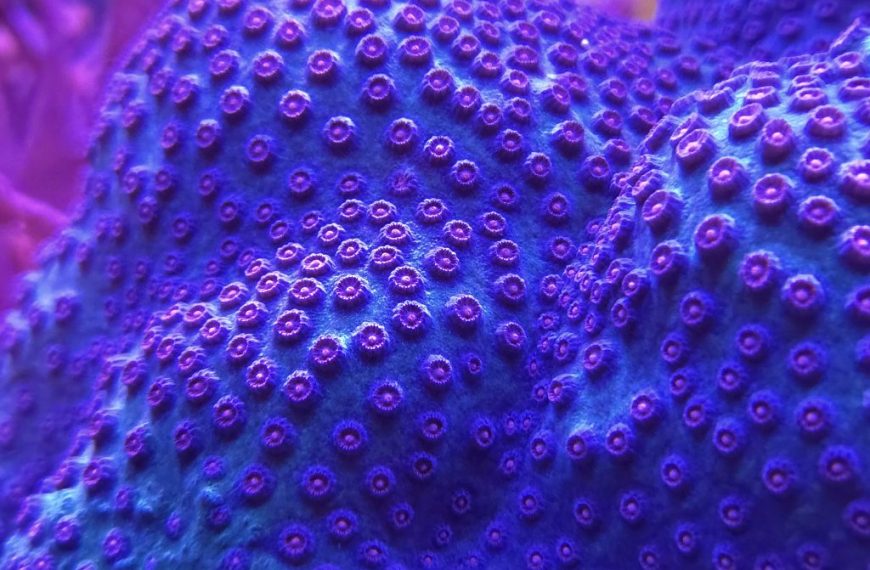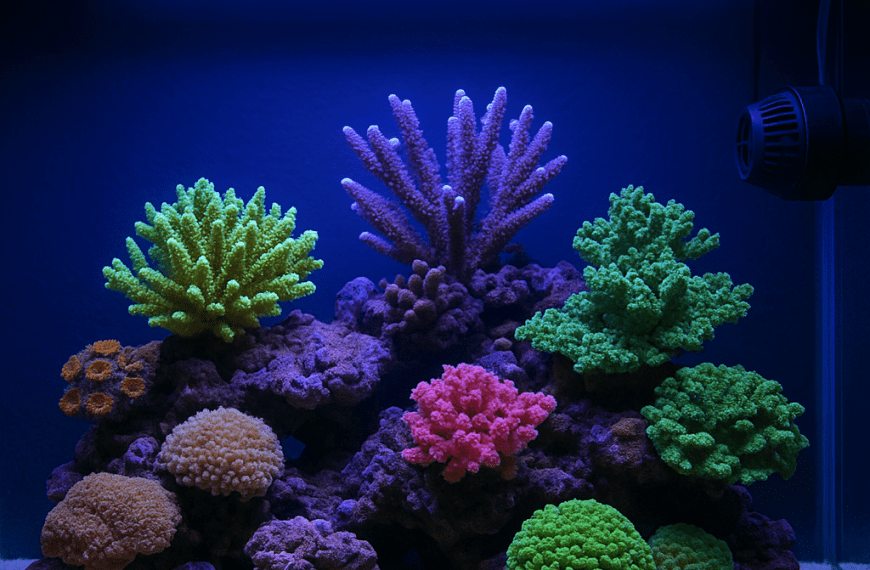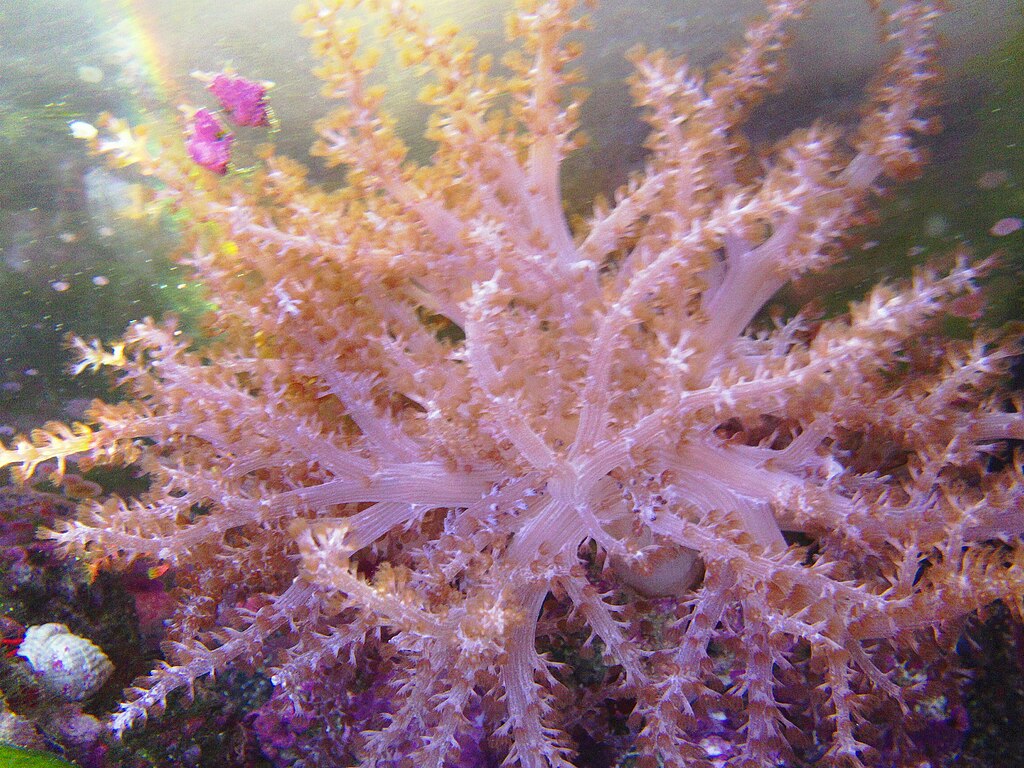
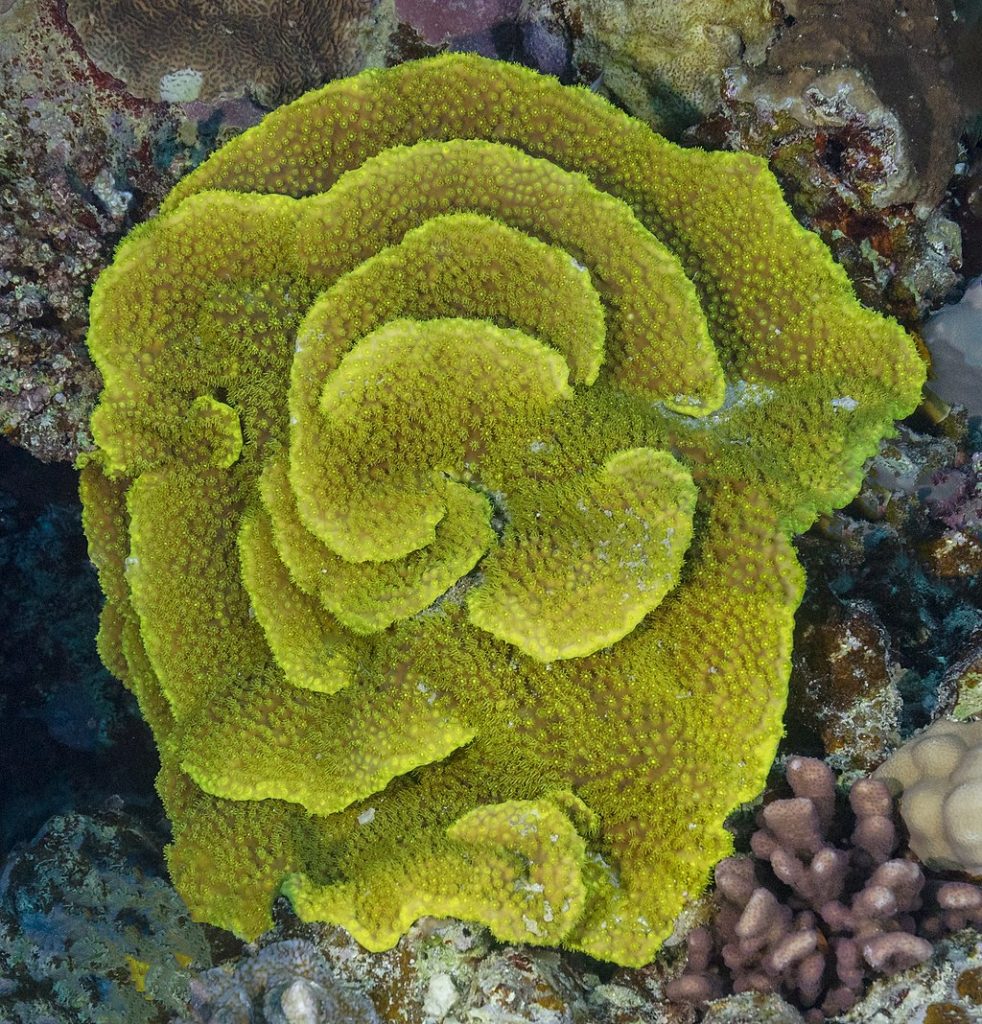
Scroll corals are hardy LPS with bold, plated growth. They reward steady care with fast encrusting and strong color. This guide covers placement, light, flow, feeding, and troubleshooting.
Understanding scroll corals and smart placement
“Scroll coral” usually means Turbinaria, like Turbinaria reniformis. It grows as cups, plates, and spirals. Many frags start as flat disks. They later form ridges and curled edges.
Plan for growth from day one. A 2-inch frag can become a 10-inch plate. Leave 3 to 6 inches of clearance. Keep space for its sweepers and shading.
Mount it on stable rock, not loose rubble. Use thick gel superglue or epoxy putty. Aim the growth edge outward for easier future trimming. Place it where you can access it with cutters.
Give it room away from aggressive neighbors. Avoid torch corals and galaxea nearby. Also, avoid direct contact with fast-encrusting montis. If you need help planning, see our reef aquarium coral placement guide.
- Start mid-level on rock, then adjust after two weeks.
- Leave 3–6 inches from other corals to prevent stings.
- Place where detritus will not settle on the plate.
Lighting, flow, and stable water parameters
Scroll corals prefer moderate light in most tanks. Target 100 to 200 PAR for steady growth. Some pieces tolerate 250 PAR after acclimation. Increase light by 10% per week to avoid bleaching.
Use moderate, indirect flow across the surface. You want the tissue to gently ripple. Too little flow traps detritus and fuels algae. Too much flow can peel tissue at the edge.
Keep parameters stable and boring. Aim for salinity 1.025 to 1.026. Keep the temperature 77 to 79°F. Maintain alkalinity 8 to 9 dKH, calcium 420 to 450 ppm, and magnesium 1300 to 1400 ppm.
Nutrients should not hit zero. Target nitrate 5 to 15 ppm and phosphate 0.03 to 0.10 ppm. Ultra-low nutrients can pale the coral. High phosphate can slow skeletal growth. For stability tips, see our reef tank water parameters checklist.
- Acclimate new frags to light for 10–14 days.
- Blow off the plate weekly with a turkey baster.
- Test alkalinity twice weekly in growing systems.
Feeding, maintenance, and common problems
Scroll corals can live on light and dissolved nutrients. They still benefit from occasional feeding. Feed 1 to 2 times per week for faster growth. Use small foods like reef roids, fine pellets, or minced mysis.
Feed after lights dim for the best polyp response. Turn off return pumps for 10 minutes. Keep powerheads on low to prevent settling. Target feed lightly with a pipette near the polyps.
Watch for detritus and algae on the upper surface. This is the top cause of recession. Increase flow or adjust angle if debris collects. A soft toothbrush can remove film algae on bare skeleton edges.
Common mistakes include sudden alkalinity swings and harsh direct flow. Bleaching often follows rapid light increases. Brown jelly is rare but possible after damage. If tissue sloughs, frag healthy edges and improve flow.
- Recession at the rim: check alkalinity stability and reduce direct blast.
- Pale color: raise nitrate to 5–10 ppm and lower PAR by 20%.
- Algae on plate: increase flow and baste twice weekly.
Quarantine helps prevent pests like flatworms and nudibranchs. Dip new frags for 5 to 10 minutes using a coral dip. Inspect the underside and creases. For a full process, read our coral dip and quarantine guide.
With moderate light, steady alkalinity, and clean surfaces, scroll corals thrive. Give them space to plate out and avoid shading neighbors. Small weekly habits prevent most issues and keep growth consistent.
Sources: Borneman, E. (2001) Aquarium Corals; Sprung, J. (2005) The Reef Aquarium Vol. 3; Veron, J.E.N. (2000) Corals of the World.
Was this helpful?
Related Posts
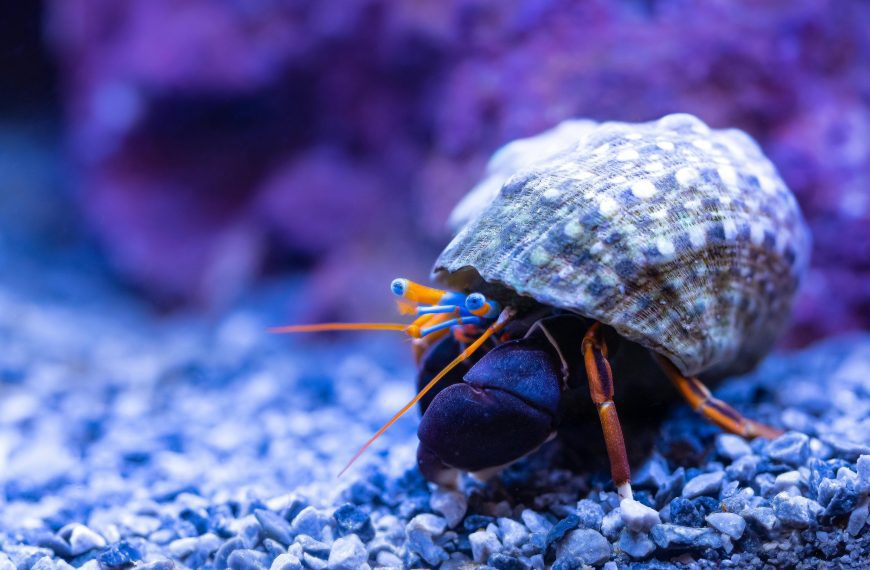
Best Reef Safe Cleanup Crew
The best reef safe cleanup crew includes hardy snails, selective scavengers, and a few specialty invertebrates matched to…
 By
By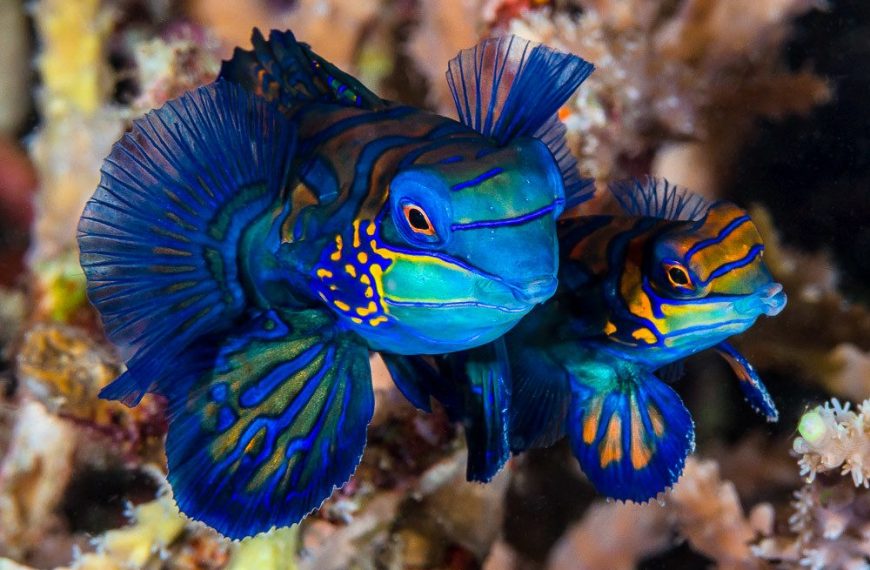
Dragonets Fish Care
Dragonets are beautiful reef fish, but they need mature tanks and steady food sources. Learn how to keep…