

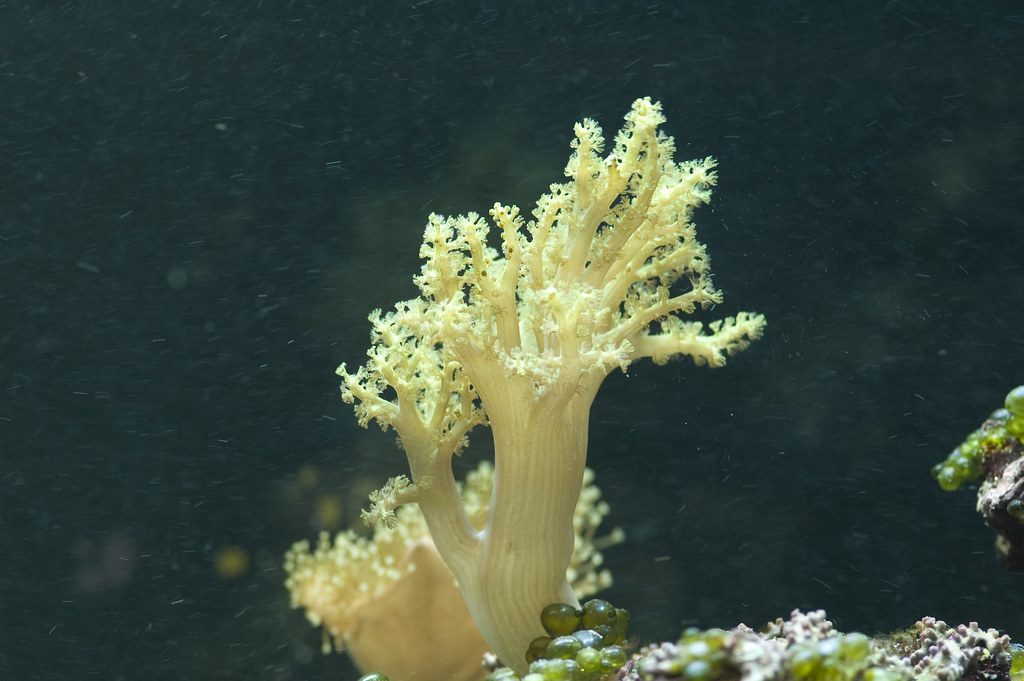
Sinularia leather corals are hardy, fast-growing soft corals that suit many beginner and intermediate reef tanks. They tolerate small mistakes better than many stony corals. They still need stable salinity, moderate light, and steady flow. When those basics stay consistent, Sinularia usually opens well, grows quickly, and becomes an easy centerpiece coral.
In this guide, you will learn how to care for Sinularia leathers in a reef aquarium. We will cover placement, lighting, water flow, feeding, compatibility, fragging, and common problems. You will also learn why these corals sometimes close up, shed a waxy film, or irritate nearby corals. If you want a forgiving coral with strong movement and natural reef texture, Sinularia is a great choice.
Quick Reference Table
| Common Name | Sinularia Leather Coral |
| Scientific Genus | Sinularia spp. |
| Care Level | Easy to moderate |
| Temperament | Semi-aggressive |
| Lighting | Moderate to moderately high |
| Water Flow | Moderate to strong, indirect |
| Placement | Middle to upper rockwork, with space |
| Diet | Mainly photosynthetic, benefits from dissolved nutrients |
| Growth Rate | Moderate to fast |
| Ideal Temperature | 76–79°F |
| Salinity | 1.025–1.026 specific gravity |
| pH | 8.1–8.4 |
| Alkalinity | 8–10 dKH |
| Nitrate | 2–15 ppm |
| Phosphate | 0.03–0.10 ppm |
Use this table as a starting point. Every reef tank differs slightly. The best results come from stable conditions, not constant adjustment.
What Is a Sinularia Leather Coral?
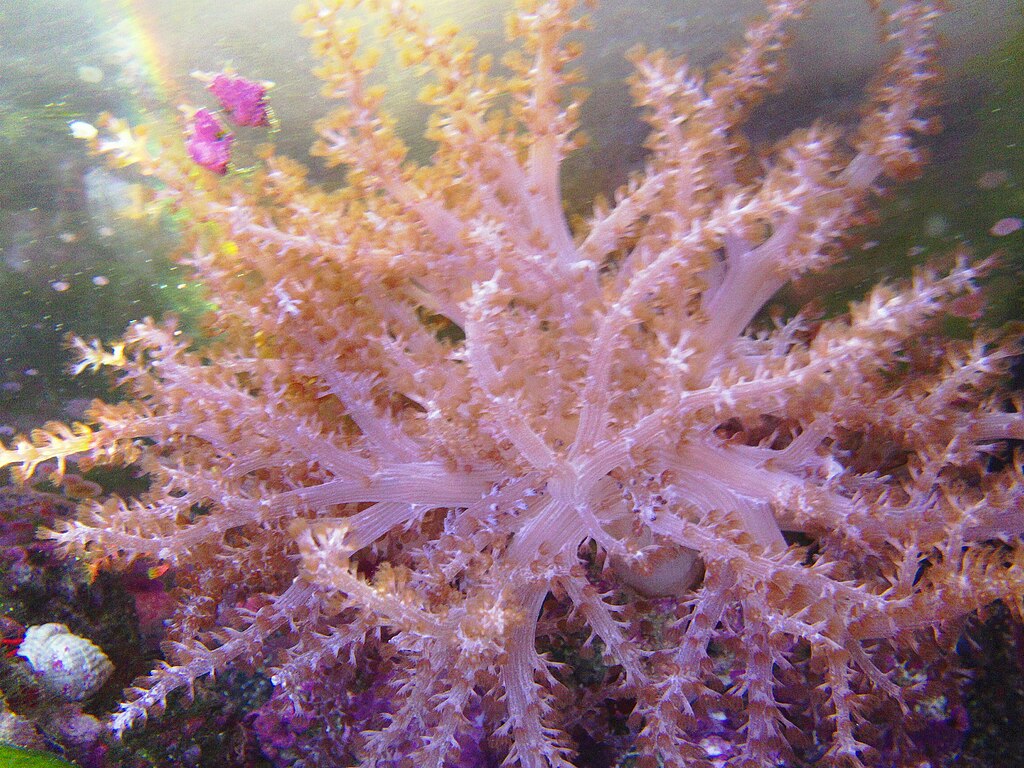
Sinularia is a genus of soft corals in the leather coral group. These corals form branches, lobes, or finger-like structures. Their shape depends on the species and growing conditions. Some stay compact and bushy. Others grow into broad, tree-like colonies.
Many reef keepers choose Sinularia for movement and texture. The polyps give the colony a fuzzy look when fully extended. This creates a natural, flowing appearance in the tank. Sinularia also adapts well to mixed reefs when placed carefully.
These corals contain zooxanthellae. That means they get much of their energy from light. They also benefit from a reef tank with some available nutrients. Ultra-clean systems can cause weak extension and slow growth. Like other leather corals, Sinularia can release chemical compounds into the water. Good carbon use and spacing help reduce those issues.
Natural Habitat
Sinularia species occur across the Indo-Pacific. They are found on shallow reefs, reef slopes, and lagoon areas. Many grow in places with strong water movement and bright tropical light. In nature, they attach to hard surfaces and sway with changing currents.
These habitats often have nutrient input from surrounding reef life. Water is clean, but not sterile. That matters in captivity. Sinularia usually does best in mature reef tanks with stable chemistry and some dissolved nutrients. They often struggle more in brand-new systems than hobbyists expect.
Wild colonies also experience changing flow from waves and tides. This helps them shed mucus and detritus. In aquariums, stagnant flow often leads to poor extension. It can also encourage the coral to remain closed longer after shedding. Replicating moderate, varied current is one of the keys to success.
Aquarium Setup
Sinularia can live in tanks as small as 20 gallons, but larger aquariums are easier. A 40-gallon breeder or bigger gives better stability. Larger systems also dilute chemical warfare from soft corals. That becomes important in mixed reefs.
Place Sinularia on stable rockwork with room to expand. Do not wedge it into a cramped gap. The colony needs space around its branches. It also needs room away from sensitive SPS and LPS corals. Leather corals can irritate neighbors through direct contact and chemical release.
Use a good protein skimmer if possible. Run activated carbon and replace it regularly. This helps keep the water clearer and reduces allelopathy. Strong biological filtration also helps. Sinularia appreciates a mature tank with stable nutrient processing. Avoid making major changes all at once. These corals handle consistency better than frequent correction.
If you are building a mixed reef, read our guides on reef tank parameters, soft coral care guide, and how to aquascape a reef tank.
Lighting Requirements
Sinularia usually prefers moderate to moderately high light. In many tanks, that means roughly 80 to 180 PAR. Some hardy specimens adapt outside that range, but sudden changes are risky. Start lower with new frags. Then increase light slowly over one to two weeks.
Under weak lighting, the coral may stretch, lean, or lose density. Growth often becomes thin and uneven. Under excessive light, the tissue can pale or stay retracted. Bleaching is less common than in some SPS corals, but it can happen after abrupt intensity changes.
Most hobbyists keep Sinularia successfully under modern LEDs, T5s, or hybrid fixtures. The exact fixture matters less than stability and proper acclimation. If you move the coral higher in the tank, do it gradually. A light acclimation mode helps. Watch the coral for polyp extension, color retention, and normal posture. Those signs tell you more than a number alone.
Water Flow
Water flow is critical for Sinularia health. Aim for moderate to strong indirect flow. The colony should sway and flex, but not fold over constantly. Strong, direct blasting can damage tissue and prevent full extension.
Good flow helps the coral shed mucus and surface film. Leather corals often produce a waxy coating before reopening. This is normal. Inadequate flow makes that process slower. Debris can collect on the colony and trigger longer closure.
Random flow works better than a fixed stream. Use a wavemaker or alternating pumps if possible. If the coral stays closed for several days, check where detritus settles. That often reveals a dead spot. Slightly increasing indirect current can make a big difference. Just avoid sudden, extreme changes. Sinularia likes movement, but it still needs a stable environment.
Water Chemistry and Stability
Sinularia is forgiving, but stable chemistry still matters. Keep salinity between 1.025 and 1.026. Hold temperature between 76 and 79°F. Maintain pH from 8.1 to 8.4. Alkalinity should stay near 8 to 10 dKH. Calcium and magnesium matter less than with stony corals, but normal reef levels are still best.
Do not chase zero nutrients. Many soft corals look better with measurable nitrate and phosphate. A good target is 2 to 15 ppm nitrate and 0.03 to 0.10 ppm phosphate. If nutrients bottom out, Sinularia may shrink, close up, or lose vigor. If nutrients rise too high, algae can irritate the colony and reduce flow around it.
Sudden salinity swings are a common problem. Top off evaporated water daily with fresh RO/DI water. Match temperature and salinity during water changes. Stability always beats perfection. That rule is especially true with leather corals.
Feeding
Sinularia is mainly photosynthetic. It gets most of its energy from light and symbiotic algae. In many tanks, direct feeding is not necessary. Still, these corals can benefit from a healthy reef environment with suspended organics and dissolved nutrients.
You can occasionally feed fine coral foods, phytoplankton blends, or broadcast foods designed for soft corals. Keep expectations realistic. Feeding will not transform growth overnight. Water quality and placement matter much more. Overfeeding often creates more problems than benefits.
If you feed the tank heavily for fish, Sinularia often does well. Fish waste and available nutrients can support soft coral growth. Just maintain export through skimming, carbon, and water changes. The goal is balance. A lightly fed but stable tank can work. A nutrient-rich but well-managed tank can also work. Extreme nutrient starvation usually does not.
Compatibility
Sinularia is generally reef safe, but it is not passive. Like many leather corals, it can engage in chemical warfare. This matters most in mixed reefs with Acropora, Euphyllia, and other sensitive corals. Give it space. Run activated carbon. Perform regular water changes.
Most reef-safe fish ignore Sinularia. Clownfish may occasionally rub on large colonies, but this usually causes little harm. Avoid known coral nippers such as some angelfish and butterflyfish. Crabs and shrimp are usually not a problem. Snails are safe around it.
If you keep many soft corals together, watch for growth competition. Sinularia can shade nearby corals as it expands. It can also overgrow available rock space faster than beginners expect. Plan for future growth, not just current size. For more stocking ideas, see our articles on best soft corals for beginners and reef safe fish guide.
Propagation and Fragging
When to Frag
Frag Sinularia when the colony is healthy, open, and actively growing. Do not frag a stressed coral. Avoid fragging right after shipping, parameter swings, or a recent shedding cycle. Healthy tissue heals much faster.
How to Frag Sinularia
Use clean scissors, a scalpel, or coral cutters. Cut a branch or lobe from the colony. Make one clean cut. Then place the frag in a low-stress container of tank water. Leather corals release mucus when cut, so rinse the frag before placing it back into the display or frag tank.
How to Attach Frags
Sinularia frags can be tricky to glue directly. Many hobbyists use a rubble cup, mesh, toothpick, or rubber band method. Secure the frag gently to a small rock. Do not crush the tissue. After attachment, provide moderate flow to prevent debris buildup. Most frags attach within one to three weeks.
Common Problems
Why Is My Sinularia Closed?
Short-term closure is normal. Sinularia often closes during acclimation, after handling, or while shedding. If closure lasts more than several days, check flow, salinity, temperature, and recent changes. Low flow and unstable salinity are common causes. Pests are less common than with stony corals, but irritation from detritus can still keep it closed.
Why Is It Shedding a Waxy Film?
This is usually normal behavior. Leather corals periodically shed a surface layer to remove algae, detritus, and biofilm. Increase indirect flow slightly if the film lingers. Do not peel it off by hand. The coral usually reopens once the shed completes.
Why Is My Sinularia Leaning or Drooping?
Leaning often points to light or flow issues. The coral may stretch toward stronger light. It may also bend away from harsh direct current. Reevaluate placement. Make one small change at a time. Large corrections can add more stress.
Why Is Tissue Receding or Melting?
True tissue loss is serious. Check for salinity swings, bacterial decline, prolonged detritus buildup, or damage from direct flow. Remove any decaying tissue if it spreads. Run fresh carbon. Perform a water change. If needed, save healthy sections by fragging them away from the damaged area.
Step-by-Step Placement Guide
First, inspect the coral on arrival. Look for firm tissue and no foul odor. Second, dip only if the seller recommends it and the product is soft-coral safe. Third, place the coral in a low to middle area at first. Fourth, give it moderate indirect flow. Fifth, wait several days before moving it again.
After the coral opens, assess its response. If it stretches upward, increase light gradually. If it stays tightly closed and looks blasted, reduce direct flow. If film builds up, improve random current. Give the coral at least a week between placement changes. Constant moving slows acclimation. Patience is often the difference between a thriving leather and a stressed one.
Frequently Asked Questions
Is Sinularia a good beginner coral?
Yes. Sinularia is one of the better beginner soft corals. It tolerates minor mistakes better than many SPS and LPS corals.
How fast does Sinularia grow?
Growth is usually moderate to fast. In stable tanks with good nutrients, some colonies grow surprisingly quickly.
Does Sinularia need feeding?
Usually not. Most of its energy comes from light. Occasional broadcast feeding may help, but it is not required.
Can Sinularia touch other corals?
No. Give it space. Direct contact and chemical warfare can stress nearby corals, especially sensitive stony species.
How long can Sinularia stay closed?
A day or two can be normal. Longer closure usually means shedding, poor flow, or recent stress. Check conditions before making major changes.
Final Thoughts
Sinularia leathers are excellent reef corals for hobbyists who value movement, resilience, and easy growth. They are not demanding, but they do reward stable conditions. Focus on moderate light, steady indirect flow, and consistent salinity. Give them room to grow and space from delicate neighbors. If you do that, Sinularia can become one of the most reliable and attractive corals in your reef tank.
Was this helpful?
Related Posts
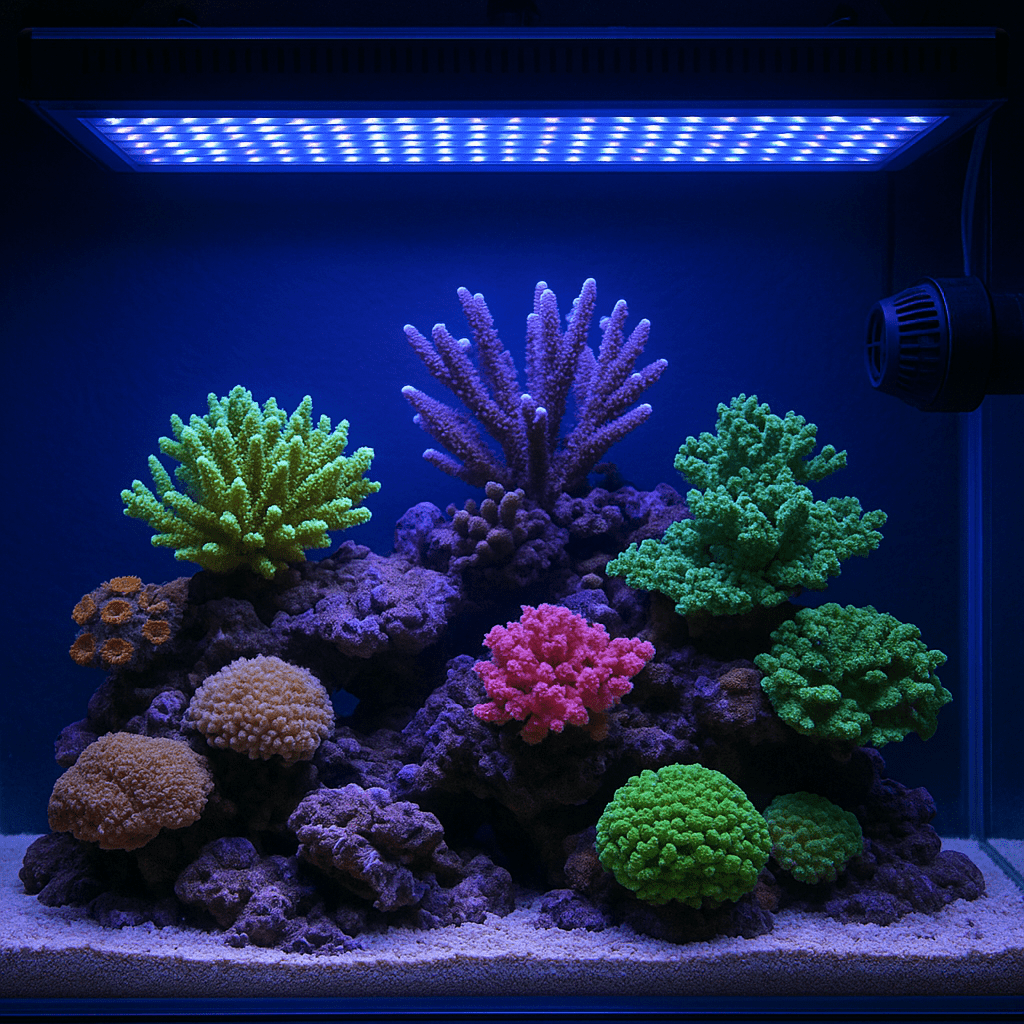
Best Filtration Systems
Best Filtration Systems for a Healthy Saltwater Aquarium Choosing the best filtration system for your saltwater aquarium is…
 By
By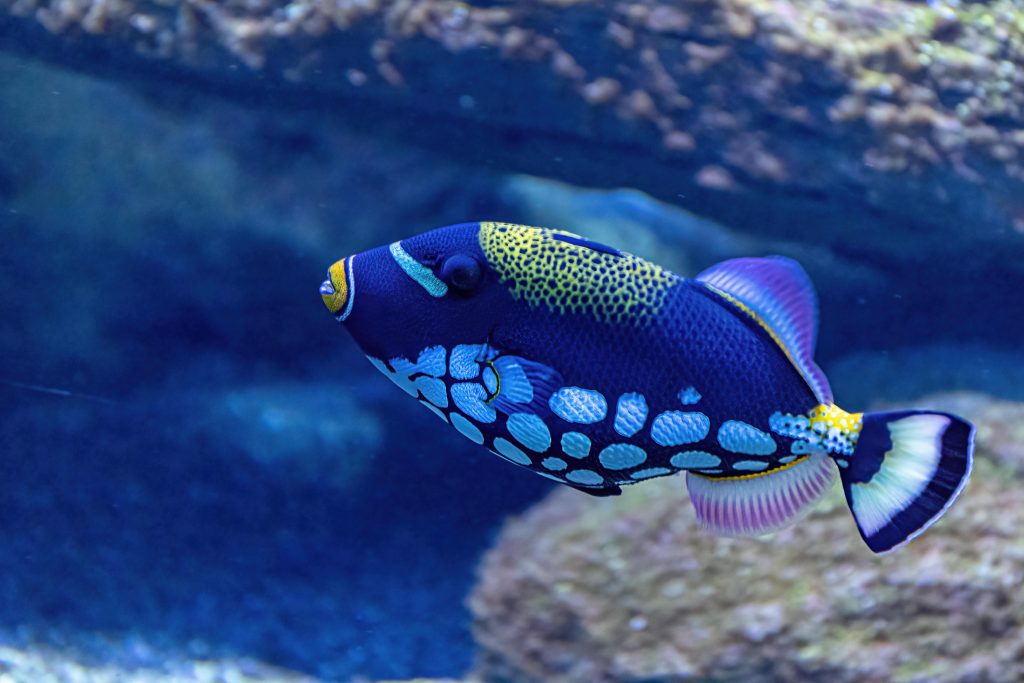
Clown Triggerfish (Balistoides Conspicillum)
Clown triggerfish are stunning but aggressive marine fish that need very large tanks, strong filtration, and careful tankmate…
[favorite_button]
My Bookmarks:
To see full list click here
[user_favorites user_id="" include_links="true" site_id="" post_types="" include_thumbnails="true" thumbnail_size="thumbnail" include_excerpt="false"]