

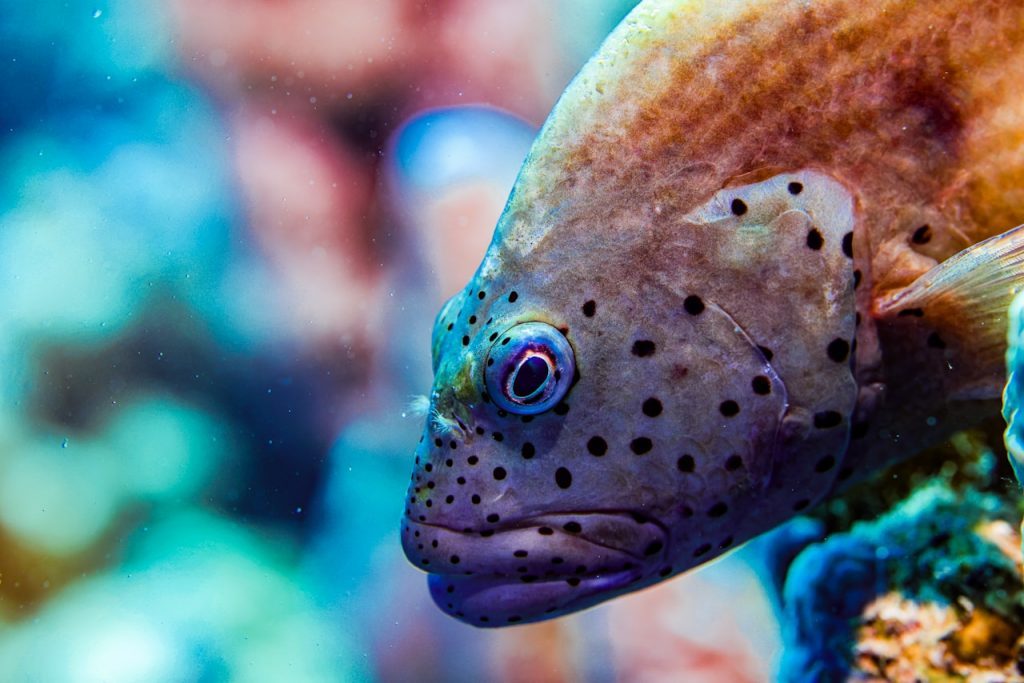
Stocking large marine fish takes planning, restraint, and patience. Big saltwater fish need more than gallons alone. They need swimming room, oxygen, filtration, and compatible tank mates. This guide explains how to choose species wisely, avoid common mistakes, and build a reef-safe or fish-only system that stays stable long term.
Many hobbyists dream of keeping showpiece fish. Tangs, angelfish, triggers, wrasses, groupers, and puffers all have strong appeal. They bring movement, color, and personality to a marine aquarium. They also create heavy waste and social pressure. That is why stocking large marine fish is not just about what fits today. It is about what still works in two or three years. In this article, you will learn how to judge adult size, swimming behavior, aggression level, feeding load, and compatibility. You will also learn how aquascape, filtration, quarantine, and stocking order affect long-term success.
Quick Reference Table for Large Marine Fish Stocking
| Factor | What to Consider | Why It Matters |
|---|---|---|
| Adult size | Research full adult length | Juveniles outgrow tanks fast |
| Swimming style | Open-water cruisers need long tanks | Reduces stress and pacing |
| Bioload | Large fish eat heavily and produce waste | Impacts nitrate and oxygen |
| Temperament | Match aggression levels carefully | Prevents bullying and injury |
| Reef safety | Some species nip corals or eat inverts | Protects reef livestock |
| Stocking order | Add peaceful fish before dominant fish | Helps reduce territorial fights |
| Filtration | Use oversized skimming and export | Keeps water quality stable |
| Quarantine | Observe and treat before display | Prevents disease outbreaks |
Use this table as a fast checklist before every purchase. It will save money, stress, and livestock losses.
What Counts as a Large Marine Fish?
In saltwater aquariums, a large fish is usually any species that reaches eight inches or more. Some species also count as large because of body mass or activity level. A naso tang, for example, needs major swimming room. A puffer may need less speed space, but still creates a huge feeding load. This is why length alone can mislead buyers. You must consider body shape, growth rate, and behavior. A thick-bodied angel can strain a system as much as a longer but slimmer fish. Many fish sold at two to three inches will later need tanks over 180 gallons. Always research the adult profile, not the store size. This one habit prevents many stocking mistakes. It also helps you avoid rehoming fish later. Rehoming sounds easy online. In practice, it is often difficult and stressful for both fish and keeper.
Natural Habitat and Why It Matters
Large marine fish come from reefs, lagoons, surge zones, and open coastal waters. Their natural habitat shapes their needs in captivity. Tangs and unicornfish often patrol long distances while grazing algae. Large angelfish weave through rockwork and pick at sponges and surfaces. Triggerfish may patrol territories and investigate every object in the tank. Wrasses can be constant cruisers that need room and secure covers. Understanding natural behavior helps you build a better aquarium. Fish that roam wide reef slopes need long tanks. Fish that browse rock faces need mature rockwork with surfaces to inspect. Predatory species may need caves and dim retreat zones. Habitat knowledge also improves compatibility decisions. Species from similar feeding niches may compete hard in small tanks. Species with different niches often coexist more smoothly. When hobbyists ignore habitat, fish may pace, hide constantly, become aggressive, or stop eating.
Aquarium Setup for Large Marine Fish
Tank size is the first filter for species choice. Long tanks usually work better than tall tanks. Most large fish value horizontal swimming space. A six-foot tank is often the practical starting point for many larger species. Some fish need eight feet or more. Aquascaping matters just as much. Avoid filling the tank wall to wall with rock. Leave open lanes for cruising. Build stable islands, arches, and caves instead. This gives fish shelter without blocking movement. Use epoxy or rods if needed. Large fish can topple loose rock. Strong lids are also important. Big wrasses and startled tangs can jump. For fish-only systems, leave more open water. For reef systems, balance coral placement with swimming room. Large fish also need strong gas exchange. Use surface agitation and reliable return flow. Keep heaters guarded and equipment protected. Curious triggers and puffers may bite exposed gear. Good setup design reduces stress before the first fish even enters.
Filtration, Oxygen, and Water Quality
Large marine fish create a lot of waste. Heavy feeding adds even more. That means filtration must be oversized from day one. A quality protein skimmer is one of the best investments for these systems. Mechanical filtration helps trap solids before they break down. Filter socks, roller mats, and regular detritus removal all help. Biological filtration must also be mature and stable. Live rock, biomedia, and good flow support nitrifying bacteria. Nitrate and phosphate will still rise in heavily stocked tanks. Water changes, macroalgae refugiums, and smart feeding control them. Oxygen is often overlooked. Big active fish consume a lot of it, especially at night. Strong surface movement and efficient skimming improve gas exchange. Test for ammonia and nitrite in newer systems. Monitor nitrate and phosphate long term. Stable salinity and temperature matter too. Large fish tolerate less chaos than many beginners expect. Clean water does not just prevent disease. It also reduces aggression and improves feeding response.
How to Choose Species That Actually Fit
Start with your tank size and your end goal. Do you want a reef tank, a fish-only display, or a predator setup? That answer removes many poor choices immediately. In reef tanks, many large angels, triggers, and puffers are risky. In fish-only tanks, you have more flexibility. Next, look at adult size and temperament. A peaceful large fish can still fail in a tank that is too small. An aggressive fish can dominate even a large display. Build a list of species that fit the tank at adult size. Then compare diet, swimming style, and reef safety. Avoid impulse purchases based on juvenile colors alone. Many fish become less compatible as they mature. Also avoid buying several fish that occupy the same role. Multiple large grazers or multiple dominant angels may clash. Good stocking is about balance. Variety in body shape, feeding strategy, and temperament usually works better than collecting similar fish.
Step-by-Step Plan for Stocking Large Marine Fish
- Decide the final purpose of the tank. Reef, fish-only, or predator makes a huge difference.
- Research full adult size for every fish. Ignore the current store size.
- Measure swimming length, not just volume. A 180-gallon tank can still be wrong for some fish.
- Build a realistic stock list with aggression levels noted.
- Install oversized filtration and strong surface agitation before adding fish.
- Quarantine every new fish. Observe feeding, parasites, and behavior.
- Add peaceful species first. Add territorial species later.
- Introduce one large fish at a time when possible. This limits social chaos.
- Feed enough for health, but not enough to overwhelm filtration.
- Reassess growth every few months. Make changes before fish become cramped.
This step-by-step approach is simple, but it works. Most stocking failures happen when hobbyists skip the planning stage.
Lighting Requirements
Large marine fish do not usually have strict lighting needs like corals do. Still, lighting affects stress and behavior. Fish-only systems can use moderate lighting with shaded areas. Very bright light in bare or open tanks can make some fish nervous. Angelfish and shy species often appreciate caves and dim zones. Reef tanks with large fish must balance coral needs with fish comfort. Use aquascape to create both bright and shaded regions. A normal day-night cycle is important. Sudden light changes can startle larger fish and trigger collisions. Ramp-up and ramp-down schedules help. If you keep jump-prone species, avoid abrupt lighting transitions. Moonlights should remain subtle. Constant bright nighttime lighting can disrupt rest. Good lighting design will not solve bad stocking, but it can reduce stress. Less stress usually means better feeding, stronger immunity, and fewer territorial outbursts.
Water Flow for Big Fish Systems
Large fish need strong circulation, but not random chaos everywhere. The goal is clean water, high oxygen, and areas of choice. Open-water swimmers often enjoy moderate to strong flow lanes. Thick-bodied fish may prefer calmer pockets near rockwork. In reef tanks, flow must also suit corals. Use multiple pumps to avoid dead spots behind rock. Detritus buildup becomes a major issue in heavily fed systems. Good flow keeps waste suspended so filtration can remove it. Avoid blasting fish with a narrow stream all day. Broad, alternating flow is usually better. Watch fish behavior after any pump change. If fish hide constantly or struggle to rest, adjust placement. Surface agitation is especially valuable. It boosts gas exchange and supports oxygen levels. This matters most in warm tanks and heavily stocked displays. Strong flow is not only about coral health. It is central to fish health in large marine systems too.
Feeding Large Marine Fish
Feeding must match the species. Tangs need frequent plant-based foods. Angels often need mixed diets with sponge-based preparations. Predators need meaty foods, but not endless fatty treats. Variety is key. Use pellets, frozen foods, algae sheets, and species-specific blends. Feed smaller portions more than once daily when possible. This supports health and reduces waste spikes. Do not rely on one food type. Nutritional gaps can lead to poor color, lateral line erosion, and weak immunity. Remove uneaten food quickly. Large fish can beg constantly, but overeating harms water quality fast. Use feeding clips for herbivores. Spread food around if dominant fish bully others during meals. Observe every fish while feeding. Appetite changes are often the first sign of disease or social stress. A fish that stops eating should never be ignored. In large marine systems, feeding is both nutrition and a daily health check.
Compatibility With Fish, Corals, and Invertebrates
Compatibility is where many stocking plans fail. Large fish often become bolder with age. A juvenile that seems peaceful may later claim half the tank. Tangs may fight other tangs with similar body shape. Large angels may chase new additions and nip some corals. Triggers vary widely. Some are manageable. Others will harass tank mates and eat invertebrates. Puffers often damage snails, crabs, and ornamental shrimp. Groupers may swallow smaller fish. In reef tanks, always verify coral and invert safety before buying. Even so-called reef-safe fish can sample fleshy corals or clams. Add fish in an order that limits territorial advantage. Use acclimation boxes if needed. Rearranging a small part of the aquascape can also reduce aggression during introductions. Never assume a big tank solves all compatibility issues. Space helps, but behavior still matters. Matching temperament is just as important as matching size.
Common Problems
Why is my large fish pacing the glass?
Glass surfing usually points to stress. The tank may be too small. The fish may lack swimming lanes. Aggressive tank mates can also trigger pacing. Check reflections on the glass, especially near the ends. Improve aquascape flow and reduce social pressure. If the species is a constant cruiser, the tank may simply be undersized.
Why are nitrate levels always high?
Large fish and heavy feeding drive nitrate upward. Overfeeding, trapped detritus, weak skimming, and low export are common causes. Clean mechanical filters often. Siphon waste from bare areas and sump zones. Increase water changes if needed. Add export methods only after fixing the root cause.
Why did aggression suddenly increase?
Growth and maturity often change behavior. Fish that tolerated each other as juveniles may not do so later. New additions can also upset the hierarchy. Feed well, provide visual breaks, and consider an acclimation box. In severe cases, one fish may need removal.
Why is my fish not eating after introduction?
Stress, disease, bullying, and poor acclimation are the main reasons. Offer familiar foods and reduce disturbances. Check for spots, heavy breathing, or hiding. Review quarantine practices. Appetite loss in large fish should be addressed quickly.
Frequently Asked Questions
How many large marine fish can I keep in one tank?
There is no fixed number. Adult size, body mass, temperament, and filtration matter more than simple fish count. A lightly stocked 180 can outperform an overcrowded 300.
Can I keep large fish in a reef tank?
Yes, but species choice is critical. Many tangs and some wrasses work well. Large angels, puffers, and many triggers can threaten corals or invertebrates.
Should I buy juvenile fish and upgrade later?
Only if the upgrade is certain and already planned. Many promised upgrades never happen. Buy fish for the tank you have, not the tank you hope to own.
Do large marine fish need quarantine?
Absolutely. Large fish are expensive and often stressed from shipping. Quarantine protects the display and gives the fish time to recover and feed well.
What is the biggest stocking mistake beginners make?
Buying for appearance instead of adult needs. The second biggest mistake is adding too many dominant fish too fast.
Final Tips for Long-Term Success
The best large marine fish tanks look effortless because the planning happened early. Choose fewer fish, but choose them well. Leave room for growth. Oversize filtration. Feed with purpose. Watch behavior daily. If a fish seems cramped at six inches, do not wait until it reaches ten. Adjust the plan early. Long-term success comes from honest stocking decisions, not wishful thinking. If you want to build a stronger foundation, read our guides on marine fish quarantine, reef tank compatibility guide, protein skimmer setup, and saltwater tank size guide. Those articles pair well with this topic and help you avoid common setbacks.
Was this helpful?
Related Posts
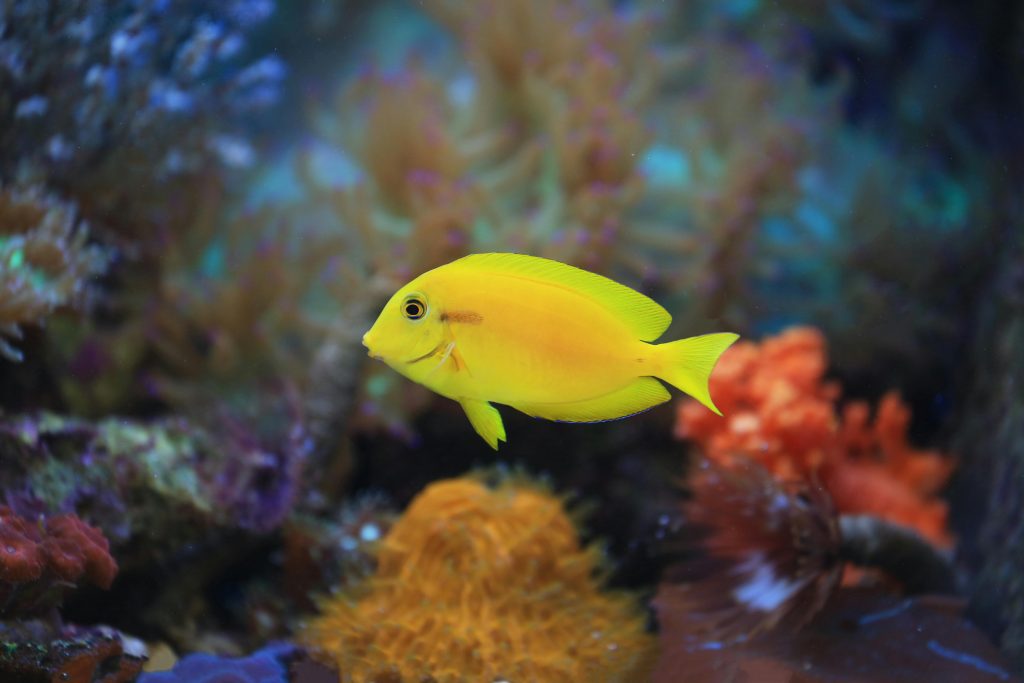
Juvenile Orange Shoulder (acanthurus Olivaceus)
Juvenile orange shoulder tangs are bright, hardy, and reef safe, but they grow large and need a spacious…
 By
By
Best Filtration Systems
Best Filtration Systems for a Healthy Saltwater Aquarium Choosing the best filtration system for your saltwater aquarium is…
[favorite_button]
My Bookmarks:
To see full list click here
[user_favorites user_id="" include_links="true" site_id="" post_types="" include_thumbnails="true" thumbnail_size="thumbnail" include_excerpt="false"]