

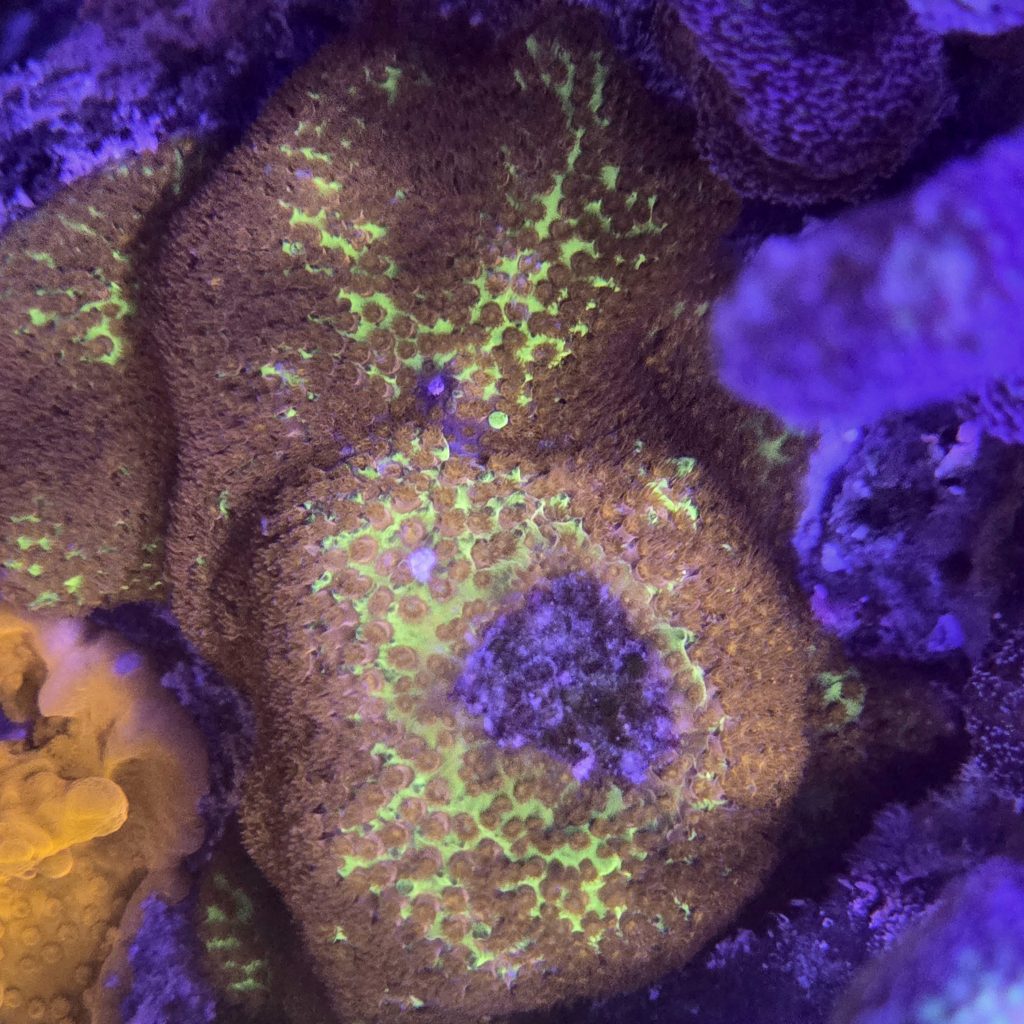
Stylocoeniella corals are small polyp stony corals that reward stable reef systems with tight growth, fine texture, and attractive color. They are not the hardest SPS coral, but they do best in mature tanks with steady alkalinity, moderate to strong light, and consistent flow.
If you are considering Stylocoeniella for your reef, this guide will help you avoid common mistakes. You will learn how to place it, what water conditions it prefers, how to feed and frag it, and how to troubleshoot tissue loss, color fading, and poor polyp extension. While this coral is less commonly discussed than Acropora or Montipora, its care follows many familiar SPS principles. The key is stability. Sudden swings in alkalinity, temperature, or nutrients can quickly cause stress. With the right setup, Stylocoeniella can become a durable and eye-catching part of an SPS reef.
Quick Reference Table
| Common Name | Stylocoeniella coral |
| Coral Type | SPS coral |
| Care Level | Moderate |
| Temperament | Peaceful, but can be overgrown or stung |
| Lighting | Moderate to high |
| Water Flow | Moderate to strong, turbulent |
| Placement | Middle to upper rockwork |
| Temperature | 76–79°F |
| Salinity | 1.025–1.026 specific gravity |
| Alkalinity | 8–9 dKH, stable |
| Calcium | 400–450 ppm |
| Magnesium | 1250–1400 ppm |
| Nitrate | 2–15 ppm |
| Phosphate | 0.03–0.10 ppm |
| Feeding | Mostly photosynthetic, benefits from fine foods |
Use this table as a starting point. Always make changes slowly. SPS corals handle consistency better than rapid correction.
What Is a Stylocoeniella Coral?
Stylocoeniella is a lesser-known SPS genus with a compact, encrusting to branching growth pattern. Its surface texture looks fine and dense. Polyps are small, so the colony often appears smooth from a distance. Under reef lighting, healthy specimens can show green, tan, cream, yellow, or mixed tones. Some morphs display brighter highlights under blue spectrum lighting.
This coral is usually chosen by hobbyists who already keep beginner SPS. It is not always sold as often as birdsnest or Montipora. That can make care information harder to find. In practice, it behaves like many small polyp stony corals. It wants clean but not sterile water, stable major elements, and enough flow to keep detritus from settling on the colony. If your tank can hold stable parameters for Acropora or Montipora, it can likely support Stylocoeniella as well.
Natural Habitat
Stylocoeniella corals occur on Indo-Pacific reefs. They are found in clear tropical waters with strong light and active water movement. In nature, these corals often grow on reef slopes and hard substrates where sediment does not sit for long. That habitat explains much of their care in aquariums.
Wild colonies receive intense sunlight and constant water exchange. They are adapted to stable seawater chemistry. They also benefit from dissolved nutrients and suspended food particles carried by currents. In the aquarium, we try to mimic those conditions in a controlled way. We do not need extreme numbers. We need stable numbers. A reef tank with mature biological filtration, good gas exchange, and random flow patterns usually gives better results than a newer system with fluctuating chemistry.
Aquarium Setup
Stylocoeniella does best in established reef tanks. A mature system of at least 20 gallons can work, but larger tanks are easier to keep stable. For most hobbyists, a 40-gallon breeder or larger is a safer choice. More water volume reduces sudden swings in alkalinity, salinity, and temperature.
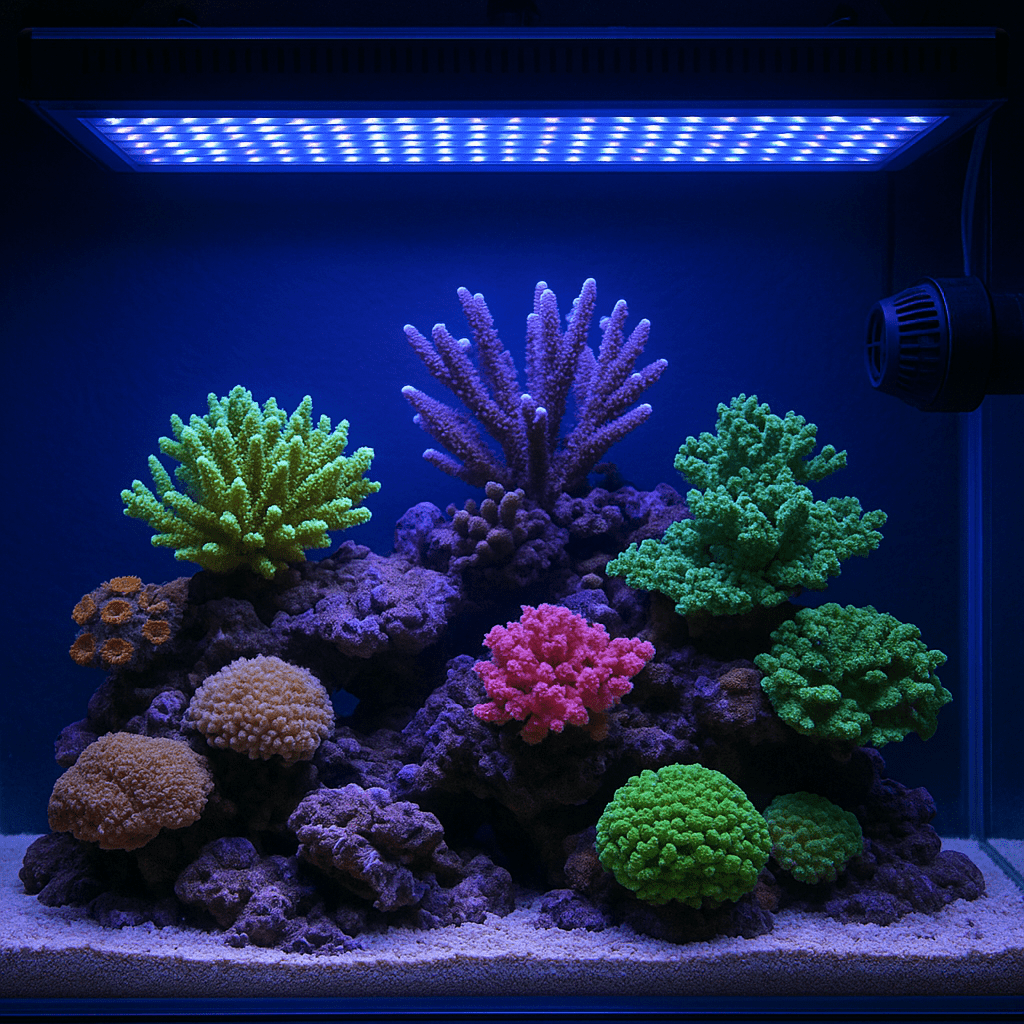
Place this coral on secure rockwork with room to grow. Start it in the middle of the tank if you are unsure. Then adjust based on color and polyp response. Avoid dead spots where detritus settles. Keep some distance from aggressive LPS corals. Sweepers from Euphyllia, Galaxea, or chalices can damage it overnight. Strong filtration helps, but do not strip the water too clean. Very low nutrients often lead to pale tissue and stalled growth. If you are building an SPS reef, review reef tank setup guide and reef aquarium water parameters before adding delicate stony corals.
Lighting Requirements
Stylocoeniella generally prefers moderate to high light. In many tanks, a PAR range of 150 to 250 works well. Some colonies can adapt to slightly higher light if acclimated slowly. Sudden jumps in intensity can bleach the tissue. That is especially true after shipping or dipping.
Use a slow acclimation schedule when moving the coral upward. Start lower than your final placement. Increase exposure over one to two weeks. Watch tissue color closely. Browning can suggest low light, excess nutrients, or both. Fading can suggest too much light, unstable alkalinity, or nutrient starvation. A balanced blue-heavy reef spectrum usually brings out the best color. However, spectrum alone cannot fix poor chemistry. Light works with nutrients and alkalinity, not separately. If your SPS colors are inconsistent, check your dosing schedule and nutrient export before changing fixtures.
Water Flow
Good flow is critical for Stylocoeniella. Aim for moderate to strong, turbulent movement. The goal is constant water exchange around the colony. Flow delivers oxygen and nutrients. It also removes waste and prevents debris from settling between branches or across the encrusting surface.
Avoid a harsh direct blast from one pump. That can cause tissue recession on the side taking the full force. Random flow from wavemakers is better. You want the polyps and tissue to receive changing current from different angles. If detritus collects on the coral, increase flow or adjust the colony position. If tissue stays retracted and the coral looks irritated on one side, reduce direct pressure. In SPS tanks, flow often matters as much as light. Many hobbyists underestimate this. If your coral looks dull despite good parameters, poor circulation may be the missing factor.
Feeding
Like most SPS corals, Stylocoeniella gets much of its energy from zooxanthellae. That means lighting does most of the heavy lifting. Still, the coral can benefit from fine suspended foods. Occasional feeding may improve growth and coloration in nutrient-balanced systems.
Offer small particle foods once or twice weekly. Reef roids, fine plankton blends, rotifers, and broadcast coral foods are common options. Turn off the return pump briefly if needed. Leave circulation pumps on low so food stays suspended. Do not overfeed. Heavy feeding can raise phosphate and nitrate quickly in smaller tanks. Fish feeding also contributes useful dissolved nutrients. In many mixed reefs, healthy fish stocking and regular feeding provide enough indirect nutrition for SPS. If you want stronger coral response, read best coral food for reef tanks and compare feeding methods that suit your filtration capacity.
Compatibility
Stylocoeniella is reef safe, but placement still matters. It does not usually attack nearby corals with long sweepers. However, it can lose in direct contact with more aggressive neighbors. Give it space from LPS corals and fast-growing encrusters. Also watch for shading from larger SPS colonies above it.
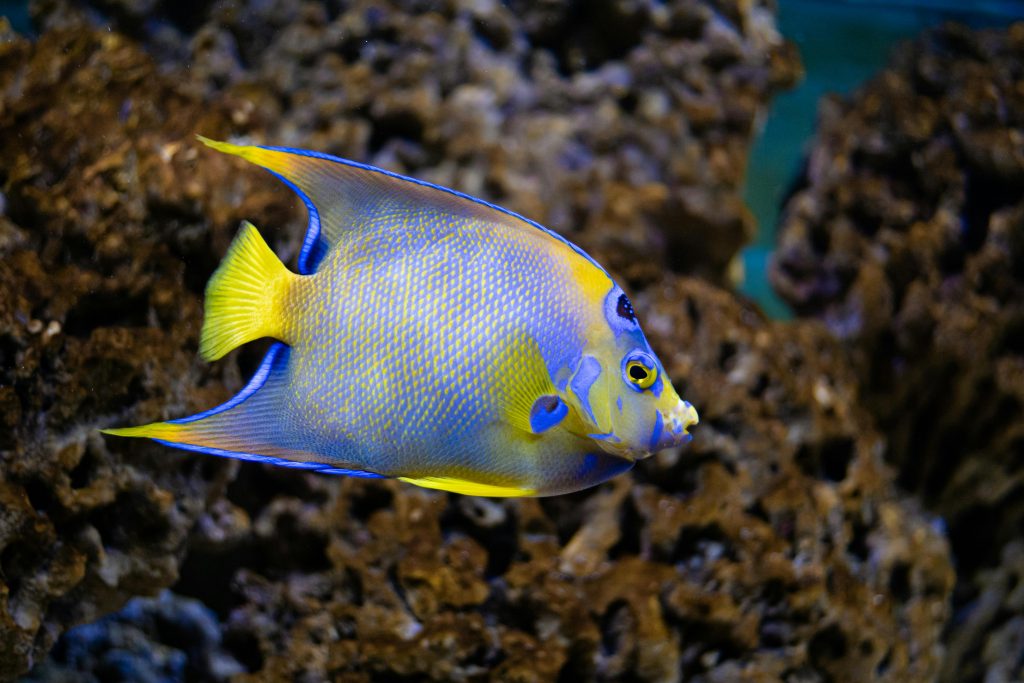
Most reef-safe fish ignore this coral. The bigger risk comes from coral nippers and pests. Some angelfish, butterflyfish, and even certain crabs may irritate SPS tissue. Keep an eye on new additions. Invertebrates are usually fine, though unstable hermit crabs can knock fresh frags loose. If your tank is mixed, plan the aquascape around coral warfare. Leave room for future growth. A small frag may seem safe today, then get shaded or stung months later. For peaceful stocking ideas, see reef safe fish guide.
Step-by-Step Acclimation Guide
New Stylocoeniella frags often fail from rushed acclimation. A careful process improves survival.
- Inspect the frag bag for tissue damage and pests.
- Match temperature first by floating the bag for 15 to 20 minutes.
- Dip the coral in a reef-safe coral dip.
- Rinse it in clean saltwater before placing it in the tank.
- Start on a frag rack or lower rock area with moderate flow.
- Reduce light intensity or use an acclimation mode.
- Observe for one week before moving it higher.
- Test alkalinity often during the first two weeks.
This process limits stress from transport, pests, and sudden light shock. It also gives you time to judge the coral’s response before final placement.
Propagation and Fragging
When to Frag
Frag Stylocoeniella only when the colony is healthy and growing. Do not cut a stressed or recently imported piece. Wait until you see stable color, firm tissue, and active encrusting at the base.
How to Frag It
Use coral cutters, bone shears, or a rotary tool depending on growth form. Cut a small branch or edge section cleanly. Avoid crushing the skeleton. Mount the frag on a plug or rubble with reef-safe glue. Place it in moderate flow and slightly reduced light during recovery. Fresh cuts heal best in stable water with good circulation.
Aftercare
Watch for tissue recession around the cut. Keep alkalinity steady. Avoid major maintenance changes for several days. Most healthy frags begin encrusting the plug before noticeable upward growth starts.
Common Problems
Why Is My Stylocoeniella Turning Brown?
Brown tissue often points to low light, elevated nutrients, or both. Check PAR first. Then test nitrate and phosphate. A dirty frag rack area can also reduce flow and trap detritus. Improve circulation and make nutrient corrections slowly.
Why Is It Losing Color or Bleaching?
Bleaching usually follows sudden light increases, alkalinity swings, heat stress, or very low nutrients. Review recent changes. Did you replace bulbs, increase LED power, or miss dosing? Lower the coral slightly, stabilize chemistry, and avoid chasing numbers daily.
Why Is Tissue Receding at the Base?
Base recession can come from poor flow, shading, pests, or unstable alkalinity. Inspect for flatworms or other hitchhikers. Remove detritus from the area. Make sure the base receives enough moving water. If recession continues, frag healthy tips to save the colony.
Why Are the Polyps Barely Extending?
Limited polyp extension can mean stress, but it is not always a crisis. Check for fish nipping at the colony. Review flow direction. Test alkalinity, temperature, and salinity. Many SPS corals extend better at night, so compare daytime and nighttime behavior before assuming a major problem.
Frequently Asked Questions
Is Stylocoeniella a good beginner SPS coral?
It is better for a beginner who already keeps stable parameters. It is not the easiest first SPS, but it is manageable in a mature tank.
What PAR does Stylocoeniella need?
A PAR range of about 150 to 250 is a good starting point. Acclimate slowly if moving into brighter areas.
Can Stylocoeniella live in a mixed reef?
Yes, if it has enough light, flow, and space from aggressive corals. Keep it away from long sweeper tentacles.
Does Stylocoeniella need target feeding?
Not usually. It is mainly photosynthetic. Occasional broadcast feeding with fine foods can still help growth and color.
How fast does Stylocoeniella grow?
Growth is moderate under stable SPS conditions. It often encrusts first, then adds more visible structure over time.
Final Care Tips
Stylocoeniella corals thrive when you keep the basics steady. Focus on stable alkalinity, clean random flow, and enough light. Do not chase perfect numbers every day. Avoid sudden changes. Give the coral time to adapt. In many cases, patience solves more SPS problems than constant adjustment. If your tank already supports other SPS corals, Stylocoeniella can be a rewarding addition with unique texture and subtle beauty.
Was this helpful?
Related Posts
Gold Spotted Rabbitfish (Siganus Punctatus)
Gold Spotted Rabbitfish care includes large tanks, heavy algae feeding, and caution with corals. Learn tank size, diet,…
 By
By
Sharknose Goby (Elacatinus evelynae)
Sharknose Goby care is simple in stable reef tanks. Learn feeding, tank setup, compatibility, and common problems for…
[favorite_button]
My Bookmarks:
To see full list click here
[user_favorites user_id="" include_links="true" site_id="" post_types="" include_thumbnails="true" thumbnail_size="thumbnail" include_excerpt="false"]