

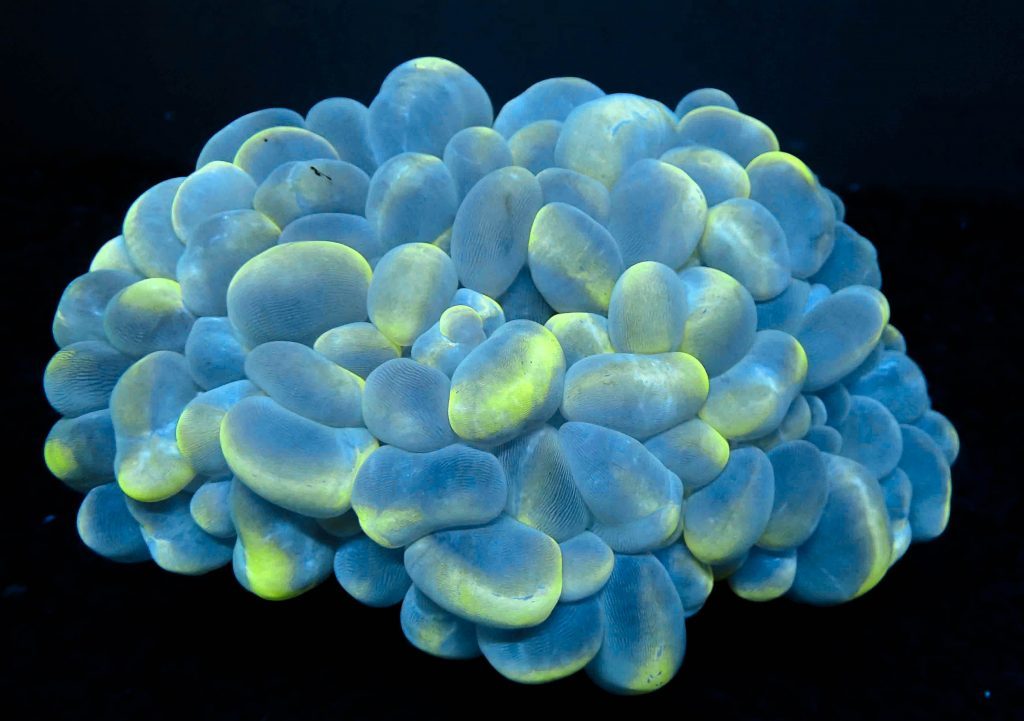
Target feeding LPS corals helps many fleshy corals grow faster, recover better, and show stronger color. It is not always required, but it can be very useful when done correctly. The key is using the right food, feeding gently, and keeping nutrients under control.
LPS corals are popular because they are colorful, hardy, and full of movement. Many also have large mouths and obvious feeding responses. That makes them ideal candidates for target feeding. Still, many reef keepers either overfeed, use the wrong foods, or feed at the wrong time. This guide explains when target feeding LPS corals makes sense, which species benefit most, what foods to use, and how to avoid common mistakes. You will also learn how lighting, flow, and water quality affect feeding success in a reef tank.
Quick Reference Table
| Topic | Best Practice |
|---|---|
| Best time to feed | Lights down or evening, when feeder tentacles extend |
| Food size | Small meaty foods sized to the coral’s mouth |
| Flow during feeding | Low or paused briefly |
| Frequency | 1 to 3 times weekly for most tanks |
| Good foods | Mysis, brine, reef roids, pellets, chopped seafood |
| Main risk | Overfeeding and rising nitrate or phosphate |
| Corals that benefit most | Acanthastrea, Micromussa, Favia, Blastomussa, Trachyphyllia, Lobophyllia |
| Corals that need caution | Euphyllia can be fed, but large portions may be rejected |
Use this table as a fast reference before each feeding session. It helps keep the process simple and repeatable.
What Target Feeding Means
Target feeding means delivering food directly to a coral. You use a pipette, turkey baster, or feeding syringe. The goal is to place food near the coral’s mouth or feeding tentacles. This gives the coral a better chance to capture food before fish or flow carry it away.
LPS stands for large polyp stony coral. These corals usually have fleshy tissue and visible mouths. Many are natural opportunistic feeders. In the wild, they catch plankton, suspended particles, and bits of meaty food. In aquariums, they also gain energy from light through their zooxanthellae. That means feeding is a supplement, not a replacement for good lighting and stable water chemistry.
Some reef keepers feed every coral heavily. That is rarely needed. A better approach is selective feeding. Feed corals that show strong feeding responses or need extra support. Newly imported corals, recovering corals, and fast-growing fleshy LPS often benefit the most.
Which LPS Corals Benefit Most
Not all LPS corals respond the same way. Some eagerly grab food. Others rely more on light and dissolved nutrients. Corals with larger mouths usually show the clearest response. Micromussa and Acanthastrea are classic examples. They often inflate and close over food quickly. Blastomussa, Favia, Favites, Lobophyllia, Symphyllia, and Trachyphyllia also tend to feed well.
Duncans are another strong feeder. They often extend tentacles as soon as food hits the water. Scolymia and Cynarina can also benefit from careful feeding. These fleshy solitary corals can take meaty foods, but portions should stay modest. Too much food can rot if not fully swallowed.
Euphyllia corals, such as hammers and torches, can capture food. Still, they usually do not need heavy target feeding. Small portions work best. Large chunks often irritate the coral or trigger a mucus response. In many mixed reefs, fish waste and broadcast feeding already provide enough nutrition for these corals.
Natural Feeding Behavior in the Wild
LPS corals come from reef slopes, lagoons, and protected reef zones. Many live where water movement carries suspended food past the colony. At night, many extend feeder tentacles. This helps them catch zooplankton and organic particles. Their large polyps are built for this job.
In nature, corals do not receive giant meals. They capture many small items over time. That is a useful lesson for reef tanks. Small, regular feedings usually work better than large, messy ones. Corals digest food slowly. They also need clean water to stay healthy. Feeding too much at once can overwhelm both the coral and the filtration system.
This is why target feeding should mimic natural conditions. Offer appropriately sized foods. Feed when tentacles are out. Let the coral capture and swallow food at its own pace. Gentle, consistent feeding produces better long-term results.
Aquarium Setup Factors That Affect Feeding
Target feeding works best in a stable reef tank. Corals under stress often refuse food. Before changing your feeding routine, check the basics. Make sure salinity is stable. Keep temperature stable. Maintain alkalinity, calcium, and magnesium within normal reef ranges. Avoid large nutrient swings.
Aquascaping matters too. Many fleshy LPS prefer secure placement on rock ledges or sandbeds. If a coral is constantly blasted by flow, it may not extend feeder tentacles well. If it sits in a dead spot, waste can settle on the tissue. Both issues reduce feeding success.
Fish and invertebrates also matter. Shrimp often steal food from LPS corals. Some wrasses and clownfish do the same. In tanks with aggressive food thieves, use a feeding dome or cover. A simple cut bottle or mesh guard can protect the coral while it swallows its meal.
Lighting Requirements and Feeding
Good lighting remains the foundation of LPS coral health. These corals host symbiotic algae that produce energy from light. Target feeding adds nutrition, but it cannot fix poor lighting. If a coral is browning, shrinking, or stretching, review placement and PAR before increasing food.
Most common LPS corals do well in low to moderate light. Many thrive around 50 to 150 PAR. Some tolerate more. Others prefer less. Trachyphyllia and scolies often like lower light on the sandbed. Favias and acans usually adapt well to moderate light. Euphyllia often prefer moderate light with room to sway.
Feeding often works best after the main photoperiod. Many corals extend tentacles more fully then. A short dusk period can help trigger feeding behavior. If your coral only shows tentacles at night, feed after lights dim. You can train some corals to respond during the day by feeding at the same time consistently.
Water Flow During Target Feeding
Flow is one of the biggest feeding variables. Too much flow blows food away. Too little flow lets detritus settle and can reduce oxygen exchange. The sweet spot is gentle movement during feeding. Many reef keepers pause wavemakers for 5 to 15 minutes. That gives the coral time to grab food.
Do not leave pumps off too long. Stagnant water can stress the tank. A brief pause is enough for most feedings. If your return pump stays on, that is usually fine. The goal is simply reducing direct turbulence around the coral.
After the coral closes around the food, restore normal flow. This helps remove excess particles and keeps oxygen levels strong. If food keeps landing on the coral and blowing off, use a longer pipette. Place the food just above the mouth instead of blasting the coral directly.
Best Foods for Target Feeding LPS Corals
The best food depends on the coral. In general, small meaty foods work very well. Mysis shrimp is a top choice. It is the right size for many acans, blastos, favias, and duncans. Enriched brine shrimp can work too, though it is less nutritious alone. Finely chopped krill, clam, shrimp, or scallop can be useful for larger-mouthed corals.
Powder foods and coral blends also have value. Reef roids and similar products can trigger feeding responses. They work especially well when mixed into a slurry. Pellets can also be used. Soft sinking pellets are convenient for acans and duncans. Just soak them first if they swell heavily.
Match the food size to the coral’s mouth. This matters more than many hobbyists think. Large chunks often get dropped or spit out later. Smaller portions are easier to digest. Rotate foods for variety. This helps provide a broader nutritional profile over time.
Step-by-Step Guide to Target Feeding LPS Corals
- Choose a suitable food. Use small meaty items or a coral food slurry.
- Thaw frozen food in tank water. Rinse if needed to reduce excess juices.
- Turn off or reduce flow briefly. Keep the pause short.
- Wait for feeder tentacles. Some corals respond after a little broadcast food enters the water.
- Use a pipette or syringe. Gently place food near the mouth.
- Do not blast the coral. Let tentacles pull the food inward.
- Watch for swallowing. Give the coral several minutes.
- Protect the coral if needed. Use a dome if shrimp or fish steal food.
- Restore flow after 5 to 15 minutes. Remove any excess food from the tank.
- Monitor nutrients over time. Adjust frequency if nitrate or phosphate rises too much.
This routine keeps feeding controlled and clean. It also reduces wasted food and algae problems.
How Often Should You Feed?
Most LPS corals do well with target feeding once or twice per week. Heavily stocked tanks may need less. Ultra low nutrient tanks may benefit from more. Corals that are recovering from shipping or tissue loss can sometimes benefit from two or three small feedings each week.
Watch the coral, not just the schedule. A healthy feeding response tells you a lot. If the coral expands well, grabs food quickly, and keeps good color, your routine is likely working. If the coral spits food out, shrinks after feeding, or develops brown jelly or tissue recession, something is wrong. Reassess food size, water quality, and flow.
Remember that more food does not always mean more growth. Corals need time to digest. Your tank also needs time to export nutrients. Start light. Increase slowly if the coral responds well and your nutrient levels remain stable.
Compatibility With Fish, Corals, and Invertebrates
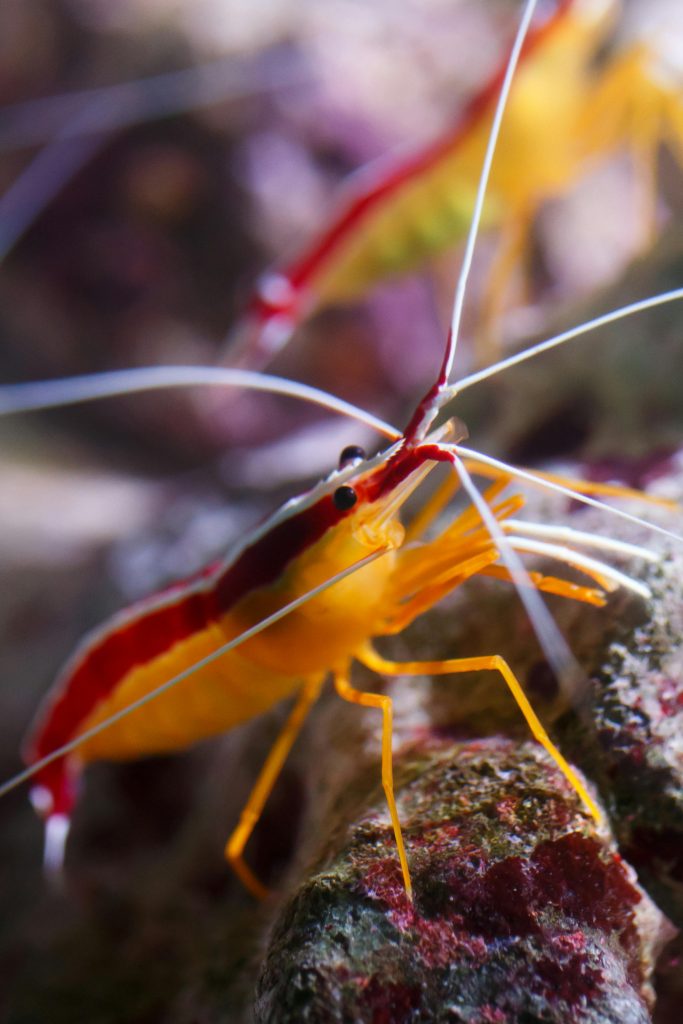
Target feeding can become difficult in busy reef tanks. Cleaner shrimp are the biggest nuisance for many hobbyists. They often climb over acans and scolies to steal food. Some peppermint shrimp also pick at coral tissue if underfed. Hermit crabs may do the same.
Fish can also interfere. Tangs, wrasses, clownfish, and dottybacks may grab food before the coral can swallow it. Feed fish first if needed. A distracted fish is less likely to raid the coral’s meal. A feeding dome can also help. It gives the coral privacy while it eats.
Coral aggression matters too. Many LPS corals have sweeper tentacles. If corals are packed tightly, nighttime feeding responses can increase stinging. Leave enough space between colonies. This protects tissue and reduces stress. Healthy spacing improves both feeding and long-term growth.
Common Problems
Coral Won’t Eat
If an LPS coral will not eat, check timing first. Many feed better after lights dim. Next, review flow. Strong flow often prevents a feeding response. Then check water quality. Corals under stress from salinity swings, low alkalinity, or recent transport often refuse food temporarily. Try smaller food and feed less often until the coral settles.
Coral Grabs Food Then Spits It Out
This usually means the food is too large, too tough, or too much. Offer smaller pieces. Avoid oversized chunks of shrimp or krill. Also check for pests or irritation. Flatworms, vermetid mucus, and nearby stings can disrupt feeding. In some cases, the coral simply was not hungry. Skip a few days and try again.
Nitrate and Phosphate Keep Rising
Overfeeding is the usual cause. Reduce feeding frequency. Use smaller portions. Rinse frozen foods. Improve export with skimming, filter maintenance, or water changes. You can also combine occasional target feeding with lighter broadcast feeding. This often gives good results without driving nutrients too high.
Shrimp or Fish Keep Stealing Food
Feed the tank first. Then target feed the coral. Use a dome or cover during swallowing. Some hobbyists use a strawberry basket or cut bottle top. The goal is simple. Give the coral ten quiet minutes to finish the meal.
Propagation and Growth Expectations
Target feeding can support faster growth in many LPS corals. Acans often produce new heads more quickly with regular feeding. Duncans can branch faster. Favias may build tissue and skeleton more steadily. Still, growth also depends on alkalinity stability, calcium levels, and good placement.
For fragging, well-fed corals usually recover better. Their tissue is thicker and energy reserves are stronger. That said, do not overfeed before cutting. Keep the coral stable, healthy, and pest free first. After fragging, light target feeding can help recovery once the cut edges begin healing.
Frequently Asked Questions
Do LPS corals need target feeding to survive?
No. Many survive well under proper lighting and stable parameters. Target feeding is a helpful supplement, not a strict requirement.
Can I feed LPS corals every day?
You can, but it is rarely necessary. Daily feeding often raises nutrients too quickly. Most tanks do better with one to three feedings per week.
Should I target feed during the day or at night?
Evening is often best. Many LPS corals extend feeder tentacles after lights dim. Some can be trained to feed during the day.
What is the best food for acans and micromussa?
Mysis shrimp, small pellets, and fine meaty foods work very well. Keep portions small and easy to swallow.
Can target feeding cause algae?
Yes. Excess food breaks down into nitrate and phosphate. Feed carefully and maintain strong nutrient export.
Final Tips for Better Results
Keep target feeding simple. Feed small amounts. Watch the coral’s response. Protect the food from thieves. Restore flow after a short pause. Most important, do not use feeding to compensate for unstable reef conditions. Healthy LPS corals need stable alkalinity, clean water, and suitable light first.
If you want better long-term growth, combine moderate feeding with consistency. Corals respond best to routines. Feed at similar times. Use foods they can actually swallow. Test nutrients regularly. That balanced approach usually produces the best color, inflation, and growth in a mixed reef.
Related reading: reef tank water parameters, best LPS corals for beginners, reef tank lighting guide, how to lower nitrate in a reef tank, coral dipping guide.
Was this helpful?
Related Posts
Butterflyfish Care in Marine Aquariums
Practical butterflyfish care for marine aquariums, including tank size, feeding steps, and quarantine tips for healthy long-term success.
 By
By
Reef Tank Plumbing Basics
Learn reef tank plumbing basics, including drains, return pumps, sump flow, noise control, and flood prevention for a…
[favorite_button]
My Bookmarks:
To see full list click here
[user_favorites user_id="" include_links="true" site_id="" post_types="" include_thumbnails="true" thumbnail_size="thumbnail" include_excerpt="false"]