

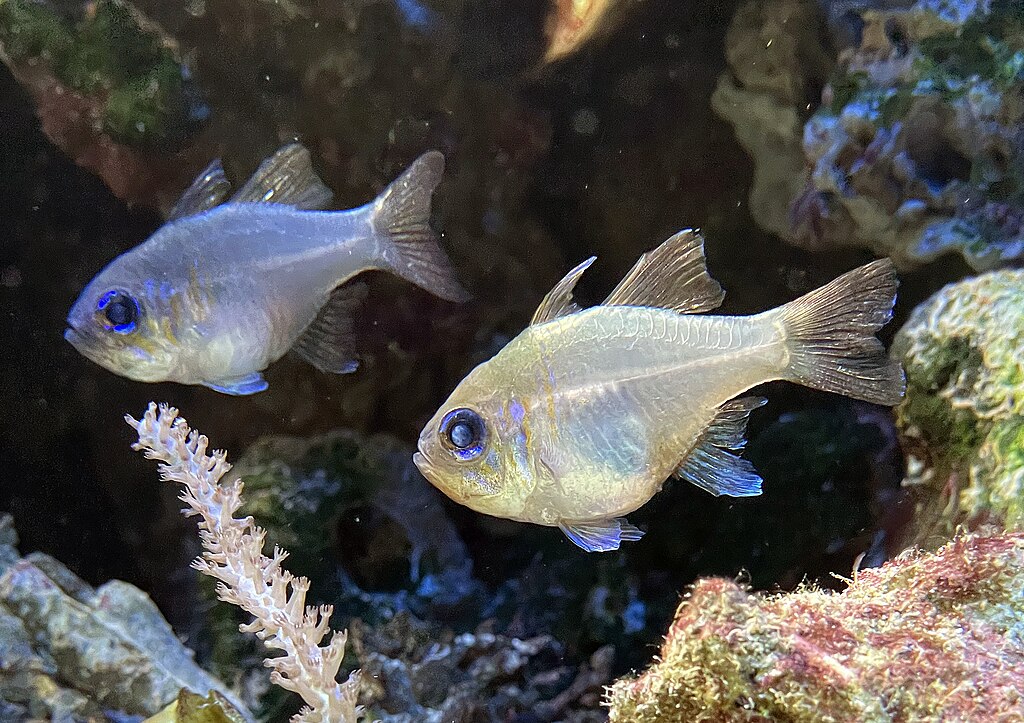
Threadfin cardinalfish are peaceful, reef-safe schooling fish with a delicate look and calm behavior. They do best in stable reef tanks, dimmer zones, and small groups. With proper acclimation, gentle tankmates, and frequent feeding, Zoramia leptacantha can become a beautiful midwater feature for peaceful marine aquariums.
The threadfin cardinalfish is not as common as banggai or pajama cardinals, but it deserves more attention. Its translucent body, fine blue lines, and trailing fins give it a soft, elegant appearance. This species suits reef keepers who want a calm fish for a peaceful community setup. It also appeals to hobbyists who enjoy natural group behavior. In this guide, you will learn how to identify Zoramia leptacantha, choose the right tank, feed it well, avoid common mistakes, and keep a healthy group long term. We will also cover compatibility, habitat, and practical troubleshooting based on real reef aquarium conditions.
Quick Care Reference
| Common Name | Threadfin Cardinalfish |
| Scientific Name | Zoramia leptacantha |
| Care Level | Easy to moderate |
| Temperament | Peaceful |
| Adult Size | About 2 to 2.5 inches |
| Minimum Tank Size | 20 gallons for a small group, 30+ gallons preferred |
| Diet | Carnivore, planktivore |
| Reef Safe | Yes |
| Water Temperature | 76 to 80°F |
| Salinity | 1.024 to 1.026 |
| pH | 8.1 to 8.4 |
| Flow | Low to moderate |
| Lighting | No special need, prefers shaded areas |
This species stays small, but it should not be treated like a throwaway nano fish. It thrives best in mature systems with stable salinity, low stress, and predictable feeding. A group often looks better than a single specimen. It also helps them feel more secure.
How to Identify Threadfin Cardinalfish
Threadfin cardinalfish have a slender, semi-transparent body with subtle striping and elongated fin rays. Their body often shows silver, blue, and faint yellow tones under reef lighting. The eyes are large, which is typical for cardinalfish. This helps them feed in dimmer conditions.
They are much more delicate in appearance than banggai cardinals. They also behave differently. Banggais often hover in place. Threadfins tend to school loosely and move together in open water near rockwork. Their look is understated in dealer tanks. In a settled reef aquarium, they become much more attractive.
When shopping, look for alert fish with full bellies and intact fins. Avoid fish that breathe heavily or isolate themselves in a corner. Since they are often imported and stressed, careful selection matters. If possible, ask to see them eat before you buy.
Natural Habitat
Zoramia leptacantha occurs in Indo-Pacific reef habitats. It is often found in sheltered areas around branching corals, reef ledges, and calm lagoon zones. In nature, these fish gather in groups. They use structure for safety and retreat quickly when threatened.
Many cardinalfish are crepuscular, meaning they are most active at dawn and dusk. Threadfin cardinalfish share some of these habits. They prefer lower-stress areas and do not enjoy constant blasting flow. Their natural environment explains much of their aquarium behavior. They want cover nearby. They also want open water to hover and feed.
This habitat also explains their diet. In the wild, they feed on tiny planktonic prey suspended in the water column. In captivity, they adapt well to small meaty foods. Still, they do best when fed several small portions rather than one large meal.
Aquarium Setup
A 20-gallon tank can work for a very small group in a peaceful setup. A 30-gallon or larger aquarium is a better choice. Extra space improves group dynamics and lowers stress. It also gives weaker fish room to avoid dominant tankmates.
Aquascape the tank with caves, overhangs, and branching structures. Fine-branched rockwork or coral skeleton shapes help them feel secure. They like to hover under ledges and near protected zones. Leave some open swimming room in the middle of the tank. That allows natural schooling behavior.
These fish appreciate mature reef tanks. New tanks often swing too much in salinity and nutrients. Stability matters more than fancy equipment. Use a reliable heater, quality filtration, and a lid or mesh top. While they are not famous jumpers, startled fish can launch unexpectedly. Quarantine is strongly recommended before introduction. This reduces disease risk and helps train them onto prepared foods.
Lighting Requirements
Threadfin cardinalfish do not need strong lighting themselves. They are not photosynthetic animals. However, they are often kept in reef tanks with bright coral lighting. That is usually fine if the tank includes shaded areas. They tend to stay under overhangs or among branches during the brightest part of the day.
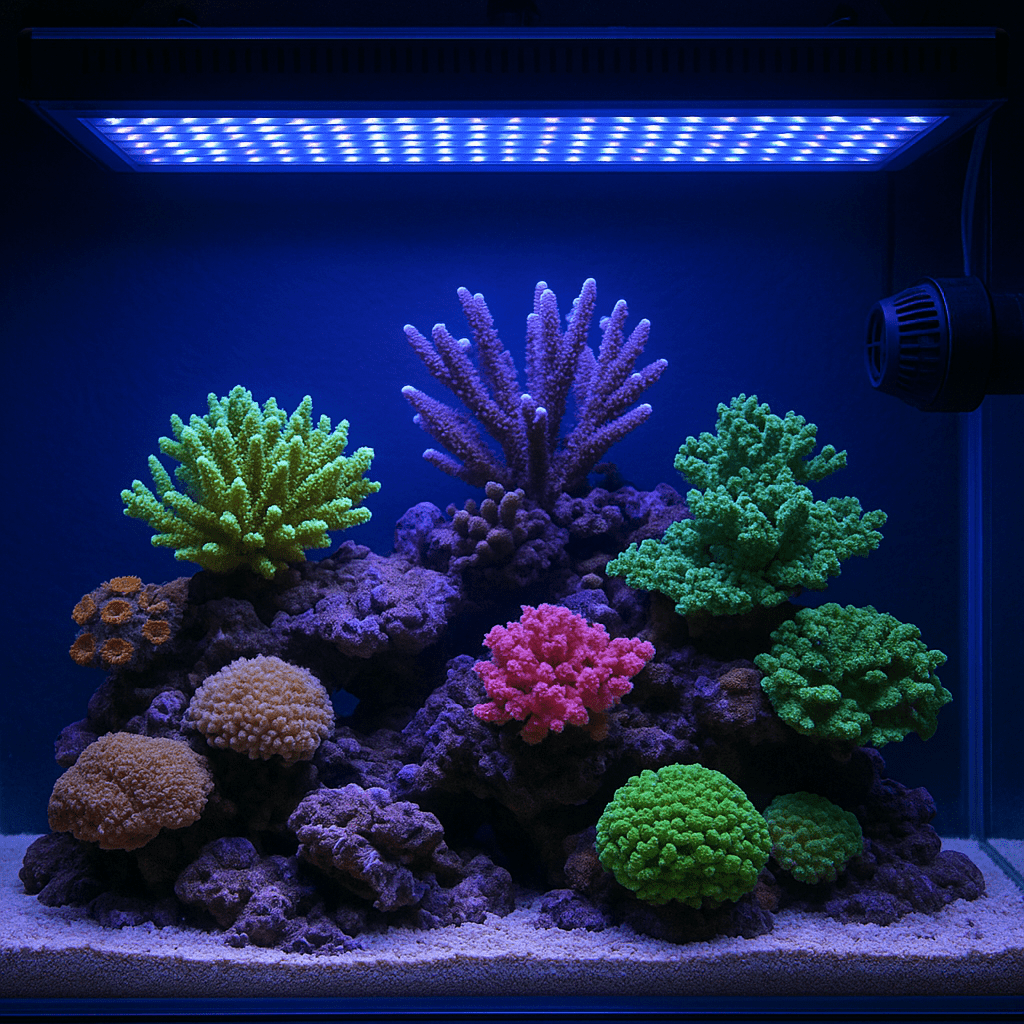
If your reef uses intense LED lighting, provide visual shelter. Rock arches, overhangs, and branching corals help a lot. Fish kept in fully exposed, brightly lit tanks may appear nervous. They may hide more and feed less confidently.
Blue-heavy reef lighting often brings out their subtle reflective lines. They can look almost plain in store tanks. In a balanced display tank, they become much more refined and attractive. The key point is simple. Bright light is acceptable. Constant exposure without cover is not ideal.
Water Flow
Low to moderate flow is best. These fish come from calmer reef areas and do not enjoy being pinned in strong current all day. They should be able to hover comfortably without fighting the flow. If they always hide in one dead spot, your circulation may be too aggressive for them.
In mixed reefs, strong flow is often needed for SPS corals. You can still keep threadfin cardinalfish by creating gentler zones behind rockwork. Use your pumps to create varied flow patterns. Avoid pointing a powerhead directly at their preferred resting area.
Watch their posture. Relaxed fish hold position easily and move together in short bursts. Stressed fish may dart, clamp fins, or breathe fast. Good flow design supports both coral health and fish comfort. This is especially important in smaller aquariums.
Feeding
Threadfin cardinalfish are micro-predators and planktivores. They prefer small meaty foods. Good options include enriched brine shrimp, mysis shrimp, finely chopped seafood, calanus, cyclops, and quality small pellets. Many specimens need time to accept dry food. Frozen foods usually work first.
Feed two to three small meals daily when possible. Small fish with fast metabolisms do better with frequent feeding. This is especially true after import. Thin fish should be target observed during feeding. In group settings, shy individuals can get outcompeted by bolder fish.
Variety matters. Rotating foods improves nutrition and feeding response. Soak foods in vitamins if a fish looks weak or recently arrived. Avoid oversized foods. Their mouths are small. Tiny portions that drift in the water column produce the strongest feeding response. For more help with fish nutrition, see: reef fish feeding guide.
Compatibility
Threadfin cardinalfish are peaceful and reef safe. They do not bother corals, shrimp, snails, or other common invertebrates. They are excellent candidates for calm community reefs. Good tankmates include gobies, firefish, assessors, small wrasses, clownfish with mild temperaments, and other non-aggressive reef fish.
Avoid housing them with large hawkfish, aggressive dottybacks, bigger pseudochromis, lionfish, or predatory wrasses. Avoid boisterous feeders too. Fast, pushy fish can intimidate them and prevent proper feeding. This often leads to slow starvation rather than obvious fighting.
They are often best kept in groups. A group of five or more can look stunning in a suitable tank. In very small tanks, social pressure can become a problem. Start with a proper group size and enough space. Observe for bullying during the first weeks. For peaceful stocking ideas, see: best reef safe fish for beginners and reef tank stocking guide.
Step-by-Step Acclimation Guide
Proper acclimation improves survival with delicate cardinalfish. Follow a simple, careful process.
- Prepare a quarantine tank before purchase. Use gentle flow and hiding places.
- Dim the lights when the fish arrives. This lowers immediate stress.
- Float the bag to match temperature for about 15 to 20 minutes.
- Use drip acclimation if salinity differs significantly from your tank.
- Transfer the fish without adding store water to the aquarium.
- Offer a small frozen food meal after several hours.
- Monitor breathing, posture, and feeding for the first week.
- Keep tankmates calm during introduction. Avoid adding them with aggressive fish.
Quarantine also gives you time to check for external parasites, bacterial issues, and feeding weakness. This species often arrives thin. Early intervention matters. If you need a refresher on stable marine parameters, see: reef tank water parameters.
Propagation and Breeding
Threadfin cardinalfish are mouthbrooders, like many cardinalfish species. However, they are not commonly bred by casual hobbyists. Spawning usually requires a healthy bonded pair, excellent nutrition, low stress, and a stable environment. In groups, pair formation can happen naturally, but it is not always easy to predict.
Spawning Behavior
During courtship, a pair may separate slightly from the group and display subtle body movements. After spawning, the male typically carries the eggs in his mouth. During this time, he may eat less or stop eating completely. Disturbance can cause him to swallow or spit the clutch.
Raising Fry
Raising cardinalfish fry is advanced work. You need suitable first foods, clean rearing water, and careful timing. Newly released fry often require very small live foods. Most reef keepers focus on long-term display care rather than breeding. Still, successful spawning is a sign that your fish feel secure and well maintained.
Common Problems
Most issues with threadfin cardinalfish trace back to stress, poor acclimation, underfeeding, or aggressive tankmates. Because they are subtle fish, problems can go unnoticed until the fish is already weak.
Not Eating After Introduction
This is common in newly imported fish. Stress is the main cause. Offer small frozen foods in low flow. Feed with lights dimmed if needed. Check for bullying from tankmates. A fish that refuses food for several days may also have shipping damage or internal issues.
Hiding Constantly
Constant hiding usually means the fish feels exposed or threatened. Add more structure. Reduce aggression nearby. Make sure flow is not too strong. A lone specimen may also hide more than a group. These fish often gain confidence when kept with their own kind.
Rapid Breathing
Fast breathing can signal ammonia, low oxygen, disease, or severe stress. Test ammonia and salinity first. Review acclimation history. Check for visible parasites. Increase aeration if needed. Quarantine is safest if symptoms continue.
Gradual Weight Loss
This often happens in community tanks with faster feeders. The fish may appear present at meals but eat very little. Use smaller foods and feed more often. Watch each fish closely. In some cases, internal parasites may also play a role.
Frequently Asked Questions
Are threadfin cardinalfish reef safe?
Yes. They are fully reef safe with corals and most invertebrates. They do not nip coral tissue or disturb clean-up crew animals.
Can threadfin cardinalfish live alone?
They can, but they usually look and behave better in a small group. A group gives them confidence and shows more natural movement.
What is the minimum tank size for threadfin cardinalfish?
A small group can live in a 20-gallon tank, but 30 gallons or more is safer and more stable. Larger tanks support better social balance.
Do threadfin cardinalfish need low light?
They do not need low light, but they prefer shaded areas. In bright reef tanks, provide overhangs and sheltered zones.
Are threadfin cardinalfish hard to keep?
They are not difficult once settled, but newly imported fish can be delicate. Success depends on quarantine, gentle tankmates, and consistent feeding.
Final Thoughts
Threadfin cardinalfish are underrated reef fish. They bring grace, subtle color, and peaceful group behavior to a marine aquarium. They are best for hobbyists who value calm stocking choices over flashy aggression. Give them stable water, quiet companions, and frequent small meals. In return, they reward you with elegant schooling behavior and a natural reef look that stands out in a mature display. For more species profiles and practical reef care tips, browse FancyReef’s guides on compatibility, feeding, and long-term reef stability.
Was this helpful?
Related Posts
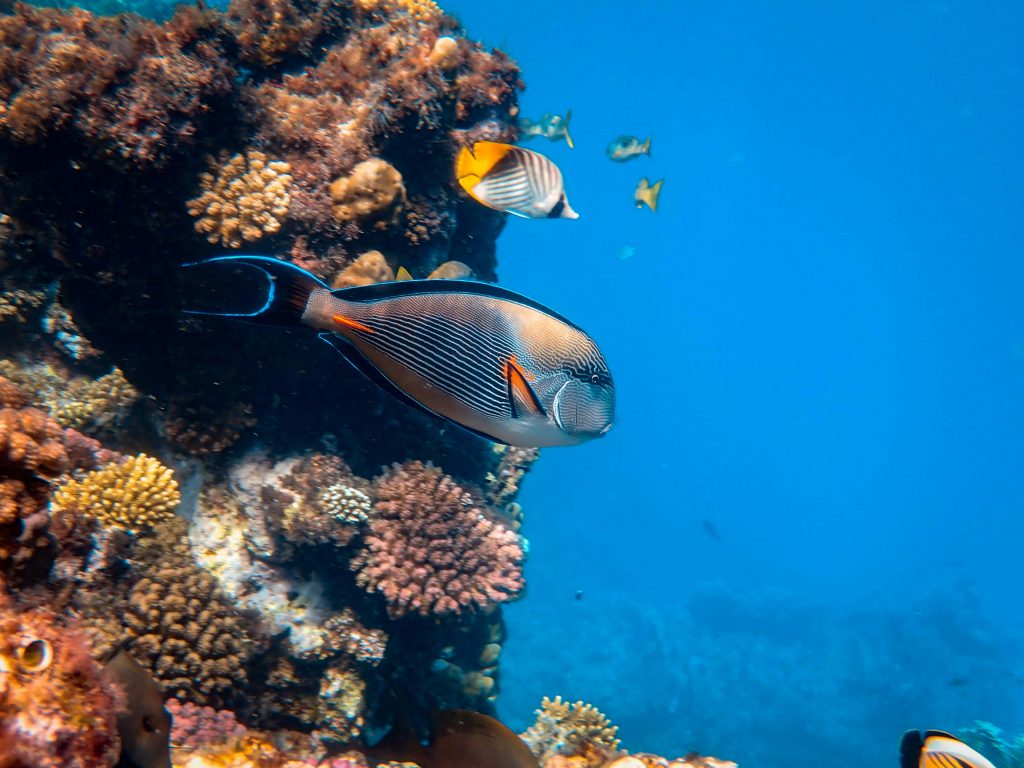
Sohal Tang (Acanthurus Sohal)
Sohal Tang care centers on space, heavy feeding, and aggression control. Learn tank size, diet, compatibility, and common…
 By
By
Reef Safe Fish Guide
Learn which reef safe fish work best in coral tanks, plus species to avoid, compatibility tips, and beginner-friendly…
[favorite_button]
My Bookmarks:
To see full list click here
[user_favorites user_id="" include_links="true" site_id="" post_types="" include_thumbnails="true" thumbnail_size="thumbnail" include_excerpt="false"]