

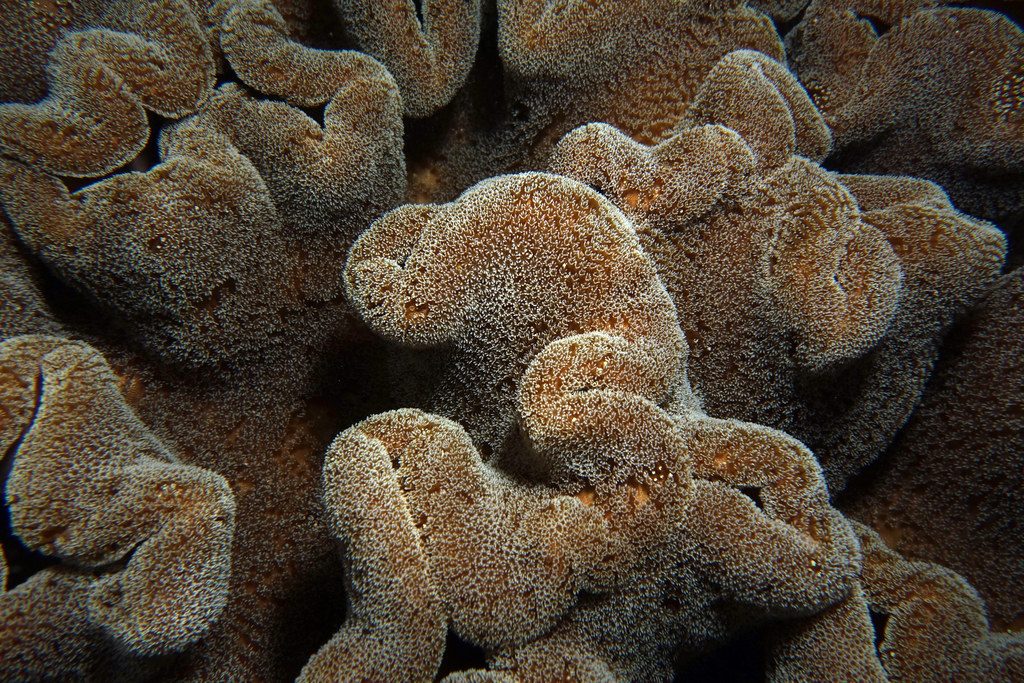
Toadstool leather corals are hardy, attractive soft corals. They suit many beginner and intermediate reef tanks. Most species adapt well to captive life. They tolerate minor swings better than many stony corals. Give them stable water, moderate light, and enough flow to shed their waxy coat. In return, they grow fast and add strong movement to the reef.
In this guide, you will learn how to care for toadstool leathers in a reef aquarium. We will cover lighting, flow, feeding, placement, compatibility, and fragging. You will also learn how to solve common problems like closed polyps, sloughing, and poor extension. If you want a forgiving coral with a classic reef look, a toadstool leather is often an excellent choice.
Quick Reference Table
| Common name | Toadstool leather coral |
| Scientific group | Sarcophyton spp. |
| Care level | Easy to moderate |
| Temperament | Semi-aggressive |
| Lighting | Moderate to moderately high |
| Flow | Moderate, turbulent flow |
| Placement | Middle to upper rockwork, with space |
| Diet | Mostly photosynthetic, benefits from nutrients |
| Growth rate | Moderate to fast |
| Ideal temperature | 76–78°F |
| Salinity | 1.025–1.026 specific gravity |
| Alkalinity | 8–9 dKH |
| Nitrate | 2–15 ppm |
| Phosphate | 0.03–0.10 ppm |
Use this table as a quick starting point. Fine tuning still matters. Every reef tank is different. Watch the coral’s polyp extension, tissue firmness, and growth pattern. Those signs tell you more than any chart alone.
What Are Toadstool Leather Corals?
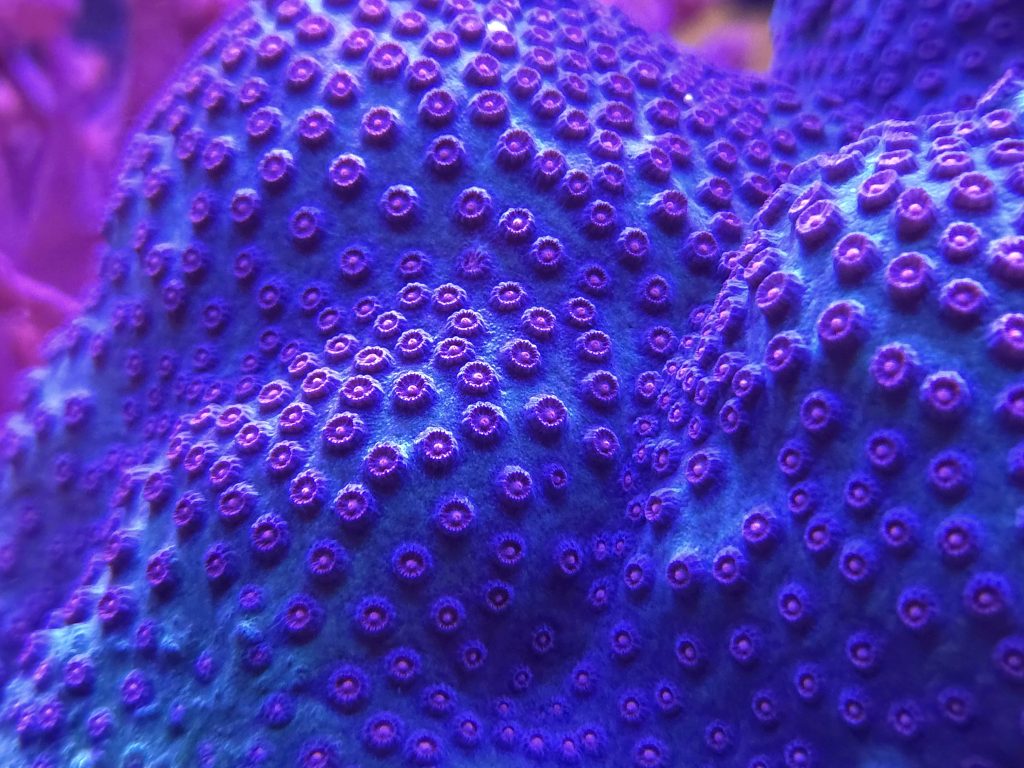
Toadstool leathers are soft corals in the genus Sarcophyton. They have a stalk and a broad cap. That shape gives them their mushroom-like look. Tiny polyps extend from the cap during the day. When fully open, they create a fuzzy appearance that moves beautifully in current.
These corals are popular for good reason. They are durable. They grow well in many mixed reefs. They also come in several forms. Some are tan or cream. Others are green, yellow, or long-polyp varieties. Many hobbyists start with them because they forgive small mistakes. More advanced keepers value them for size, motion, and ease of propagation.
Still, hardy does not mean indestructible. Toadstools dislike sudden changes. They can also release chemical compounds that irritate nearby corals. Good placement and stable husbandry are important. If you respect those needs, they are among the most rewarding soft corals you can keep.
Natural Habitat
Toadstool leathers occur across the Indo-Pacific. They are common on shallow reef flats and protected lagoons. Many grow in bright water with changing current. Some colonies live in turbid areas with suspended organics. Others grow on reef slopes with stronger surge.
In nature, these corals rely heavily on symbiotic zooxanthellae. Those algae provide much of their energy through photosynthesis. Water movement also plays a major role. It helps remove waste, reduce sediment buildup, and bring dissolved nutrients across the coral’s surface.
This habitat explains their aquarium behavior. They usually prefer stable reef parameters, decent light, and enough flow to keep the cap clean. They also tolerate nutrient levels that would stress some sensitive SPS corals. That makes them well suited to mixed reefs and beginner systems. Mimic a bright, moving, nutrient-balanced environment and they usually settle in well.
Aquarium Setup
Toadstool leathers do not need a huge tank. A small specimen can live in a 20-gallon reef. Larger tanks are easier to manage. A 40-gallon breeder or bigger gives better stability and more placement options. Mature colonies can become quite large. Plan for future growth from the start.
Place the coral on stable rockwork. Leave room around the cap. Toadstools expand more than many new keepers expect. Avoid tight spots near LPS or SPS corals. Leather corals can release allelopathic chemicals. These compounds may irritate stony corals in close quarters. Running activated carbon helps reduce that risk.
A mature tank works best. New systems often swing too much. Aim for stable salinity, temperature, alkalinity, and nutrients. Keep salinity near natural seawater levels. Avoid sudden drops in nitrate or phosphate. Soft corals often react poorly to ultra-clean water. If your tank is heavily skimmed, feed fish well and monitor nutrient levels carefully.
Lighting Requirements
Most toadstool leathers prefer moderate to moderately high light. In practical terms, that often means roughly 80 to 180 PAR. Many varieties thrive in the middle of that range. Green and long-polyp forms may handle brighter conditions once acclimated. Newly added corals should always be light acclimated slowly.
Too little light can lead to weak extension and slower growth. The coral may stretch upward or lean toward the light source. Too much light can cause bleaching, prolonged closure, or a faded cap. If you use powerful LEDs, start lower in the tank. Raise the coral gradually over one to two weeks.
Consistency matters more than chasing extremes. A stable schedule of eight to ten hours works well in many reefs. If your toadstool opens fully, keeps good color, and sheds normally, your lighting is likely close to correct. For more help with overall reef placement, see reef tank lighting guide.
Water Flow
Moderate, turbulent flow is ideal. Toadstool leathers dislike stagnant water. Gentle but random movement helps them stay clean. It also supports gas exchange and waste removal. A steady blast from a powerhead is not ideal. Strong direct flow can keep polyps retracted and damage tissue over time.
One of the most important jobs of flow is helping the coral shed its waxy film. Toadstools naturally form a shiny coating from time to time. This is normal. The coral uses it to remove algae, detritus, and surface buildup. During this phase, polyps may stay closed for several days. Good flow helps the film lift away faster.
If your coral stays closed often, check for dead spots. Detritus collecting on the cap is a warning sign. Adjust nearby pumps to create more random movement. For broader circulation tips, visit reef tank flow guide.
Feeding
Toadstool leathers are mainly photosynthetic. Most of their energy comes from light. They do not need direct feeding like many LPS corals. In many healthy tanks, fish waste, dissolved organics, and available nutrients are enough to support good growth.
That said, they usually respond well to a balanced, nutrient-rich reef environment. Tanks with zero nitrate and zero phosphate often produce poor leather coral extension. Aim for measurable nutrients, not dirty water. Moderate nutrient levels often help toadstools look fuller and grow faster.
You can occasionally feed fine coral foods or broadcast planktonic foods. Keep expectations realistic. Feeding is a supplement, not a requirement. Avoid overfeeding the tank just for this coral. Excess food can cause algae problems. Focus on stable nutrients, healthy fish feeding, and strong export balance. If you are unsure about nutrient targets, read reef tank water parameters.
Compatibility
Toadstool leathers are generally reef safe with fish and most invertebrates. Clownfish may adopt large colonies as a host. This can look great, but constant rubbing may irritate small specimens. Most reef fish ignore them. Cleaner shrimp, snails, and hermits are usually safe tankmates.
The main compatibility issue is chemical warfare. Toadstools can release toxins into the water. These compounds may stress nearby SPS and some LPS corals. Mixed reefs can still work well. You just need good spacing, strong filtration, and regular carbon use. Water changes also help dilute irritants.
Do not crowd them against euphyllia, acans, or acropora colonies. Their cap can shade lower corals as they grow. Always think ahead. A small frag can become a large colony surprisingly fast. If you are building a peaceful mixed reef, our best soft corals for beginners guide may help you choose compatible additions.
Propagation and Fragging
When to Frag a Toadstool
Frag healthy colonies only. The coral should be fully opening, firmly attached, and free of tissue damage. Avoid fragging a newly added specimen. Wait until it has adjusted and shown steady growth. Large caps often produce the best frags.
How to Frag It Safely
Use clean scissors or a sharp scalpel. Remove the colony if possible. Cut a section from the outer cap. Some hobbyists cut pie-shaped wedges. Others trim circular pieces. Work quickly and cleanly. Rinse the frag in tank water or iodine dip solution if needed.
How to Attach New Frags
Leather frags can be slippery. Super glue alone often fails at first. Many hobbyists use a rubber band, mesh cup, bridal veil, or toothpick method. Secure the frag loosely to rubble. Once attached, move it to moderate flow. Too little flow encourages slime buildup. Too much can tear the tissue.
Expect the frag to stay closed for several days. That is normal. Stable water and patience are the keys. Most healthy frags recover well and begin extending polyps once attached.
Common Problems
Why Is My Toadstool Leather Closed?
Short closures are common. Toadstools often close while adjusting, shedding, or after handling. Check for recent changes in light, flow, salinity, or temperature. Also inspect the cap for a shiny film. If the coral looks intact and not melting, give it time. Many reopen within a few days.
Why Is It Shedding a Waxy Coat?
This is usually normal. The coral is cleaning its surface. Increase indirect flow slightly if the film lingers. Do not peel the coating by hand. That can damage tissue. Good current and stable parameters usually solve the issue naturally.
Why Is the Coral Shrinking or Leaning?
Shrinking often points to stress. Check alkalinity swings, low nutrients, poor flow, or excessive light. Leaning may mean it wants more light or a better flow angle. Reposition slowly. Do not make several changes at once.
What Causes Tissue Damage or Rot?
Physical injury, poor water quality, or bacterial issues can all play a role. Remove detritus traps. Improve flow. Cut away decaying tissue if the damage is spreading. Run fresh carbon and perform a water change. In severe cases, save healthy sections by fragging them away from the damaged area.
Step-by-Step Placement Guide
Start by choosing a healthy specimen. Look for a firm stalk and intact cap. Avoid corals with mushy tissue or foul odor. Next, inspect your tank for a spot with moderate light and random flow. Leave room on all sides for future growth.
Place the coral in a lower or middle area first. This helps prevent light shock. Watch it for three to seven days. If it stays tightly closed, review flow and light intensity. If it opens but stretches upward, move it slightly higher. If it looks pale, lower it or reduce intensity.
Once the coral opens consistently, avoid moving it often. Stability helps more than constant adjustment. Run activated carbon in mixed reefs. Test salinity and alkalinity regularly. Feed your fish well enough to maintain measurable nutrients. Over time, the coral should expand, shed normally, and develop stronger polyp extension.
Frequently Asked Questions
Are toadstool leathers good for beginners?
Yes. They are among the better beginner corals. They handle minor mistakes better than many stony corals. Stable parameters still matter.
How fast do toadstool leathers grow?
Growth is moderate to fast in healthy tanks. Small frags can become large colonies within a year or two.
Do toadstool leathers need feeding?
Usually no. They rely mostly on light and dissolved nutrients. Occasional broadcast feeding may help, but it is not essential.
Can I keep a toadstool with SPS corals?
Yes, but use caution. Give plenty of space. Run carbon. Watch for signs of chemical irritation in sensitive SPS.
Why does my toadstool open only some days?
Intermittent closure often happens during shedding or after parameter swings. Check flow, salinity, alkalinity, and recent tank changes.
Toadstool leathers are classic reef corals for a reason. They are resilient, attractive, and full of motion. Give them stable water, moderate light, and enough flow to stay clean. Respect their chemical defenses and plan for growth. If you do, they can become one of the most reliable centerpieces in your reef tank.
Was this helpful?
Related Posts
Butterflyfish Care in Marine Aquariums
Practical butterflyfish care for marine aquariums, including tank size, feeding steps, and quarantine tips for healthy long-term success.
 By
By
Reef Tank Plumbing Basics
Learn reef tank plumbing basics, including drains, return pumps, sump flow, noise control, and flood prevention for a…
[favorite_button]
My Bookmarks:
To see full list click here
[user_favorites user_id="" include_links="true" site_id="" post_types="" include_thumbnails="true" thumbnail_size="thumbnail" include_excerpt="false"]