

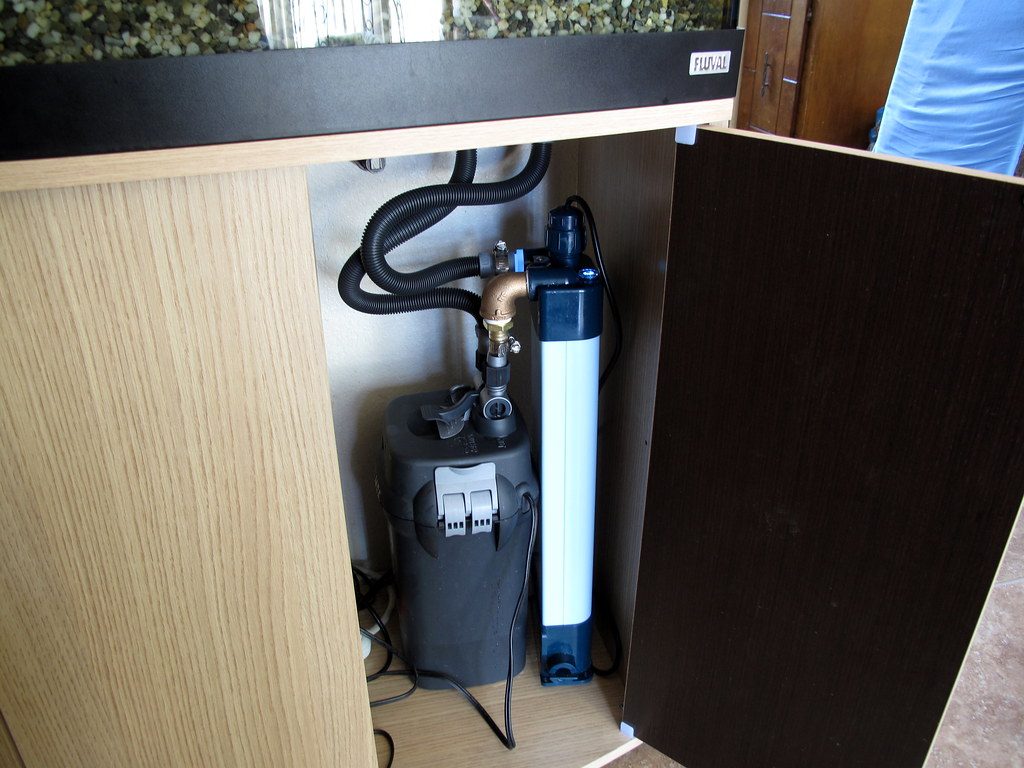
A UV sterilizer can be a useful tool on a reef tank. It helps reduce free-floating algae, bacteria, and some parasite stages in the water column. It does not replace quarantine, stable parameters, or good husbandry. Used correctly, it can improve water clarity and support overall system health.
Many reef keepers feel unsure about UV. Some worry it will kill beneficial life. Others expect it to solve every disease problem. The truth sits in the middle. A properly sized unit can be very effective for specific goals. It works best when flow rate, bulb strength, and maintenance all match the job. In this guide, you will learn what a UV sterilizer does, when it helps, how to size one, and how to avoid common mistakes on a reef aquarium.
Quick Reference Table
| Topic | Best Practice |
|---|---|
| Main benefit | Clearer water and lower free-floating microbial load |
| Best use cases | Green water, bacterial blooms, added disease management support |
| Not a substitute for | Quarantine, observation, stable reef parameters |
| Placement | Sump return section or manifold-fed loop |
| Flow rate matters | Slower flow for parasite control, faster flow for water clarity |
| Maintenance | Clean quartz sleeve and replace bulb on schedule |
| Reef safety | Safe when plumbed externally and sized correctly |
| Common mistake | Running too much flow through the unit |
What a UV Sterilizer Does in a Reef Tank
A UV sterilizer exposes passing water to ultraviolet light. This light damages the DNA or RNA of organisms in the water. That limits their ability to reproduce. In reef tanks, this mostly affects free-floating organisms. It does not reach pests or parasites attached to fish, rock, sand, or coral tissue.
This distinction matters. UV can reduce waterborne algae cells. It can help with bacterial blooms that make water look cloudy. It may also reduce the number of free-swimming parasite stages. That can lower disease pressure in some systems. Still, it will not cure a fish already covered in ich. It will not fix poor water quality. It will not remove detritus or nutrients by itself.
Think of UV as a support tool. It improves one part of the system. It works alongside filtration, nutrient control, and quarantine. Reef keepers often notice clearer water first. That visual improvement is real. Better clarity can also improve light penetration to corals.
Do Reef Tanks Need a UV Sterilizer?
No reef tank absolutely needs a UV sterilizer. Many successful systems run without one for years. Strong husbandry remains the foundation. That includes stable salinity, good export, proper feeding, and careful stocking. Quarantine also matters far more for fish disease prevention.
That said, UV can be very helpful in certain situations. It is valuable on tanks with heavy fish stocking. It helps systems that often get cloudy water. It can support tanks connected to large coral grow-out systems. It is also useful for hobbyists who want extra water clarity. Some reef keepers add UV after repeated bacterial blooms. Others use it after introducing fish from mixed sources, though quarantine is still the safer route.
If your reef is stable and lightly stocked, UV may be optional. If your tank has recurring water column issues, UV can be worth the cost. The key is matching your expectations to what the device can actually do.
Benefits of a UV Sterilizer on a Reef Aquarium
The first major benefit is water clarity. UV can reduce suspended algae and bacteria. This often makes the water look brighter and cleaner. Many reef keepers notice a polished look within days. That can make coral colors appear sharper.
The second benefit is lower microbial load in the water column. This can help during bacterial blooms. It may also reduce the spread of some pathogens between fish. The effect depends on contact time and proper sizing. A weak unit with fast flow gives poor results.
A third benefit is stability in high-bioload systems. Fish-heavy reefs produce more waste. They also carry more disease risk. UV adds another layer of control. It is not magic, but it can reduce pressure on the system. Some coral farmers also like UV because cleaner water can support better presentation and consistency.
There are indirect benefits too. Clearer water may improve PAR delivery. Better visibility helps you spot coral pests and fish issues sooner. For many hobbyists, the biggest advantage is simple peace of mind.
Drawbacks and Limitations
UV has limits. It only works on what passes through the chamber. It cannot touch algae on glass. It cannot kill dinoflagellates growing on sand unless they enter the water column. It cannot cure marine ich on a fish’s body.
There are also costs. You must buy the unit, plumbing parts, and replacement bulbs. Some units need a separate feed pump. Others can be tied into a manifold. Bulbs lose output over time, even if they still light up. The quartz sleeve also gets dirty. Neglected units become far less effective.
Another concern is false confidence. Some hobbyists skip quarantine because they installed UV. That is a mistake. UV may reduce disease pressure, but it does not guarantee disease prevention. It should support a good process, not replace it. Finally, oversized expectations lead to disappointment. UV is a targeted tool. It works best when you use it for the right reason.
How to Choose the Right UV Sterilizer
Choosing the right unit starts with your goal. Do you want clearer water? Do you want support against free-swimming parasite stages? Those goals need different flow rates. Water clarity usually uses higher flow. Parasite management usually needs slower flow and longer contact time.
Ignore marketing claims that only list tank size. Tank volume matters, but flow rate matters more. A quality unit with the correct flow will outperform a poorly matched model every time. Look for a unit with clear manufacturer guidance. Good brands provide flow charts for algae, bacteria, and protozoa control.
Build quality also matters. A good UV sterilizer should have a reliable ballast, a durable body, and an easy-to-clean quartz sleeve. Replacement parts should be easy to find. If you run a sump, choose a unit that fits your plumbing plan. If space is tight, compact designs may work better. Always plan for service access before installation.
Step-by-Step Setup Guide
Step 1: Define your goal. Decide if you want water clarity, bloom control, or disease support. This sets your target flow rate.
Step 2: Pick the unit size. Use real system volume and manufacturer charts. Include sump water if it is part of the system.
Step 3: Choose the plumbing method. Most reef keepers install UV on a manifold or separate pump. This gives better flow control.
Step 4: Install it where maintenance is easy. Leave room to remove the bulb and quartz sleeve. Avoid cramped placements.
Step 5: Measure actual flow. Do not guess. Use a flow meter or timed bucket test if possible.
Step 6: Run it continuously. UV usually works best when left on full time. Frequent cycling reduces consistency.
Step 7: Maintain it on schedule. Clean the sleeve and replace the bulb as recommended. Performance drops when maintenance slips.
Aquarium Setup and Placement
Most reef tanks use UV as external equipment. It is usually plumbed in the sump area or cabinet. A manifold from the return pump is a clean option. It avoids another pump in the sump. A dedicated feed pump also works well. It can make flow tuning easier.
Placement should prioritize stable flow and easy service. Horizontal or vertical mounting depends on the model. Follow the manufacturer’s orientation advice. Keep bends gentle when possible. Restrictive plumbing can change flow more than expected. Add unions or quick disconnects for cleaning. This saves frustration later.
Do not install UV and forget it. Make sure you can inspect for leaks. Make sure the ballast stays dry. If your cabinet runs hot, consider ventilation. Heat and moisture shorten equipment life. On larger systems, some hobbyists run UV on a closed loop from the sump. This gives precise control and keeps the return line simple.
Flow Rate: The Most Important Setting
Flow rate decides how long water stays exposed to UV light. That contact time drives effectiveness. Too much flow means weak treatment. Too little flow may limit turnover through the unit. The right balance depends on your goal.
For green water and basic polishing, moderate to higher flow often works well. For bacterial issues, manufacturers often recommend slower flow. For parasite management support, slower still is common. This is why generic advice can be misleading. One unit may be excellent for clarity but weak for disease support if pushed too fast.
Always verify real flow after head pressure and plumbing losses. Pump labels can be very inaccurate once installed. If your UV is not performing, flow is often the first thing to check. Many hobbyists unknowingly run double the recommended rate. That single mistake can make a good sterilizer seem useless.
Compatibility With Corals, Fish, and Invertebrates
UV sterilizers are generally reef safe. They do not shine into the display tank. Water passes through a sealed chamber. Corals, fish, snails, shrimp, and other invertebrates are not directly exposed. In normal use, UV will not burn coral tissue or stress fish by itself.
Some hobbyists worry that UV removes beneficial plankton. There is some truth here. Free-floating microfauna that pass through the unit can be affected. In most home reefs, this is not a major problem. Pods and other beneficial life still reproduce in rock, sand, refugiums, and hidden zones. If you culture live plankton heavily, you may want to time dosing around UV operation.
For fish, UV can be especially useful in active community reefs. It may lower pathogen pressure in the water column. For corals, the main advantage is cleaner water and better clarity. In mixed reefs, UV is usually a net positive when properly installed and maintained.
Common Problems
UV sterilizer is running but water is still cloudy
Check the cause of the cloudiness first. Bacterial blooms, microbubbles, and sand storms look similar. UV helps bacterial blooms, but not microbubbles. If it is a bloom, confirm the flow is not too fast. Then inspect the quartz sleeve. A dirty sleeve blocks UV output. Also check bulb age. Old bulbs often glow while producing weak germicidal output.
UV did not stop ich in the reef tank
This is a common misunderstanding. UV is not a cure for ich in a display tank. It can only affect free-swimming stages that pass through the unit. Fish still need quarantine and proper treatment. If disease is present, focus on diagnosis, isolation, and a proven treatment plan. Use UV as support, not the main fix.
Algae is still growing on glass and rocks
UV does not remove attached algae. It only affects organisms suspended in water. If algae is on surfaces, review nutrients, light intensity, and maintenance. Test nitrate and phosphate. Improve export if needed. Manual removal and herbivores still matter. UV may help with green water, but not hair algae on rock.
Bulb is on, but performance dropped
UV bulbs weaken with age. Replace them on schedule, even if they still light. Also inspect the sleeve for mineral film. Salt creep and deposits reduce output fast. Finally, measure flow again. Pumps lose performance over time. A dirty pump or changed plumbing can shift your target rate.
Maintenance Tips for Long-Term Performance
Routine maintenance keeps UV effective. Clean the quartz sleeve regularly. The exact interval depends on your system. Tanks with hard water deposits may need more frequent service. Replace the bulb based on manufacturer guidance, not appearance. Germicidal output fades before the bulb burns out.
Inspect O-rings during service. Dry or cracked seals can leak. Wipe salt creep off fittings and cords. Check that the ballast stays cool and dry. If your feed pump clogs, flow may drop below target. If the return pump changes speed, manifold-fed UV may also change. Recheck flow after any equipment adjustment.
Keep a simple maintenance log. Write down bulb changes and sleeve cleaning dates. This prevents guesswork. It also helps you spot patterns if performance changes later.
Frequently Asked Questions
Should I run UV sterilizer all the time on a reef tank?
Yes, most reef keepers run UV continuously. Constant operation gives more stable results. It is usually the best approach for clarity and microbial control.
Will UV kill beneficial bacteria in my reef tank?
It can affect free-floating bacteria that pass through the unit. It does not wipe out the main biofilter on rock and media. Your nitrifying bacteria mostly live on surfaces.
Is UV sterilizer worth it for a small reef tank?
It can be, especially if you want clearer water or have recurring blooms. On very small tanks, space and cost may be the main limits.
Can UV help with dinoflagellates?
Sometimes. It helps most when the dinoflagellate species spends time in the water column. It is less useful against forms that stay attached to surfaces.
What is better, a UV sterilizer or a protein skimmer?
They do different jobs. A skimmer removes organics before they break down. UV targets organisms in the water column. Most reef tanks benefit more from a skimmer first.
Final Thoughts
A UV sterilizer can be a smart upgrade for a reef tank. It is especially useful for clearer water, bacterial bloom control, and added disease management support. The biggest keys are proper sizing, correct flow, and regular maintenance. If you expect it to replace quarantine or fix poor husbandry, it will disappoint. If you use it as part of a balanced reef system, it can deliver excellent results.
For more reef equipment and husbandry guides, see reef tank filtration, protein skimmer reef tank, reef tank water parameters, and quarantine tank for saltwater fish.
Was this helpful?
Related Posts
Yellowtail Damselfish (Chrysiptera Parasema)
Yellowtail Damselfish are hardy, colorful, and reef safe, but they can be territorial. Learn their care, feeding, tank…
 By
By
Water Chemistry Basics
Water chemistry basics are the foundation of reef success. Learn the key parameters, target ranges, and simple ways…
[favorite_button]
My Bookmarks:
To see full list click here
[user_favorites user_id="" include_links="true" site_id="" post_types="" include_thumbnails="true" thumbnail_size="thumbnail" include_excerpt="false"]