

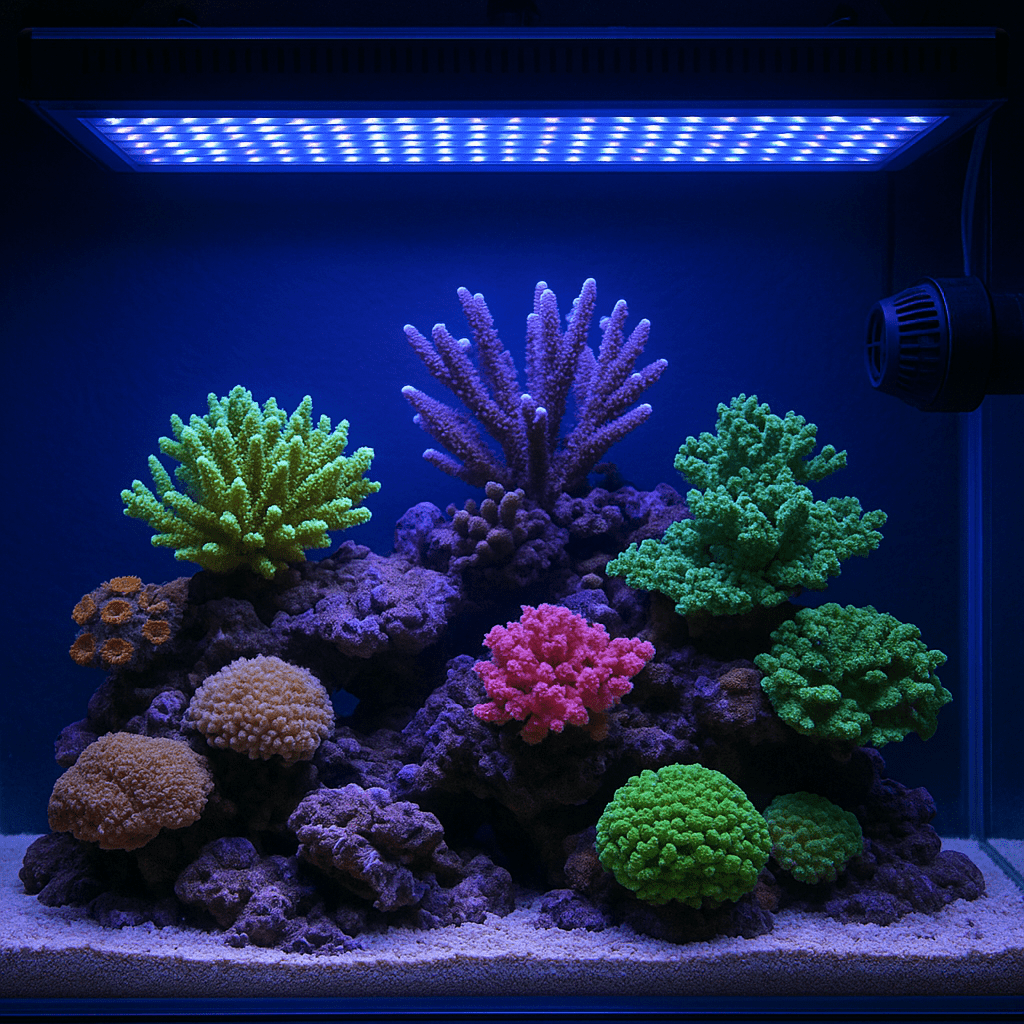
Quarantine saltwater fish before they enter your display tank. This simple step prevents parasites, bacterial infections, and costly losses. A proper quarantine tank also helps new fish recover from shipping stress and start eating well before they face competition in the main aquarium.
Many reef keepers skip quarantine at first. Most regret it later. One sick fish can infect every animal in the system. Catching fish from a reef display is difficult. Treating a tank full of corals and invertebrates is even harder. In this guide, you will learn why quarantine matters, how to set up a simple quarantine tank, what equipment you need, how long to quarantine saltwater fish, and how to handle common problems. You will also learn when to observe, when to medicate, and how to move fish safely into your reef tank.
Quick Reference Table
| Topic | Recommendation |
| Minimum tank size | 10 to 20 gallons for small fish |
| Quarantine length | 2 to 4 weeks minimum, often 30 days |
| Filtration | Sponge filter or hang-on-back filter |
| Heater | Yes, keep temperature stable |
| Hiding places | PVC elbows or inert shelters |
| Substrate | Bare bottom is best |
| Lighting | Low to moderate |
| Water testing | Ammonia daily at first |
| Medication approach | Observation or targeted treatment |
| Never add | Live rock, sand, corals, or inverts during treatment |
Why Quarantine Saltwater Fish Matters
Quarantine protects your display tank. That is the biggest reason. Marine ich, velvet, flukes, and bacterial infections often arrive on new fish. Some fish look healthy at the store. Symptoms may appear days later. Stress from shipping weakens immunity. Parasites then spread fast.
Quarantine also gives fish time to settle. New arrivals often refuse food at first. In quarantine, they face less competition. You can monitor appetite closely. You can also watch breathing, swimming, and waste. These clues help you spot disease early.
This process saves money too. Losing one expensive fish hurts. Losing several fish hurts more. A disease outbreak can also leave your display tank fishless for weeks. That means extra work and stress. Quarantine is easier than managing a full outbreak.
If you are building your first reef, read our anchor text, anchor text, and anchor text for more setup basics.
How Long Should You Quarantine Saltwater Fish?
Most hobbyists should quarantine fish for at least 2 to 4 weeks. Thirty days is a practical goal. This window gives you time to observe behavior, confirm eating, and catch delayed symptoms. If you use a treatment protocol, the timeline may be longer.
Observation-only quarantine works best for healthy fish from trusted sources. Still, you must watch closely every day. If disease appears, the clock often resets after treatment. Fish need stable behavior and normal feeding before transfer.
Some aquarists prefer proactive treatment. They may use copper for ich and velvet, or praziquantel for flukes. This approach can reduce risk. It also adds stress if done poorly. Test kits and exact dosing matter. Never guess with medication levels.
A rushed quarantine often fails. Patience is part of reef keeping. A few extra weeks now can protect years of work in your display tank.
Quarantine Tank Setup
A quarantine tank should be simple. Bare bottom tanks are easiest to clean. They also let you spot waste, uneaten food, and parasites more easily. For most small fish, a 10 or 20 gallon tank works well. Larger fish need more space.
Use a heater with a guard. Add a thermometer. Stable temperature matters more than fancy equipment. Use a sponge filter or hang-on-back filter. Seed the sponge in your sump ahead of time if possible. This helps provide instant biological filtration.
Add PVC elbows or couplings for shelter. Fish need hiding spots to feel secure. Avoid live rock and sand. These materials absorb medications. They also make cleaning harder. Keep lighting dim at first. Bright light can stress new arrivals.
Always use a lid. Many marine fish jump. Wrasses, gobies, and firefish are especially known for this. Keep a dedicated net, bucket, and hose for quarantine use only. This reduces cross contamination.
Step-by-Step Quarantine Process
Step 1: Prepare the tank before buying fish. Mix saltwater, match salinity, and stabilize temperature. Test ammonia and pH.
Step 2: Acclimate the fish gently. Float the bag for temperature. Then use a short drip acclimation if needed. Do not prolong bag exposure too long.
Step 3: Transfer the fish into quarantine. Discard store water. Do not pour it into your tank.
Step 4: Keep lights low for the first day. Offer a small meal after the fish settles. Remove leftovers quickly.
Step 5: Observe daily. Watch breathing rate, body condition, fins, skin, and appetite. Test ammonia often, especially during the first week.
Step 6: Perform water changes as needed. Quarantine tanks are small. Water quality can decline fast.
Step 7: Treat only when needed, or follow a proven protocol carefully. Use accurate test kits with medications like copper.
Step 8: Transfer the fish only after it eats well, behaves normally, and shows no disease signs.
Water Quality and Stability
Water quality is the biggest challenge in fish quarantine. Small tanks foul quickly. Uneaten food, waste, and medications can stress fish fast. Ammonia is the main danger. Test it daily when the tank is new. Use a reliable test kit.
Keep salinity stable. Many hobbyists run quarantine at normal reef salinity. Match the source water first, then adjust slowly later if needed. Sudden swings cause stress. Keep temperature steady, usually around 76 to 78 degrees Fahrenheit.
Do not overfeed. Small meals are safer. Siphon waste often. Water changes solve many quarantine problems. They reduce ammonia, refresh trace elements, and improve oxygen levels. Keep extra mixed saltwater ready at all times.
If you are still learning marine chemistry, our anchor text and anchor text can help you build stronger habits.
Feeding New Saltwater Fish in Quarantine
Feeding is part of treatment. A fish that eats well usually recovers better. Start with foods the species already recognizes. Mysis shrimp, enriched brine shrimp, pellets, nori, and finely chopped seafood all work for different fish.
Offer small amounts two or three times daily. Watch closely. Some fish only eat when they feel hidden. Others respond better to moving food. Tangs often need algae sheets. Wrasses may prefer frozen foods first. Butterflyfish can be difficult and need patience.
Soak foods in vitamins if the fish looks thin or stressed. Garlic is debated, but vitamins and varied nutrition help. Remove uneaten food within minutes. Dirty quarantine water causes more trouble than a missed feeding.
Once the fish eats aggressively, your odds improve. Good feeding response is one of the best signs that a fish is ready for the display tank.
Medication, Observation, and Treatment Choices
There are two main quarantine styles. The first is observation only. The second is proactive treatment. Both can work. Success depends on discipline and consistency.
Observation-only quarantine suits low-risk fish from trusted vendors. You watch closely and treat only if symptoms appear. This avoids unnecessary medication. It also risks missing early disease stages.
Proactive treatment is more aggressive. Many reef keepers use copper for marine ich and velvet. They may add praziquantel for flukes. Some also use antibiotics when clear bacterial symptoms appear. This method can be effective. It must be done with precision.
Never mix medications casually. Always confirm compatibility. Follow manufacturer instructions. Use dedicated test kits. Remove carbon when required. Increase aeration during treatment. Many medications lower oxygen levels.
If you are unsure, observation plus strong husbandry is often safer than random treatment.
Compatibility and Stress During Quarantine
Not every fish should share the same quarantine tank. Aggressive species can harass weaker fish. This masks health issues and prevents feeding. Tangs may chase new additions. Dottybacks can be rough. Large wrasses may dominate timid fish.
Quarantine fish alone when possible. If you must group fish, choose species with similar size and temperament. Add multiple hiding spots. Watch for torn fins, rapid breathing, and refusal to eat. These signs may reflect bullying, not disease.
Keep the tank in a quiet area. Limit sudden movement near the glass. Cover three sides of the tank if fish seem nervous. Stress weakens immunity. Calm fish heal faster and eat sooner.
Before adding fish to your reef, review anchor text to avoid territorial conflicts in the display tank.
Common Problems
Fish Is Not Eating
New fish often refuse food for a day or two. Keep lighting low. Offer species-appropriate foods. Try frozen mysis, live blackworms if available, or algae sheets for herbivores. Check for bullying and poor water quality. Heavy breathing or flashing may suggest parasites.
Ammonia Keeps Rising
This is common in new quarantine tanks. Feed less. Siphon waste daily. Add a seeded sponge filter if possible. Perform larger water changes. Use ammonia alerts as backup, but confirm with a test kit. Do not let ammonia linger.
White Spots Appear
White spots may indicate marine ich. Fine dusting and fast death may indicate velvet. Look at behavior too. Rapid breathing, clamped fins, and lethargy are serious signs. Move quickly with a proven treatment plan. Delay can be fatal.
Fish Breathes Fast
Check oxygen first. Increase surface agitation and aeration. Then test ammonia. If water quality is fine, consider gill parasites, velvet, or shipping damage. Fast breathing is never a symptom to ignore.
Fish Looks Better, Then Worse
This often happens when symptoms cycle. Some parasites drop off temporarily. The fish may seem cured when it is not. Continue the full quarantine period. Do not transfer early because the fish had two good days.
Frequently Asked Questions
Can I quarantine saltwater fish in a bucket?
No. A bucket is not suitable for proper quarantine. Fish need stable heat, filtration, oxygen, and shelter. Use a real aquarium.
Do I need to quarantine captive-bred fish?
Yes, it is still wise. Captive-bred fish often arrive healthier, but shipping stress and store exposure still create risk.
Can I use display tank water in quarantine?
You can, but it does not replace filtration. It also does not make quarantine safer. Freshly mixed saltwater is usually better.
Should I quarantine corals and invertebrates too?
Yes, but in a separate system. Fish medications are not safe for most corals and invertebrates. Coral pests need different protocols.
When is a fish ready for the display tank?
The fish should eat aggressively, breathe normally, show no disease signs, and complete the full quarantine timeline.
Final Thoughts
Quarantine saltwater fish every time. It is one of the best habits in reef keeping. The setup is simple. The cost is modest. The protection is huge. Healthy fish adjust better, eat sooner, and enter the display with less risk. If you want a stable reef tank, quarantine is not optional. It is part of the foundation.
Was this helpful?
Related Posts
Yellowtail Damselfish (Chrysiptera Parasema)
Yellowtail Damselfish are hardy, colorful, and reef safe, but they can be territorial. Learn their care, feeding, tank…
 By
ByWater Chemistry Basics
Water chemistry basics are the foundation of reef success. Learn the key parameters, target ranges, and simple ways…
[favorite_button]
My Bookmarks:
To see full list click here
[user_favorites user_id="" include_links="true" site_id="" post_types="" include_thumbnails="true" thumbnail_size="thumbnail" include_excerpt="false"]