

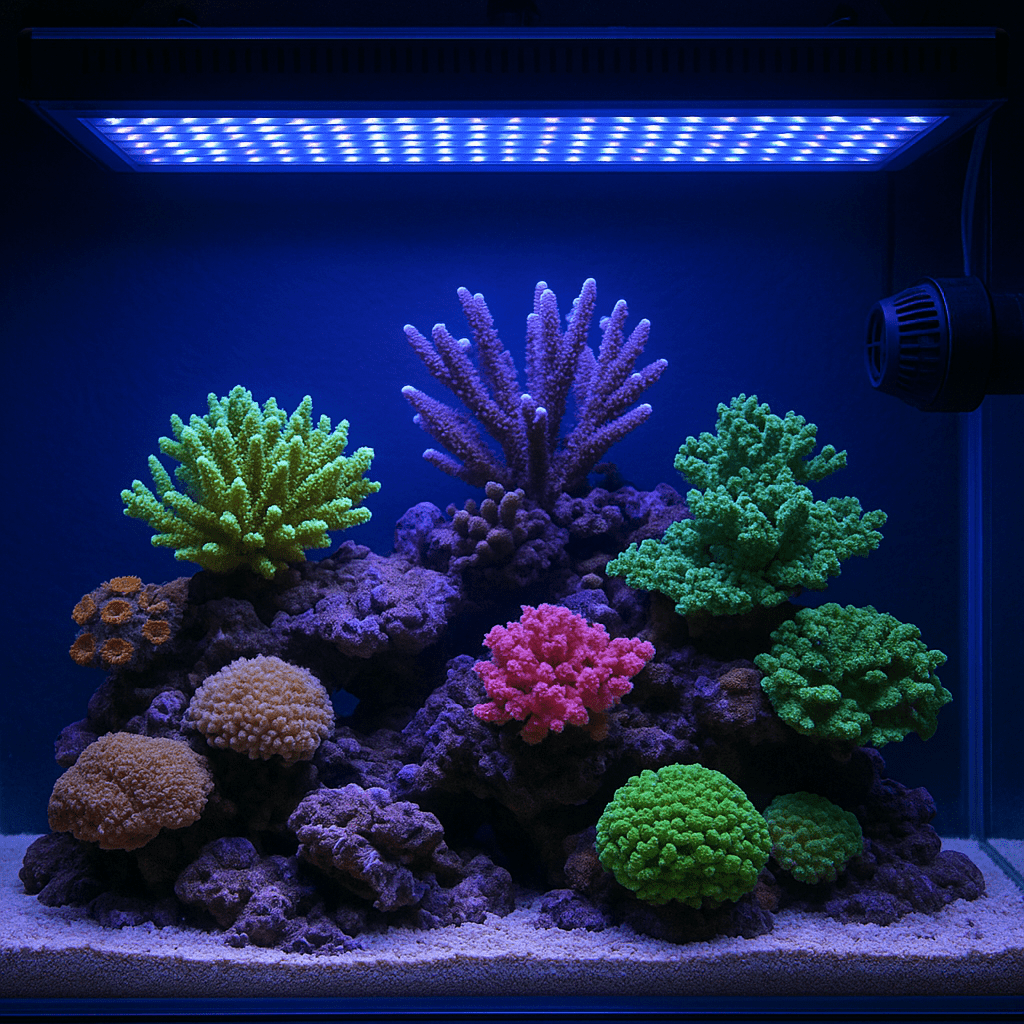
GFO (granular ferric oxide) is a rust-colored aquarium media used to remove phosphate (PO4) and, to a lesser extent, silicate from saltwater. In reef tanks, it is most commonly run in a media reactor or a high-flow media bag to help control nuisance algae, improve coral coloration, and reduce the risk of phosphate-driven instability.
Like most “chemical filtration,” GFO is a tool, not a cure. It works best when you understand what it removes, how fast it can work, and how to use it without shocking your corals.
What does GFO do in a reef aquarium?
GFO binds dissolved phosphate from the water column. Phosphate is a normal nutrient in reef aquariums, but when it rises beyond your tank’s balance point, it can fuel nuisance algae and cyanobacteria, dull coral coloration, and slow calcification in stony corals.
- Primary job: Adsorb phosphate (PO4) onto the surface of the media.
- Secondary job: Reduce silicate, which can help with some diatom issues (especially in newer systems).
- What it does not do: It does not remove nitrate directly, and it does not “fix” the root causes of excess nutrients (overfeeding, detritus buildup, weak export, etc.).
How GFO works (simple chemistry)
Granular ferric oxide is an iron-based material with a high surface area. Phosphate ions in seawater are attracted to and bind to the iron oxide surface. Once binding sites are filled, the media is “exhausted” and stops pulling phosphate effectively.
Because it works by adsorption (surface binding), performance depends on contact time and flow. Water has to pass through the media evenly for it to do its job efficiently.
When should you use GFO?
GFO is most useful when phosphate is persistently elevated or creeping upward and you want a controllable way to bring it down. Common scenarios include:
- Persistent algae despite good husbandry (especially if PO4 tests high).
- Heavily fed tanks with lots of fish or frequent coral foods.
- New systems where phosphate leaches from dry rock, sand, or curing organics.
- After removing a nutrient export method (for example, a refugium crash) when phosphate starts climbing.
It can also be used proactively in small amounts to prevent phosphate from drifting up, but “set and forget” is not the goal. You should test and adjust.
GFO vs other phosphate control methods
There are several ways to manage phosphate in reef aquariums, and each has strengths and tradeoffs:
- GFO: Fast, predictable phosphate reduction; can strip PO4 too quickly if overdosed; requires monitoring and replacement.
- Refugium / macroalgae: Natural and stabilizing; depends on light, growth, and iron; can stall if nutrients or trace elements become limiting.
- Carbon dosing (vodka, vinegar, NOPOX): Reduces nitrate and phosphate indirectly via bacterial growth and skimming; can cause bacterial blooms if mismanaged.
- Lanthanum chloride: Very effective phosphate precipitation; needs careful filtration and dosing control; more common in advanced systems.
- Water changes: Helpful but often not enough alone if phosphate input exceeds export.
Many successful reefs use a combination, such as a refugium for baseline stability and a small amount of GFO when phosphate trends upward.
How to run GFO: reactor vs media bag
GFO works best when water flows evenly through it without turning it into dust. You have two common options:
1) Media reactor (preferred)
A reactor pushes water through the media in a controlled way, maximizing contact and efficiency. For most standard GFO, aim for a gentle “simmer” at the top of the media bed, not a violent tumble. Too much tumbling grinds the media and releases fines that can irritate coral tissue.
- Pros: Efficient, adjustable, consistent results.
- Cons: More equipment; needs occasional cleaning to prevent channeling/clumping.
2) Media bag in high flow (works, but less efficient)
Placing GFO in a mesh bag in a high-flow sump chamber can reduce phosphate, but water often channels around the bag and contact is inconsistent. If you use a bag, keep the layer thin and knead/rinse it periodically to reduce clumping.
- Pros: Cheap, simple, no reactor required.
- Cons: Less efficient; easier to forget; more prone to clumping and uneven flow.
How much GFO should you use?
Start conservatively, especially if your phosphate is high or you keep sensitive SPS. Dropping phosphate too quickly can stress corals, reduce polyp extension, and sometimes trigger tissue recession in already-stressed colonies.
A safe beginner approach is to start with 25% to 50% of the manufacturer’s recommended dose, test phosphate after 24 to 72 hours, then adjust. The “right” amount depends on:
- Tank water volume (actual water volume, not display size)
- Starting phosphate level
- Feeding and bioload
- Other export methods (skimmer, refugium, water changes)
- How quickly you want to change the number (slower is usually safer)
If you are trying to correct a high-phosphate situation, it is often better to do it in steps (smaller amounts changed more often) than to run a large amount of fresh GFO all at once.
What phosphate level should you aim for?
There is no single perfect phosphate number for every reef. Stability matters more than chasing “zero.” Many thriving mixed reefs run with measurable nutrients.
- Typical mixed reef range: ~0.03 to 0.10 ppm PO4
- SPS-dominant systems: often ~0.02 to 0.08 ppm PO4 (with adequate nitrate)
- Soft coral / LPS systems: can do well slightly higher if algae is controlled
Trying to drive phosphate to 0.00 can backfire by starving corals and destabilizing nutrient balance (especially if nitrate is also low).
How often do you replace GFO?
GFO replacement depends on how quickly it exhausts in your tank. In some systems it lasts weeks; in others it can be spent in days. The most reliable method is testing phosphate at the reactor effluent (output water) compared to the tank water.
- If reactor output PO4 is near 0 and the tank is higher, the GFO is still working.
- If reactor output PO4 rises to match the tank, the media is likely exhausted.
- If tank PO4 starts creeping up again, it is often time to change media (or increase amount slightly).
As a rough guideline, many reefers check weekly at first, then settle into a replacement schedule once their tank’s phosphate “demand” is known.
Do you need to rinse GFO?
Yes. Most GFO releases fine dust when first used. Rinsing prevents rusty fines from entering the display and irritating corals or clouding water.
- Reactor: Run the output into a bucket until the water runs mostly clear, then switch to the sump.
- Media bag: Rinse in RO/DI water (or discarded saltwater) until the worst fines are gone.
Some slight tint at first is normal, but you should avoid dumping a heavy cloud of fines into the tank.
Common mistakes and how to avoid them
Using too much GFO too fast
The most common issue is aggressive phosphate stripping. Corals acclimated to higher phosphate can react poorly to a sudden drop.
- Fix: Start with a partial dose and increase gradually.
- Tip: If PO4 is very high, consider smaller, more frequent media changes instead of one large charge.
Too much flow (grinding the media)
Hard tumbling breaks GFO into fines, which can irritate coral tissue and reduce media lifespan.
- Fix: Reduce reactor flow until only the surface gently moves.
- Tip: Check flow again after a day. Some setups change as air purges and media settles.
Letting nutrients bottom out (ULNS problems)
Running GFO alongside strong nutrient export (big skimmer, refugium, carbon dosing) can push phosphate too low. Corals may pale, slow growth, or show poor polyp extension.
- Fix: Back off GFO, feed a bit more, or rebalance export so nitrate and phosphate stay measurable.
- Tip: Watch nitrate too. A very low nitrate with very low phosphate often leads to instability.
Ignoring the source of phosphate
If phosphate keeps rebounding, the tank is receiving more phosphate than it exports. GFO can manage the symptom, but you still want to identify inputs.
- Overfeeding or messy frozen foods (rinse if needed)
- Detritus trapped in rockwork or sump
- Old filter socks/sponges becoming nutrient factories
- Phosphate leaching from dry rock or certain substrates
- RO/DI issues (check TDS and change cartridges)
Is GFO reef safe?
Used correctly, GFO is widely considered reef safe. The main risks come from misuse: stripping phosphate too quickly, releasing fines, or destabilizing nutrient balance. Some hobbyists also report that heavy or long-term GFO use can contribute to low available iron in systems that rely heavily on macroalgae, though this varies and is often managed with appropriate trace supplementation and feeding.
If you keep delicate SPS, treat any nutrient change as a slow adjustment. Stability is the goal.
Practical step-by-step: starting GFO the safe way
- Test phosphate with a reliable low-range kit or photometer.
- Choose a method (reactor preferred; bag acceptable for small systems).
- Measure 25% to 50% dose to start.
- Rinse thoroughly until mostly clear.
- Set gentle flow (light surface movement in a reactor).
- Re-test in 24 to 72 hours and watch corals for stress.
- Adjust slowly by increasing media amount or changing it more often, not by trying to “slam” PO4 down overnight.
FAQ
Can GFO cause coral bleaching?
Indirectly, yes. If GFO drops phosphate too quickly or too low, corals can pale or lose color. Start with a smaller dose and aim for stable, measurable nutrients.
Should I run GFO and activated carbon together?
You can. Many reefers run carbon for water clarity and toxin removal and GFO for phosphate control. If combined in one reactor, use sponges and flow control to prevent grinding and channeling.
Why did my phosphate drop, but algae is still growing?
Algae can persist even after phosphate drops because it can store nutrients internally, and phosphate may still be released from rocks or detritus over time. Keep export consistent, remove detritus, and give the tank time to rebalance.
Does GFO remove trace elements?
GFO is selective for phosphate and some silicate, but any aggressive chemical filtration can shift water chemistry over time. Regular water changes and sensible dosing based on testing help prevent imbalances.
How do I know when GFO is exhausted?
Test phosphate in the reactor output (or near the media bag) and compare it to tank water. When the output rises to match the tank, the GFO is no longer binding phosphate effectively and should be replaced.
Was this helpful?
Related Posts
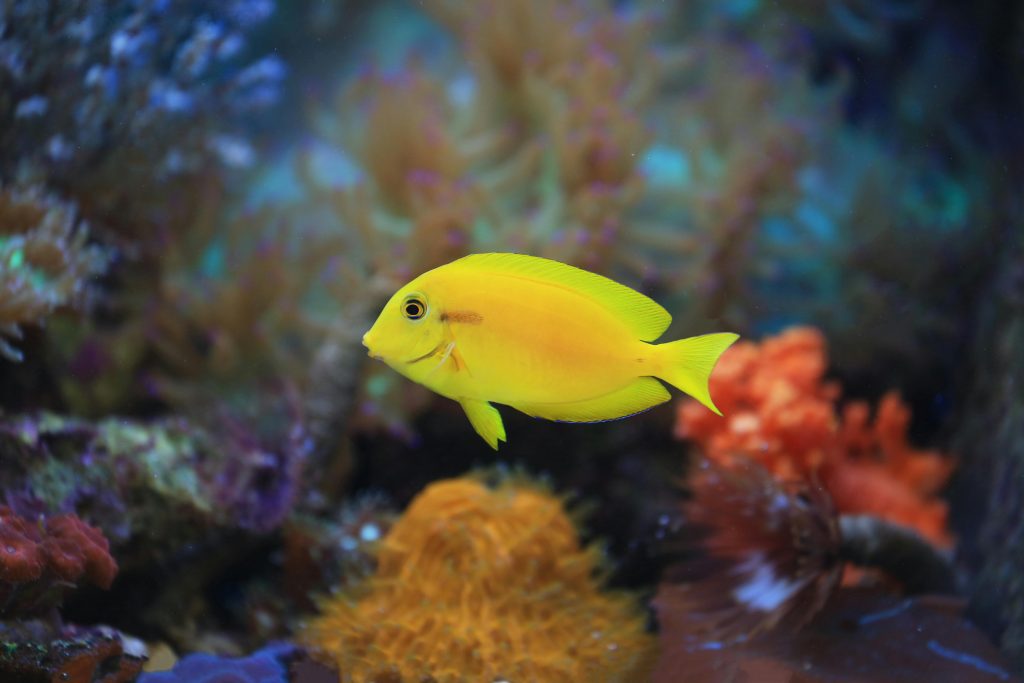
Juvenile Orange Shoulder (acanthurus Olivaceus)
Juvenile orange shoulder tangs are bright, hardy, and reef safe, but they grow large and need a spacious…
 By
ByBest Filtration Systems
Best Filtration Systems for a Healthy Saltwater Aquarium Choosing the best filtration system for your saltwater aquarium is…
[favorite_button]
My Bookmarks:
To see full list click here
[user_favorites user_id="" include_links="true" site_id="" post_types="" include_thumbnails="true" thumbnail_size="thumbnail" include_excerpt="false"]