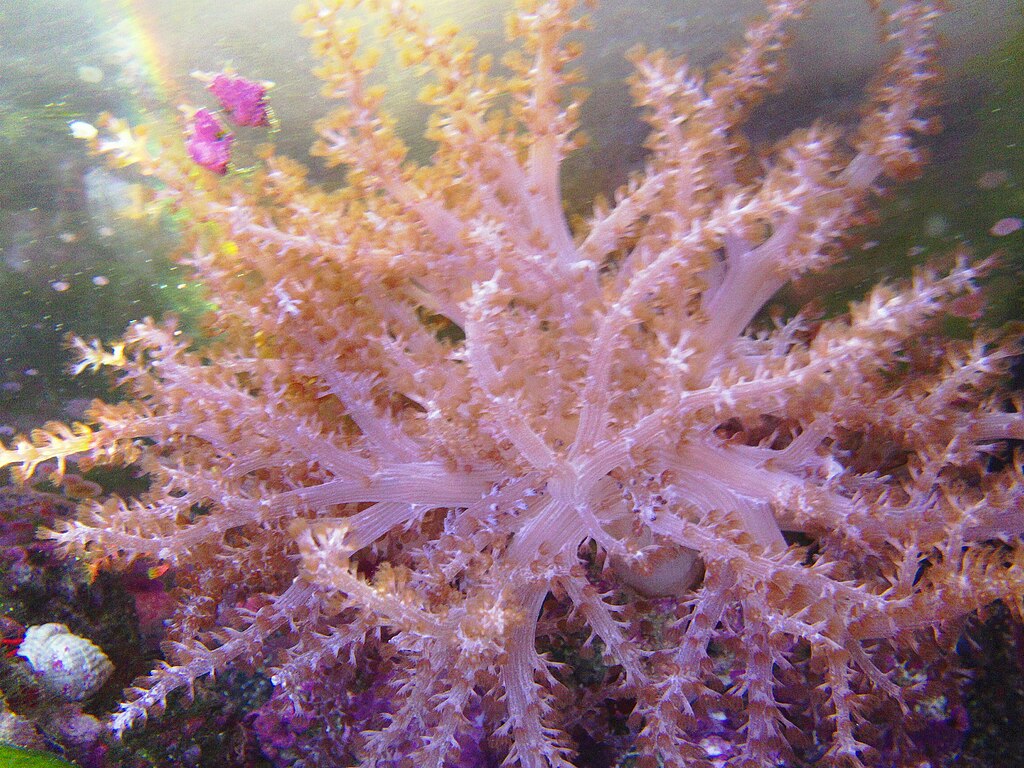
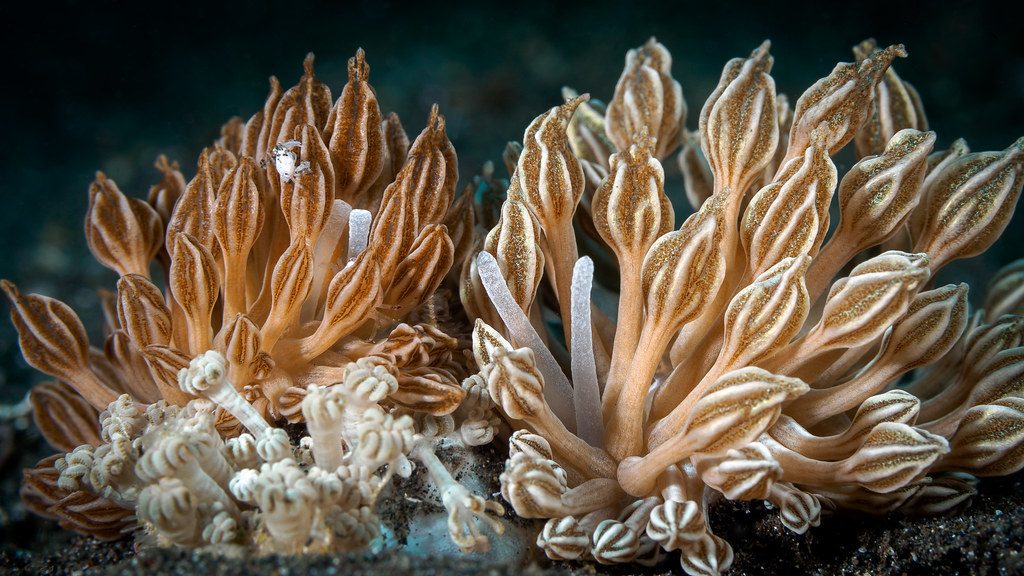
Xenia corals are famous for their pulsing motion. They can also grow fast and surprise new reef keepers. With stable basics and smart placement, they can be rewarding and hardy.
Understanding Xenia growth and placement
Xenia is a soft coral that spreads by creeping and dropping “babies.” It can attach to rock, frag plugs, and even overflow boxes. Plan for growth before you add a single frag. A small clump can cover a rock in months.
Use an “island” rock if you want control. Keep that rock separated from your main reef structure. Leave a 2 to 3 inch sand gap around it. This slows unwanted spreading across bridges and contact points.
Start with moderate light and moderate flow. Aim for 75 to 150 PAR at the coral. Use indirect, random flow that makes polyps sway. Strong laminar flow can stop pulsing and collect detritus on the stalks.
Pulsing varies by tank and is not a perfect health meter. Many colonies pulse less in higher flow. They may also pulse less at night. Track growth, color, and polyp extension instead.
- Place Xenia on an isolated rock to limit spreading.
- Target 75–150 PAR and gentle, varied flow.
- Keep it away from pumps and overflows to prevent clogs.
Water parameters that keep Xenia stable
Xenia likes stability more than “perfect” numbers. Keep salinity at 1.025 to 1.026. Hold temperature at 77 to 79°F. Avoid fast swings from top-off mistakes or heater drift.
Maintain alkalinity at 8 to 9 dKH and calcium at 400 to 450 ppm. Keep magnesium at 1250 to 1400 ppm. These numbers support overall reef balance. Xenia can melt after big alkalinity changes.
Nutrients matter for pulsing soft corals. Keep nitrate around 2 to 15 ppm. Keep phosphate around 0.03 to 0.10 ppm. Ultra-low nutrients can cause shrinking and slow recovery.
Do not chase iodine with random dosing. Many salt mixes already include trace elements. If you dose, test first and dose small. Consider reviewing your routine in reef tank water parameters.
- Match new saltwater salinity within 0.001 specific gravity.
- Limit alkalinity change to 0.3 dKH per day.
- Keep nutrients detectable, not zero.
Feeding, fragging, and troubleshooting “Xenia melt”
Xenia gets much of its energy from light. It still benefits from a “dirty enough” tank. Fish feeding often supplies what it needs. If your tank runs very clean, feed a bit heavier and export slowly.
Fragging is simple but messy. Wear gloves and eye protection. Cut a healthy stalk with scissors or a blade. Rubber band the base to rubble, or use a toothpick and mesh. Expect it to reattach in 3 to 7 days.
“Xenia melt” looks like shrinking, drooping, and tissue breakdown. It often follows parameter swings, shipping stress, or aggressive carbon use. Check salinity first, then alkalinity, then temperature. Improve oxygen with surface agitation and clean pumps.
If Xenia is taking over, prune weekly. Remove whole stalks instead of tearing. Run fresh carbon after trimming to reduce chemical irritation. For more coral planning, see soft corals for beginners and how to frag corals.
- If pulsing stops, check flow direction and detritus buildup.
- If it shrinks fast, confirm salinity and alkalinity stability.
- If it spreads too fast, isolate rock and prune on a schedule.
Xenia corals can thrive in many reef tanks when basics stay steady. Give them moderate light, gentle flow, and room to grow. Plan for their speed, and you will enjoy their motion without the takeover.
Sources: Borneman, E. (2001) Aquarium Corals; Sprung, J. (2005) Corals: A Quick Reference Guide; Delbeek, J.C. & Sprung, J. (1994–2005) The Reef Aquarium (Vols. 1–3)
Was this helpful?
Related Posts
Best Reef Safe Cleanup Crew
The best reef safe cleanup crew includes hardy snails, selective scavengers, and a few specialty invertebrates matched to…
 By
By
Dragonets Fish Care
Dragonets are beautiful reef fish, but they need mature tanks and steady food sources. Learn how to keep…