
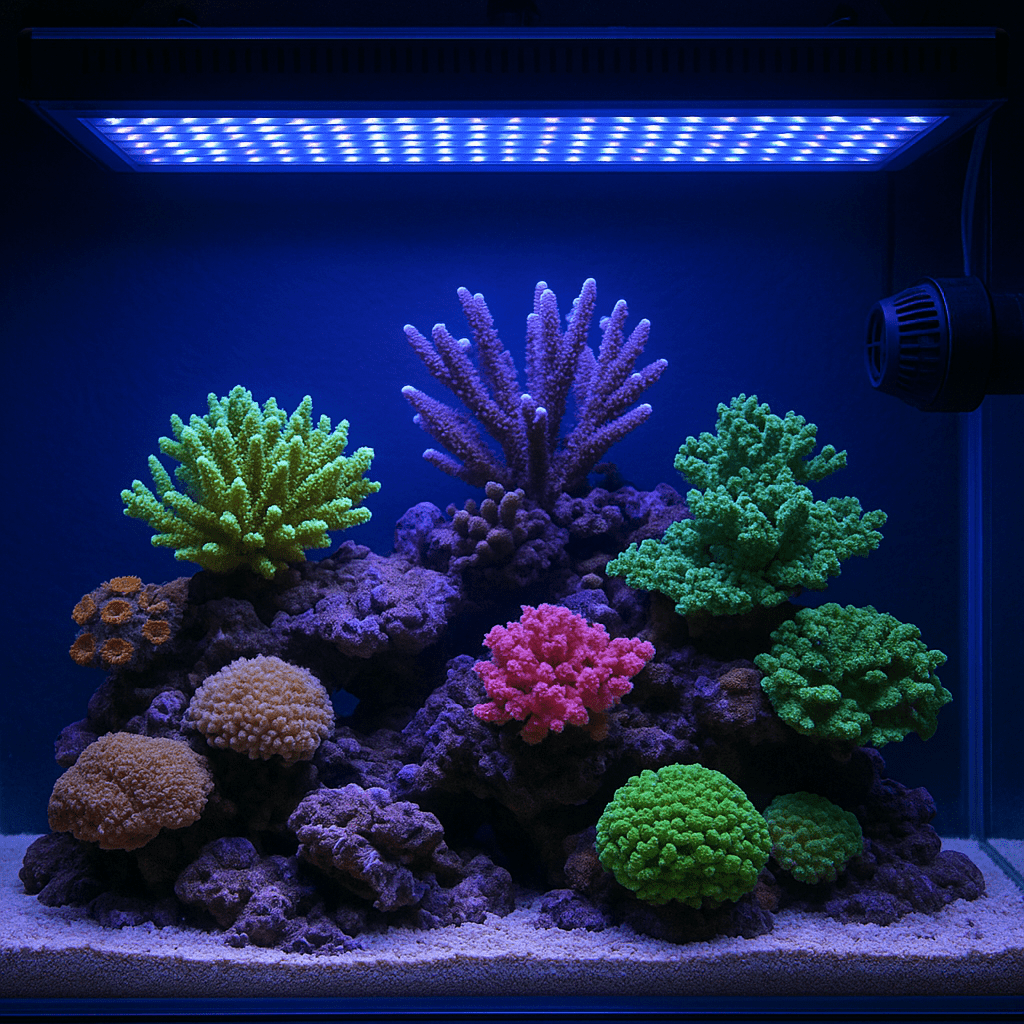
Good coral placement and smart flow planning prevent many reef tank problems. Put each coral where its light, space, and water movement needs match. This improves polyp extension, color, growth, and long term stability.
Many reef keepers focus on lighting first. That matters, but placement is more than PAR. Water flow, coral aggression, growth form, and future size all shape success. A coral that looks fine today may sting neighbors in six months. Another may slowly decline because detritus settles on its tissue. In this guide, you will learn how to place soft corals, LPS, and SPS with more confidence. You will also learn how to read flow patterns, avoid common mistakes, and adjust placement when corals show stress.
Quick Reference Table
| Coral Type | Typical Placement | Flow Need | Main Risk |
|---|---|---|---|
| Soft corals | Low to mid rockwork | Low to moderate | Overgrowing neighbors |
| LPS corals | Low to mid areas | Low to moderate, indirect | Sweeper tentacles and tissue damage |
| SPS corals | Mid to upper rockwork | Moderate to high, varied | Tissue loss from poor stability or dead spots |
| Mushrooms | Lower light zones | Low flow | Detaching and spreading |
| Zoanthids | Low to mid rockwork | Low to moderate | Pests and fast spreading mats |
Why Coral Placement Matters
Corals are not decorations. They are living animals with clear needs. Placement affects feeding, waste removal, gas exchange, and light exposure. It also affects how corals compete with each other. In a reef tank, space is limited. Corals use sweeper tentacles, mucus, and chemical warfare to defend territory.
Bad placement often causes slow decline. A coral may stay alive, but never thrive. You may see dull color, poor extension, slow growth, or tissue recession. These signs often point to the wrong combination of flow and light. Placement also changes as colonies grow. A small frag may fit anywhere. A mature colony can shade lower corals and block circulation. Plan for the coral’s future size, not just its current plug size. That mindset prevents many later problems.
Understand Coral Zones in the Tank
Most reef tanks naturally form zones. The top gets the strongest light. It also gets the most direct flow. The middle offers flexibility. The bottom often has lower PAR and gentler movement. These zones help you decide where each coral belongs.
Upper rockwork usually suits many SPS corals. Acropora, Montipora, and similar species often prefer stronger light and more chaotic flow. Mid level spots work well for many LPS and hardy SPS. Corals like Euphyllia, Favia, and some plating Montipora often do well there. Lower areas suit mushrooms, many soft corals, and fleshy LPS that dislike heavy blast. Sand bed placement can work for open brains, scolymia, and plates, but only if flow keeps debris from settling. Always confirm the needs of the exact coral species. Broad categories help, but species still vary.
Lighting and Placement Work Together
Light drives photosynthesis for most corals. Still, high PAR is not always better. Too much light can bleach tissue. Too little light can cause browning and poor growth. Placement should match the coral’s tolerance and your fixture’s spread.
Start new corals lower than their final spot. Then move them up slowly over one to two weeks. This reduces light shock. Watch for warning signs. Bleaching often means too much light. Stretching or leaning may mean too little. Keep in mind that rock shelves and overhangs create shaded micro zones. These spots can help lower light corals thrive in tanks with strong fixtures. If you run LEDs, check for hotspots. PAR can vary a lot over short distances. Use a PAR meter if possible. If not, rely on coral response and careful observation. You can learn more in our guide to reef tank lighting basics.
How to Read Water Flow Correctly
Flow is often misunderstood. Corals usually do not want a constant direct blast. They prefer varied, indirect, and turbulent movement. Good flow brings oxygen and food. It also removes mucus, waste, and settled debris.
Watch the coral, not just the pump rating. LPS corals should sway gently. Their flesh should not whip hard or fold sharply. SPS corals should show polyp movement without tissue looking sandblasted. Soft corals often like a rhythmic sway. Dead spots are just as harmful as too much flow. If detritus collects around a coral, flow is likely too weak there. If tissue peels or stays tightly retracted, flow may be too strong. Random flow patterns work best in most reef tanks. Use opposing pumps, pulse modes, or gyre style movement to avoid one directional pressure. For a deeper look, see our article on reef tank water flow guide.
Placement Tips for Soft Corals
Soft corals are often beginner friendly, but they still need planning. Many prefer moderate light and moderate flow. Some, like mushrooms, prefer lower flow and lower light. Others, like leather corals, enjoy stronger movement that helps them shed waxy films.
Give soft corals room to spread. Zoanthids, green star polyps, and Xenia can quickly cover rock. Isolate them on separate islands if possible. This makes control easier later. Avoid placing delicate LPS too close to aggressive spreading soft corals. Chemical competition can become a problem in mixed reefs. Running carbon helps reduce this issue. If a leather coral stays closed for days, check for low flow and surface buildup. If mushrooms detach and float away, flow may be too strong. Place soft corals where they can expand fully without touching neighbors.
Placement Tips for LPS Corals
LPS corals often prefer lower to moderate flow and moderate light. Their fleshy tissue can tear under harsh direct current. Many also extend sweeper tentacles at night. This makes spacing very important.
Hammer, torch, and frogspawn corals need room around them. Their tentacles may sting nearby corals, especially at night. Acanthastrea, blastomussa, and micromussa often like lower rockwork with gentle indirect flow. Favia and chalice corals can be more aggressive than they look. Leave extra space. On the sand bed, keep LPS stable and free from shifting grains. Sand blowing onto tissue can cause irritation and infection. If an LPS stays shrunken, check for too much light, too much flow, or nearby aggression. Our LPS coral care guide covers species specific details.
Placement Tips for SPS Corals
SPS corals usually need the most careful placement. They often prefer strong light, stable parameters, and brisk varied flow. Their thin tissue responds quickly to poor conditions. Small mistakes can become visible fast.
Place SPS where water movement reaches all sides of the colony. Branching forms can trap detritus if flow is weak. Plating forms can shade corals below them as they grow. Leave vertical and horizontal space for future expansion. Do not pack frags tightly just because they are small now. Acropora often do best high in the tank with chaotic flow. Birdsnest and Montipora can tolerate slightly wider conditions, depending on the tank. If SPS tips burn or tissue recedes from the base, check alkalinity stability first. Then check flow and light balance. You can also review our SPS coral care basics for more help.
Step by Step Coral Placement Guide
Use a simple process before gluing any coral in place.
- Identify the coral correctly. Care needs vary by species.
- Check its light and flow preference from trusted sources.
- Choose a zone in the tank that matches those needs.
- Look for nearby corals that may sting or shade it later.
- Test the spot by placing the frag there temporarily.
- Watch polyp extension and tissue response for several days.
- Adjust the spot if the coral looks stressed.
- Glue the coral only after you are confident.
- Recheck the area monthly as the colony grows.
This approach saves frustration. It also prevents repeated handling, which can stress sensitive corals.
Common Problems
Coral is Closed or Not Extending
This often points to too much flow, recent placement stress, pests, or unstable parameters. Check for direct pump blast first. Then inspect for nudibranchs, flatworms, or fish nipping. Test alkalinity, salinity, and temperature. Move the coral only if the current spot is clearly wrong.
Tissue is Receding
Recession can follow poor flow, detritus buildup, aggression, or chemistry swings. For LPS, inspect for hidden sweeper damage. For SPS, review alkalinity stability and dead spots around the base. Improve indirect flow and keep nutrients in a reasonable range.
Coral is Bleaching
Bleaching usually means light shock, heat stress, or sudden chemistry changes. Lower the coral or reduce intensity. Confirm temperature stays stable all day. Do not make many changes at once. Slow corrections work best.
Detritus Keeps Settling on Coral
This means flow is too weak in that area. Reposition a powerhead or rotate the coral slightly. The goal is gentle suspension, not a harsh blast. Remove trapped waste during maintenance to prevent irritation.
Frequently Asked Questions
Should I place new corals low in the tank first?
Yes. This helps prevent light shock. Move them upward slowly if needed.
How much space should I leave between corals?
Leave several inches at minimum. Aggressive LPS often need much more. Plan for future growth.
Is direct flow ever okay?
Usually only mild direct flow is safe. Most corals prefer indirect, varied movement instead.
Why does one side of my SPS colony die first?
That side may have poor flow, shading, or detritus buildup. Check circulation around the whole colony.
Can I move corals often until they look happy?
Avoid frequent moves. Corals need time to adjust. Make one thoughtful change, then observe.
Final Tips for Long Term Success
Think ahead when placing every coral. Consider adult size, aggression, shading, and flow path. Keep your aquascape open enough for circulation. Avoid packing every rock with frags too early. A reef looks better when colonies have room to grow naturally.
Most placement mistakes are fixable. The key is patient observation. Watch coral behavior during the day and after lights out. Notice where debris settles. Notice which colonies shade others over time. Small adjustments often make a big difference. When light, flow, and spacing work together, corals reward you with better color, stronger growth, and a healthier reef.
Was this helpful?
Related Posts
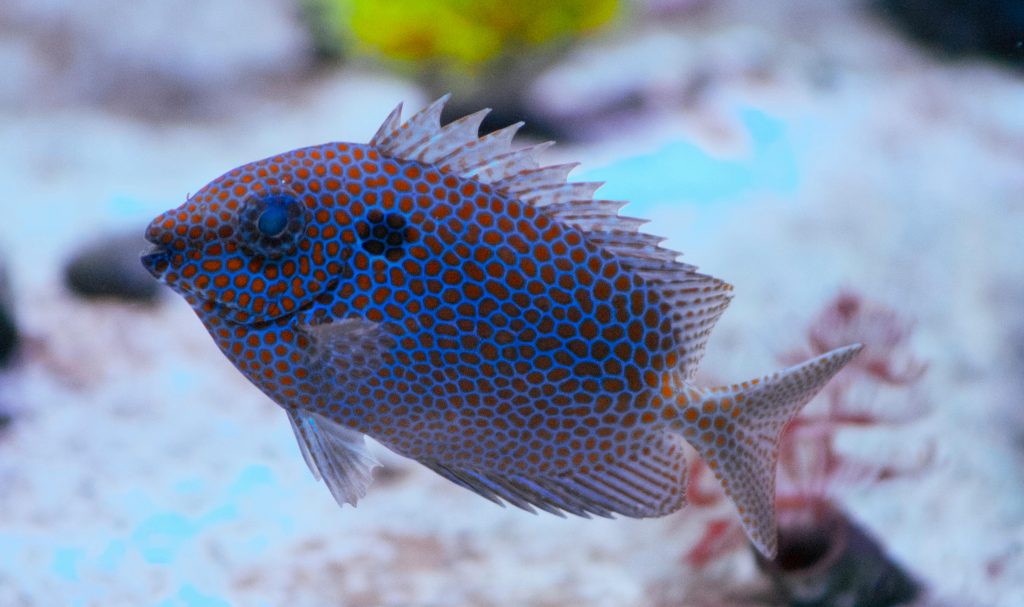
Gold Spotted Rabbitfish (Siganus Punctatus)
Gold Spotted Rabbitfish care includes large tanks, heavy algae feeding, and caution with corals. Learn tank size, diet,…
 By
By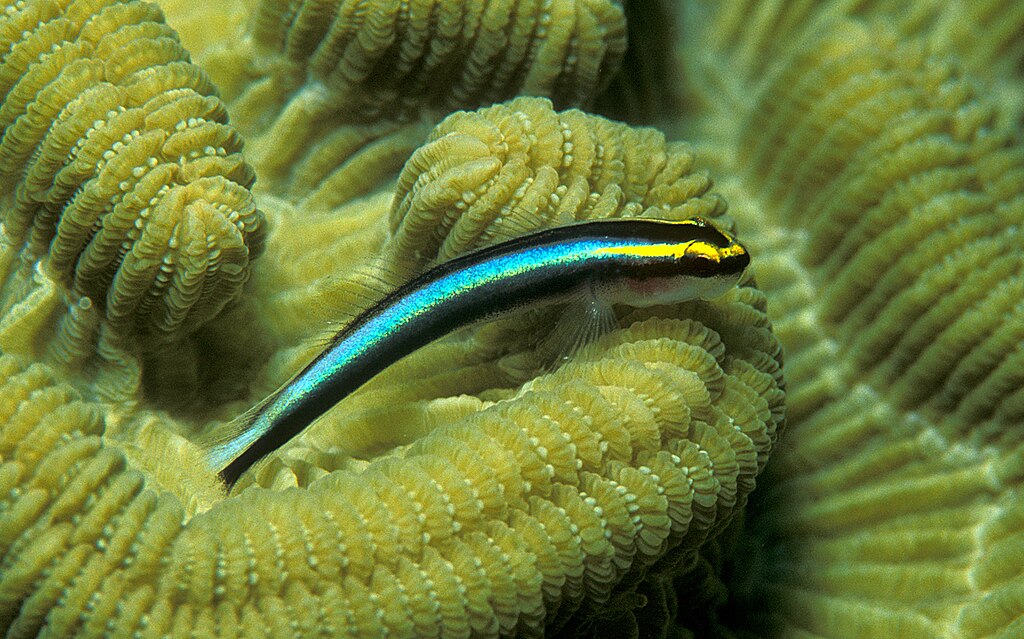
Sharknose Goby (Elacatinus evelynae)
Sharknose Goby care is simple in stable reef tanks. Learn feeding, tank setup, compatibility, and common problems for…
[favorite_button]
My Bookmarks:
To see full list click here
[user_favorites user_id="" include_links="true" site_id="" post_types="" include_thumbnails="true" thumbnail_size="thumbnail" include_excerpt="false"]