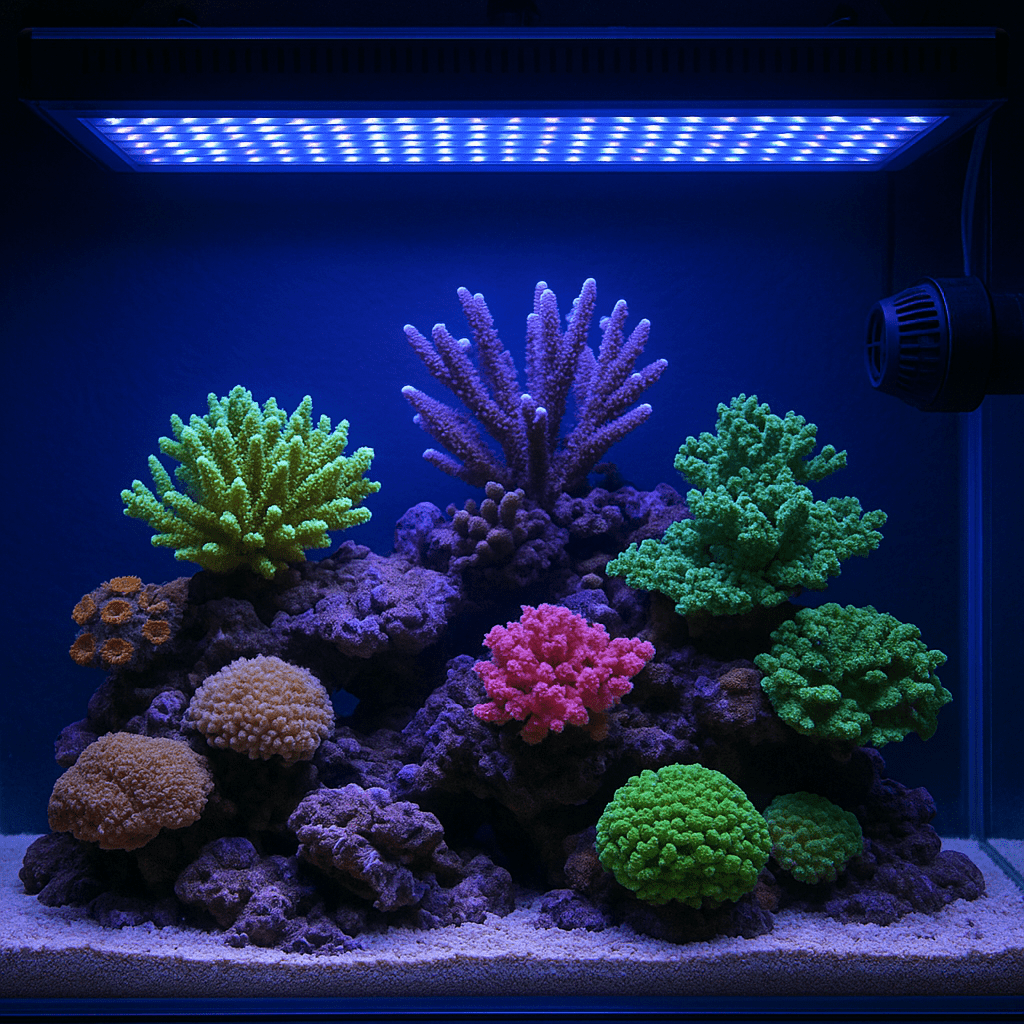
Reef aquarium aquascaping shapes how your tank looks, functions, and matures over time. A smart rock layout improves flow, coral placement, fish behavior, and long-term stability. Good aquascaping is not about stacking rock high. It is about building a healthy reef structure that works for your animals.
Aquascaping is one of the most exciting parts of setting up a reef tank. It is also one of the easiest places to make mistakes. Many beginners use too much rock, block water movement, or create unstable structures. In this guide, you will learn the core principles of reef aquascaping, how to plan your layout, how to place rock safely, and how to design a reef that supports coral growth. You will also learn common mistakes, practical fixes, and how to create a layout that still looks great years later.
Quick Reference Table
| Topic | Best Practice |
|---|---|
| Rock amount | Use enough for structure, but keep open space |
| Tank footprint | Plan around swimming room and maintenance access |
| Structure style | Use islands, arches, or negative space layouts |
| Rock stability | Secure key pieces with epoxy, mortar, or rods |
| Glass clearance | Leave space for cleaning on all sides |
| Coral placement | Match light and flow to coral needs |
| Flow design | Avoid dead spots behind dense rock walls |
| Sand bed | Keep rock on glass or stable supports when needed |
| Fish habitat | Add caves, overhangs, and sleeping spots |
| Long-term growth | Leave room for corals to expand and branch |
Why Aquascaping Matters in a Reef Tank
Your aquascape does more than create a pretty display. It affects nearly every part of reef husbandry. Rock placement changes how water moves through the tank. It also changes where detritus settles. Poor layouts collect waste in hidden pockets. That can raise nutrients and fuel algae problems.
A good aquascape also supports fish health. Many reef fish need caves, ledges, and retreat zones. These spaces reduce stress and aggression. Coral placement depends on the aquascape too. High points get stronger light. Exposed areas get more flow. Lower shelves work better for lower-light corals.
Think of your rocks as the framework of the reef. Everything else builds on that decision. If the layout is too crowded, your corals will compete fast. If the structure is unstable, future maintenance becomes risky. A thoughtful aquascape makes the tank easier to clean, easier to stock, and more enjoyable to watch every day.
Natural Habitat Inspiration
Wild coral reefs are not solid walls of rock. They are complex, open structures with channels, shelves, bommies, and sandy gaps. Water moves around and through these formations. Fish use crevices for shelter. Corals grow where light and current suit them best.
This is useful when planning a home reef. Many beginners build a single rock wall against the back glass. That style was common years ago. It still appears in many tanks. But it limits flow and looks artificial. Natural reefs usually have depth and separation. Open areas are just as important as the rock itself.
Try to copy the feel of a reef, not just the amount of rock. Use negative space. Build channels for flow. Create overhangs and swim-throughs. A more natural layout often looks better and performs better. It also gives fish more usable territory and helps corals stand out as they grow.
Aquarium Setup and Planning
Start with the tank dimensions, not just total gallons. Footprint matters more for aquascaping than volume. A long tank gives more room for islands and channels. A cube tank needs more attention to height and depth. Before placing rock, decide where your overflow, pumps, and cleaning tools will go.
Leave space between the rock and the glass. This helps with algae scraping and flow. It also makes the tank look deeper. Many reef keepers regret pushing rock too close to the panels. You should also think ahead about coral growth. A small frag can become a large colony. Plan empty space now so the reef still looks balanced later.
Dry rock is easier to shape and test outside the tank. Use cardboard or tape to mark the tank footprint on the floor. Then build and rebuild until the layout feels right. Take photos from the front and sides. This helps you spot flat areas, awkward gaps, or unstable joints before water ever enters the tank.
Popular Reef Aquascaping Styles
There is no single correct reef aquascape. Several styles work well when built with purpose. The island style uses two or more separate rock structures. This creates open sand and strong visual depth. It is popular in mixed reefs and fish-focused tanks.
The negative space style uses less rock overall. It focuses on arches, shelves, and open water. This style often looks modern and clean. It also gives excellent flow. The bonsai style uses a central branching structure. It can look dramatic, but it needs careful coral planning.
Some hobbyists prefer a lagoon look. This uses lower rockwork with broad open sand. It suits LPS corals and many peaceful fish. A more traditional wall layout can work in narrow tanks, but it should still include gaps and depth. Choose a style that fits your livestock goals. A tank built for acropora will need a different layout than a soft coral garden.
Step-by-Step Guide to Building a Reef Aquascape
First, sort your rock by size and shape. Flat pieces make shelves. Branching pieces create height and movement. Large base rocks provide stability. Next, place the biggest foundation rocks first. These should sit securely and not wobble. If you use sand, avoid balancing heavy rock on loose substrate alone.
Then build the main structure with open paths for flow. Step back often. Check the layout from eye level. Look for caves, ledges, and open swimming lanes. Keep the highest points low enough to leave room for coral growth. Tall rock stacks can quickly become crowded under strong lighting.
Finally, secure important joints. Use reef-safe epoxy, super glue gel, acrylic rods, or mortar. Test each section before filling the tank. If a snail or urchin can knock it loose, fix it now. Once the structure is stable, imagine where your corals will go. Reserve bright, high-flow areas for demanding species. Save lower zones for corals that prefer gentler conditions.
Lighting and Coral Placement
Aquascaping and lighting always work together. The highest rock points receive the strongest PAR. These areas usually suit SPS corals, clams, and other light-demanding animals. Mid-level shelves often work for many LPS corals. Lower shaded zones suit mushrooms, some zoanthids, and other lower-light species.
Do not build only for the first coral you buy. Build for the reef you want in two years. Branching corals cast shade as they grow. Plating corals can block light below them. Fast growers can dominate small ledges. Leave enough horizontal and vertical space between future colonies.
It helps to think in coral zones. Create bright tops, moderate shelves, and shaded recesses. This gives you more stocking flexibility later. If your light spread is uneven, adjust the aquascape to match it. The best reef layouts use the full light field well, rather than forcing every coral into one crowded area.
Water Flow and Detritus Control
Water flow is one of the biggest reasons aquascapes succeed or fail. Dense rock walls block circulation. That creates dead spots where waste settles. Over time, these areas trap detritus and can contribute to algae, cyanobacteria, or elevated nutrients.
Build with water movement in mind. Leave channels between structures. Raise some sections so flow can pass underneath. Avoid pressing large flat rocks tightly together. Powerheads can only do so much if the rock layout fights them. Open aquascapes usually stay cleaner and need less manual blasting.
After the tank is running, watch how food particles move. Use a turkey baster to blow behind the rocks. If clouds of waste appear, the layout may need adjustment or stronger directional flow. The goal is not brutal current everywhere. The goal is consistent movement that keeps waste suspended long enough for filtration to remove it.
Compatibility With Fish, Corals, and Invertebrates
Different animals use aquascapes in different ways. Wrasses may need sand to sleep. Gobies like lower caves and burrow zones. Tangs prefer open swimming lanes. Basslets and dottybacks often claim rock crevices as territory. If the layout lacks shelter, shy fish may stay hidden or become stressed.
Coral compatibility matters too. Aggressive LPS corals need space for sweeper tentacles. Soft corals can spread fast and cover nearby rock. SPS corals need room for branch growth and strong flow. A mixed reef needs separation between coral types. Smart aquascaping helps prevent future coral warfare.
Invertebrates also influence design. Urchins can dislodge loose frags. Large snails can topple unstable pieces. Shrimp and crabs use caves and overhangs heavily. Build with your livestock in mind. A beautiful layout that ignores animal behavior often becomes frustrating later.
Common Problems
My aquascape looks too crowded
This is very common in new reef tanks. Many hobbyists use too much rock because they want more biofiltration or hiding places. Modern filtration and porous rock reduce that need. Remove some rock if the tank feels packed. Open space often improves both appearance and function.
Detritus keeps collecting behind the rocks
The likely cause is blocked flow. Add more open channels or redirect powerheads. You may need to rotate a rock or remove a rear section. Regular baster cleaning helps, but layout fixes work better long term.
My rock structure feels unstable
Do not ignore this problem. Reef tanks contain snails, fish, and maintenance tools that can shift rocks. Rebuild unstable areas now. Use reef-safe mortar, rods, or epoxy. Stable foundations are worth the extra effort.
There is no room left for coral growth
This usually happens when the rockwork is too tall or dense. Trim back the plan before adding more corals. Lowering the visual mass of the rock often creates a better long-term reef. Corals should become the display over time, not the bare rock.
Long-Term Aquascaping Tips
The best aquascapes age well. That means they still work after corals grow in, fish establish territories, and maintenance becomes routine. Leave enough room to clean the glass. Leave room to place frags. Leave room to remove problem corals later if needed.
Take photos every few months. This shows how the reef is filling in. It also helps you spot areas that are becoming too shaded or crowded. Be willing to make small changes early. Minor adjustments are much easier before colonies attach and spread.
Most of all, resist the urge to overbuild. Simpler layouts often look better after one year. Coral growth adds complexity naturally. Your job is to create a strong foundation that supports that growth without limiting it.
Frequently Asked Questions
How much rock do I need for a reef tank?
There is no fixed rule anymore. Use enough rock to create structure and habitat. Keep plenty of open space for flow and swimming.
Should reef rock touch the back glass?
Usually no. Leave space for cleaning and circulation. Tanks are easier to maintain when rock stays off the glass.
Is negative space aquascaping better?
It is often better for flow, coral growth, and a natural look. It is not the only good style, but it works very well in many reef tanks.
Can I aquascape with dry rock?
Yes. Dry rock is popular because it is easy to shape and clean. It also lets you build the layout slowly before the tank is filled.
When should I glue or mortar reef rock?
Secure the main joints during the initial build. Any piece that can shift should be fixed before livestock is added.
Helpful FancyReef Guides
- reef tank setup checklist
- reef tank water parameters
- best beginner corals
- reef tank flow guide
- how to cure dry rock
Was this helpful?
Related Posts
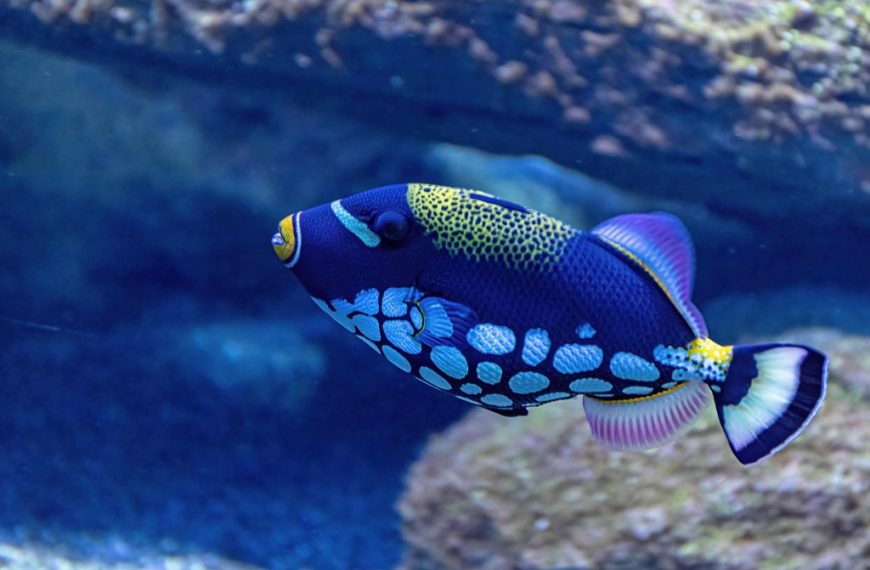
Clown Triggerfish (Balistoides Conspicillum)
Clown triggerfish are stunning but aggressive marine fish that need very large tanks, strong filtration, and careful tankmate…
 By
By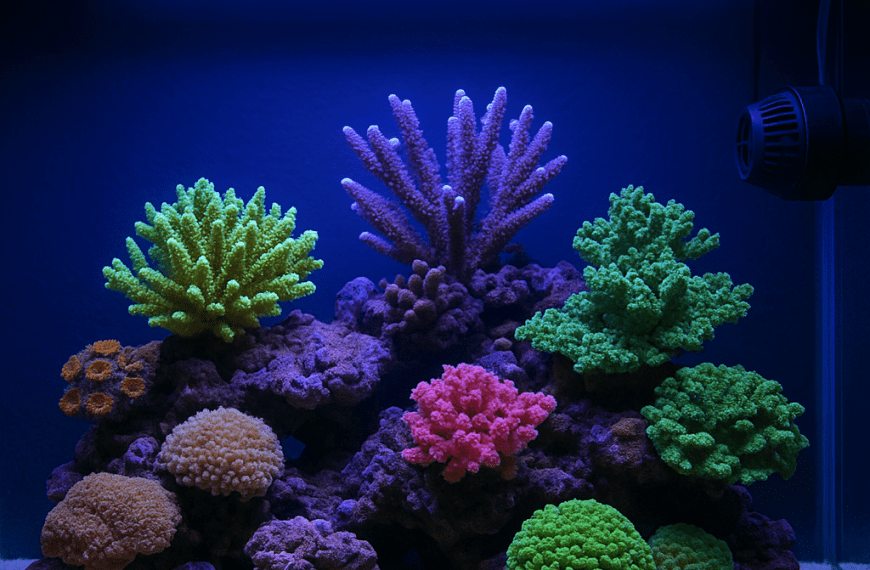
Beginner Reef Tank Checklist
Use this beginner reef tank checklist to choose the right gear, cycle safely, and avoid common mistakes in…