


Reef tank plumbing moves water safely between your display, overflow, sump, and return pump. A simple, well-planned system runs quietly, prevents floods, improves filtration, and makes maintenance easier. Most beginners do best with a basic overflow, drain, sump, return pump, and a few quality valves and unions.
Plumbing can feel intimidating at first. Many reef keepers worry about leaks, noise, and overflow failures. The good news is that reef plumbing follows a few simple rules. Water drains down by gravity. A return pump sends it back up. The goal is stable, predictable flow with easy service access. In this guide, you will learn the main plumbing parts, how to size them, how to plan a clean layout, and how to avoid common mistakes. I will also cover noise control, flood prevention, and beginner-friendly troubleshooting tips that save time and stress.
Quick Reference Table
| Component | What It Does | Beginner Tip |
|---|---|---|
| Overflow box | Skims surface water to the drain | Choose a reliable design with emergency capacity |
| Drain line | Moves water from tank to sump | Use larger pipe than the return when possible |
| Sump | Holds equipment and extra water | Leave room for drain-down during power loss |
| Return pump | Sends water back to display | Aim for steady flow, not maximum flow |
| Return line | Carries water from pump to tank | Add a union for easy pump removal |
| Gate valve | Fine-tunes drain flow | Best for siphon drains |
| Ball valve | Simple on or off control | Use for isolation, not fine tuning |
| Union fitting | Allows easy disconnection | Place near pumps and major equipment |
| Check valve | Helps reduce backflow | Never rely on it alone for flood prevention |
How Reef Tank Plumbing Works
A reef tank plumbing system has two jobs. First, it removes water from the display. Second, it returns filtered water back to the display. Gravity handles the drain side. The return pump handles the return side. This simple loop powers your sump, skimmer, heaters, reactors, and refugium.
Water enters the overflow through surface skimming teeth or a weir. It then flows down the drain line into the sump. In the sump, equipment treats the water. The return pump then pushes water through the return line and back to the aquarium.
The most important concept is balance. Your overflow must handle more water than your return pump sends upward. If not, the display can rise too high. You also need enough sump space to hold water that drains down during a power outage. This is why planning matters more than buying extra parts. A clean, simple layout is usually the most reliable one.
Main Plumbing Parts Every Reefer Should Know
Start with the overflow. This is where water leaves the display tank. Reef-ready tanks often have built-in overflow boxes with drilled bulkheads. These are safer and cleaner than hang-on overflows for most hobbyists.
Next are the drain lines. These pipes carry water down to the sump. Drain lines should be quiet, unrestricted, and sized for safety. Many reef keepers use PVC pipe, flexible vinyl tubing, or flexible PVC. Each option works. Rigid PVC looks neat and stays stable. Flexible tubing reduces vibration and can simplify tricky bends.
The sump is the heart of the system. It adds water volume and hides equipment. The return pump sits in the sump or externally nearby. It pushes water back through the return line. Valves help isolate or adjust flow. Unions let you remove parts without cutting pipe. Bulkheads create watertight passages through glass or acrylic. If you understand these parts, the whole system becomes much easier to manage.
Choosing a Drain Style
There are three common drain styles in reef aquariums. The first is a single drain. It is simple but less forgiving. It can be noisy and offers less redundancy. Many beginners outgrow it quickly.
The second is a Herbie drain. This uses one full siphon drain and one emergency drain. The siphon handles normal flow. The emergency stays mostly dry. This design is quiet and very popular. It needs a gate valve on the siphon line for fine tuning.
The third is a BeanAnimal drain. This uses three drains. One is a siphon. One is an open channel. One is an emergency. It is very quiet and very safe. It is often the best option for larger tanks. It also needs more space and more planning.
For many home reef systems, a Herbie offers the best mix of silence, simplicity, and safety. If your tank supports a BeanAnimal, that is even better. Redundancy matters. A clogged drain should never become a flood.
Step-by-Step Planning Guide
Plan the system on paper first. Measure the tank, stand, sump, and equipment. Confirm where each bulkhead, valve, and union will sit. Make sure you can still remove the skimmer cup, filter socks, and return pump.
- Choose your overflow and drain style.
- Match the sump size to your stand and tank volume.
- Select a return pump based on head height, not tank size alone.
- Decide on pipe material and fitting type.
- Add unions near the pump, bulkheads, and key equipment.
- Use a gate valve on siphon drains for fine adjustment.
- Dry fit all plumbing before gluing anything.
- Test with freshwater before adding saltwater.
- Simulate a power outage and watch the sump level.
- Label valves if your system has multiple branches.
This process prevents expensive mistakes. It also helps you build a system you can service later. Plumbing should support maintenance, not fight it.
Pipe Sizing and Return Pump Basics
Bigger is usually better on the drain side. Larger drains move water with less restriction and less noise. Many reef keepers use a smaller return line than the drain line. That is normal. Never reduce drain size below the bulkhead rating.
Return pump sizing confuses many beginners. You do not need extreme sump turnover. In most reef tanks, three to five times display volume per hour through the sump is enough. Internal flow should come from powerheads or wavemakers, not from blasting water through the overflow.
Always account for head height. This is the vertical distance from the pump to the return outlet, plus resistance from elbows, manifolds, and fittings. A pump rated at high flow on the box will deliver less in real use. Check the pump curve. Choose a model that meets your target flow at your actual head height. This avoids weak return flow and constant pump upgrades.
Best Practices for Quiet Plumbing
Noise usually comes from air, turbulence, or vibration. A tuned siphon drain is often the quietest setup. This is why Herbie and BeanAnimal systems are so popular. They reduce air mixing inside the drain line.
Use a gate valve, not a ball valve, to tune a siphon. Gate valves make small adjustments easier. Keep drain runs smooth when possible. Too many sharp elbows increase noise and restriction. Flexible sections near the return pump can reduce vibration transfer into the stand.
Submerged drain outlets in the sump can help, but they can also trap air if poorly placed. Test different outlet depths. Secure pipes so they do not rattle against the stand. A quality DC return pump also helps because it allows easy flow adjustment. Quiet plumbing is not about one magic part. It comes from good layout, proper tuning, and controlled flow.
Flood Prevention and Safety
The safest reef plumbing plans for failure. Snails can enter overflows. Algae can clog strainers. Check valves can stick. Pumps can stop without warning. Your system must stay safe when these things happen.
Always include an emergency drain if possible. Keep it unobstructed. Do not put valves on emergency lines. Leave enough empty sump volume to hold all drain-down water during a power outage. Test this by shutting off the return pump. Watch where the water level stops. Mark the maximum safe sump level and never fill above it.
Return nozzles should sit near the surface or have anti-siphon holes. This limits back-siphon when power fails. Clean those holes often because salt creep can block them. Use drip loops on electrical cords. Secure plumbing so fittings do not twist under stress. Safety in reefing is mostly about redundancy and testing. Never assume a new setup is safe until you prove it with a wet test.
Aquarium Setup Tips for a Clean Plumbing Layout
Good plumbing starts with stand layout. Leave room around the sump for maintenance. You need access to socks, skimmer, probes, and reactors. Tight plumbing may look neat at first, but it becomes frustrating later.
Use unions anywhere a part may need removal. This includes the return pump, UV sterilizer, manifold, and major drain sections. Support long pipe runs so bulkheads do not carry all the weight. If you use hard PVC, make sure fittings line up naturally before gluing. Forced alignment creates stress and future leaks.
Manifolds can feed reactors from one return pump. This can save space and power. Keep them simple. Too many branches reduce return flow and complicate tuning. Labeling valves is a small step that helps a lot during maintenance. For more planning help, see reef tank setup checklist, how to choose a reef sump, and reef tank return pump sizing.
Common Problems
Why is my overflow so loud?
Loud overflows usually mean too much air is mixing with drain water. The drain may be untuned, undersized, or pushed too hard by the return pump. Reduce return flow first. Then tune the siphon slowly if you use a Herbie or BeanAnimal. Check for obstructions and excess elbows.
Why does my sump water level keep changing?
In most sump systems, only the return chamber changes with evaporation. If other sections swing wildly, baffles may be too low or flow may be unstable. Top off freshwater daily or use an ATO. Also inspect socks and filter media for clogs that alter water height.
Why is my return pump flow weak?
Weak flow often comes from head loss, dirty pumps, blocked strainers, or oversized manifolds. Clean the pump and impeller. Check tubing for kinks. Compare your setup to the pump curve. Many pumps deliver much less flow once head height is added.
Why did water back-siphon during a power outage?
The return outlet was likely too deep, or anti-siphon holes failed. Raise the outlet closer to the surface. Clean anti-siphon holes often. Never trust a check valve alone. Make sure the sump has enough reserve volume to catch all drain-down water.
How do I fix a small plumbing leak?
First, identify the exact source. Bulkheads often leak from bad gasket placement or overtightening. Threaded fittings may need proper thread sealant. Slip fittings usually leak from poor gluing. Dry the area, test with freshwater, and fix the cause instead of wrapping the outside with tape.
Frequently Asked Questions
Do I need a sump for a reef tank?
No, but it helps a lot. A sump adds water volume, hides equipment, and improves filtration options.
Should I use PVC or flexible tubing?
Both work well. PVC looks cleaner. Flexible tubing reduces vibration and can simplify tight spaces.
How much flow should go through my sump?
Aim for about three to five times display volume per hour. Use powerheads for stronger in-tank flow.
Is a check valve enough to stop floods?
No. Check valves can fail. Always design enough sump capacity and use proper return outlet placement.
What valve should I use on a siphon drain?
Use a gate valve. It allows precise control and makes quiet tuning much easier than a ball valve.
Reef tank plumbing does not need to be complicated. Keep the design simple. Build in redundancy. Test every failure scenario before adding livestock. A quiet, safe plumbing system makes reef keeping much more enjoyable. For deeper system planning, also read reef tank overflow box guide and auto top off systems for reef tanks.
Was this helpful?
Related Posts
Best Filtration Systems
Best Filtration Systems for a Healthy Saltwater Aquarium Choosing the best filtration system for your saltwater aquarium is…
 By
By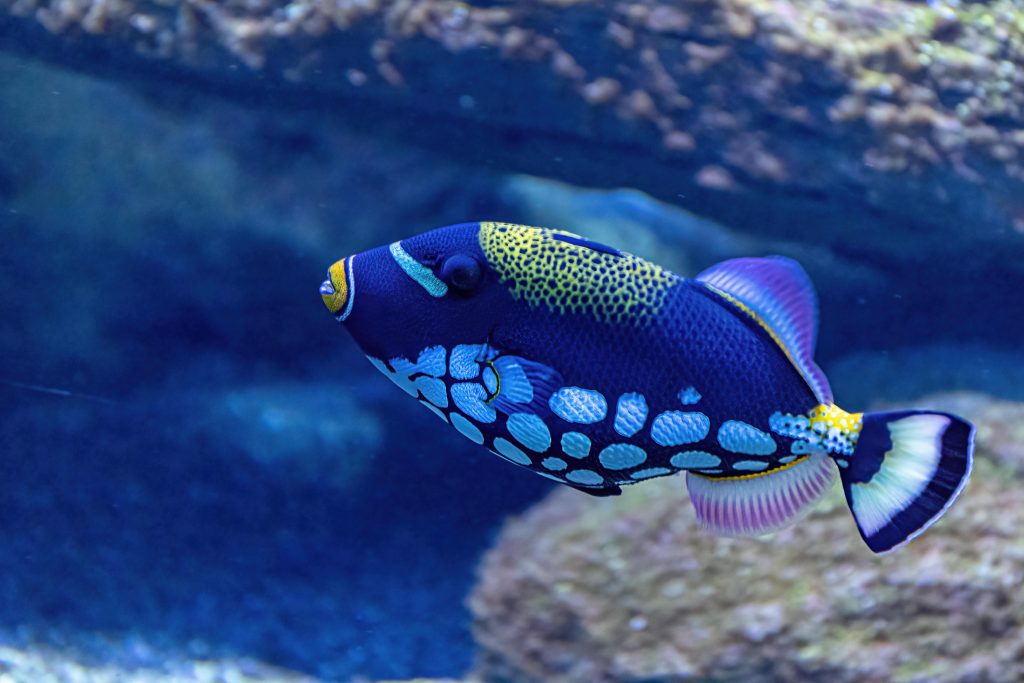
Clown Triggerfish (Balistoides Conspicillum)
Clown triggerfish are stunning but aggressive marine fish that need very large tanks, strong filtration, and careful tankmate…
[favorite_button]
My Bookmarks:
To see full list click here
[user_favorites user_id="" include_links="true" site_id="" post_types="" include_thumbnails="true" thumbnail_size="thumbnail" include_excerpt="false"]