Weekly reef tank maintenance keeps your water stable. It also prevents small issues from becoming expensive problems. A simple routine works better than occasional deep cleans.
Your weekly checklist and target parameters
Start with a quick visual scan. Look for closed polyps, heavy breathing, or new algae. Check pumps and the heater light. Catching changes early saves livestock.
Test the same core parameters each week. Record results in a notes app. Trends matter more than single readings. Aim for stable numbers, not perfect numbers.
Use reef-safe targets for mixed reefs. Keep salinity at 1.025 to 1.026 specific gravity. Hold temperature at 77 to 79°F with under 1°F swing. Maintain alkalinity at 8 to 9 dKH for consistency.
Also check calcium and magnesium weekly. Calcium should sit near 400 to 450 ppm. Magnesium should stay near 1250 to 1400 ppm. Nitrate at 2 to 15 ppm and phosphate at 0.03 to 0.10 ppm often works well.
- Log: salinity, temperature, alkalinity, nitrate, phosphate
- Weekly: calcium and magnesium, plus a quick pH spot check
- Inspect: fish behavior, coral extension, and equipment noise
If you need a refresher on stability, review reef tank water parameters. If algae is creeping in, see nuisance algae control. Those guides pair well with this routine.
Water change, cleaning, and dosing in 30–45 minutes
Plan a 10% water change each week for most tanks. That is 5 gallons on a 50-gallon system. Mix saltwater for 24 hours when possible. Match salinity within 0.001 and temperature within 1°F.
Before you drain, blow detritus from rock and corners. Use a turkey baster or small powerhead. Let the filter sock or skimmer catch the cloud. Then siphon the dirtiest areas from the sand surface.
Clean the glass after the siphon step. Use a magnet for daily film. Use a scraper for coralline once a week. Keep the blade away from silicone seams.
Replace water slowly to avoid stressing fish. Turn off the return pump during the swap. Keep powerheads on for oxygen. Restart the return and check for microbubbles.
- Mix new saltwater to 1.026 and 78°F before you start
- Blow rocks first, then siphon, then clean glass
- After refill, recheck salinity and alkalinity within 30 minutes
Dose after you test, not before. If alkalinity is 7.5 dKH and your target is 8.5, raise it slowly. Limit increases to 0.5 dKH per day. Sudden jumps can burn coral tips.
Troubleshooting common weekly problems
Salinity drift is common in small tanks. An ATO helps, but it can still misread. Calibrate your refractometer monthly with 35 ppt fluid. If salinity rises, check for ATO clogs and evaporation spikes.
High nutrients often show up as film algae and dull coral color. First, confirm test accuracy with fresh reagents. Then reduce feeding by 10% for a week. Increase export with a new filter sock and skimmer cup cleaning.
Low nutrients can also be a problem. Corals may pale and stop growing. If nitrate is 0 and phosphate is 0.00, feed more often. Add one extra frozen feeding per week. Consider reducing aggressive filtration.
Equipment issues ruin stability fast. Clean the skimmer neck weekly for consistent foam. Rinse filter socks every 3 to 4 days. If you run carbon, swap it every 2 to 4 weeks in a mesh bag.
- If alkalinity swings, check dosing pumps for air leaks and clogged lines
- If cyano appears, increase flow and stop over-cleaning the sand bed
- If corals close after maintenance, match temperature and salinity tighter
If fish look stressed, revisit reef fish quarantine basics. Many “maintenance problems” are actually new fish issues. Quarantine reduces surprises.
Weekly reef tank maintenance is about repeatable steps. Keep your testing consistent and your changes small. Your corals will reward stable hands and steady water.
Sources: Randy Holmes-Farley, “Reef Aquarium Water Parameters” (Reefkeeping Magazine); Julian Sprung, The Reef Aquarium (Volumes 1–3); Fenner & Calfo, Reef Invertebrates
Was this helpful?
Related Posts
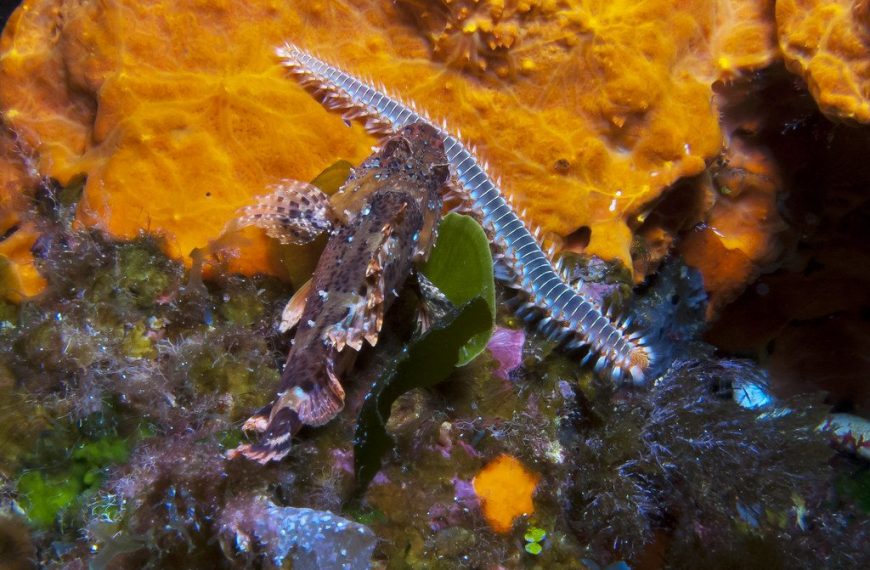
Bristleworms
Bristleworms are usually helpful reef tank scavengers. Learn how to identify them, control numbers, and spot the rare…
 By
By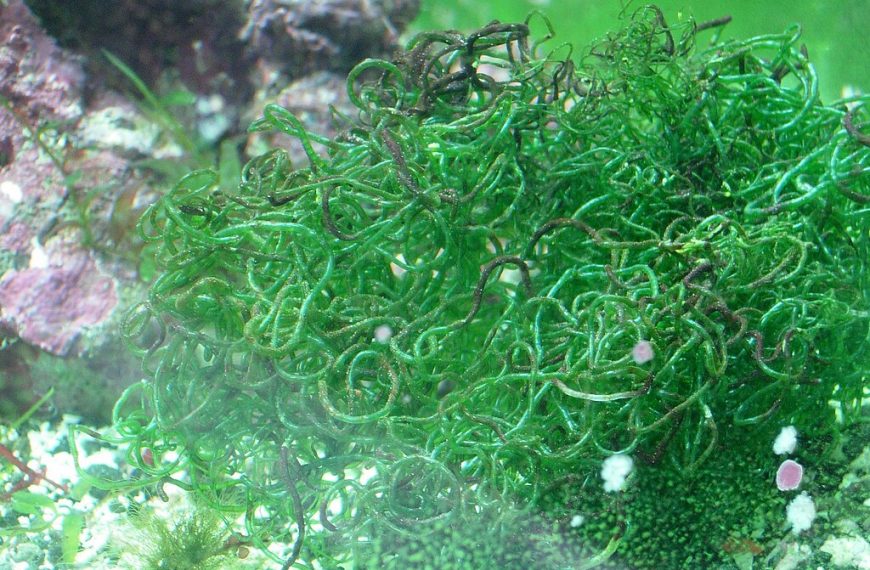
What is a Chaeto Reactor, and How Does it Help Control Nutrients?
A chaeto reactor grows macroalgae in a sealed chamber to remove nitrate and phosphate, helping reef tanks control…