Most reef tank problems come from instability, not bad luck. If your corals close, algae spreads, or fish act stressed, the cause is usually water chemistry, lighting, flow, nutrients, or poor maintenance habits. This guide explains the most common reef aquarium issues and how to fix them fast.
Every reef keeper runs into problems. Even beautiful tanks can drift off course. A small change in salinity, alkalinity, nutrient balance, or equipment performance can trigger a chain reaction. The good news is that most reef tank problems are predictable and fixable. You do not need to guess. You need a method. In this article, you will learn how to identify common symptoms, find likely causes, and apply practical solutions. We will cover algae outbreaks, coral decline, fish stress, parameter swings, pests, and equipment mistakes. We will also look at prevention, because stable tanks are easier to keep than tanks in constant recovery mode.
Quick Reference Table
| Problem | Common Cause | First Fix |
|---|---|---|
| Hair algae | High nutrients, weak export, old rock buildup | Test nitrate and phosphate, reduce feeding, improve export |
| Cyanobacteria | Low flow, nutrient imbalance, detritus | Increase flow, siphon mats, review nutrient levels |
| Corals not opening | Parameter swing, pests, poor placement | Check alkalinity, salinity, flow, and inspect for pests |
| Bleaching | Light shock, heat, alkalinity stress | Reduce light intensity and confirm temperature stability |
| Fish breathing fast | Low oxygen, ammonia, disease | Increase aeration and test ammonia immediately |
| Low pH | Indoor CO2, poor gas exchange | Improve aeration and fresh air exchange |
| Dinoflagellates | Ultra-low nutrients, instability | Confirm ID, raise nutrients carefully, avoid random treatments |
| Tissue recession | Alkalinity swings, pests, bacterial stress | Stabilize parameters and inspect affected corals closely |
Use the table as a starting point. Do not treat symptoms alone. Always confirm the cause before making major changes.
Why Reef Tanks Develop Problems
Reef aquariums are closed systems. Waste builds up fast. Small mistakes become bigger over time. Fish add nutrients every day. Corals consume alkalinity, calcium, and magnesium. Pumps clog. Test kits drift. Top off water gets missed. These small issues stack together.
Beginners often focus on one number. Real success comes from balance. A tank can have acceptable nitrate and still struggle. Flow may be poor. Light may be too strong. Salinity may swing daily. Corals react to the whole environment. Fish do too.
The best approach is simple. Test consistently. Observe daily. Change one thing at a time. Keep notes. Stability beats chasing perfect numbers. A stable tank with slightly imperfect values usually performs better than a tank with constant corrections.
Algae Outbreaks
Algae is one of the most common reef tank problems. New tanks often get diatoms first. Older tanks may battle green hair algae, bubble algae, turf algae, or film algae. Algae is not always caused by one issue. It usually appears when nutrients, light, and maintenance all support growth.
Start by testing nitrate and phosphate. If both are high, reduce feeding and improve export. Clean the skimmer. Empty the cup often. Replace worn filter socks. Siphon detritus from low-flow areas. Use quality RO/DI water. Check the TDS if algae keeps returning.
If nitrate and phosphate test low, do not assume the tank is clean. Algae may be consuming nutrients before test kits detect them. Look for trapped waste in rockwork. Review your light schedule. Long photoperiods often make algae worse. Manual removal helps. So does a proper cleanup crew. Add herbivores that match the algae type. Avoid adding random chemicals without diagnosis.
Cyanobacteria and Dinoflagellates
Cyanobacteria forms slimy red, brown, green, or black mats. It traps bubbles and spreads over sand and rock. Dinoflagellates can look similar, but they are often more toxic and more stubborn. Correct identification matters. The wrong treatment can make things worse.
Cyanobacteria often appears in low-flow zones with trapped detritus. It also shows up when nutrients are out of balance. Increase flow in dead spots. Siphon mats during water changes. Clean the sand surface lightly. Review feeding and mechanical filtration. Keep nitrate and phosphate from bottoming out or spiking hard.
Dinoflagellates often appear in tanks driven too clean. Ultra-low nutrients, aggressive media use, and instability create ideal conditions. Confirm the problem before treatment. Many hobbyists use a microscope for this step. Raise nutrients carefully if they are bottomed out. Reduce unnecessary sterilization of the system. Be patient. Dinos rarely disappear overnight.
Corals Not Opening or Losing Color
Closed polyps and faded color are warning signs. Corals react quickly to stress. Soft corals may shrink. LPS corals may stay tight. SPS corals may pale or lose tissue. The cause can be chemical, physical, or biological.
Check salinity first. It is often overlooked. Then test alkalinity, calcium, magnesium, nitrate, phosphate, and temperature. Alkalinity swings are a major cause of coral stress. A large correction can do more harm than the original problem. Move slowly.
Next, review placement. Corals may get too much light or too much direct flow. Others may be shaded or collecting detritus. Inspect for pests such as flatworms, nudibranchs, vermetid snails, or stinging neighbors. Chemical warfare also matters. Soft corals can irritate nearby LPS and SPS. Running fresh carbon often helps mixed reefs. If one coral declines while others look fine, think placement, pests, or aggression first.
Bleaching and Tissue Recession
Bleaching means a coral loses color rapidly and turns pale or white. Tissue recession means tissue peels back from the skeleton. Both are serious. Both need fast, calm action. Panic changes often make the situation worse.
Light shock is a common cause of bleaching. This happens after installing stronger lights, changing spectrum, or placing corals too high too soon. Use acclimation modes when possible. Start lower and move corals up gradually. Temperature spikes can also bleach corals. Verify your thermometer and controller. Summer heat causes many hidden losses.
Tissue recession often points to alkalinity instability, bacterial stress, pest damage, or chronic irritation. Test alkalinity at the same time daily for several days. Look for swings caused by dosing errors. Check for damaged flesh from too much flow. Fragging healthy sections may save a colony if recession continues. Remove dead tissue if it traps algae or detritus around the living edge.
Fish Stress, Disease, and Sudden Losses
Fish often show trouble before corals do. Rapid breathing, flashing, hiding, clamped fins, and loss of appetite are all warning signs. If more than one fish is stressed, check water quality first. Ammonia, low oxygen, and temperature swings can kill quickly.
Increase surface agitation right away if fish are breathing hard. Make sure return pumps and powerheads are running. Clean salt creep from air intakes. Test ammonia and nitrite if the tank is new or recently disturbed. Large rock moves and sand stirring can release waste.
Parasites are also common. Marine ich, velvet, brooklynella, and flukes all appear in reef systems. A display tank full of coral limits treatment options. That is why quarantine matters. Observe all new fish before adding them. Feed varied foods to support immunity. If fish die suddenly at night, also suspect oxygen depletion. Heavy bacterial blooms and clogged pumps can strip oxygen fast.
Parameter Swings and Dosing Mistakes
Many reef tank problems come from unstable chemistry. Salinity swings stress everything. Alkalinity swings hit stony corals hard. Calcium and magnesium matter too, but alkalinity usually causes the fastest visible response. Dosing errors are common in growing reefs.
Always confirm test results before making big corrections. Retest with a second kit if numbers look strange. Calibrate digital tools often. Refractometers need proper calibration fluid. pH probes drift over time. Dosing pumps can clog or run unevenly. Check the actual output every month.
If alkalinity is falling daily, your corals are consuming more than before. Adjust dosing slowly. Do not raise alkalinity too fast. Match your salt mix to your tank goals. Large water changes with very different alkalinity can shock sensitive corals. Automatic top off systems also deserve attention. If they fail, salinity can swing enough to stress fish and coral within hours.
Equipment Problems That Cause Hidden Trouble
Equipment issues often look like livestock problems. A weak return pump lowers oxygen and turnover. Dirty wavemakers create dead spots. Old heater thermostats fail without warning. Failing lights shift spectrum and intensity. Reactors can strip nutrients too hard or stop working entirely.
Build a maintenance routine for gear. Clean pumps in vinegar or citric acid. Replace worn tubing. Inspect heater guards and cords. Keep spare parts for critical equipment. A backup heater and air pump can save a tank during emergencies. Battery backups are valuable in storm-prone areas.
Do not ignore noise changes. A rattling pump or overflowing skimmer usually means performance is changing. Reef tanks reward attention to details. Small preventive maintenance jobs are easier than recovering from a crash.
Step-by-Step Troubleshooting Method
- Observe the symptom carefully. Note what changed and when.
- Test the basics first. Check temperature, salinity, alkalinity, nitrate, phosphate, and pH.
- Inspect equipment. Confirm pumps, heaters, skimmers, lights, and ATO systems are working.
- Look for physical causes. Check for pests, aggression, detritus buildup, and poor flow.
- Review recent changes. New livestock, new salt, new lights, and media changes often trigger issues.
- Correct the most likely cause slowly. Avoid stacking multiple fixes at once.
- Monitor for several days. Reef tanks often respond with a delay.
This process prevents random corrections. It also helps you learn your tank faster. Patterns become easier to spot over time.
How to Prevent Common Reef Tank Problems
Prevention is easier than recovery. Start with stable salinity and temperature. Use reliable RO/DI water. Quarantine fish when possible. Dip corals before adding them. Feed enough to support fish and coral health, but not so much that waste piles up. Clean detritus before it becomes a nutrient source.
Test regularly, but with purpose. New tanks need closer watching. Mature tanks still need trend tracking. Write down alkalinity and nutrient results. Trends matter more than single numbers. Match your maintenance routine to your stocking level. Heavy fish loads need stronger export. SPS tanks need tighter alkalinity control.
Most important, avoid chasing every online tip. What works in one reef may fail in another. Make changes based on diagnosis. Keep the system stable. Stable tanks grow healthier coral and give you fewer surprises.
Frequently Asked Questions
Why does my reef tank look fine one week and bad the next?
Reef tanks often hide problems until stress builds up. Nutrients, alkalinity, salinity, or equipment performance may drift slowly. Once livestock reaches its stress limit, symptoms appear fast.
What is the most common reef tank mistake?
Instability is the biggest mistake. Many hobbyists change too much too quickly. Stable parameters usually matter more than chasing perfect numbers.
Should I do a big water change when something looks wrong?
Sometimes, but not always. A water change helps with contamination or nutrient spikes. It can also stress corals if salinity, temperature, or alkalinity do not match closely.
Why are my corals closed even though my test results look normal?
Test kits do not show everything. Corals may react to pests, aggression, low flow, light shock, or salinity errors. Review placement and inspect the coral closely.
Can a reef tank recover from major problems?
Yes, many can. Recovery depends on quick diagnosis and steady corrections. Avoid panic changes. Fix the root cause and give the system time to stabilize.
Helpful FancyReef Guides
- reef tank water parameters
- how to lower nitrate in a reef tank
- reef tank lighting guide
- reef tank clean up crew
- coral dipping guide
Was this helpful?
Related Posts
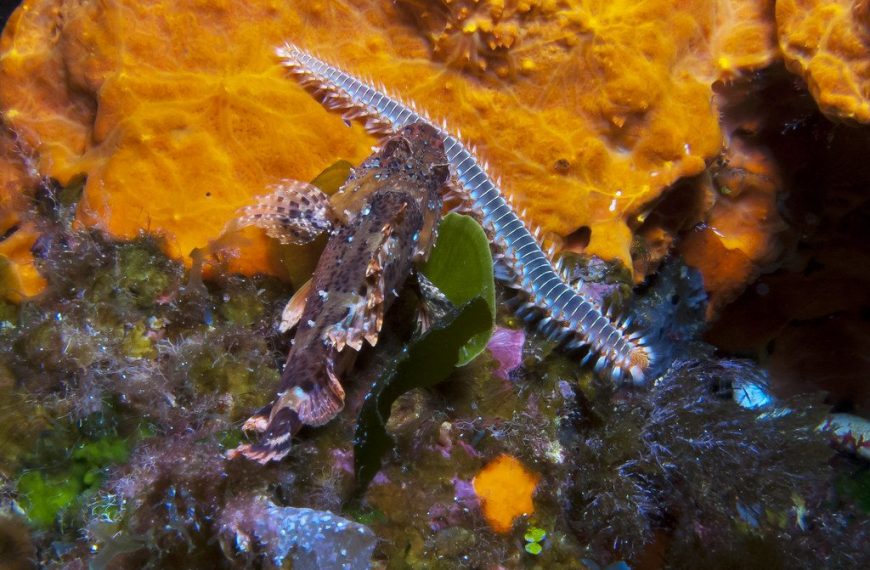
Bristleworms
Bristleworms are usually helpful reef tank scavengers. Learn how to identify them, control numbers, and spot the rare…
 By
By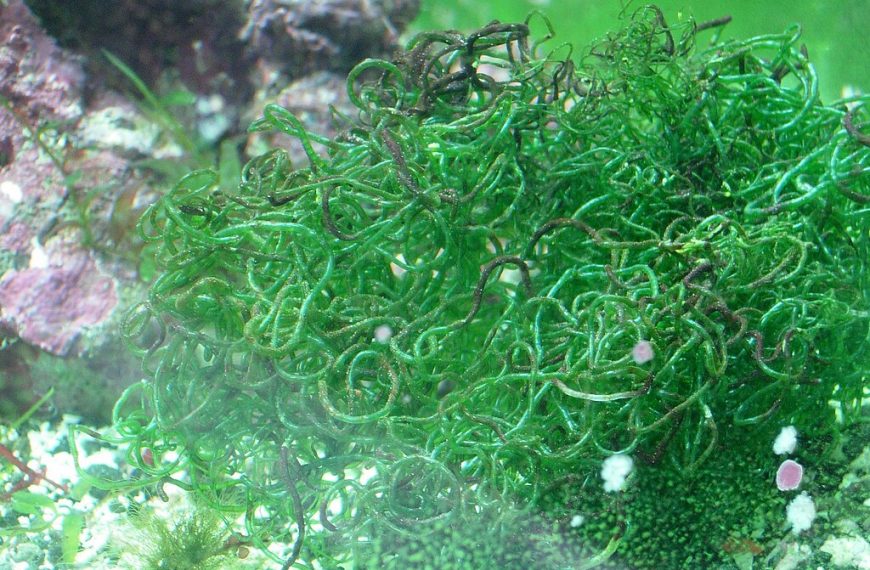
What is a Chaeto Reactor, and How Does it Help Control Nutrients?
A chaeto reactor grows macroalgae in a sealed chamber to remove nitrate and phosphate, helping reef tanks control…