

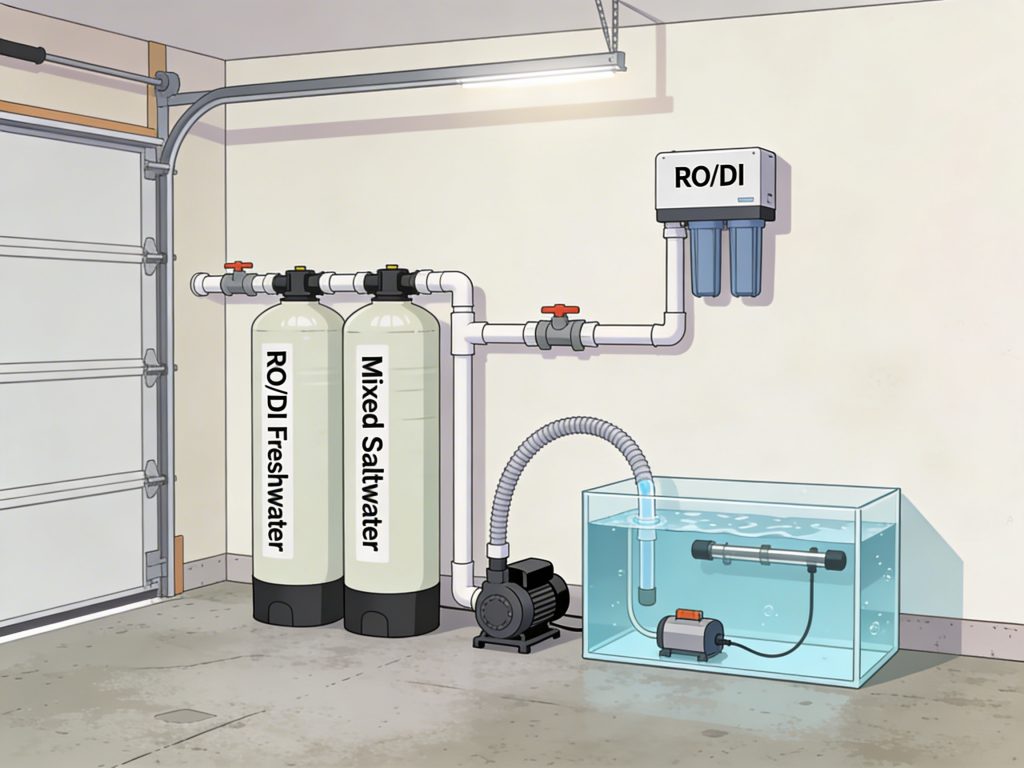
Mixing saltwater the right way prevents many reef tank problems. Good saltwater starts with pure water, the right salinity, and enough mixing time. This guide explains each step clearly. It also shows how to avoid common mistakes that lead to stressed fish, unhappy corals, and unstable water chemistry.
New reef keepers often focus on lights, corals, and fish first. Yet mixed saltwater is the foundation of the whole system. Every water change adds new chemistry to the tank. If that water is inconsistent, the tank becomes inconsistent too. In this guide, you will learn what equipment to use, how to mix reef salt correctly, how long to mix it, how to match tank parameters, and how to troubleshoot cloudy water, residue, and salinity errors. These steps work for reef tanks, fish-only systems, quarantine tanks, and mixing stations.
Quick Reference Table
| Topic | Best Practice |
|---|---|
| Water source | Use 0 TDS RO/DI water |
| Target salinity | 1.025 to 1.026 specific gravity |
| Target temperature | 76 to 78°F before use |
| Mixing time | Usually 2 to 24 hours |
| Circulation | Use a pump or powerhead |
| Heating | Use a heater for reef water changes |
| Testing tool | Calibrated refractometer or digital salinity meter |
| Order of mixing | Add salt to water, never water to dry salt |
| Storage | Store covered with circulation if possible |
| Main risk | Wrong salinity or poorly dissolved salt |
This table gives you the short version. The details matter, though. Small errors in mixing can create big swings in alkalinity, calcium, magnesium, and pH. That is why a repeatable process is so important.
Why Properly Mixed Saltwater Matters
Saltwater is more than salty water. A good reef salt mix contains major ions, trace elements, and buffering compounds. These support fish health, coral growth, and stable chemistry. If the mix is off, the tank can show stress quickly. Corals may stay closed. Fish may breathe harder. Algae may take advantage of instability.
Consistency matters more than chasing perfect numbers. A stable salinity of 1.025 is better than bouncing between 1.023 and 1.027. The same idea applies to temperature and alkalinity. Each batch of new water should match your display tank as closely as possible. This reduces stress during water changes. It also helps avoid sudden coral reactions.
Many common reef problems begin here. Poor source water can add nitrate, phosphate, copper, or silicate. Incomplete mixing can leave undissolved particles. Bad measurements can create salinity swings. The good news is that these issues are easy to prevent with a simple routine.
Equipment You Need to Mix Saltwater
You do not need a complex setup to mix reef salt well. You need clean equipment and a repeatable process. Start with a food-safe container. Many hobbyists use a brute trash can, storage bin, or dedicated mixing barrel. Pick a size that fits your water change schedule.
You also need a pump or powerhead. This keeps the water moving and dissolves the salt evenly. A heater is also useful. It helps match the new water to tank temperature. A refractometer or digital salinity meter is essential. Do not guess salinity. Measure it every time.
Use RO/DI water whenever possible. Tap water causes many avoidable problems. Keep a scoop or cup for salt only. Do not use kitchen tools that may carry soap or residue. Label your mixing gear clearly. This prevents contamination. If you make water often, a dedicated mixing station saves time and improves consistency. For more on source water, see RODI water for reef tanks.
Step-by-Step Guide to Mixing Saltwater
Start with a clean mixing container. Rinse it with fresh water only. Avoid soap or chemical cleaners. Fill the container with the amount of RO/DI water you need. Turn on the pump or powerhead first. Add a heater if you want to match display temperature during mixing.
Next, add salt slowly to the moving water. Never dump all the salt in at once. Add it in portions. This helps it dissolve evenly. It also reduces clumping and precipitation. Follow the salt brand instructions as a starting point. Most brands list the amount needed for a target salinity.
Let the water mix for at least a couple of hours. Many reef keepers prefer overnight mixing. Once dissolved, check salinity with a calibrated tool. Adjust slowly if needed. If salinity is low, add a little more salt. If salinity is high, add more RO/DI water. Recheck after each adjustment.
Before use, confirm temperature and salinity again. If you run a reef tank, it is smart to also test alkalinity occasionally. Different salt brands mix to different levels. This matters if your tank runs a specific alkalinity target. For a deeper look at matching chemistry, read reef tank water parameters.
How Much Salt to Add
The exact amount depends on the brand of salt mix. It also depends on your final target salinity. Most reef tanks do best around 1.025 to 1.026 specific gravity. Fish-only systems can sometimes run slightly lower, but stability still matters most.
Never rely only on the label measurement. Cup sizes vary. Salt can settle in the bucket during shipping. Heavier components may sink. That means one scoop from the top may not equal one scoop from the bottom. It is a good habit to roll or stir a new bucket of dry salt before use. This helps redistribute the contents.
Measure, test, and adjust. That is the safest method. Over time, you will learn the rough amount your preferred salt needs for five gallons, ten gallons, or your full mixing barrel. Even then, still verify with a refractometer. Salinity mistakes are one of the most common causes of bad water changes.
How Long Should You Mix Saltwater?
Most salt mixes dissolve enough for use within a few hours. Many hobbyists mix for 12 to 24 hours for convenience. This gives the water time to fully clear, warm up, and stabilize. It also gives you time to recheck salinity before the water change.
That said, not every salt mix behaves the same way. Some are designed for quick use. Others perform better with a shorter or longer mixing window. Always read the manufacturer instructions. Some high-alkalinity salts can precipitate if mixed too long or heated too aggressively. That can lower calcium and alkalinity in the final batch.
If you see cloudy water after extended mixing, check the salt brand guidance first. In many cases, the answer is simple. Mix with strong flow, use clean RO/DI water, and avoid overheating. If you store mixed water, keep the container covered. This limits dust and reduces evaporation, which can slowly raise salinity.
Aquarium Setup and Water Change Preparation
Good mixing is only half the job. The new water should also match the display tank well. Aim to match temperature closely. Match salinity exactly if possible. This is especially important for SPS tanks, sensitive invertebrates, and systems with large weekly water changes.
Prepare your water change area before you begin. Turn off equipment that should not run dry. Plan how much water you will remove. Use marked buckets or a measured container. This prevents guesswork. If your tank is small, even a one-gallon mistake can be significant.
Add the new water slowly. Avoid blasting corals or stirring detritus into the water column. In nano reefs, slow changes are especially helpful. Stability is everything in small systems. If you are building a better maintenance routine, see reef tank maintenance schedule and how to do a reef tank water change.
Common Problems
Why is my mixed saltwater cloudy?
Cloudy water usually comes from one of three issues. The salt may still be dissolving. The water source may contain impurities. Or the mix may be precipitating because of heat, long mixing time, or poor mixing order. Start by checking your RO/DI water quality. Then confirm you added salt to water, not water to dry salt.
Make sure the pump provides strong circulation. Give the mix more time if needed. If the cloudiness remains, inspect the container for residue. Old buildup can contaminate fresh batches. Clean the container with vinegar and rinse well.
Why is there brown or white residue in my mixing container?
Residue is common with many salt brands. White residue often comes from calcium carbonate precipitation. Brown residue may be a mix of minerals and impurities. Small amounts are not always a crisis, but heavy buildup suggests your process needs adjustment.
Try mixing for a shorter period. Avoid excessive heat. Keep the pump moving water well. Clean the barrel regularly. If residue is severe, compare another salt brand and see if it behaves better in your setup.
Why is my salinity always off?
The most common cause is bad measurement. Calibrate your refractometer with calibration solution, not fresh water. If you use a digital meter, clean and calibrate it as directed. Also check for evaporation if the water sits uncovered. Evaporation raises salinity over time.
Another cause is inconsistent salt scooping. Dry salt settles in the bucket. Mix the dry salt before use. Add it slowly. Test after it fully dissolves. Then make small corrections.
Can I mix saltwater and use it immediately?
Sometimes, yes. But it is not ideal for routine reef use. Freshly mixed water may not be fully dissolved or temperature matched. For emergency use, follow the salt brand instructions and confirm salinity carefully. For normal water changes, give it time to mix, clear, and warm up first.
Best Practices for Storing Mixed Saltwater
Mixed saltwater can often be stored for days or even longer if conditions are clean and stable. Use a covered container. This keeps dust, pet hair, and household contaminants out. If possible, keep a small pump circulating the water. This helps maintain uniform salinity.
Check salinity before use if the water has been stored. Evaporation can still happen, especially in warm rooms. If you store water for extended periods, inspect it for odor, film, or residue. Most clean, well-mixed saltwater stores well, but stale or contaminated water should not go into a reef tank.
Many experienced hobbyists keep both fresh RO/DI water and mixed saltwater ready at all times. This makes emergency water changes much easier. It also saves time during busy weeks.
Frequently Asked Questions
Can I use tap water to mix saltwater?
You can, but you should not for a reef tank. Tap water often contains nitrate, phosphate, metals, and disinfectants. RO/DI water is much safer and more consistent.
What salinity should I mix reef saltwater to?
Most reef keepers target 1.025 to 1.026 specific gravity. Match your display tank exactly when possible.
Should I heat saltwater before a water change?
Yes. Heating new water to tank temperature reduces stress. This matters even more in small aquariums and coral-heavy systems.
How often should I clean my mixing container?
Clean it whenever you notice residue buildup. Many hobbyists do a quick vinegar cleaning every few batches.
Does every salt mix have the same alkalinity?
No. Salt mixes vary a lot. Some are higher in alkalinity, calcium, or magnesium. Test new batches if your tank has strict chemistry goals.
Final Tips for Consistent Saltwater Mixing
Keep the process simple. Use clean RO/DI water. Add salt to moving water. Mix long enough to dissolve fully. Match salinity and temperature before use. Test instead of guessing. Repeat the same method each time.
That consistency will protect your reef more than any expensive gadget. Corals respond well to stable conditions. Fish do too. If your water changes become predictable, your reef will usually become easier to manage. Good saltwater is not flashy, but it is one of the biggest keys to long-term reef success.
Was this helpful?
Related Posts
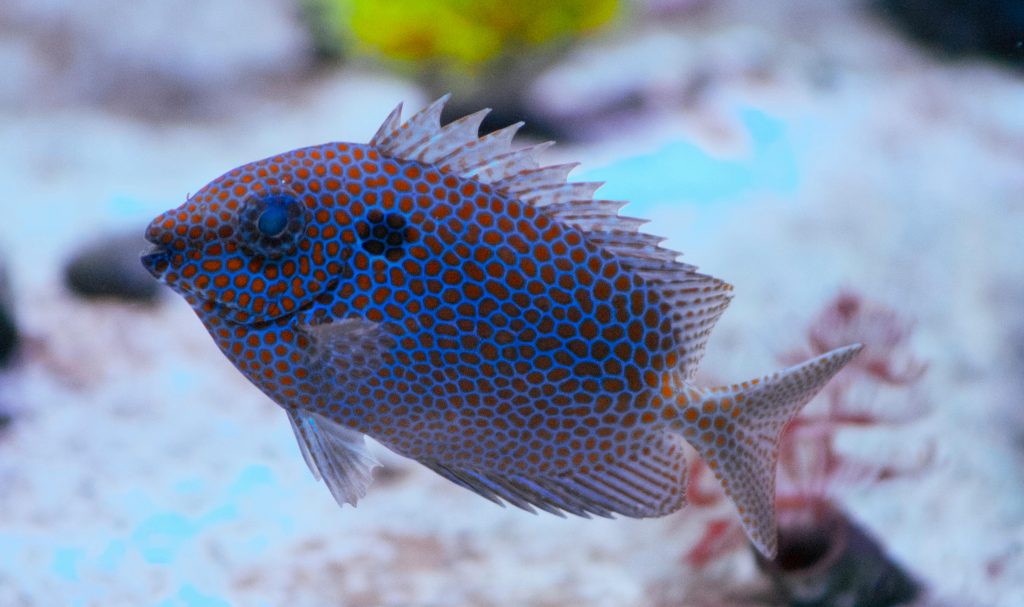
Gold Spotted Rabbitfish (Siganus Punctatus)
Gold Spotted Rabbitfish care includes large tanks, heavy algae feeding, and caution with corals. Learn tank size, diet,…
 By
By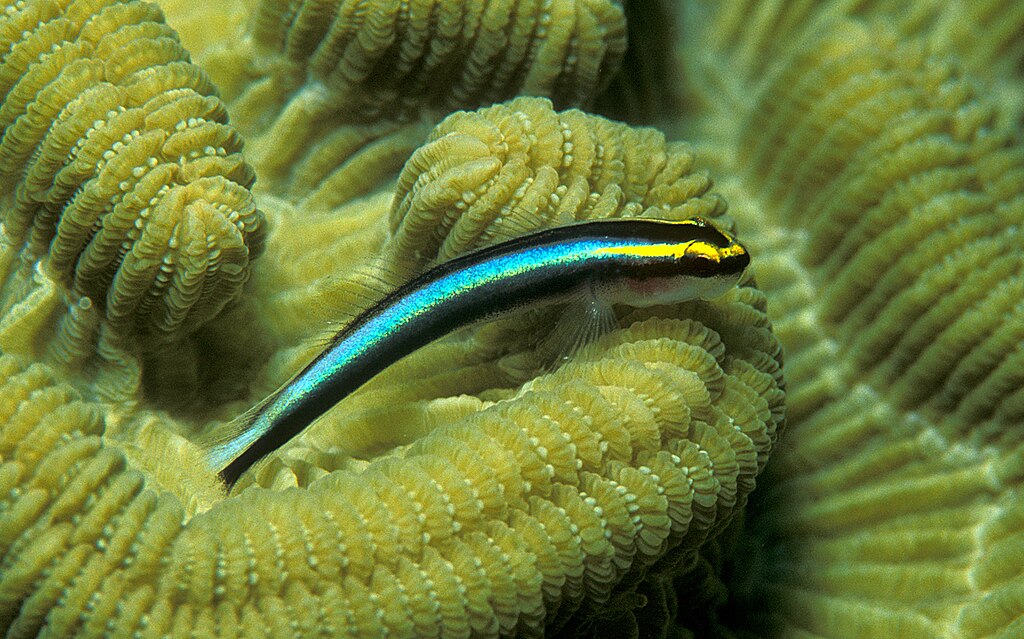
Sharknose Goby (Elacatinus evelynae)
Sharknose Goby care is simple in stable reef tanks. Learn feeding, tank setup, compatibility, and common problems for…
[favorite_button]
My Bookmarks:
To see full list click here
[user_favorites user_id="" include_links="true" site_id="" post_types="" include_thumbnails="true" thumbnail_size="thumbnail" include_excerpt="false"]