Choosing reputable salt brands is one of the smartest decisions in reef keeping. Good salt mixes deliver stable chemistry, consistent batches, and fewer surprises. That means healthier fish, better coral growth, and less time chasing parameter swings with extra dosing and troubleshooting.
Many beginners focus on lights, pumps, and corals first. Salt often feels like a simple supply item. In reality, it sets the chemical foundation for the whole aquarium. A poor mix can create unstable alkalinity, low calcium, unwanted contaminants, or major differences from bucket to bucket. In this guide, you will learn how to judge salt quality, compare reef salt options, avoid common buying mistakes, and pick a mix that fits your tank goals. You will also learn why consistency matters more than marketing claims in most reef systems.
Quick Reference Table
| Factor | What to Look For | Why It Matters |
|---|---|---|
| Batch consistency | Stable alkalinity, calcium, and magnesium | Prevents parameter swings after water changes |
| Brand reputation | Long track record and strong hobby feedback | Reduces risk of bad mixes and contamination |
| Parameter target | Matches your reef style | Supports soft coral, mixed reef, or SPS systems |
| Mixing clarity | Dissolves cleanly with little residue | Makes water changes easier and cleaner |
| Availability | Easy to buy locally or online | Helps you stay consistent long term |
| Packaging | Sealed bags or moisture-resistant buckets | Protects the mix from clumping and separation |
Why Salt Brand Quality Matters
Marine salt is not all the same. Every mix has a target chemistry. Some aim for natural seawater values. Others run elevated alkalinity or calcium. Those differences affect coral growth, dosing needs, and water change results. A reputable brand publishes clear targets and usually stays close to them.
Consistency matters even more than the exact numbers. Your reef can adapt to many stable parameter ranges. It struggles with sudden changes. If one bucket mixes to 8 dKH and the next mixes to 11 dKH, your corals feel that change. Sensitive SPS corals often react first. LPS and soft corals can also retract or lose color.
Good brands also invest in better sourcing and quality control. That lowers the chance of excess metals, phosphate issues, or unusual precipitation. You still need to test new batches. Yet trusted manufacturers give you a much better starting point. In reef keeping, fewer surprises usually means more success.
What Makes a Salt Brand Reputable
A reputable salt brand earns trust over time. It does not rely only on flashy labels. First, look for a long history in the hobby. Brands with years of use across many reef tanks usually have more reliable production. They also have more public feedback from hobbyists and stores.
Next, check whether the company publishes expected parameters at a known salinity. This is often 35 ppt or 1.0264 specific gravity. Clear numbers show confidence in the product. Vague claims are less helpful. You want to know the expected alkalinity, calcium, and magnesium before you buy.
Strong brands also respond well when problems happen. No manufacturer is perfect. The difference is how they handle complaints, recalls, or bad batches. Good customer support matters. Finally, see what experienced reef keepers say after long-term use. Short reviews are useful. Long-term tank results are better. Stable mixed reefs and SPS systems tell you much more than a quick unboxing post.
How to Match Salt to Your Reef Tank
The best salt is not always the most expensive one. It is the one that fits your system and your maintenance style. Fish-only tanks usually do well with standard marine salts. Soft coral and mixed reefs often thrive with balanced parameters near natural seawater. High-demand SPS systems may use salts with elevated calcium or alkalinity, though many successful SPS tanks still prefer moderate values.
Think about your dosing routine. If you already dose alkalinity and calcium daily, a very high-alk salt may work against your plan. Water changes could push levels too high. On the other hand, if you rely on water changes for most replenishment, a richer reef salt may help maintain coral demand between changes.
Also consider your source water and storage habits. If you mix salt in large batches, choose one known for clean dissolving and stable storage. If you buy salt locally, pick a brand your store stocks regularly. Changing brands often creates unnecessary variables. Reef tanks reward consistency more than constant experimentation.
Step-by-Step Guide to Choosing a Reputable Salt Brand
- Define your tank type. Decide if you run fish-only, soft coral, mixed reef, or SPS dominant.
- Set your target parameters. Know your preferred salinity, alkalinity, calcium, and magnesium range.
- Research established brands. Look for long-term hobby use and broad positive feedback.
- Read the label carefully. Check claimed parameters at a specific salinity level.
- Buy a manageable size first. Test a smaller box or bucket before committing long term.
- Mix a sample batch. Use RODI water, proper circulation, and the same salinity each time.
- Test the fresh mix. Measure alkalinity, calcium, magnesium, and salinity before use.
- Watch for residue or cloudiness. Excess residue can signal mixing issues or storage problems.
- Compare batch results. Repeat tests with the next bag or bucket if possible.
- Stay consistent once satisfied. Avoid switching brands without a clear reason.
This process takes extra effort at first. It saves time later. Many reef problems start when hobbyists make changes too quickly. Test first, then commit.
Signs of a Low-Quality or Risky Salt Mix
Some warning signs are easy to spot. Others appear only after a few water changes. Heavy clumping can suggest moisture exposure or poor packaging. Clumping alone does not always ruin the salt, but it increases the risk of ingredient separation. That can change the chemistry of each scoop.
Watch for cloudy water that stays cloudy after proper mixing. Also note brown residue, oily film, or unusual odor. Some residue is normal with certain mixes. Excess buildup can be a concern. Another red flag is fresh saltwater that tests far from the label. If alkalinity is wildly high or calcium is unexpectedly low, do not ignore it.
Coral response also matters. If your tank shows repeated stress after water changes, investigate the salt. Look for retracted polyps, tissue recession, or sudden algae growth. Test the fresh batch and compare it with your display tank. Never assume all issues come from lighting or flow. Salt chemistry can be the hidden cause.
Mixing and Storage Best Practices
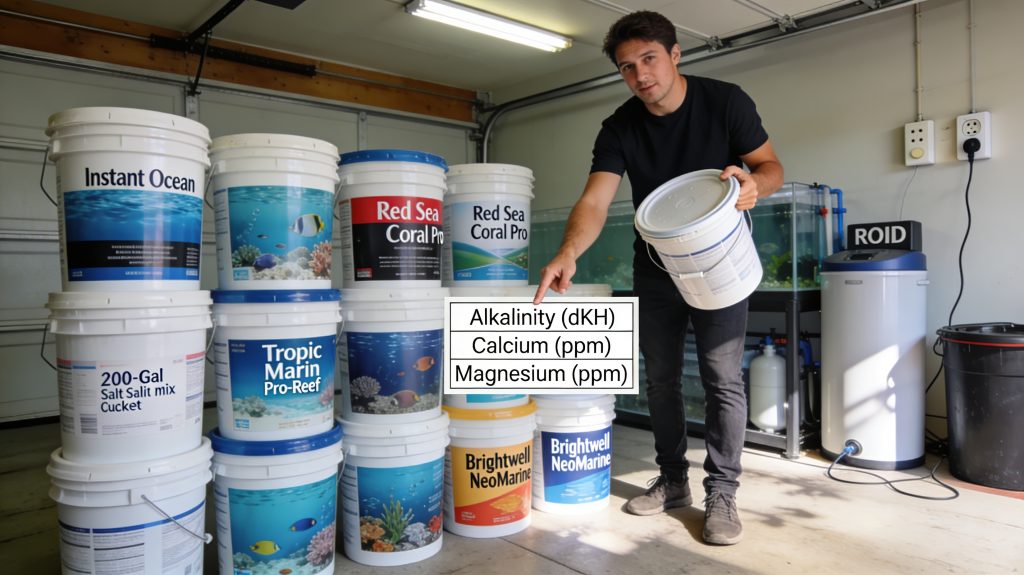
Even the best salt can perform poorly if handled badly. Always store dry salt in a sealed container. Keep it away from humidity. Moisture causes clumping and can separate heavier elements from lighter ones. If your salt comes in a bucket, close the lid tightly after each use.
Before scooping, roll or gently rotate the bucket or bag. This helps redistribute ingredients. Do not shake aggressively if the container is partly open. Fine dust can escape. When mixing, add salt to water, not water to salt. Use RODI water and a clean pump. Match the salinity with a calibrated refractometer or quality digital meter.
Most salts mix best with moderate circulation and stable temperature. Follow the manufacturer’s directions for mixing time. Some are designed for quick use. Others perform better after several hours. Test the new batch before every major water change. That habit catches problems early and protects your livestock.
Common Problems
Why does my saltwater mix test different from the label?
The most common cause is salinity error. A mix at 1.024 will test lower than one at 1.026. Calibrate your measuring tool first. Next, make sure the salt was not separated in storage. Roll the bucket and remix a new batch. If values are still far off, test with another kit. Faulty test kits are common. If the issue remains, contact the manufacturer with the batch number.
Why are my corals unhappy after water changes?
Sudden alkalinity changes are often the cause. Compare tank alkalinity with fresh saltwater alkalinity. A difference of several dKH can stress corals fast. Temperature and salinity mismatches also matter. Match both carefully before adding new water. If your salt runs high in alkalinity, consider smaller water changes or a different brand that better matches your tank.
Why is there residue in my mixing barrel?
Some residue is normal. Many reef salts leave a light film or mineral deposit. Heavy residue can point to high-temperature mixing, excessive mixing time, dirty containers, or a formula prone to precipitation. Clean the barrel regularly. Mix at room temperature. Follow the brand’s instructions. If residue becomes excessive and parameters drift, test another batch and compare results.
Should I switch salt brands to fix a reef problem?
Not automatically. Salt is only one variable. Check salinity, nutrients, lighting, flow, and dosing first. If your current salt is inconsistent or mismatched to your goals, a switch may help. Make the change slowly. Test both old and new mixes. Then transition over several water changes. Fast changes create more stress than they solve.
Frequently Asked Questions
What is the best salt brand for reef tanks?
There is no single best brand for every tank. The best choice is consistent, widely trusted, and suited to your target parameters. Stability matters more than hype.
Can I switch salt brands anytime?
Yes, but switch carefully. Test the new mix first. Compare alkalinity, calcium, and magnesium. Then change over gradually with smaller water changes.
Do expensive salts always perform better?
No. Price does not guarantee better results. Some premium salts are excellent. Others simply market higher numbers. Consistency and fit are more important than cost.
How often should I test a new bucket of salt?
Test every new bucket or box at least once. If you buy large systems with multiple bags, test the first batch from each case when possible.
Is natural seawater better than synthetic salt mix?
Natural seawater can work well if collected and filtered safely. Synthetic salt is easier to control and more practical for most hobbyists. That is why most reef keepers use it.
Final Thoughts
Choosing reputable salt brands is really about reducing risk. A dependable mix gives you stable water chemistry and predictable water changes. That makes every other part of reef keeping easier. Pick a salt that matches your reef goals, test each new batch, and stay consistent once you find one that works. Your corals will reward that stability over time.
Related reading: how to mix saltwater for a reef tank, reef tank water parameters, best RODI system for reef tank, how often to do water changes in a reef tank, reef tank alkalinity guide
Was this helpful?
Related Posts

Reef Tank Filtration Options
Learn the best reef tank filtration options, how each method works, and how to build a stable system…
 By
By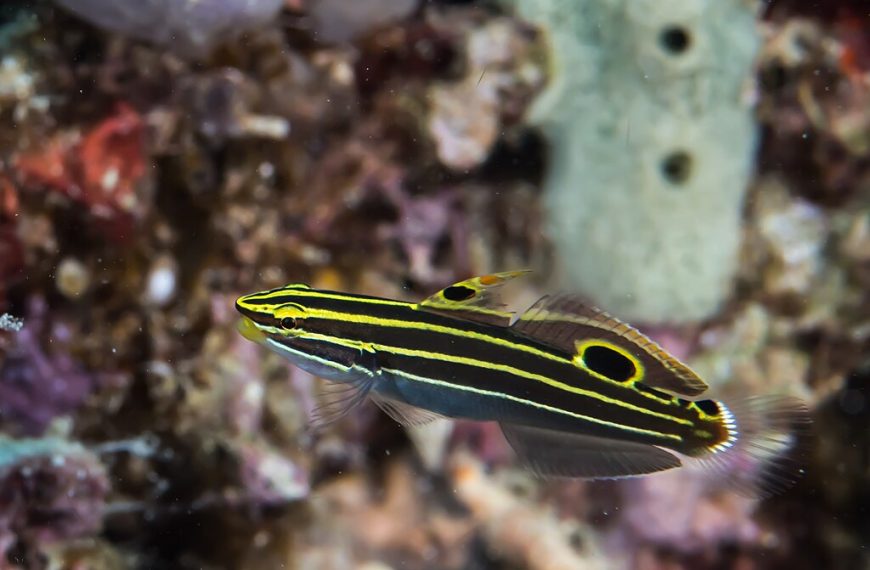
Hectors Goby (Koumansetta Hectori)
Hector’s goby is a peaceful, reef-safe sand sifter that thrives in mature tanks with fine sand, stable water,…