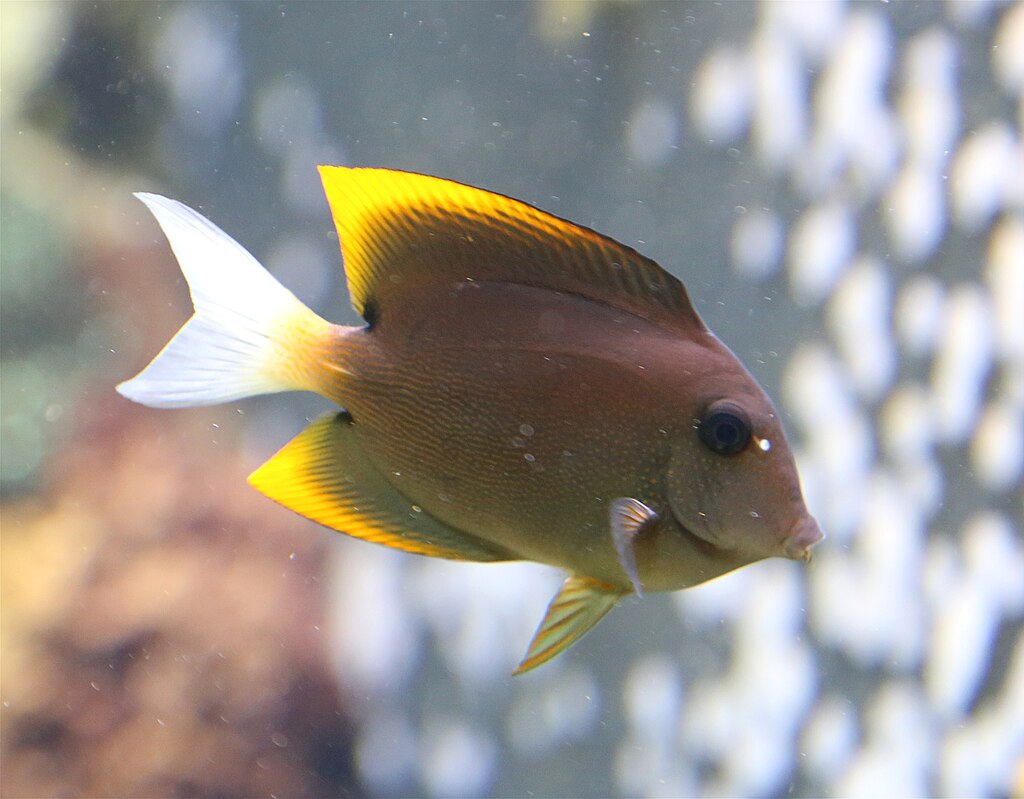
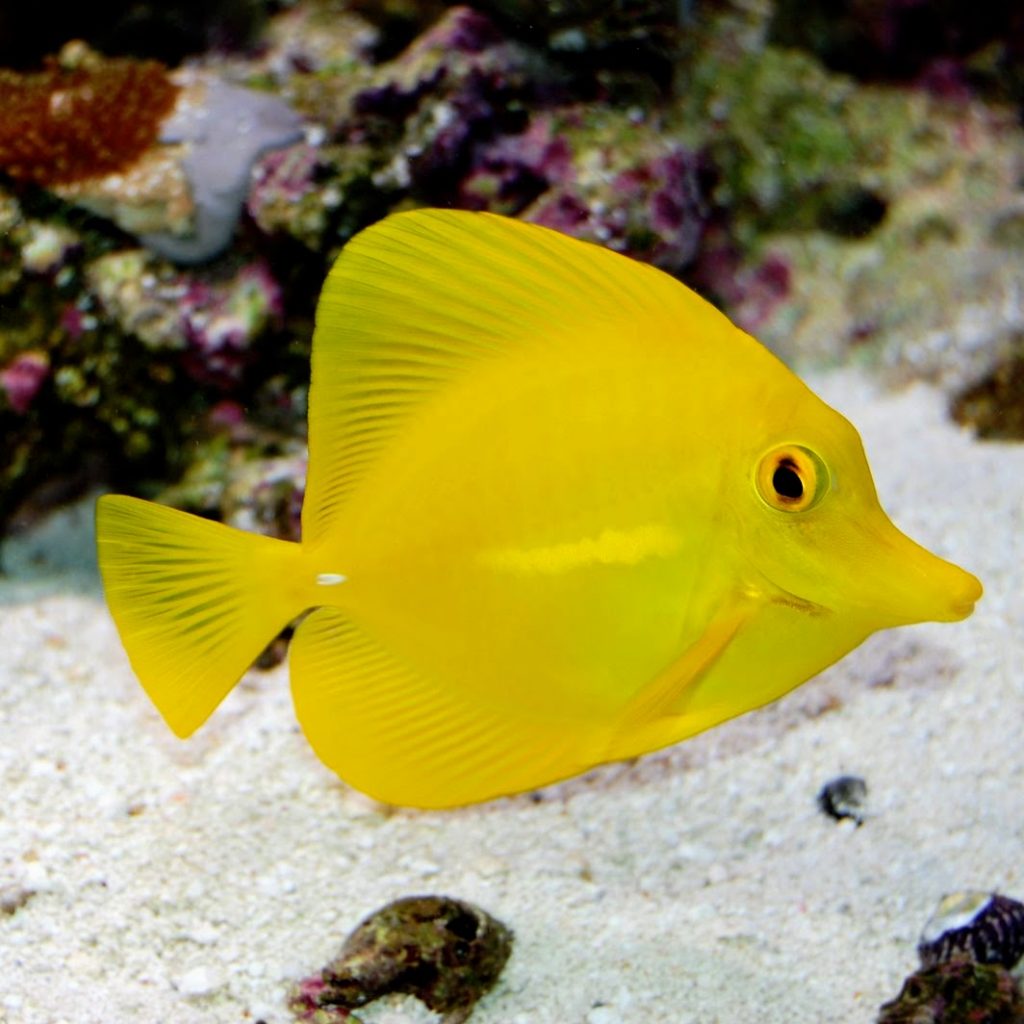
Tangs and rabbitfish thrive on frequent, plant-heavy feeding. Most species need algae-rich foods every day, plus varied frozen and prepared foods for balance. When you match their natural grazing habits, you get better color, stronger immunity, and less aggression in the reef tank.
Many reef keepers buy a tang or rabbitfish to control algae. That works, but it should never be the whole feeding plan. These fish are active grazers with fast metabolisms. They need regular access to marine algae, quality pellets, and occasional protein foods. Underfeeding often causes weight loss, stress, and territorial behavior. Overfeeding can damage water quality and fuel nuisance algae. In this guide, you will learn what tangs and rabbitfish eat, how often to feed them, which foods work best, and how to solve common feeding problems in a reef aquarium.
Quick Reference Feeding Table
| Topic | Recommendation |
|---|---|
| Main diet | Marine algae, nori, spirulina foods, herbivore pellets |
| Feeding frequency | 2 to 4 small feedings daily |
| Protein foods | Frozen mysis, brine, plankton, 2 to 4 times weekly |
| Best feeding method | Algae clip plus broadcast feeding |
| Good tank signs | Rounded belly, steady grazing, bold color, calm behavior |
| Warning signs | Pinched stomach, faded color, aggression, hiding, head and lateral line erosion |
| Useful supplements | Vitamin soak, garlic occasionally, varied algae types |
This table gives you the short version. The details matter, though. Different species have slightly different needs, and tank setup changes how food should be offered.
Why Feeding Tangs and Rabbitfish Correctly Matters
Tangs and rabbitfish are built to graze for long periods. In nature, they pick at algae films, macroalgae, and plant material through the day. Their digestive systems work best with steady intake, not one large meal. That is why a single heavy feeding often falls short.
Good feeding supports more than growth. It affects immune health, stress response, color, and social behavior. Hungry tangs often become more aggressive. They may chase tank mates or guard feeding spots. Rabbitfish can become shy when stressed and may lose body mass quickly. Both groups are prone to decline if they rely only on leftover algae in the display.
A proper diet also helps prevent nutritional issues. One common problem is head and lateral line erosion. This issue has several possible causes. Poor diet and low variety are often part of the picture. Stable water quality still matters, but nutrition is a major piece of the puzzle.
Natural Habitat and Feeding Behavior
Tangs live across tropical reefs in the Indo-Pacific, Red Sea, and Atlantic. Rabbitfish are common in many Indo-Pacific reef zones, lagoons, and seagrass areas. Both groups spend much of the day browsing surfaces for edible growth. That growth includes filamentous algae, turf algae, detritus, and tiny organisms mixed into the film.
This matters in captivity. These fish do not usually eat like ambush predators. They are not designed for one big meaty meal. They do best when they can graze often and receive foods that mimic marine plant matter. Some species are more flexible than others. Foxface rabbitfish often accept prepared foods quickly. Powder blue tangs can be pickier and more stress prone.
Knowing this natural pattern helps you build a better routine. Think frequent, small, plant-based feedings first. Then add proteins as a supplement, not the foundation.
Best Foods for Tangs and Rabbitfish
The best staple food is marine algae. Dried nori is popular because it is easy to use and widely accepted. Red, green, and brown sheets all have value. Rotate types when possible. Variety helps cover nutritional gaps and keeps fish interested.
Herbivore pellets are another excellent staple. Choose a high-quality formula with algae, spirulina, kelp, and marine plant ingredients. Small pellets work best for repeated daily feeding. Many fish learn to take them from the water column quickly.
Frozen foods still have a place. Offer mysis shrimp, enriched brine, plankton blends, and herbivore frozen mixes a few times each week. These add protein and energy. They also help thin fish regain body condition. Just do not let frozen meaty foods replace algae-based staples.
Fresh macroalgae can also be useful if sourced safely. Some hobbyists grow chaetomorpha or ulva in a refugium and offer small portions. Never use algae from unknown waters. Contaminants and pests are real risks.
How Often to Feed
Feed tangs and rabbitfish at least twice daily. Three or four small feedings are even better for active species. If your schedule is tight, leave a sheet of nori on a clip for part of the day. Remove leftovers before they break down.
Juveniles usually need more frequent feeding than adults. They burn energy quickly and can lose weight fast. Newly imported fish also need extra attention. Many arrive thin from shipping and holding systems. In those cases, offer algae constantly during the first adjustment period, while keeping water quality stable.
Do not confuse visible algae in the tank with a complete diet. A clean-up role is helpful, but it rarely meets all nutritional needs. In very clean systems, these fish may have almost nothing to graze between feedings. That can lead to chronic underfeeding.
Step-by-Step Feeding Routine
Here is a simple routine that works well for many reef tanks.
- Start the day with a small sheet of nori on a clip.
- Place the clip in an area with moderate flow.
- Use enough flow to move the sheet gently.
- Remove any uneaten algae after a few hours.
- Offer herbivore pellets later in the day.
- Feed only what the fish finish within a minute or two.
- Add frozen mysis or a herbivore blend several times weekly.
- Soak foods in vitamins once or twice weekly.
- Watch each fish eat during every feeding.
- Adjust portions based on body shape and waste levels.
This routine keeps food available without polluting the tank. It also helps shy fish get repeated chances to eat.
Aquarium Setup and Feeding Success
Tank setup affects feeding more than many hobbyists realize. Tangs need strong swimming room and stable water quality. Rabbitfish also need open water, but they appreciate rocky shelter and calm retreat areas. Stress reduces feeding response in both groups.
Aquascaping should allow grazing surfaces and easy access to food clips. If dominant fish block the feeding zone, add a second clip on the opposite side. This simple change often reduces chasing. In larger tanks, multiple feeding stations are a smart move.
Flow matters too. Very strong direct flow can make sheets tear apart quickly. Very weak flow may leave food stagnant and less appealing. Moderate movement usually works best. Keep the clip away from coral colonies that may be irritated by repeated fish traffic.
Stable parameters support appetite. Sudden swings in salinity, temperature, or pH can cause fish to stop eating. If a tang refuses food, always review water quality first. reef tank water parameters is a good place to review your baseline targets.
Compatibility and Feeding Competition
Tangs can be territorial, especially with similar body shapes. Rabbitfish are often calmer, but they can still compete strongly at feeding time. In mixed communities, faster fish may outcompete slower or newly added herbivores. That is why observation matters.
If one fish dominates the clip, split the feeding area. Use two clips or feed pellets at one end while algae sits at the other. This gives timid fish a better chance. In crowded tanks, an acclimation box can help a new tang learn prepared foods without pressure.
Be careful with very aggressive surgeonfish pairings. Food stress can make conflict worse. A fish that never gets a full meal will often become more defensive. best reef safe fish can help you plan peaceful stocking around active herbivores.
Common Problems
My tang will not eat nori
New tangs often need time. Try a different algae color or brand. Fold the sheet so it feels thicker. Place it near the fish’s usual swimming path. You can also rubber-band algae to a small rock for a more natural grazing posture. Offer pellets or frozen herbivore blends at the same time to build confidence.
My rabbitfish looks thin
Increase feeding frequency first. Add constant algae access during the day. Include enriched frozen foods several times weekly. Check for bullying and internal parasites if weight loss continues. Review quarantine history and observe feces if possible. Thin fish need quick action.
Feeding causes nutrient spikes
Use smaller portions more often. Remove leftover nori before it softens too much. Rinse frozen foods if your system runs high nutrients. Improve export with skimming, filter maintenance, and refugium growth. how to lower nitrates in a reef tank can help if feeding pressure is pushing nutrients up.
My tang is aggressive at feeding time
Hunger is a common trigger. Increase algae availability and add more feeding stations. Rearranging minor rockwork can also break fixed territories. If aggression remains severe, stocking order and tank size may be the deeper issue.
Head and lateral line erosion is developing
Improve diet variety right away. Add marine algae, vitamins, and quality herbivore pellets. Check stray voltage, carbon dust issues, and long-term water quality. This condition has many possible factors. Nutrition is one of the easiest to improve quickly.
Feeding Tips for Long-Term Health
Rotate foods instead of relying on one staple. Use vitamins weekly, not at every feeding. Watch body shape from above and from the side. A healthy fish looks full, not bloated. The belly should not look pinched.
Quarantine fish and train them onto prepared foods early. This makes display tank feeding much easier later. Keep a backup food plan too. If one brand becomes unavailable, your fish should accept alternatives. quarantine tank setup for saltwater fish is worth reviewing before adding delicate tangs.
Finally, remember that algae control and fish nutrition are related, but not identical. A tang or rabbitfish can help manage growth on rockwork. It still needs a complete diet from you.
Frequently Asked Questions
Can tangs and rabbitfish live on tank algae alone?
No. Tank algae is rarely complete enough. Most systems do not produce enough variety or volume for long-term health.
How many times per day should I feed a tang?
Two feedings are the minimum for most tanks. Three or four small feedings are better for active or newly imported fish.
Is nori enough as a staple food?
Nori is excellent, but it should not be the only food. Add herbivore pellets and occasional frozen foods for balance.
Do rabbitfish need more protein than tangs?
Some rabbitfish accept and use protein foods readily, but both groups still need a plant-heavy diet. Protein is a supplement, not the main course.
What is the best way to get a new tang eating?
Offer several algae types, use a clip and a rock method, reduce stress, and feed small amounts often. Observation is key during the first week.
Was this helpful?
Related Posts
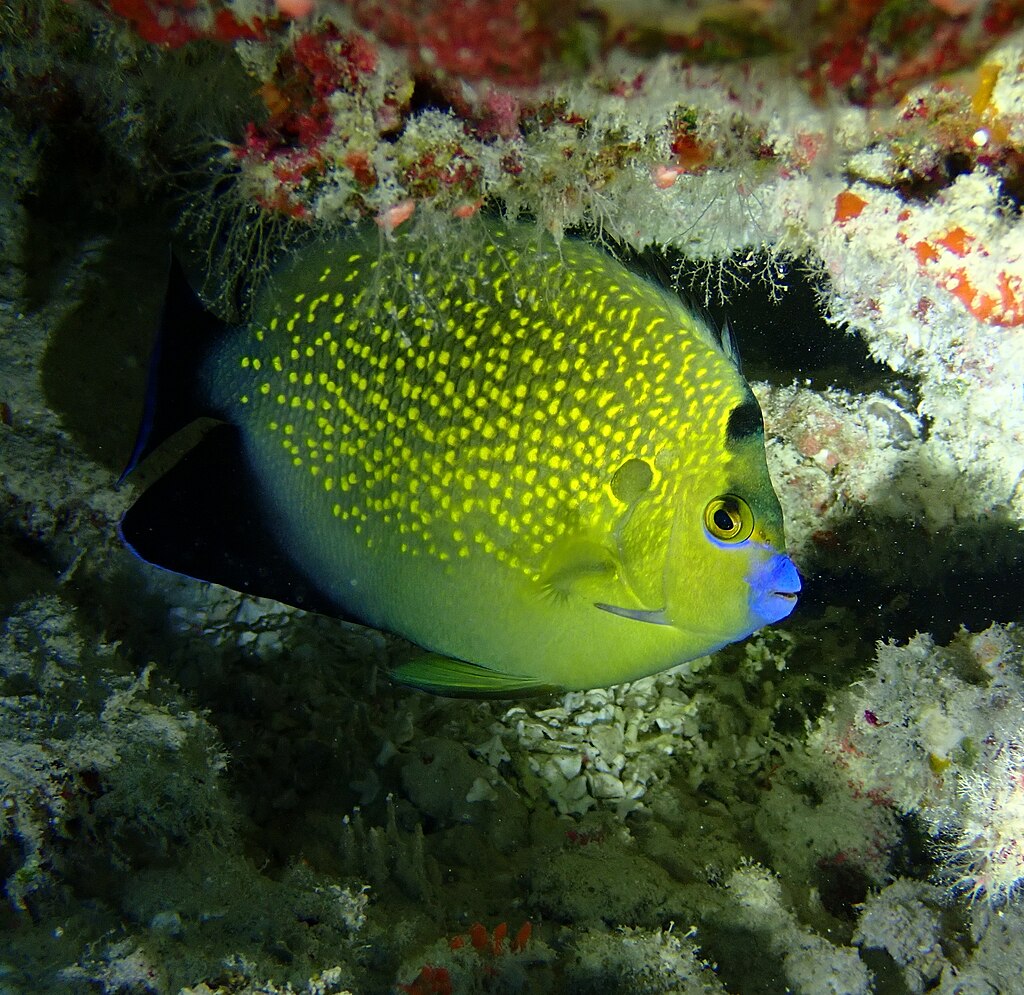
Goldflake Angelfish (Apolemichthys xanthopunctatus)
Goldflake Angelfish are stunning but need a large, mature tank, varied feeding, and caution in reef tanks due…
 By
By
Reef Aquarium Water Parameters
Learn the ideal reef aquarium water parameters, safe ranges, and how to keep salinity, alkalinity, nutrients, and pH…