
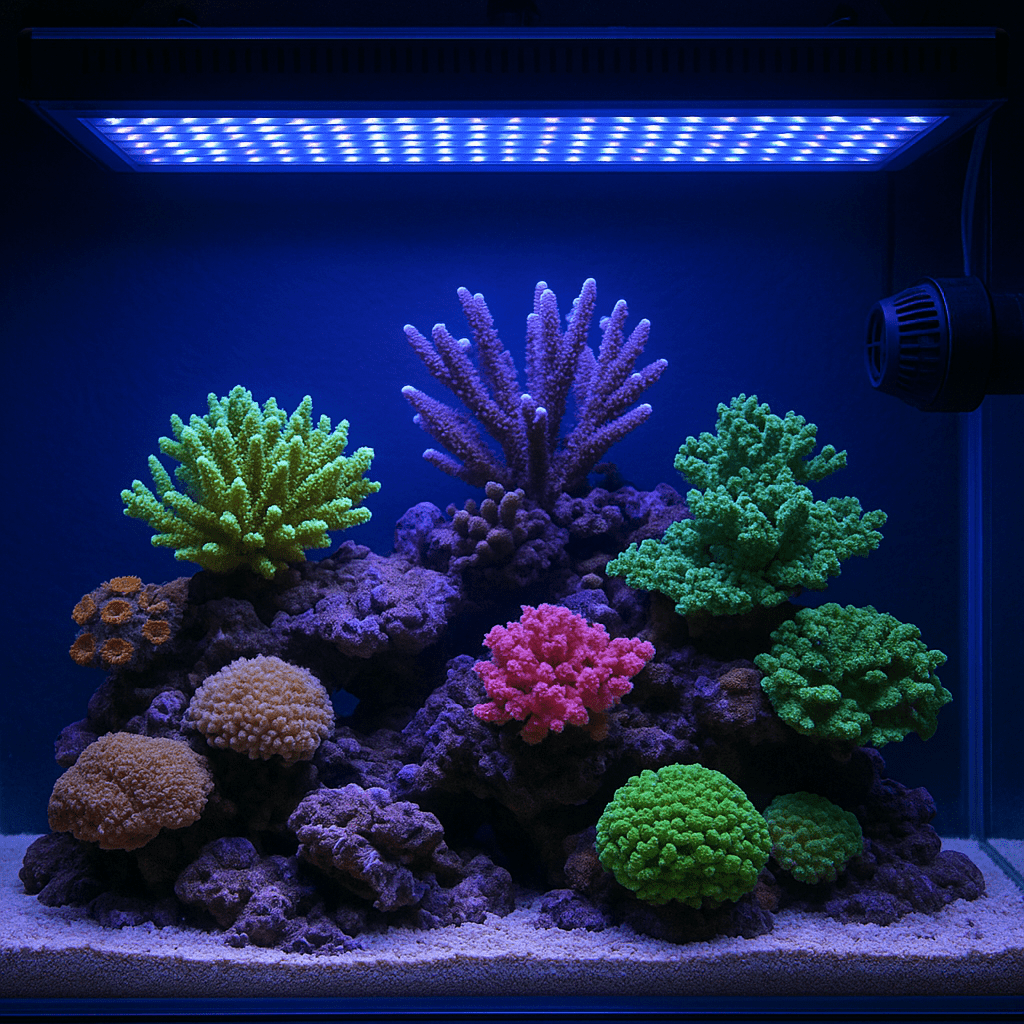
Acclimating corals to new lighting prevents bleaching, tissue loss, and long-term stress. The safest approach is slow and deliberate. Reduce intensity first. Shorten the photoperiod if needed. Then increase light over days or weeks while watching coral response closely.
Many reef keepers lose healthy corals after an upgrade. The coral looks fine at first. Then it pales, retracts, or burns at the tips. In most cases, the issue is not bad water. It is too much light, too fast. Corals adapt to light over time. That process matters whether you switch from T5 to LED, replace old bulbs, move a coral higher, or bring home a new frag from another system. In this guide, you will learn how to acclimate corals safely, what signs to watch for, and how to build a simple lighting plan that protects both new frags and established colonies.
Quick Reference Table
| Situation | Recommended Action | Typical Timeline |
|---|---|---|
| New coral from lower light system | Start low in the tank and lower intensity | 2 to 4 weeks |
| LED fixture upgrade | Begin at 40 to 60% of target output | 3 to 6 weeks |
| Bulb replacement on T5 or halide | Shorten photoperiod or raise fixture | 1 to 3 weeks |
| Moving coral higher on rockwork | Shift upward in small steps | 1 to 2 weeks |
| Bleaching or paling observed | Reduce PAR and hold steady | Until color stabilizes |
| Most LPS corals | Moderate PAR increases only | 2 to 4 weeks |
| Most SPS corals | Slow increase with stable nutrients | 3 to 6 weeks |
| Soft corals and zoanthids | Usually adapt faster, but still acclimate | 1 to 3 weeks |
Why corals need light acclimation
Corals do not just react to brightness. They react to total light energy, spectrum, and exposure time. Their symbiotic algae, called zooxanthellae, process that light. When the change is too sudden, the coral becomes stressed. That stress can lead to bleaching, poor extension, faded color, or tissue recession.
This is common with modern LEDs. LEDs can deliver high PAR and strong point-source intensity. A coral that looked fine under dimmer lights may struggle under a new fixture, even if the tank looks similar to your eye. Human vision is a poor judge of coral-safe intensity. Corals also respond differently by species. Acropora may tolerate high PAR once adapted. Many fleshy LPS corals cannot. Light acclimation gives the coral time to adjust its pigments and energy balance. It also lowers the chance of shock during other changes, such as new flow, transport stress, or chemistry swings.
When light acclimation is necessary
Any meaningful lighting change calls for acclimation. New hobbyists often think this only applies to expensive SPS. That is not true. Soft corals, zoanthids, LPS, and clams can all suffer from sudden light shock.
You should acclimate corals when you add a new frag from another tank. You should also acclimate after installing a new fixture. Replacing old T5 or metal halide bulbs can increase intensity sharply. Even moving a coral from sand to rockwork changes its PAR exposure. Cleaning salt creep from lenses can also raise output more than expected. Seasonal schedule changes matter too. If you extend your photoperiod by several hours, corals receive much more total daily light. The same is true if you increase white or blue channels aggressively. If the coral has been stressed by shipping, pests, or unstable alkalinity, go even slower. Light stress stacks with other stressors.
Best methods for acclimating corals to new lighting
There are three reliable methods. You can lower fixture intensity. You can shorten the photoperiod. You can place corals lower in the tank. In many cases, the safest plan uses all three together.
Lowering intensity is the easiest option with programmable LEDs. Start well below your final target. Then increase output in small steps every few days. Shortening the photoperiod works well for T5 and halide systems. Begin with fewer hours at peak intensity. Then add time gradually. Lower placement is simple and effective for new corals. Start frags on the sand bed or shaded lower rockwork. Move them upward only after they show good extension and stable color. Some reef keepers also use window screen layers between the light and tank. Remove one layer every few days. This old-school method still works very well when fixtures lack ramping control.
Step-by-step coral light acclimation plan
- Check coral type and likely light needs before placement.
- Start new corals low in the tank.
- Reduce LED intensity to 40 to 60% of your target setting.
- If using fixed-output lights, cut peak photoperiod by 2 to 4 hours.
- Hold that setting for 4 to 7 days.
- Watch for extension, inflation, and normal coloration.
- Increase intensity by 5 to 10% each week, or move the coral slightly higher.
- Stop increasing if the coral pales, shrinks, or recedes.
- Hold steady until the coral recovers.
- Reach final placement only after two weeks of stable response.
This plan works for most reef tanks. SPS usually need the longest adjustment period. LPS often prefer a slower rise and lower final PAR. Do not change lighting and flow aggressively at the same time. Make one major change first. Then evaluate the coral. Stability helps you identify the real cause if problems appear.
Lighting requirements by coral type
Not every coral wants intense light. That is where many tanks go wrong. Reef keepers often set the whole system for SPS. Then they wonder why acans, blastos, scolys, or certain mushrooms decline.
Soft corals and many mushrooms often prefer low to moderate PAR. Zoanthids usually adapt well, but some varieties still bleach under sudden intensity. Most LPS corals do best in low to moderate light. Euphyllia can handle moderate light, but they still need acclimation. Fleshy corals often show stress quickly by shrinking or pulling tissue tight. SPS corals usually require moderate to high PAR once established. However, they are also quick to pale if nutrients are low or alkalinity is unstable. A healthy final PAR target means little if the coral is not ready for it. Always match the coral species, nutrient level, and tank stability to your lighting plan.
Using PAR to acclimate corals more accurately
A PAR meter removes guesswork. It tells you how much usable light reaches the coral. That matters more than percentage settings on a fixture. One tank may produce 150 PAR at 50%. Another may produce 300 PAR at the same setting.
If you have access to a PAR meter, map the tank first. Measure the sand bed, lower rockwork, middle zones, and top ledges. Then place corals based on actual numbers. Many soft corals and LPS do well around 50 to 150 PAR. Many SPS thrive from roughly 200 to 350 PAR once adapted. These are broad ranges, not rigid rules. Spectrum, flow, and nutrient availability still matter. Start below the final target and move slowly upward. If you do not own a meter, ask a local reef club or store. Renting one for a weekend can prevent expensive coral losses.
Water flow, nutrients, and stability during acclimation
Light does not act alone. Corals under stronger light need enough flow and stable chemistry. Good flow helps remove waste and deliver oxygen. It also reduces stagnant areas on the coral surface. Without proper flow, a coral can struggle even at an acceptable PAR level.
Nutrients matter too. Corals under bright light with very low nitrate and phosphate often pale faster. This is common in ultra-clean tanks. Keep nitrate and phosphate in a reasonable range for your system. Avoid chasing zero. Maintain stable alkalinity, calcium, magnesium, and salinity. Large alkalinity swings can mimic light stress, especially in SPS. Temperature stability also matters. A coral facing heat stress and new lighting at the same time may bleach quickly. During acclimation, resist the urge to make many corrections at once. Stable conditions let the coral adapt more safely.
Common problems
Coral is turning white after a lighting change
This usually points to bleaching. The coral received too much light too fast. Reduce intensity immediately. Shorten the photoperiod. If possible, move the coral lower. Keep parameters stable and avoid further stress. Some color may return over time, but recovery can be slow.
Coral looks brown instead of colorful
Brown coloration often means the coral is adapting to lower light or elevated nutrients. It can also happen after shipping stress. Do not respond by blasting it with more light. Increase intensity slowly. Check nitrate and phosphate. Stable improvement is better than sudden correction.
Polyps stay closed after moving the coral
Closed polyps can indicate light shock, flow irritation, or handling stress. Review all recent changes. If both flow and light increased, reduce one variable. Corals need time after transport. Give them several days before making more adjustments unless tissue is deteriorating.
SPS tips are burning under stronger lights
Burnt tips are not always caused by light alone. High alkalinity combined with strong light and low nutrients is a common trigger. Check alkalinity stability first. Then review PAR and nutrient levels. Slow down the lighting ramp and keep chemistry consistent.
Propagation and fragging considerations
Fresh frags need gentler light
Fresh cuts are more vulnerable than established colonies. They have less tissue mass and fewer energy reserves. Start them in lower light with moderate flow. Let them heal and encrust before moving them upward. This is especially important for SPS frags and fresh LPS cuts.
Do not rush color recovery
Many reef keepers want instant color after fragging. That often leads to over-lighting. Focus on tissue health first. Good extension, firm tissue, and new growth are better signs than fast color changes. Once the frag is stable, increase light gradually toward its long-term zone.
Frequently Asked Questions
How long does coral light acclimation take?
Most corals need one to four weeks. Sensitive SPS may need longer. Major fixture upgrades often take three to six weeks.
Can blue light still bleach corals?
Yes. Blue-heavy settings can still deliver very high PAR. Do not assume a dim-looking blue tank is safe.
Should I acclimate corals if the seller had stronger lights?
Yes. Their spectrum, flow, and nutrient levels may differ from yours. Slow acclimation is still the safer choice.
Is lowering the coral better than lowering the light?
Both work. Using both together is often best. Lower placement adds safety while you adjust intensity.
Can I use acclimation mode on my LED and ignore placement?
No. Acclimation mode helps, but placement still matters. A high rock ledge can receive much more PAR than expected.
Final tips for safe coral light acclimation
Slow changes protect corals. That is the core rule. Start lower than you think you need. Increase light in small steps. Watch the coral, not just the schedule. Tissue inflation, extension, and color tell you more than fixture percentages ever will. If a coral reacts badly, pause the ramp. Stability beats speed every time.
For more reef care help, see how to dip coral frags, reef tank alkalinity guide, best reef tank lighting, and how to place corals in a reef tank. These topics work together. Better placement, stable chemistry, and patient acclimation lead to healthier corals and better color over time.
Was this helpful?
Related Posts
Reef Tank Basics
Learn reef tank basics, from setup and cycling to lighting, flow, and water chemistry, so your first reef…
 By
By
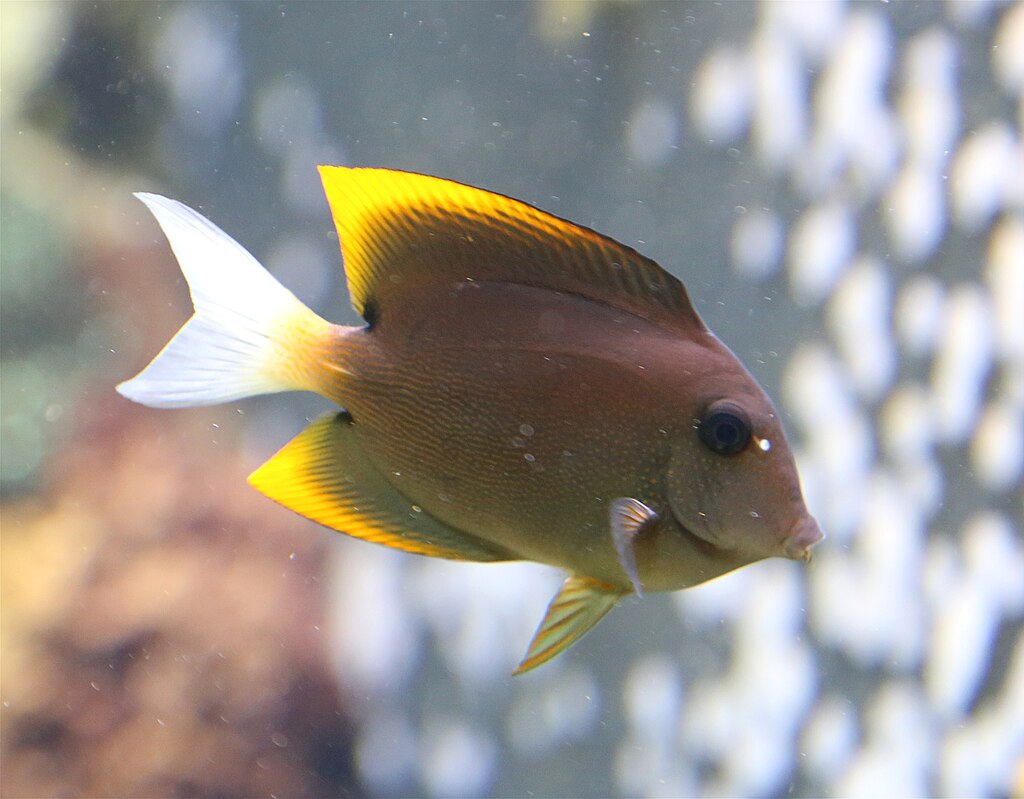
Juvenile Orange Shoulder (acanthurus Olivaceus)
Juvenile orange shoulder tangs are bright, hardy, and reef safe, but they grow large and need a spacious…
[favorite_button]
My Bookmarks:
To see full list click here
[user_favorites user_id="" include_links="true" site_id="" post_types="" include_thumbnails="true" thumbnail_size="thumbnail" include_excerpt="false"]