

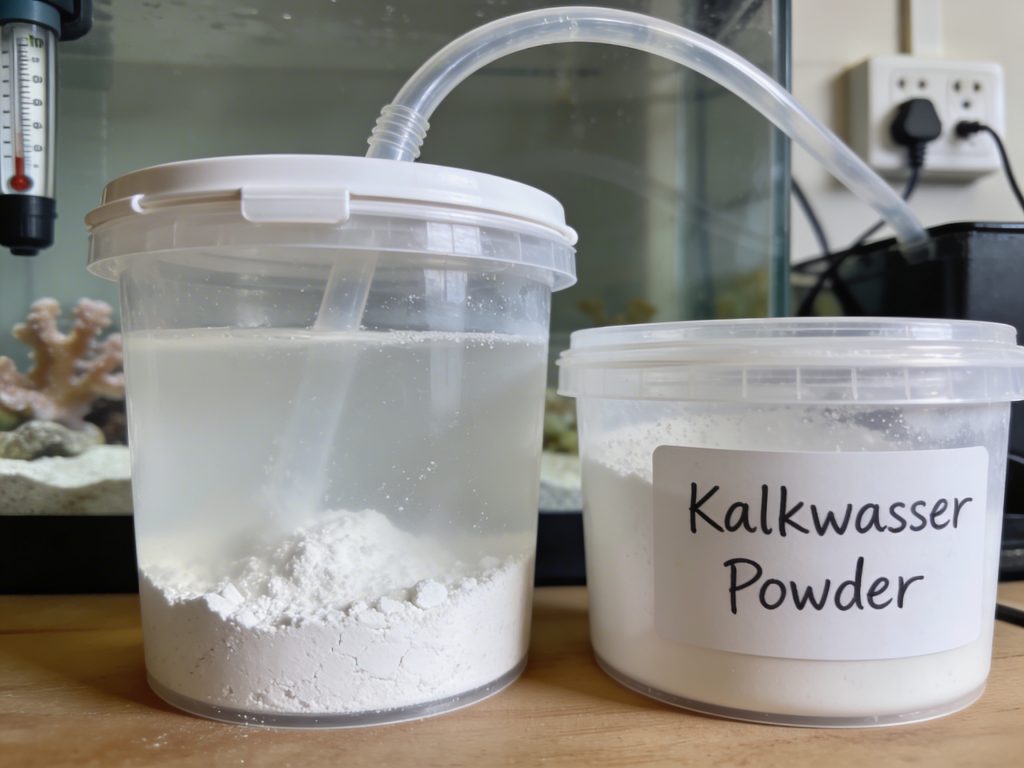
Kalkwasser is a simple way to add calcium and alkalinity. It also helps support stable pH. When used correctly, it can grow stony corals well and keep reef chemistry steady. The key is slow dosing, tight evaporation control, and regular testing.
Many reef keepers hear about kalkwasser early in the hobby. It has been used for decades. Yet it still confuses beginners. Some hobbyists see it as old school. Others rely on it every day. The truth sits in the middle. Kalkwasser is powerful, affordable, and very effective in the right system. It is not magic, and it is not risk free. In this guide, you will learn what kalkwasser is, how it works, when to use it, how to dose it safely, and how to solve common problems before they harm your reef.
Quick Reference Table
| Topic | Recommendation |
|---|---|
| What it is | Calcium hydroxide mixed with fresh water |
| Main purpose | Add calcium and alkalinity together |
| Best delivery method | Slow dose through ATO or dosing pump |
| Target pH effect | Usually raises or supports pH |
| Mix strength | Up to about 2 teaspoons per gallon |
| Safety rule | Never dump large amounts at once |
| Best for | Soft coral, LPS, mixed reefs, and moderate SPS demand |
| Testing needed | Alkalinity, calcium, pH, magnesium |
| Main risks | pH spike, alkalinity rise, precipitation, clogged lines |
This table covers the basics. The details matter even more. Small mistakes with kalkwasser can create fast chemistry swings. Slow and steady always wins.
What Is Kalkwasser in a Reef Tank?
Kalkwasser is the German word for limewater. In reef keeping, it means calcium hydroxide dissolved in fresh water. The clear solution is then added to the aquarium very slowly. Once dosed, it supplies calcium and alkalinity in a balanced ratio. That is the main reason hobbyists use it.
Corals, coralline algae, clams, and other calcifying organisms consume calcium and carbonate every day. They use these materials to build skeletons and shells. Kalkwasser replaces part of that demand. It also consumes carbon dioxide as it reacts in the tank. That often helps raise pH, especially in homes with poor fresh air exchange.
Kalkwasser is not a complete reef supplement by itself forever. Heavy SPS systems may outgrow it. Magnesium still needs separate attention. Still, many successful reef tanks run kalkwasser for years. It remains one of the cheapest and cleanest ways to maintain a reef aquarium.
How Kalkwasser Works
When calcium hydroxide dissolves in water, it creates a very high pH solution. That solution contains calcium ions and hydroxide ions. After slow addition to the reef tank, the hydroxide reacts with carbon dioxide. This process helps form bicarbonate and carbonate. Those compounds support alkalinity.
This is why kalkwasser adds both calcium and alkalinity together. It does not let you raise one without affecting the other. That balance is useful when your tank consumes both in normal proportions. It becomes less useful when only one parameter needs correction.
The solution must be added slowly because its pH is extremely high. Fast addition can shock animals and drive pH too high. It can also cause calcium carbonate precipitation. That looks like cloudy water, white crust, or hard deposits on pumps and heaters. Proper dosing prevents most of these issues.
Benefits of Using Kalkwasser
Kalkwasser has several clear advantages. First, it is inexpensive. A container of calcium hydroxide lasts a long time. Second, it is simple. You mix powder with fresh water and dose the clear liquid. Third, it supports pH better than many other supplementation methods.
It also leaves no extra sodium or chloride behind. Two-part systems can slowly shift ionic balance over time. Kalkwasser avoids that issue. Many reef keepers also like that it can be paired with an auto top off system. That makes daily dosing easy in tanks with stable evaporation.
Another benefit is cleaner chemistry. Kalkwasser can encourage phosphate precipitation in some systems, though this effect should not replace proper nutrient control. It also works very well in mixed reefs with moderate demand. For many tanks, it covers a large share of daily consumption without expensive gear.
When Kalkwasser Makes Sense
Kalkwasser works best when your tank has steady evaporation and moderate calcium demand. That includes many soft coral tanks, LPS systems, and mixed reefs. It also works in growing SPS tanks, up to a point. The limit depends on coral load and daily evaporation volume.
It is especially useful if your pH runs low. Many modern homes trap carbon dioxide indoors. That can keep reef pH suppressed. Kalkwasser often helps by offsetting some of that carbon dioxide. Tanks that sit around 7.8 to 8.0 pH often benefit.
It makes less sense if evaporation is very low or inconsistent. It also becomes less practical in coral-dense SPS systems with very high demand. In those cases, kalkwasser may still help, but it may need support from two-part dosing or a calcium reactor. Think of kalkwasser as a tool, not a religion.
How to Mix Kalkwasser Safely
Use purified fresh water. RO/DI water is best. Add calcium hydroxide powder to the water, not the other way around. A common full-strength mix is about 2 teaspoons per gallon. You can also start weaker. Many beginners start at half strength while they learn their tank’s response.
Stir gently, then let the container settle. The clear liquid on top is what you dose. The white sludge at the bottom should stay in the reservoir. That sludge often contains undissolved solids and impurities. Dosing it increases risk.
Keep the container covered. Exposure to air adds carbon dioxide. That reacts with kalkwasser and weakens it over time. Wear gloves and avoid breathing dust during mixing. Calcium hydroxide is caustic. It can irritate skin, eyes, and lungs. Basic safety matters.
Step-by-Step Guide to Dosing Kalkwasser
- Test alkalinity, calcium, magnesium, and pH before starting.
- Make sure salinity is stable and your auto top off works properly.
- Mix a weak batch first, such as 1 teaspoon per gallon.
- Let the solution settle until the water turns clear.
- Dose only the clear liquid.
- Start with slow nighttime dosing if possible.
- Retest alkalinity and pH after several days.
- Increase strength or volume slowly if demand is not met.
- Clean lines, pumps, and float sensors often.
- Adjust based on coral growth and test results.
The best method is usually a slow drip, dosing pump, or auto top off reservoir. Never pour in a large cup all at once. A sudden pH spike can stress fish and burn coral tissue. If you use an ATO, verify that it cannot stick on. Redundant safeguards are worth the effort.
Best Dosing Methods
The most common method is dosing through an auto top off reservoir. As water evaporates, the tank receives kalkwasser top off. This approach is simple and cheap. It works best when evaporation stays fairly constant through the week.
A dosing pump offers more control. You can spread the dose across many small additions. That reduces pH swings and improves safety. Many reef keepers dose mostly at night. Night dosing can help offset the normal nighttime pH drop.
A kalk reactor is another option. It mixes fresh water with kalk powder before the water enters the tank. These systems can work very well, but they add cost and complexity. For most beginners, a covered reservoir and a reliable dosing method are enough.
Water Chemistry Targets While Using Kalkwasser
Kalkwasser is not about chasing extreme numbers. It is about maintaining stable ones. Aim for alkalinity around 7.5 to 9 dKH in most reef tanks. Calcium often sits well between 400 and 450 ppm. Magnesium should usually stay around 1250 to 1400 ppm. pH often lands between 8.1 and 8.4.
Test alkalinity most often. It usually shows changes first. Calcium moves more slowly, so weekly testing is often enough once the tank is stable. Magnesium can be tested less often, but do not ignore it. Low magnesium can make calcium and alkalinity harder to maintain.
Remember that kalkwasser cannot fix every chemistry problem. If alkalinity is already high, adding more kalk can make it worse. Correct major imbalances first. Then use kalkwasser for maintenance.
Common Problems
Why Did My pH Spike?
The most common cause is dosing too much too fast. Kalkwasser has very high pH. A stuck top off pump can raise pH dangerously. Stop dosing right away. Increase surface agitation. Check alkalinity. Do not add more supplements until you understand the problem.
Why Is My Tank Cloudy After Dosing?
Cloudiness usually means precipitation. This happens when kalkwasser enters too fast or in too concentrated a burst. Calcium carbonate forms in the water column. Slow the dose. Dose into a high-flow area. Review alkalinity and pH. Avoid adding the white sludge from the reservoir.
Why Are My Alkalinity and Calcium Still Low?
Your tank may consume more than kalkwasser can supply. This is common in dense SPS systems. Increase dose strength carefully if safe. If you already use saturated kalkwasser, add another method. Two-part dosing is the usual next step. A calcium reactor is another option for very high demand.
Why Do My Pumps and Heaters Get White Crust?
That crust is often calcium carbonate buildup. High local pH near the dosing point encourages deposits. Move the dosing line to a high-flow area. Reduce dose bursts. Clean equipment regularly. This issue is common and manageable.
Why Did My ATO Stop Working?
Kalk residue can clog tubing, pumps, and float switches. Inspect your system weekly. Rinse parts with fresh water. Replace worn tubing. If your ATO is unreliable, do not use kalkwasser through it until fixed. Mechanical failure is one of the biggest kalk risks.
Kalkwasser vs Two-Part Dosing
Kalkwasser is cheap and supports pH well. Two-part dosing offers more control. With two-part, you can fine tune alkalinity and calcium separately. That helps in tanks with unusual consumption patterns. It also works better when evaporation limits how much kalkwasser you can add.
Many reef keepers use both. Kalkwasser handles a baseline amount of daily demand. Two-part covers the rest. This hybrid approach is common in mature reefs. It keeps costs down while preserving flexibility.
If your reef is new, kalkwasser alone may be enough. As coral growth increases, reassess. Do not force one method forever. Use the method that fits your tank today.
Compatibility With Reef Livestock
Kalkwasser is compatible with most reef fish, corals, and invertebrates when dosed properly. SPS corals, LPS corals, clams, and coralline algae all benefit from stable calcium and alkalinity. Soft corals also prefer chemistry stability, even if their direct calcium demand is lower.
The danger comes from instability, not the supplement itself. Sudden pH spikes can stress shrimp, snails, and delicate corals. Fish may breathe heavily if chemistry swings hard. This is why slow dosing matters so much. Stability is always more important than chasing high numbers.
If you keep sensitive species, make changes slowly. Test often during the first two weeks. Watch coral polyp extension, fish behavior, and equipment function. Livestock usually tells you when your reef chemistry is drifting.
Frequently Asked Questions
Can beginners use kalkwasser?
Yes, if they start slowly and test often. A weak mix and reliable dosing method are best.
Does kalkwasser raise pH?
Usually yes. It often helps tanks with chronically low pH, especially in closed homes.
Can I add kalkwasser directly to the display tank?
You can, but only very slowly into strong flow. Most hobbyists dose into the sump instead.
How often should I mix a new batch?
That depends on reservoir size and evaporation. Many hobbyists mix fresh batches weekly.
Can kalkwasser replace water changes?
No. It only supplements calcium and alkalinity. Water changes still help with trace elements and nutrient control.
Final Thoughts
Kalkwasser remains one of the best value tools in reef keeping. It is simple, proven, and effective. It can maintain calcium and alkalinity, support pH, and help corals grow well. The secret is patience. Start weak. Dose slowly. Test often. Respect the chemistry.
If your reef is small or moderate in demand, kalkwasser may cover most of your needs. If your reef becomes coral heavy, it can still serve as part of a larger plan. Used wisely, kalkwasser is not outdated at all. It is just dependable.
Related reading: reef tank alkalinity guide, reef tank calcium levels, how to raise pH in a reef tank, reef tank auto top off guide, two-part dosing reef tank
Was this helpful?
Related Posts
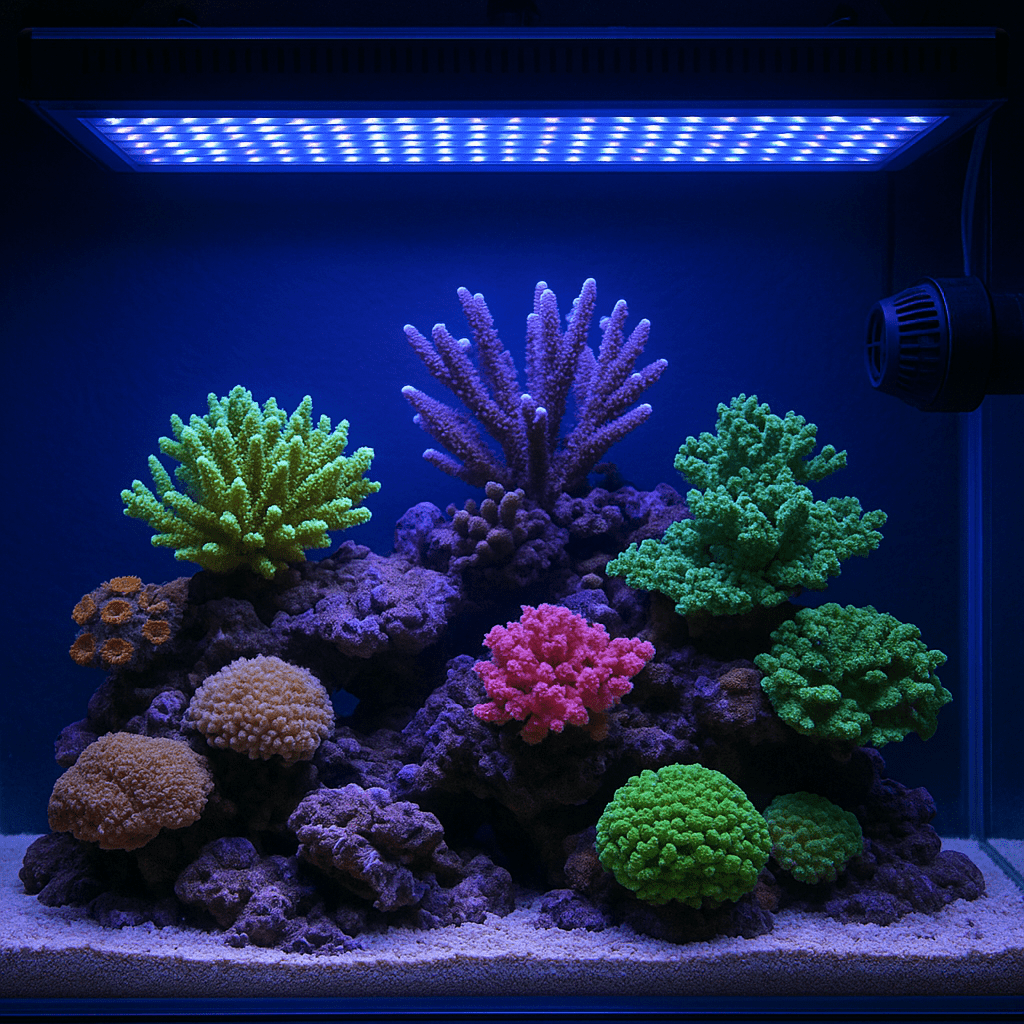
Best Filtration Systems
Best Filtration Systems for a Healthy Saltwater Aquarium Choosing the best filtration system for your saltwater aquarium is…
 By
By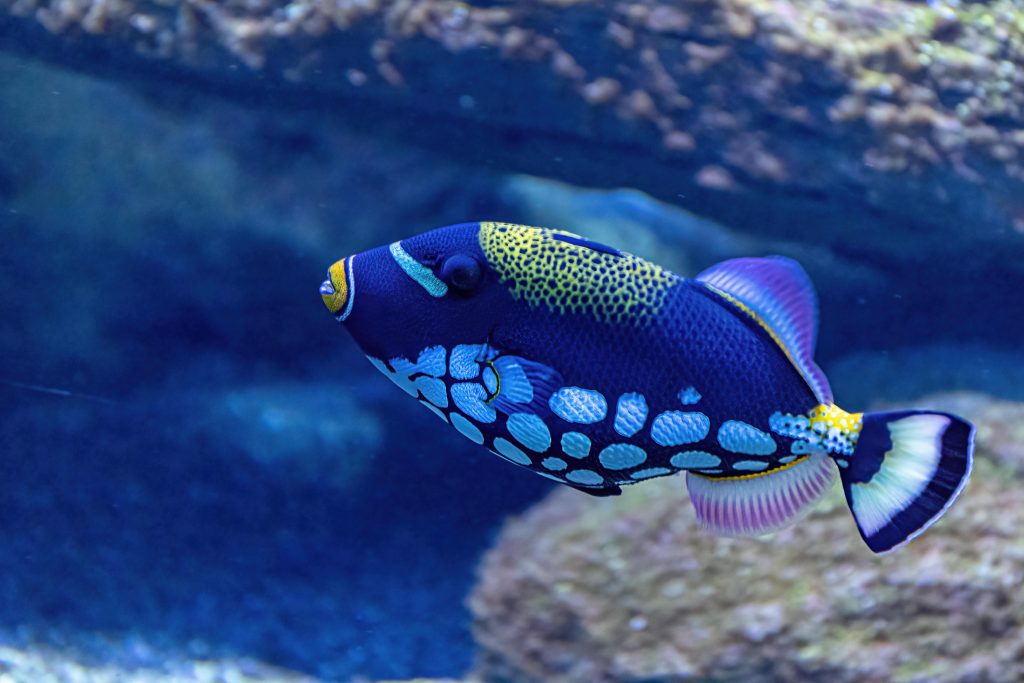
Clown Triggerfish (Balistoides Conspicillum)
Clown triggerfish are stunning but aggressive marine fish that need very large tanks, strong filtration, and careful tankmate…
[favorite_button]
My Bookmarks:
To see full list click here
[user_favorites user_id="" include_links="true" site_id="" post_types="" include_thumbnails="true" thumbnail_size="thumbnail" include_excerpt="false"]