

Alkalinity, calcium, and magnesium control coral growth, skeleton strength, and long-term reef stability. Keep them balanced, stable, and tested often. That matters more than chasing perfect numbers. Once you understand how these three parameters interact, reef chemistry becomes much easier to manage.
Many reef keepers struggle with these parameters at first. One test reads low calcium. Another shows high alkalinity. Corals stop growing, coralline algae fades, or white buildup appears on pumps and heaters. These problems usually trace back to imbalance, poor testing habits, or dosing too quickly. In this guide, you will learn what alkalinity, calcium, and magnesium do, what ranges work best, how they affect each other, and how to correct problems safely. You will also learn practical dosing and troubleshooting steps that work in real reef tanks, from beginner mixed reefs to more demanding SPS systems.
Quick Reference Table
| Parameter | Recommended Range | Why It Matters | Testing Frequency |
|---|---|---|---|
| Alkalinity | 7.5-9.0 dKH | Supports coral skeleton growth and pH stability | 2-4 times weekly in growing reefs |
| Calcium | 400-450 ppm | Main building block for coral skeletons | Weekly, or more during heavy dosing |
| Magnesium | 1250-1400 ppm | Helps stabilize calcium and alkalinity balance | Every 1-2 weeks |
| pH | 7.8-8.4 | Affects calcification and overall reef health | Daily to weekly |
Use these ranges as stable targets, not hard rules. A tank at 8.0 dKH every day is usually better than a tank swinging between 7 and 10 dKH. Corals tolerate many numbers. They do not tolerate instability well.
What Alkalinity, Calcium, and Magnesium Actually Do
Alkalinity measures the water’s buffering capacity. In reef tanks, it mainly reflects bicarbonate and carbonate availability. Corals use these compounds with calcium to build skeletons. Alkalinity also helps resist sudden pH drops. That makes it one of the most important daily stability markers in a reef aquarium.
Calcium is simpler to understand. Stony corals, clams, coralline algae, and other calcifying organisms pull calcium from the water. They combine it with carbonate to form calcium carbonate skeletons. If calcium stays too low, growth slows. If it falls very low, tissue health can decline over time.
Magnesium acts like a balancing partner. It helps prevent calcium and carbonate from precipitating too easily. When magnesium is depleted, it becomes harder to maintain both alkalinity and calcium. Many hobbyists chase those two numbers first. They often forget magnesium is what helps the whole system stay workable.
Think of alkalinity as the fuel supply, calcium as the building block, and magnesium as the stabilizer. All three matter. None should be managed in isolation.
Ideal Reef Tank Ranges and Why Stability Matters Most
Most successful reef tanks run alkalinity between 7.5 and 9.0 dKH. Calcium usually stays between 400 and 450 ppm. Magnesium usually stays between 1250 and 1400 ppm. These are practical targets for mixed reefs and many SPS systems.
Higher numbers are not automatically better. Elevated alkalinity can work in some nutrient-rich systems. It can also stress corals in ultra-low nutrient tanks. Very high calcium often adds little benefit. It may even increase precipitation risk. Excess magnesium can also cause issues if pushed too far.
The real goal is consistency. Corals adapt to stable chemistry. They struggle with rapid swings. A tank that moves from 8.3 to 7.2 dKH in two days may show burnt tips, reduced polyp extension, or tissue recession. A tank sitting at 7.8 dKH for months often performs very well.
This is why testing trends matters more than single results. Record your numbers. Look for daily consumption. Dose to replace what your reef uses. Avoid reacting to every tiny fluctuation.
How These Parameters Interact
Alkalinity and calcium are consumed together during calcification. When corals grow, both drop over time. However, they do not always fall at the same visible rate on hobby test kits. That can confuse beginners. One number may appear stable while the other drifts slowly.
Magnesium helps keep calcium and carbonate dissolved in seawater. Without enough magnesium, calcium carbonate can precipitate out of solution more easily. That means you may dose alkalinity and calcium, yet still see poor results. The additives may end up coating pumps, heaters, and tubing instead of feeding coral growth.
This relationship explains a common reef problem. A hobbyist cannot raise calcium, despite heavy dosing. The real cause is often low magnesium, inaccurate salinity, or precipitation from overdosing. Always check the full chemistry picture before making large corrections.
Balanced supplementation systems are designed around this interaction. Two-part dosing adds alkalinity and calcium separately. Kalkwasser adds both in a fixed ratio. Calcium reactors dissolve media that releases calcium, alkalinity, and trace elements together. Each method works when matched to tank demand.
How to Test and Track Consumption
Testing is the foundation of reef chemistry control. Use reliable kits from a trusted brand. Follow directions exactly. Test under good lighting. Rinse vials with tank water first. Check expiration dates. These small steps improve accuracy more than most hobbyists realize.
For newer tanks, test alkalinity several times each week. Test calcium weekly. Test magnesium every one to two weeks. In SPS-heavy tanks, alkalinity may need daily checks until dosing is dialed in. Consumption can rise quickly as coral colonies grow.
To calculate demand, test at the same time each day for several days. Do not dose during that period if safe to pause. The drop shows how much your tank consumes. That gives you a dosing target. Once a doser is set, keep testing until results stay stable.
Also verify salinity with a calibrated refractometer or conductivity meter. Incorrect salinity can make calcium and magnesium readings seem wrong. Many chemistry problems start with salinity drift.
Step-by-Step: How to Raise or Lower Levels Safely
- Test alkalinity, calcium, magnesium, and salinity first.
- Confirm the result with a second test if numbers look unusual.
- Correct magnesium first if it is clearly low.
- Adjust alkalinity slowly. Avoid increases over 1 dKH per day.
- Adjust calcium gradually. Around 20-30 ppm daily is a safe pace.
- Retest after each correction before adding more.
- Once targets are reached, measure daily consumption.
- Set up manual dosing, kalkwasser, or a dosing pump to match demand.
Never dump large doses into a high-flow display area all at once. Add supplements slowly to a sump or strong flow zone. Dose alkalinity and calcium separately. If added together in one spot, they can precipitate immediately. That wastes additive and can cloud the water.
If alkalinity is high, the safest fix is often patience. Let coral growth and normal consumption bring it down. Water changes can help if the salt mix matches your target range. Avoid chemical overcorrections unless levels are dangerously off.
Best Dosing Methods for Reef Tanks
Manual two-part dosing works well for many beginner and intermediate tanks. It is affordable and easy to understand. You add an alkalinity solution and a calcium solution separately. Magnesium is added as needed. This method gives strong control, but it requires consistency.
Dosing pumps improve precision. They spread additives across the day. That reduces swings and helps sensitive corals. For tanks with moderate to high demand, dosers are often the easiest long-term solution.
Kalkwasser is another popular option. It adds calcium and alkalinity in a balanced ratio. It also supports pH. However, it must be used carefully. Overdosing kalk can spike pH and cause precipitation. It works best in systems with moderate demand and controlled top-off.
Calcium reactors suit larger or SPS-dominated reefs. They can supply steady calcium and alkalinity efficiently. They are more complex to tune. Beginners often find two-part easier at first.
If you are still choosing a system, see these guides: reef tank setup guide, reef tank water parameters, best salt mix for reef tank, and how to use kalkwasser.
Common Problems
Why does alkalinity keep dropping?
Fast alkalinity loss usually means strong coral or coralline algae growth. It can also mean your tank has outgrown your current dosing plan. Test daily for a week. Then increase dosing slowly to match real consumption. In some cases, low salinity or test error may also create confusion.
Why will calcium not rise?
Check magnesium first. Low magnesium makes calcium harder to maintain. Also inspect pumps and heaters for white crust. That indicates precipitation. Verify salinity too. If salinity is low, calcium may appear low because the water is diluted.
What causes white buildup on equipment?
White deposits usually mean calcium carbonate precipitation. This happens when supplements are added too fast, too close together, or when pH rises sharply. Dose in separate areas. Reduce large one-time additions. Check magnesium and review your kalkwasser method if you use it.
Can high alkalinity hurt corals?
Yes, especially in low-nutrient SPS tanks. Corals may show burnt tips, pale tissue, or reduced extension. Do not force alkalinity down rapidly. Stop or reduce dosing. Let the level fall naturally while watching corals closely. Stability matters more than hitting a trendy number.
Why are my test results inconsistent?
Most inconsistent results come from technique errors. Use clean vials. Measure exact sample volumes. Swirl as directed. Read color changes under neutral light. If needed, compare results with a second kit or a trusted local fish store.
Compatibility With Different Reef Styles
Soft coral tanks usually consume less alkalinity and calcium. Water changes may cover most demand for a while. Mixed reefs consume more as LPS, SPS, and coralline algae grow. SPS-dominated tanks often have the highest demand and the lowest tolerance for swings.
Fish load also matters. Heavier feeding can raise nutrients, which changes how corals respond to alkalinity. A high-alk system may work well in one tank and cause stress in another. Always evaluate chemistry in the context of nutrients, lighting, flow, and stocking.
Clams, coralline algae, and fast-growing stony corals can increase consumption quickly. Do not assume your dosing needs stay fixed. Recheck demand as the tank matures.
Frequently Asked Questions
What is more important, alkalinity or calcium?
Both matter, but alkalinity usually needs closer monitoring. It changes faster and strongly affects coral health. Calcium is still essential, but it often shifts more slowly.
Should I dose magnesium every day?
Usually no. Magnesium is consumed more slowly than alkalinity and calcium. Many tanks only need occasional correction, especially with regular water changes.
Can water changes maintain these parameters alone?
Yes, in low-demand tanks. No, in many mature mixed reefs and SPS tanks. Once coral growth increases, supplementation is usually required.
Is 10 dKH too high for a reef tank?
Not always. It can be fine in some mixed reefs. It may be risky in low-nutrient SPS systems. Stability and nutrient balance determine whether it works well.
How often should I test alkalinity?
Test two to four times weekly in most reefs. Test daily in high-demand SPS tanks until dosing is stable. Once dialed in, you can reduce frequency carefully.
Final Thoughts
Alkalinity, calcium, and magnesium are core reef tank parameters. They drive coral growth and influence long-term stability. The best approach is simple. Test consistently. Correct slowly. Dose based on real consumption. Keep salinity stable. Focus on trends, not panic reactions. When these three parameters stay balanced, your reef becomes easier to manage and much more rewarding to grow.
Was this helpful?
Related Posts
Best Filtration Systems
Best Filtration Systems for a Healthy Saltwater Aquarium Choosing the best filtration system for your saltwater aquarium is…
 By
By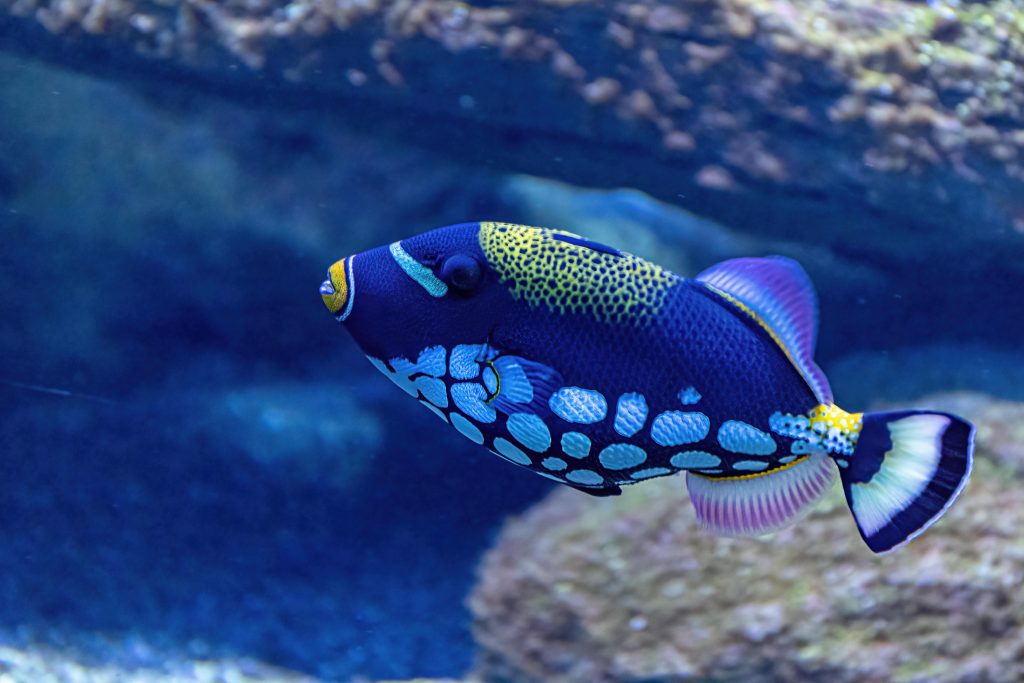
Clown Triggerfish (Balistoides Conspicillum)
Clown triggerfish are stunning but aggressive marine fish that need very large tanks, strong filtration, and careful tankmate…
[favorite_button]
My Bookmarks:
To see full list click here
[user_favorites user_id="" include_links="true" site_id="" post_types="" include_thumbnails="true" thumbnail_size="thumbnail" include_excerpt="false"]