

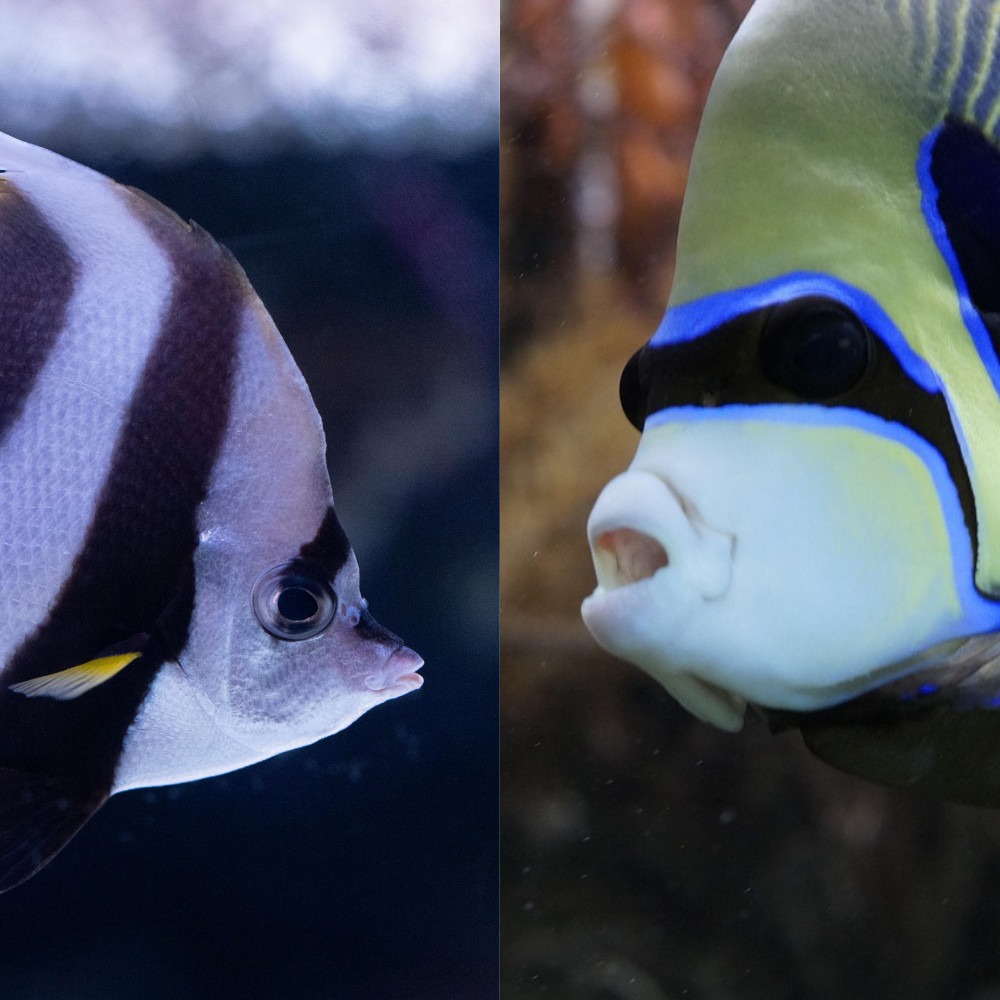
Angelfish and butterflyfish are among the most striking marine fish in the hobby. They are also among the most misunderstood. Many species eat coral, nip clams, or struggle in small tanks. Others adapt well and become excellent display fish. Success depends on choosing the right species, feeding well, and building a stable reef system.
This guide explains the key differences between angelfish and butterflyfish in reef aquariums. You will learn which species are safer, which need caution, and which should stay in fish-only systems. We will cover tank size, aquascaping, feeding, compatibility, and common problems. If you want a bold centerpiece fish without risking your corals, this article will help you make a smarter choice.
Quick Reference Table
| Group | Reef Safety | Minimum Tank | Diet | Difficulty |
|---|---|---|---|---|
| Dwarf angelfish | With caution | 55 gallons | Omnivore, algae, sponge foods | Moderate |
| Large angelfish | Usually not reef safe | 125 gallons | Sponge, algae, meaty foods | Moderate to advanced |
| Copperband butterflyfish | With caution | 75 gallons | Worms, clams, frozen foods | Advanced |
| Pyramid butterflyfish | Often reef safe | 125 gallons | Planktonic foods | Moderate |
| Most butterflyfish | Not reef safe | 75 to 125 gallons | Coral polyps, worms, inverts | Advanced |
Use this table as a starting point only. Individual fish can behave very differently. One coral-safe dwarf angel may ignore corals for years. Another may nip within hours. Always plan for the worst case.
Angelfish vs Butterflyfish: What Is the Difference?
Angelfish and butterflyfish look similar to many beginners. Both have laterally compressed bodies. Both cruise rockwork and pick at surfaces. Both include species that can be risky in reefs. Still, they differ in important ways.
Marine angelfish belong to the family Pomacanthidae. They often graze algae, sponge, tunicates, and biofilm. Dwarf angelfish from the genus Centropyge are the most common reef candidates. Large angels are usually better for fish-only systems. They often become bolder and more destructive with age.
Butterflyfish belong to the family Chaetodontidae. Many have long snouts for picking worms and coral polyps. That feeding style creates the main issue in reef tanks. A large number are natural corallivores. Some species, like the pyramid butterflyfish, feed more on plankton and are safer. Others, like the raccoon butterflyfish, are poor reef choices. Knowing the species matters more than the family name.
Natural Habitat
Angelfish and butterflyfish occur across tropical reefs in the Indo-Pacific, Red Sea, and Atlantic. Most live around coral-rich slopes, lagoons, reef faces, and rubble zones. They spend the day browsing surfaces, picking tiny prey, and weaving through rock crevices. This constant foraging behavior explains why they need mature aquariums with stable rockwork.
Dwarf angelfish often stay close to caves and ledges. They dart in and out of cover when threatened. Large angelfish patrol wider territories. Butterflyfish vary by species. Some form pairs and defend feeding zones. Others school in open water above reef slopes. Copperbands often hunt worms and tube invertebrates in crevices. Pyramid butterflyfish feed higher in the water column.
Replicating that habitat helps a lot. These fish do best in mature tanks with live rock, natural grazing opportunities, and calm social conditions. Bare systems can work during quarantine. They rarely work long term for these species.
Best Angelfish and Butterflyfish for Reef Tanks
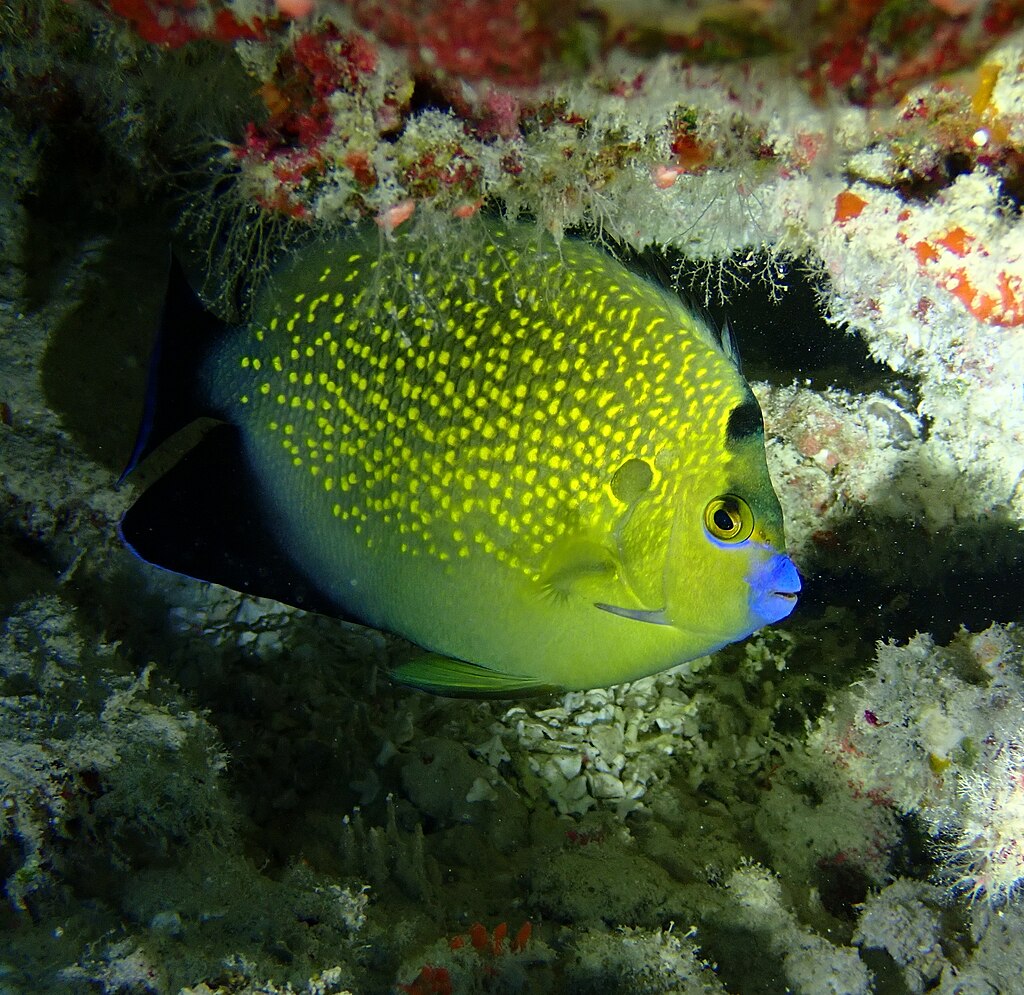
No angelfish is truly guaranteed reef safe. That includes dwarf angels. Still, some species have much better odds than others. Coral beauty, flame angel, and cherub angel are common examples. They may nip at fleshy LPS, zoanthids, clam mantles, or SPS polyps. Some never touch corals. Others become repeat offenders.
Among butterflyfish, the pyramid butterflyfish is one of the best reef candidates. It usually feeds on plankton rather than coral tissue. The copperband butterflyfish is more complicated. It may help with Aiptasia in some tanks. It may also ignore pests, starve, or pick at feather dusters and fleshy corals. Its survival record is mixed.
If your reef contains prized acans, scolys, zoanthids, and clams, caution is wise. If you keep a mixed reef and accept some risk, a carefully chosen dwarf angel may work. In most cases, butterflyfish are better reserved for experienced keepers or fish-focused displays.
Aquarium Setup
Tank size matters more than many hobbyists expect. Dwarf angelfish need at least 55 gallons. A 75-gallon tank is better. Large angelfish usually need 125 gallons or more. Active butterflyfish also need room. Many should start in 75 to 125 gallons, depending on species and adult size.
Build the aquascape with caves, arches, and line-of-sight breaks. These fish feel safer when they can retreat quickly. Open swimming lanes are also important. Avoid stacking rock into a solid wall. That limits movement and creates aggression. Mature live rock is ideal because it supports natural grazing and microfauna.
Use a tight lid or mesh cover. Some species jump when startled. Strong filtration helps because these fish eat often and produce waste. A quality protein skimmer is very useful. Stable salinity, temperature, and pH matter more than chasing exact numbers. If you need help building a stable marine system, see reef tank setup and saltwater aquarium parameters.
Lighting Requirements
These fish do not need special lighting for their own health. Lighting should match the needs of your corals first. In fish-only systems, moderate lighting is enough. In reef tanks, use the schedule that fits your coral mix.
That said, extremely bright lighting in sparse aquascapes can make new angels and butterflyfish feel exposed. They often settle faster in tanks with shaded overhangs and deep rockwork. If a new fish hides all day, check the aquascape before blaming the species. Security matters.
Many hobbyists also forget that long photoperiods encourage more grazing pressure. A fish that roams all day may sample coral more often. This is not a reason to reduce proper reef lighting. It is a reason to feed well and provide natural browsing surfaces.
Water Flow
Moderate to strong flow works well for most angelfish and butterflyfish. They come from reefs with constant water movement. Good flow improves oxygenation and keeps detritus from settling in rockwork. It also supports coral health in mixed reefs.
Avoid blasting the entire tank with direct pump output. These fish need calm pockets behind rock structures. Copperbands especially appreciate areas where they can hunt without fighting heavy turbulence. Aim for varied flow instead of a single harsh stream.
If your fish hovers in one corner, breathes hard, or avoids the display area, review your flow pattern. Stress often looks like shyness at first. Balanced circulation is the goal.
Feeding
Feeding is where many losses begin. These fish should not get one random meal each day. Most do best with two to three smaller feedings. Offer a varied diet. Use frozen mysis, brine enriched with vitamins, chopped clam, sponge-based angelfish foods, pellets, and algae sheets where appropriate.
Dwarf angelfish benefit from constant grazing options. Mature rock helps. Nori and spirulina foods also help. Large angelfish need sponge material in the diet. Many prepared angelfish formulas include this. Butterflyfish often need more patience. Some refuse pellets for weeks. Copperbands may accept blackworms, clam on the half shell, or live foods before switching to frozen fare.
A hungry fish is more likely to nip corals and invertebrates. Good feeding does not guarantee reef safety. It does reduce pressure. For more help with marine fish diets, read reef fish feeding guide.
Compatibility
Compatibility depends on both temperament and feeding behavior. Dwarf angelfish can be territorial, especially in smaller tanks. They may chase peaceful fish that occupy similar rock zones. Introduce them after shy species when possible. Large angelfish can dominate entire displays.
Butterflyfish are often peaceful toward unrelated fish. Their main compatibility issue is with corals and ornamental invertebrates. Feather dusters, tube worms, clams, and fleshy LPS are common targets. Some species also fight with close relatives or similar body shapes.
Use caution with multiple angels in small tanks. Use extreme caution with mixed butterfly species unless the tank is very large. Quarantine all new arrivals. Many angels and butterflies arrive thin and stressed. Disease prevention matters. Learn more in quarantine saltwater fish and reef safe fish list.
Step-by-Step Guide to Choosing the Right Species
- Decide if your tank is a true reef or fish-only system.
- List your prized corals and invertebrates first.
- Check the adult size of the fish, not the store size.
- Research the exact species, not just the common family.
- Choose a mature tank with plenty of rock cover.
- Plan a quarantine period before purchase.
- Confirm the fish is eating at the store if possible.
- Prepare several food types before it arrives.
- Watch closely for coral nipping during the first month.
- Have a removal plan if the fish becomes destructive.
This last step is important. Catching an angel or butterfly in a reef tank is not easy. Fish traps work better than tearing apart rockwork. Always plan for that possibility before adding a risky species.
Propagation or Breeding
Can hobbyists breed angelfish and butterflyfish?
Home breeding is rare for both groups. Most species are pelagic spawners. They release eggs into open water. Larvae are tiny and difficult to raise. Specialized foods and rearing systems are needed. This places them far beyond typical home breeding projects.
What about captive-bred options?
Captive-bred marine angelfish are becoming more available in some markets. Availability still varies by region and species. When possible, captive-bred fish are often hardier and adapt to prepared foods faster. Captive-bred butterflyfish remain uncommon. If you can source captive-bred stock, it is usually worth the extra cost.
Common Problems
Why is my angelfish nipping corals?
The most likely causes are species behavior, hunger, boredom, or limited grazing space. Increase feeding frequency. Add algae sheets or sponge-based foods. Observe which corals are targeted. Some fish fixate on fleshy LPS or clam mantles. If nipping continues, removal may be the only solution.
Why is my butterflyfish not eating?
New butterflyfish often refuse food from stress. Copperbands are famous for this. Offer clam, blackworms, or enriched frozen foods. Reduce aggression from tankmates. Provide quiet cover. Check for pinched belly and rapid breathing. Parasites and shipping damage are also common causes.
Why is my fish hiding all day?
Hiding usually points to stress. Common triggers include aggressive tankmates, too little cover, harsh flow, or recent transfer. Test water quality. Watch for bullying at feeding time. Rearranging rockwork can help reset territories in some cases.
Why did my fish develop ich after introduction?
Angelfish and butterflyfish often arrive stressed. Stress lowers resistance. Quarantine reduces this risk. Stable salinity and temperature also help. Never assume a healthy-looking fish is disease free. Prevention is much easier than treatment in a reef display.
Frequently Asked Questions
Are angelfish reef safe?
Some dwarf angelfish are reef safe with caution. Large angelfish usually are not. Individual behavior varies a lot.
Are butterflyfish reef safe?
Most butterflyfish are not reef safe. A few species, like pyramid butterflyfish, are better candidates.
Can a copperband butterflyfish eat Aiptasia?
Some do, but many do not. Never buy one only for pest control. Its long-term care is much more important.
What is the easiest angelfish for beginners?
Coral beauty and flameback-type dwarf angels are often manageable for prepared beginners. They still need stable tanks and close observation.
Should I add an angelfish or butterflyfish to a mixed reef?
Only if you accept some risk. Dwarf angelfish are usually the safer choice. Most butterflyfish are better left out of mixed reefs.
Final Thoughts
Angelfish and butterflyfish can be amazing display fish. They add movement, color, and personality. They also demand careful planning. For most reef keepers, dwarf angelfish offer the best balance of beauty and manageable risk. Butterflyfish require much more selectivity. If you choose the species carefully, feed generously, and keep a mature stable tank, you will have a far better chance of success.
Was this helpful?
Related Posts
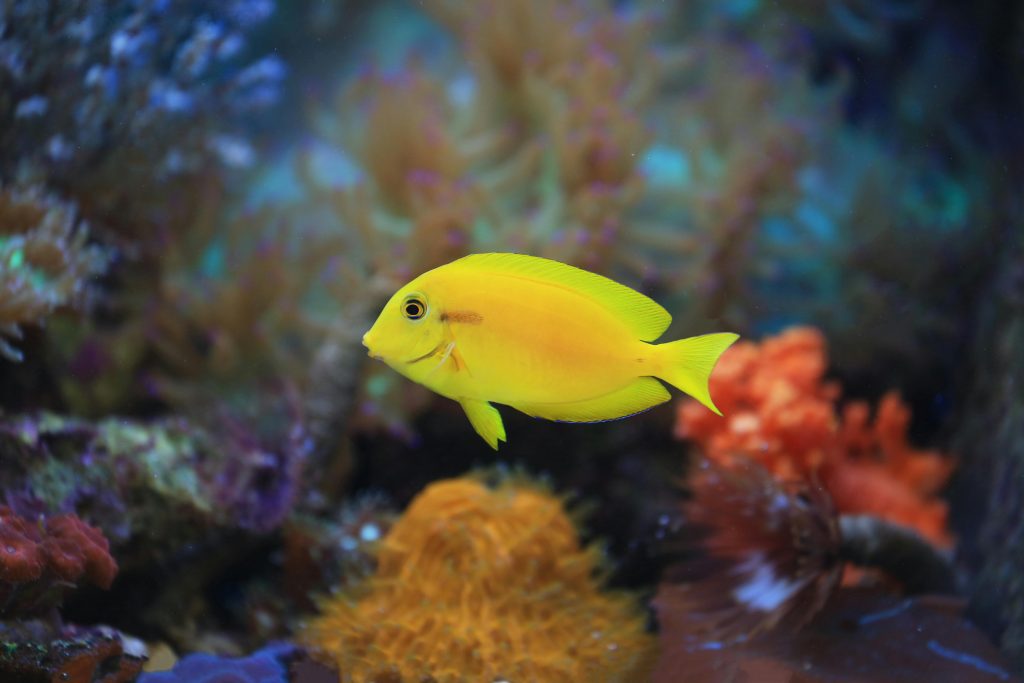
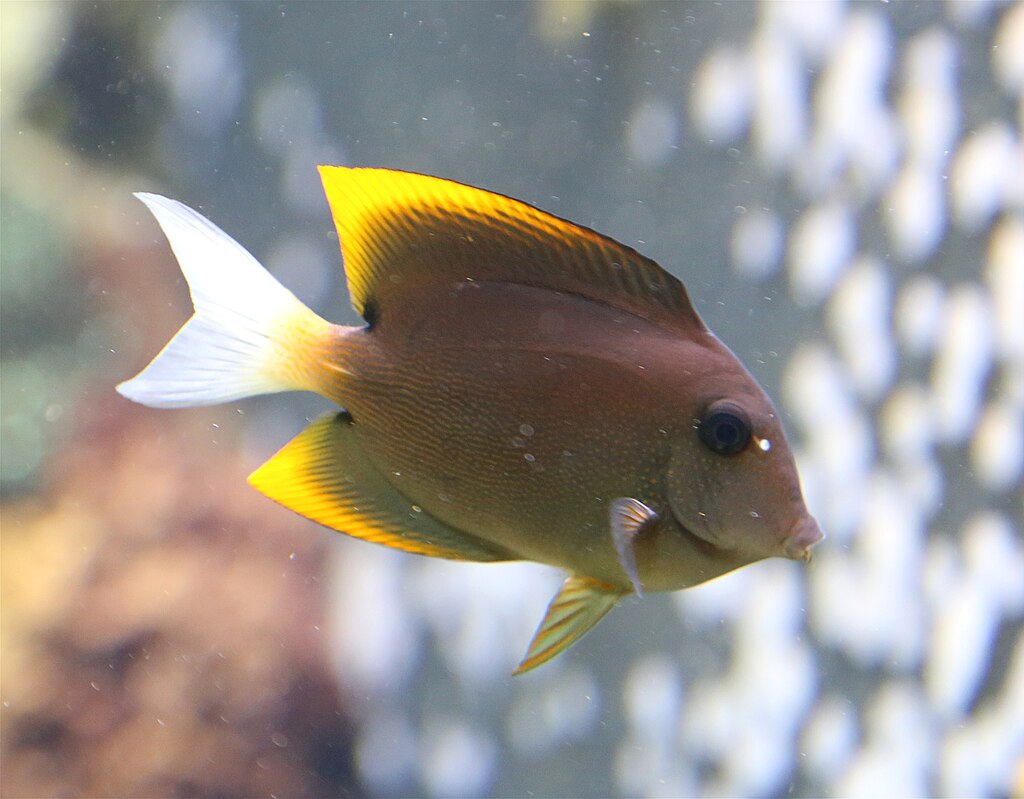
Juvenile Orange Shoulder (acanthurus Olivaceus)
Juvenile orange shoulder tangs are bright, hardy, and reef safe, but they grow large and need a spacious…
 By
By
Best Filtration Systems
Best Filtration Systems for a Healthy Saltwater Aquarium Choosing the best filtration system for your saltwater aquarium is…
[favorite_button]
My Bookmarks:
To see full list click here
[user_favorites user_id="" include_links="true" site_id="" post_types="" include_thumbnails="true" thumbnail_size="thumbnail" include_excerpt="false"]