


A simple aquarium maintenance schedule keeps a reef tank stable, clean, and easier to manage. When you break tasks into daily, weekly, and monthly steps, you prevent most common problems before they become expensive setbacks.
Many reef tanks fail from neglect, not bad equipment. New hobbyists often focus on lights, corals, and fish. The real secret is consistency. A repeatable schedule protects water quality, keeps equipment running well, and reduces stress on livestock. It also helps you spot small issues early. In this guide, you will learn how to build a practical reef aquarium maintenance routine, what to do each day, week, and month, and how to adjust the schedule for your tank size, coral load, and feeding habits.
Quick Reference Maintenance Schedule
| Task | Frequency | Why It Matters |
|---|---|---|
| Check temperature and livestock | Daily | Catches stress, disease, and equipment failure fast |
| Top off evaporated water | Daily | Keeps salinity stable |
| Feed fish and corals appropriately | Daily | Supports health without overloading nutrients |
| Empty skimmer cup if needed | 2–3 times weekly | Maintains skimmer performance |
| Clean glass | Weekly | Improves viewing and limits algae buildup |
| Test alkalinity, calcium, magnesium | Weekly | Supports coral growth and stability |
| Test nitrate and phosphate | Weekly | Helps prevent algae and coral stress |
| Water change | Weekly or biweekly | Exports waste and restores trace elements |
| Change filter floss or socks | Every 2–7 days | Prevents trapped waste from breaking down |
| Inspect pumps and ATO | Monthly | Prevents failures and unstable parameters |
| Deep clean powerheads and skimmer | Monthly to quarterly | Restores flow and efficiency |
| Calibrate probes and refractometer | Monthly | Ensures accurate readings |
Use this table as a starting point. Every reef tank is different. A lightly stocked soft coral tank needs less work than a heavily fed SPS system. The goal is not doing more tasks. The goal is doing the right tasks on time.
Why an Aquarium Maintenance Schedule Matters
Reef aquariums reward stability. Corals and fish can handle many conditions. They do poorly with sudden swings. A good maintenance schedule reduces those swings. It keeps salinity, alkalinity, nutrients, and temperature within a safe range.
It also saves time. Random maintenance often leads to missed jobs. Then several tasks pile up at once. That creates stress for you and your tank. Scheduled care turns reef keeping into a routine. You know what to check. You know when to test. You know when to clean equipment.
This routine also improves observation. Daily checks help you notice closed corals, fish breathing hard, or a silent return pump. Weekly testing shows trends before they become crashes. Monthly equipment cleaning keeps flow strong and filtration efficient. In short, a maintenance plan prevents emergencies and helps your reef mature with fewer setbacks.
Daily Reef Tank Maintenance Tasks
Daily maintenance should be quick. Most tanks need only 10 to 15 minutes. Start by checking temperature, salinity trends, and general livestock behavior. Fish should swim normally and eat eagerly. Corals should show typical extension for your system.
Top off evaporated water every day unless you use an auto top off system. Evaporation raises salinity. Even small swings can irritate corals. If you run an ATO, confirm it is working and that the reservoir has water. A failed ATO can cause major problems fast.
Feed carefully. Overfeeding is a common cause of high nitrate and phosphate. Offer only what fish consume within a minute or two. If you target feed corals, watch your nutrient levels closely. Also check the skimmer, filter socks, and water level in the sump. Small daily observations often prevent large weekend disasters.
Weekly Aquarium Maintenance Tasks
Weekly maintenance is the backbone of reef success. Start by cleaning the glass. This keeps algae from hardening and spreading. Replace or rinse mechanical filtration like filter floss or socks. Dirty media traps waste and turns it into nitrate and phosphate.
Test key water parameters every week. For most reef tanks, that means alkalinity, calcium, magnesium, nitrate, phosphate, and salinity. In newer tanks, test more often. Alkalinity can swing quickly in tanks with stony corals. Record the results. Trends matter more than one isolated number.
Do a water change if your system benefits from it. Many hobbyists change 10 percent weekly or 15 to 20 percent every two weeks. Match temperature, salinity, and alkalinity before adding new saltwater. This avoids shocking livestock. During the water change, siphon detritus from low-flow areas, the sump, and bare spots in the aquascape.
Monthly Maintenance Tasks
Monthly tasks focus on equipment and accuracy. Pumps, powerheads, skimmers, and ATO sensors slowly collect calcium deposits, slime, and debris. Performance drops over time. Flow weakens. Heat can rise. Noise increases. A monthly inspection prevents these issues.
Clean pump intakes and powerheads with vinegar or citric acid as needed. Empty and scrub the skimmer body and cup. Inspect tubing for salt creep and blockages. Check heater placement and confirm it cycles correctly. If you use dosing pumps, inspect lines for clogs or air bubbles.
Calibrate your refractometer and pH probes monthly. Inaccurate tools lead to bad decisions. Also review your maintenance log. Are nitrate and phosphate rising each week? Is alkalinity falling faster than before? Those trends tell you when to change feeding, dosing, or water change volume.
Step-by-Step: How to Build Your Own Maintenance Routine
Start with your tank type. A fish-only tank needs a different schedule than an SPS reef. Write down your equipment, livestock, and current problems. This gives you a realistic baseline.
Next, divide tasks by frequency. Put observation, feeding, and top off on the daily list. Put testing, glass cleaning, and water changes on the weekly list. Put equipment cleaning and calibration on the monthly list.
Then match the schedule to your nutrient load. Heavy feeding means more frequent sock changes and testing. A nano reef may need smaller but more frequent water changes. A mature mixed reef may need weekly alkalinity checks and regular dosing adjustments.
Finally, make it easy to follow. Use phone reminders, a printed checklist, or a reef app. Keep test kits and cleaning tools together. The best aquarium maintenance schedule is the one you actually complete every week.
Aquarium Setup Factors That Change the Schedule
Tank size matters. Smaller aquariums change faster. A five-gallon evaporation loss is minor in a large system. It is serious in a nano reef. Small tanks usually need closer observation and more frequent testing.
Stocking level also matters. More fish means more waste. More coral growth means higher demand for alkalinity and calcium. Heavy feeding requires stronger export. That may include larger water changes, more frequent skimmer cleaning, or media changes.
Your filtration setup changes the routine too. Tanks with filter socks need regular replacement. Roller mats reduce manual work but still need inspection. Refugiums need algae harvesting. Carbon and GFO need scheduled replacement. There is no universal calendar. Good maintenance reflects your actual bioload, equipment, and husbandry style.
Common Problems
Why does my tank still have algae with regular maintenance?
Algae usually means nutrients and light are out of balance. Your schedule may look consistent, but trapped detritus, overfeeding, old bulbs, or weak flow can still fuel algae. Test nitrate and phosphate weekly. Clean low-flow zones during water changes. Replace dirty mechanical media more often. Review your feeding amount honestly.
Why do my parameters swing between water changes?
Fast swings often come from evaporation, inconsistent dosing, or low water volume. Check salinity daily. Verify your ATO works properly. Test alkalinity at the same time each week. If alkalinity drops quickly, your corals may need daily dosing instead of relying on water changes alone.
Why does my skimmer stop performing well?
Skimmers lose efficiency when the neck gets dirty or the air intake clogs. Clean the cup and neck several times each week. Inspect the venturi and airline monthly. Also note that medications, foods, epoxy, and water conditioners can temporarily affect foam production.
Why do corals look unhappy after maintenance?
Large water changes, aggressive cleaning, or parameter mismatches can stress corals. Match new water closely to the display tank. Avoid stirring too much detritus at once. Clean one major piece of equipment at a time if the tank is sensitive. Stability matters more than perfection.
Frequently Asked Questions
How often should I do water changes in a reef tank?
Most reef tanks do well with 10 percent weekly or 15 to 20 percent biweekly. Heavily stocked tanks may need more. Stable, lightly stocked systems may need less.
How often should I test reef tank water?
Test weekly for most mature tanks. Test more often in new tanks, after livestock additions, or when adjusting dosing. Alkalinity may need checking two or three times weekly in SPS systems.
Can I automate aquarium maintenance?
Yes, but automation reduces work. It does not replace observation. ATO systems, dosing pumps, roller mats, and controllers help a lot. You still need regular inspections and testing.
What is the most important daily task?
Observe the tank. Fish behavior, coral extension, water level, and temperature often reveal problems before test kits do.
Should beginners keep a maintenance log?
Absolutely. A simple log helps you connect actions with results. It also makes troubleshooting much easier when something changes.
Final Tips for Staying Consistent
Keep your schedule realistic. A perfect plan that you ignore is useless. Build a routine around your actual week. Batch supplies together. Mix saltwater before maintenance day. Replace test kits before they expire. Keep spare filter floss, tubing, and pump parts on hand.
Most important, avoid chasing numbers. Focus on stable trends and healthy livestock. A reef tank thrives on consistency, not constant correction. If you maintain your tank on schedule, many common reef problems become much easier to prevent.
Related reading: reef tank water parameters, how to cycle a reef tank, reef tank water change guide, best clean up crew for reef tank, reef tank algae control.
Was this helpful?
Related Posts
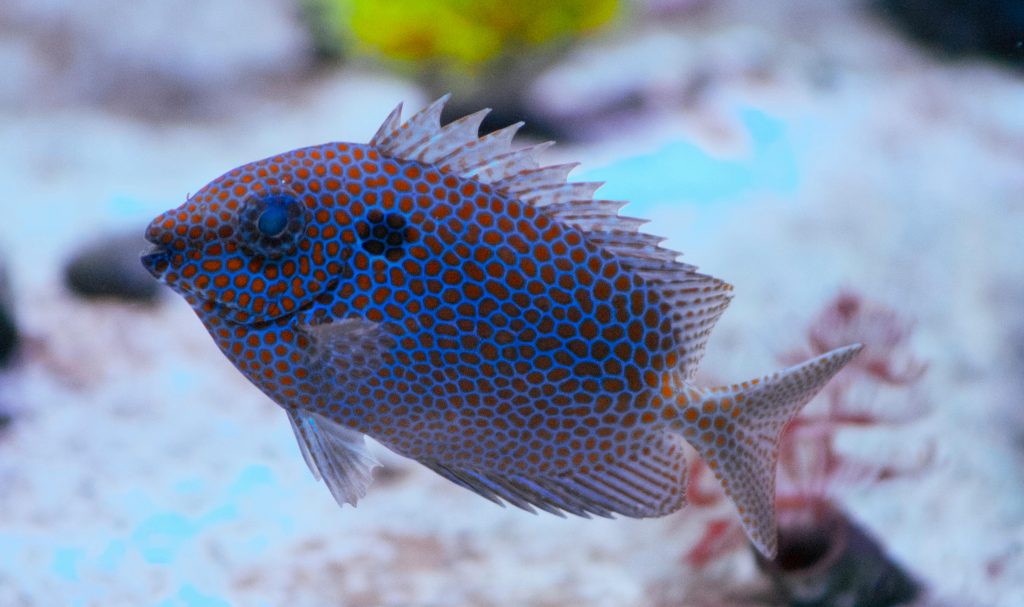
Gold Spotted Rabbitfish (Siganus Punctatus)
Gold Spotted Rabbitfish care includes large tanks, heavy algae feeding, and caution with corals. Learn tank size, diet,…
 By
By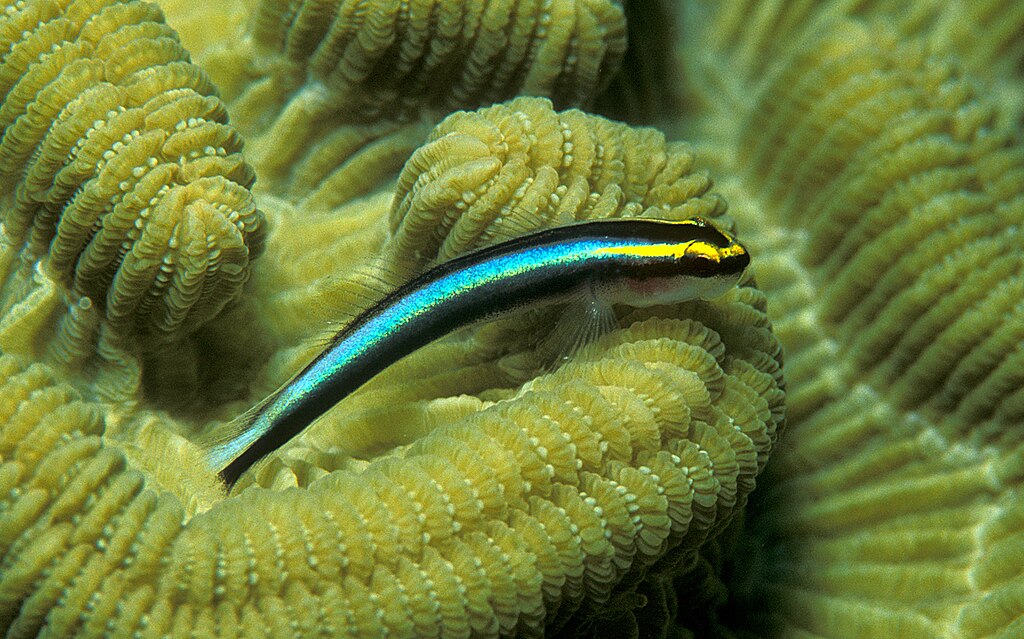
Sharknose Goby (Elacatinus evelynae)
Sharknose Goby care is simple in stable reef tanks. Learn feeding, tank setup, compatibility, and common problems for…
[favorite_button]
My Bookmarks:
To see full list click here
[user_favorites user_id="" include_links="true" site_id="" post_types="" include_thumbnails="true" thumbnail_size="thumbnail" include_excerpt="false"]