

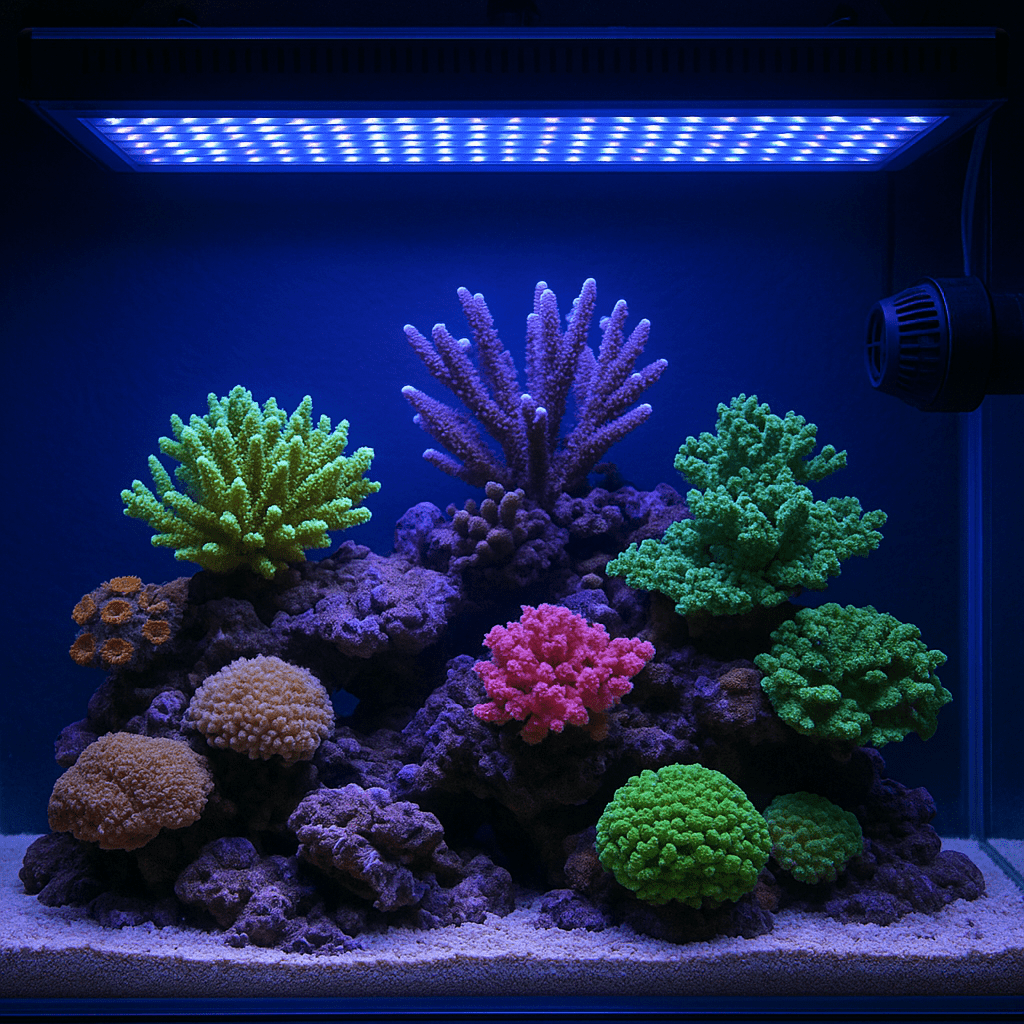
Aquarium substrates do more than cover the tank bottom. They affect biology, water chemistry, coral placement, and long-term maintenance. The best substrate depends on your goals. Reef tanks usually do best with aragonite sand, while bare bottom systems suit high flow and easy cleaning. Grain size, depth, and upkeep all matter.
Many new reef keepers treat substrate as a cosmetic choice. It is not. The material under your rockwork can influence pH stability, detritus buildup, nutrient control, and even how secure your aquascape feels. A shallow sand bed behaves very differently from a deep one. Fine sand shifts in strong flow. Crushed coral traps waste fast. Bare bottom tanks simplify export but look less natural to some hobbyists. In this guide, you will learn the main substrate types, their pros and cons, how to choose the right depth, and how to avoid common mistakes. If you are planning a new reef or upgrading an old one, this article will help you make a smarter choice.
Quick Reference Table
| Substrate Type | Best For | Main Benefits | Main Drawbacks |
|---|---|---|---|
| Fine aragonite sand | Mixed reefs, sand-sifting animals | Natural look, buffers slightly, supports burrowers | Can blow around in high flow |
| Special grade aragonite | Most reef tanks | Stable, natural, less shifting | Still traps waste if neglected |
| Crushed coral | Fish-only systems, low flow tanks | Heavy, does not shift easily | Traps detritus, harder to keep clean |
| Deep sand bed | Specific nutrient reduction setups | Can support anaerobic zones | Needs planning and long-term care |
| Bare bottom | SPS tanks, high flow systems | Easy cleaning, strong flow, low detritus retention | Less natural look, no habitat for sand fauna |
For most reef aquariums, special grade aragonite is the safest middle ground. It looks natural, stays in place better than sugar-fine sand, and works with most fish and coral plans.
Why Substrate Matters in a Reef Tank
Substrate affects several parts of reef husbandry at once. First, it changes how waste collects. Fine sand can hold detritus near the surface. Crushed coral lets waste fall between large gaps. Bare bottom tanks keep debris visible, which makes removal easier. Second, substrate can influence biology. Sand hosts bacteria, worms, pods, and other small life. These organisms help process waste and feed some fish and corals indirectly.
Third, substrate changes how your tank looks and feels. Bright white sand reflects light well. It can make corals appear more colorful. Darker bottoms create contrast but are less common in marine systems. Substrate also matters for livestock behavior. Gobies, wrasses, pistol shrimp, nassarius snails, and many burrowing animals need sand to thrive. Finally, substrate can affect chemistry. Aragonite can dissolve very slowly under acidic conditions. This offers minor buffering support, though it should never replace proper alkalinity management. If you want a stable reef, substrate choice deserves real planning.
Main Types of Aquarium Substrates
Aragonite sand is the most common reef substrate. It is calcium carbonate based and comes in several grain sizes. Fine grades look very natural. They suit shallow lagoons and tanks with sand-sifting fish. Medium and special grade sands are more stable. They resist blowing around under stronger flow. This makes them ideal for mixed reefs and many beginner systems.
Crushed coral is much coarser. It was popular years ago, but it has fallen out of favor in modern reefs. The large pieces trap food and waste easily. Nitrate and phosphate often rise if cleaning is inconsistent. It can still work in fish-only systems, but it demands regular vacuuming. Bare bottom tanks remove substrate entirely. These setups are common in high-energy SPS systems. Flow can stay strong without creating sandstorms. Waste remains exposed, so export is easier. Some hobbyists also use mud-based refugium substrates, but these belong in refugiums, not display bottoms. For most display reefs, aragonite remains the best overall choice.
Choosing the Right Grain Size and Depth
Grain size changes how the tank behaves day to day. Very fine sand looks beautiful. It also supports jawfish, some gobies, and burrowing invertebrates. The downside is movement. Strong pumps can create drifts, bare spots, and cloudy water. Medium grain sand is usually easier to manage. It still looks natural, but it stays put better. Coarse substrates are stable, but they are less suitable for delicate sand-dwelling animals.
Depth matters just as much. A shallow sand bed is usually 1 to 2 inches deep. This is the easiest option for most hobbyists. It gives a natural look and enough room for many animals. A deep sand bed is often 4 inches or more. It aims to support low-oxygen zones for nitrate reduction. Deep beds can work, but they need the right grain size, mature biology, and minimal disturbance. They are less popular today in display tanks. Many reef keepers now prefer shallow beds or bare bottom systems. If you are unsure, choose 1 to 1.5 inches of special grade aragonite. It is forgiving and versatile.
Aquarium Setup and Aquascaping Tips
Substrate should support your aquascape, not weaken it. Place heavy rocks on the tank bottom or on stable supports before adding sand. Do not stack major structures on loose substrate alone. Burrowing fish and invertebrates can shift sand under the rocks. This can cause collapses over time. Stable rockwork is critical in reef tanks with gobies, pistol shrimp, or large snails.
Match the substrate to your flow pattern. Tanks with gyres, strong wavemakers, or intense SPS flow often need heavier sand or no sand at all. Lower flow mixed reefs can use finer grades more safely. Rinse dry substrate before use unless the manufacturer says otherwise. This reduces dust and clouding. Add sand slowly. Pouring it all at once can scratch glass or bury equipment. If you are upgrading an existing tank, avoid replacing all substrate at once unless necessary. Old sand can hold waste. Disturbing too much at once can release nutrients and organics into the water. If the bed is dirty, replace it in sections over time.
How Substrate Affects Water Chemistry
Many reef keepers hear that aragonite buffers pH and alkalinity. This is partly true, but the effect is often overstated. In a normal reef tank, aragonite dissolves slowly. It may provide a small benefit in lower pH zones, but it will not maintain alkalinity by itself. You still need regular testing and proper dosing. Think of aragonite as helpful, not magical.
Substrate has a bigger effect on nutrients than on alkalinity. Dirty substrate traps fish waste, uneaten food, and decaying organics. This can raise nitrate and phosphate over time. Fine sand can also develop compacted areas if flow is poor and the bed lacks sand-stirring life. That does not mean sand is bad. It means husbandry matters. Good circulation, a balanced cleanup crew, and periodic maintenance keep substrate healthy. If your nutrients stay high despite strong export, inspect the sand bed closely. It may be acting like a nutrient sink. For more on stability, see water chemistry basics, reef tank cycling guide, and nitrate control in reef tanks.
Best Substrates for Different Reef Tank Goals
For beginner mixed reefs, special grade aragonite is usually best. It balances appearance, function, and ease of care. For tanks with wrasses that sleep in sand, finer aragonite works well. For jawfish or burrowing gobies, choose a soft sand with enough depth for digging. For high-flow SPS systems, many hobbyists use bare bottom tanks. This allows aggressive flow and quick detritus removal.
For lagoon-style reefs, fine white sand creates a natural shallow-water look. Pair it with gentler flow and open space. For fish-only marine tanks, crushed coral can work, but regular vacuuming is essential. If your main goal is easy maintenance, shallow sand or bare bottom will usually beat deep beds. If your goal is biodiversity, a live sand bed with pods, worms, and snails can add life and function. There is no universal best substrate. The best option is the one that fits your livestock, flow, maintenance habits, and visual style. Build the tank around your long-term plan, not just your first impression.
Step-by-Step: How to Add Substrate to a New Reef Tank
- Choose the substrate type and depth before buying livestock.
- Rinse dry sand in clean saltwater or RO water if needed.
- Place rock structures on the glass or supports first.
- Add the substrate around the rockwork carefully.
- Use a bowl or plastic bag to soften water flow while filling.
- Fill the tank slowly to reduce clouding.
- Start pumps after major dust settles.
- Adjust flow to prevent drifting and dead spots.
- Add sand-dwelling animals only after the tank matures.
This process prevents common setup problems. It also protects the stability of your aquascape. If the tank clouds, give it time. Fine particles usually settle within a day or two. Mechanical filtration helps speed this up.
Common Problems
Why is my sand turning brown?
Brown sand is often diatoms in newer tanks. They feed on silicates and usually fade with time. It can also be trapped detritus. Increase flow slightly, improve export, and stir only the top surface if needed. Snails such as nassarius and ceriths can help, but they are not a full solution.
Why does my substrate trap so much waste?
This is common with crushed coral and neglected sand beds. Large particles create pockets for debris. Feed carefully, improve flow, and vacuum problem areas during water changes. If the issue persists, consider switching to a finer or more manageable substrate.
Why is my sand blowing everywhere?
Your grain size may be too fine for your pump setup. Redirect wavemakers upward or toward the surface. Reduce direct flow at the bottom. If storms continue, replace part of the bed with heavier aragonite. Sometimes a simple pump adjustment fixes the issue.
Can old substrate cause nutrient problems?
Yes. Older beds can hold years of waste. Disturbing them may release nutrients and organics. If the bed smells foul, looks dark below the surface, or drives persistent nitrate issues, replace it gradually. Never remove a large mature bed without planning for biological stability.
Frequently Asked Questions
What is the best substrate for a reef tank?
For most hobbyists, special grade aragonite is the best all-around choice. It looks natural, supports beneficial life, and handles moderate flow well.
Is live sand better than dry sand?
Not always. Dry sand is often cheaper and cleaner. Live sand can add bacteria, but mature live rock usually provides more meaningful biological seeding.
How much sand should I put in my aquarium?
A 1 to 2 inch bed works well for most reef tanks. Go deeper only if you have a specific plan for a deep sand bed system.
Can I keep a reef tank without substrate?
Yes. Bare bottom reef tanks are common, especially in SPS systems. They are easy to clean and allow stronger flow, but they do not suit sand-dependent animals.
Should I vacuum reef tank sand?
Light cleaning is helpful in many tanks. Focus on dirty areas during water changes. Avoid deep, aggressive stirring in mature beds unless you are replacing substrate in stages.
The right aquarium substrate supports your reef instead of fighting it. Choose based on livestock, flow, and maintenance style. If you want a simple answer, start with a shallow bed of quality aragonite. It fits most modern reef tanks well. For more planning help, check beginner reef tank setup and cleanup crew guide.
Was this helpful?
Related Posts
Half Black Angelfish (Centropyge Vrolikii)
Half Black Angelfish care is straightforward in mature tanks, but reef safety is never guaranteed. Learn feeding, tank…
 By
By
Kenya Tree Corals
Kenya Tree corals are hardy soft corals with easy care, moderate light needs, and fast growth. Learn placement,…
[favorite_button]
My Bookmarks:
To see full list click here
[user_favorites user_id="" include_links="true" site_id="" post_types="" include_thumbnails="true" thumbnail_size="thumbnail" include_excerpt="false"]