Aquascaping Tips for a Stunning Saltwater Reef
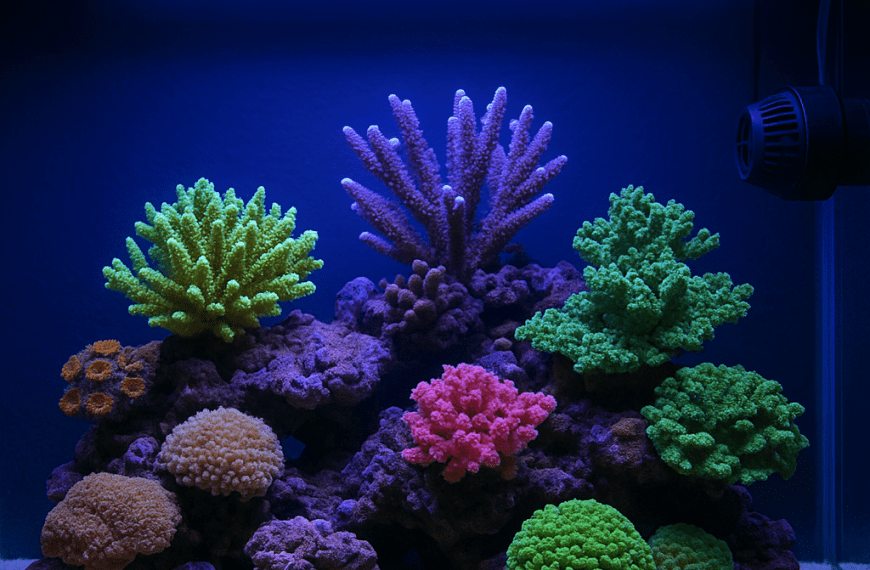
Aquascaping in a saltwater aquarium is about more than stacking rock. A thoughtful layout improves flow, stability, coral placement, and even fish behavior. With a bit of planning, you can create a reef that looks natural, is easy to maintain, and gives your livestock room to thrive.
Plan Your Aquascape Before You Add Water
Start by sketching ideas or dry-stacking rock in the empty tank. This is the best time to experiment with shapes, arches, and overhangs without worrying about livestock.
- Define your goals: Are you building an SPS-dominant reef, a soft coral lagoon, or a mixed reef? Your coral choices determine how much rock, height, and open space you need.
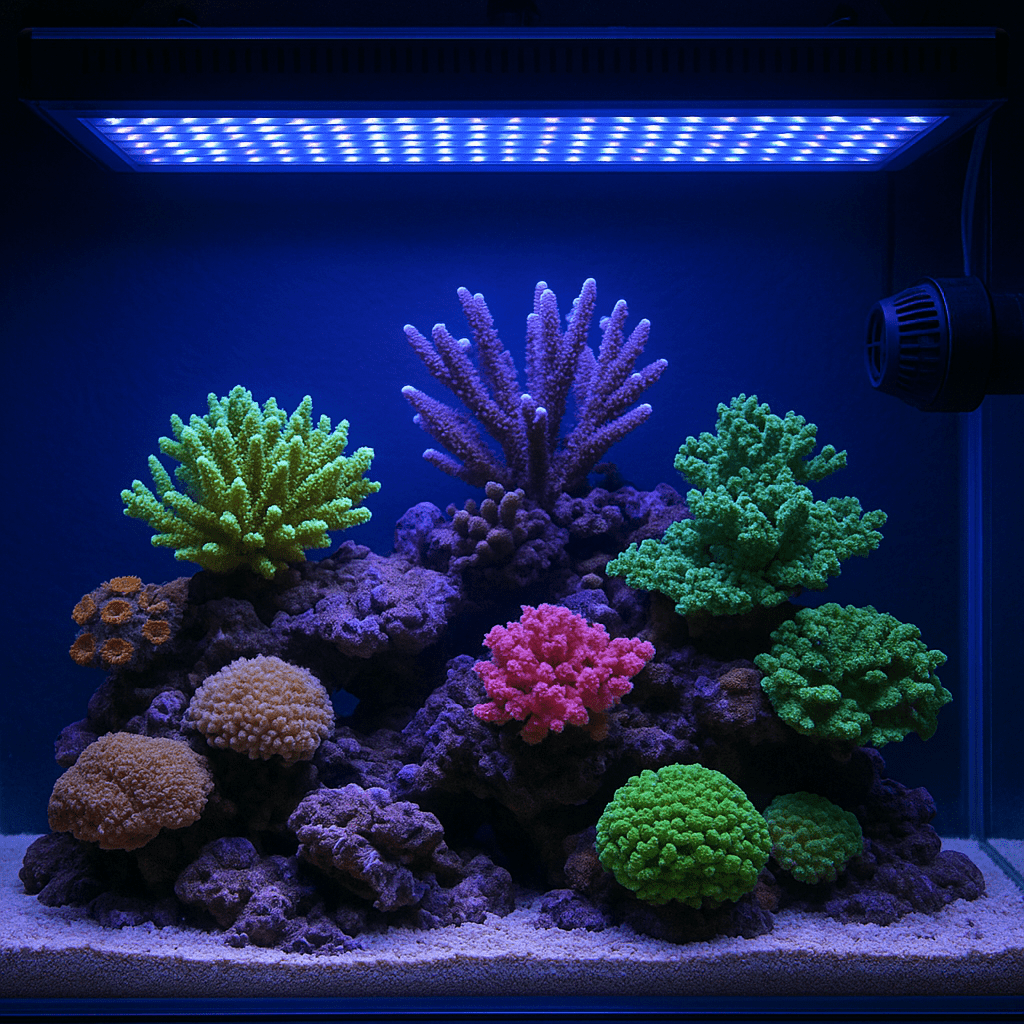
- Use the rule of thirds: Avoid centering your tallest structure. Place main rock features off-center for a more natural, visually balanced look.
- Leave room for maintenance: Ensure you can reach glass panels, sand, and behind structures for cleaning and siphoning detritus.
If you’re still choosing equipment, make sure your rock layout works with your filtration and flow plan so dead spots don’t collect waste.
Build Stable, Open Structures
Stability and flow are the foundations of a successful aquascape. A collapse can damage corals and crack glass, so take the time to secure everything properly.
- Start with a solid base: Place rock directly on the glass or on a protective plate, not on top of deep sand, to prevent shifting over time.
- Use epoxy or mortar: Reef-safe super glue gel, epoxy putty, or cement can lock key contact points and create strong arches or shelves.
- Create caves and channels: Fish appreciate hiding spots and swim-throughs. These features also help move water through the rock, reducing detritus buildup.
- Prioritize flow: Aim powerheads across and around your structures. Leave gaps between rock and glass so water can circulate behind the reef.
For larger systems, consider building separate islands. This “negative space” approach highlights coral growth and makes your display tank layout look cleaner and more modern.
Design for Coral Growth and Long-Term Success
Aquascapes often look sparse at first, but corals will grow, encrust, and fill in open areas. Plan with the future in mind so your reef doesn’t become overcrowded.
- Layer your rock: Place lower shelves for LPS and soft corals, and higher, higher-flow shelves for SPS. This creates natural zones based on light and flow needs.
- Leave vertical space: Keep several inches between the top of your rock and the waterline so corals can grow upward without shading everything below.
- Think about aggression: Give space between corals that have long sweeper tentacles or fast growth, and plan “buffers” with less aggressive species.
- Plan frag and access spots: Reserve a few open ledges where you can easily place new frags and remove colonies if needed.
Tip: Take photos of your aquascape from different angles before adding water. Small adjustments now can dramatically improve the final look once corals are in place.
As your reef matures, you can refine rockwork and coral placement, but a solid initial design makes everything easier. Combine stability, open swimming space, and thoughtful coral zones, and your aquascape will not only look beautiful—it will function beautifully too.
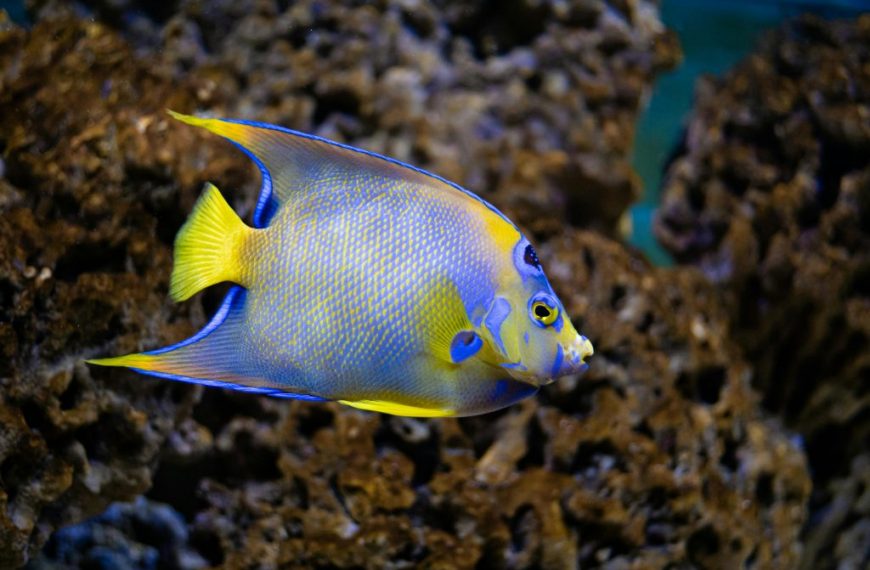
For more planning help, check out our guide to choosing fish that match your aquascape so your livestock and rockwork complement each other from day one.
Sources
- Tullock, J. H. Natural Reef Aquariums. Microcosm Ltd.
- Delbeek, J. C., & Sprung, J. The Reef Aquarium, Volumes 1–3. Ricordea Publishing.
- Borneman, E. Aquarium Corals. TFH Publications.
Was this helpful?
Related Posts
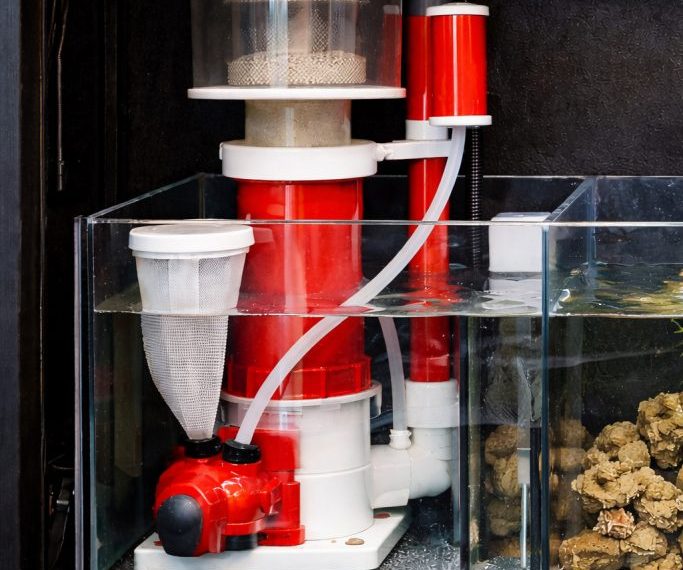
Protein Skimmer Reef Tank Guide
Learn how a protein skimmer works, how to size one, and how to tune it for a cleaner,…
 By
By
Reef Aquarium Water Parameters
Learn the ideal reef aquarium water parameters, safe ranges, and how to keep salinity, alkalinity, nutrients, and pH…