

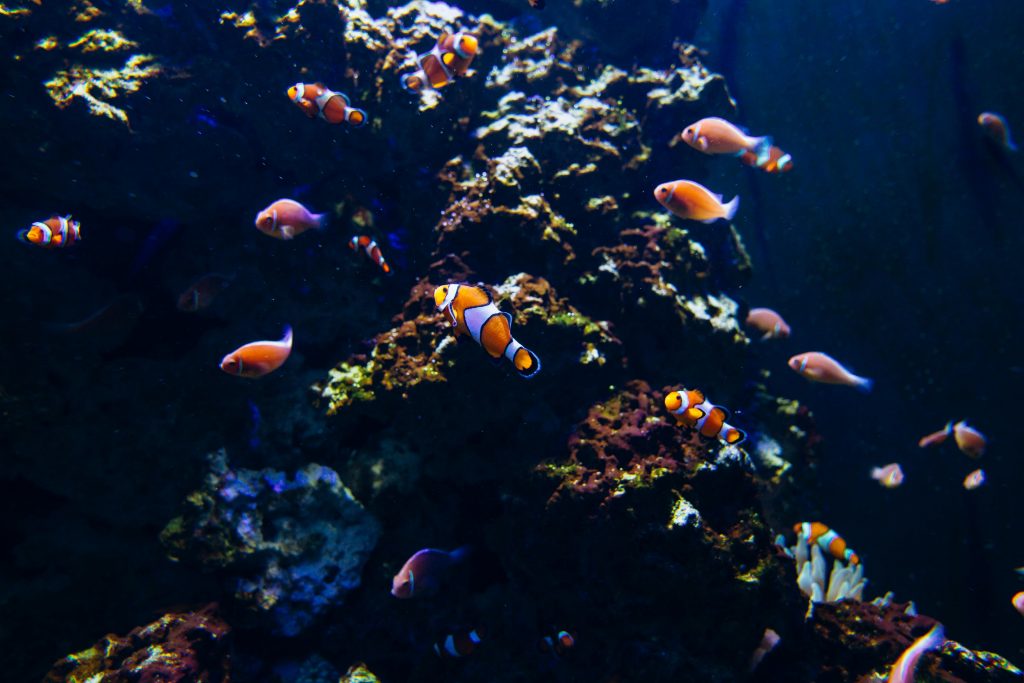
Reef tank stocking levels decide how stable your aquarium stays. Stock too lightly, and the tank can look empty. Stock too heavily, and nutrients rise fast. The best approach is balanced stocking that matches your filtration, aquascape, feeding routine, and long-term maintenance habits.
Many beginners ask how many fish a reef tank can hold. The honest answer is that there is no perfect universal number. A 40-gallon breeder with peaceful gobies behaves very differently from a 40-gallon tank filled with active wrasses and a tang that never belonged there. Stocking levels depend on fish size, swimming behavior, aggression, oxygen demand, nutrient export, and available territory. In this guide, you will learn how to judge reef tank bioload, how to stock fish safely over time, how coral and invertebrates affect the system, and how to avoid the common mistakes that lead to algae, disease, and losses.
Quick Reference Table
| Tank Size | Typical Stocking Style | Best Fish Types | Main Risk When Overstocked |
|---|---|---|---|
| 20–30 gallons | Light | Gobies, clownfish, small blennies | Fast nutrient spikes |
| 40–60 gallons | Light to moderate | Clownfish, firefish, royal gramma, small wrasses | Aggression and low oxygen |
| 75–90 gallons | Moderate | Dwarf angels, wrasses, cardinals, tang only if suitable species | Territory conflicts |
| 120+ gallons | Moderate to higher | Larger wrasses, tangs, anthias groups, foxface | Heavy feeding and nitrate buildup |
Use this table as a rough guide only. Fish shape, activity, and behavior matter more than simple fish counts.
What Reef Tank Stocking Levels Really Mean
Stocking level is your tank’s total living load. Most hobbyists think only about fish count. That is too simple. A single six-inch tang produces far more waste than several tiny gobies. A tank with heavy feeding for anthias also carries a larger nutrient burden than a tank with the same number of fish fed once daily.
Bioload comes from fish waste, leftover food, coral feeding, and bacterial activity. Oxygen demand also rises as stocking increases. At night, fish, corals, and bacteria all consume oxygen. This is why crowded tanks can look fine during the day but struggle after lights out.
A good stocking level allows stable nutrients, steady pH, strong gas exchange, and low aggression. It also leaves room for fish growth. Many reef fish sold at two inches will not stay that size. Plan for adult behavior, not store size. That one choice prevents many future problems.
How to Estimate Safe Stocking for a Reef Tank
Start with tank volume, but do not stop there. A 75-gallon tank with an open aquascape and large sump handles fish differently than a 75-gallon tank packed with rock and poor flow. Water volume helps dilute waste. Open swimming space reduces stress. Strong filtration removes waste faster.
Think in three layers. First, evaluate fish size and activity. Active swimmers need more room. Second, evaluate filtration and export. A skimmer, refugium, roller mat, and regular water changes increase capacity. Third, evaluate your husbandry. If you test often, clean equipment, and feed carefully, your tank can handle more than a neglected system.
Most successful reef tanks are lightly to moderately stocked. This gives you a margin for mistakes. It also makes disease outbreaks less severe. A lightly stocked reef often has better coral color and fewer algae problems because nutrients stay easier to control.
Step-by-Step Guide to Stocking a Reef Tank
Step 1: Choose your tank’s goal. Decide if you want a mixed reef, SPS reef, nano reef, or fish-focused reef. Coral-heavy systems usually do best with restrained fish loads.
Step 2: Build a fish list before buying anything. Include adult size, temperament, and feeding needs. This stops impulse buys.
Step 3: Add the most peaceful fish first. Firefish, gobies, and cardinals usually settle better this way. Add territorial fish later.
Step 4: Wait between additions. Give the biofilter time to adjust. Two to four weeks between fish is a smart pace for many tanks.
Step 5: Watch nitrate, phosphate, and pH trends. Rising nutrients after each fish show your tank’s real limit.
Step 6: Stop before the tank feels full. A reef that looks slightly understocked often performs best long term.
Aquarium Setup and Its Impact on Stocking Levels
Tank design changes stocking capacity more than many hobbyists expect. Long tanks usually support fish better than tall tanks of the same volume. Fish use horizontal swimming space more than vertical space. This matters for wrasses, tangs, and anthias.
Aquascaping also affects territory and stress. Dense rockwork creates hiding places, but too much rock can reduce water volume and trap detritus. Open arches and islands often work best. They provide shelter without turning the tank into a dead-flow maze.
Sumps increase total water volume and improve gas exchange. Strong surface agitation helps oxygen levels, which is critical in moderately stocked reefs. Oversized skimmers do not solve every issue, but they can add a safety buffer. Good mechanical filtration also helps when feeding heavily. The better your setup handles waste and oxygen demand, the easier it is to maintain healthy stocking levels.
Fish Types That Change Stocking Capacity
Not all fish affect a reef the same way. Gobies and small clownfish have modest bioloads. They are often ideal for nano and smaller reef systems. Blennies are also efficient choices, though some species can become territorial.
Wrasses vary widely. A small possum wrasse is very different from a large, active six-line relative or a stronger fairy wrasse. Anthias need frequent feeding, so their nutrient impact is larger than their body size suggests. Tangs are constant swimmers and heavy grazers. They need room, oxygen, and stable social dynamics. Dwarf angels are moderate in waste output, but they can become aggressive in tighter tanks.
When planning stocking, classify fish by behavior, not just inches. A peaceful bottom-dweller and an open-water speedster use the tank in very different ways. Balancing niches helps you stock more safely without crowding one zone.
Corals, Invertebrates, and the Hidden Bioload
Corals do not create fish-level waste, but they still affect system balance. Heavy coral feeding adds nutrients. Large LPS corals can also claim significant space and limit fish movement. In packed mixed reefs, coral growth can reduce swimming room over time.
Invertebrates matter too. Cleaner shrimp, snails, and small hermits have low impact. Large urchins, sea cucumbers, and some starfish contribute more to the system. Anemones also change stocking decisions because they can sting corals and alter fish territory.
The key point is simple. Stocking is not only about fish count. As your reef matures, coral colonies expand and available space shrinks. A tank that felt roomy in year one may feel crowded in year three. Reassess your stocking as the reef grows, not only when you buy new fish.
Signs Your Reef Tank Is Overstocked
Overstocking usually appears as a pattern, not one event. Nitrate rises despite normal maintenance. Phosphate creeps upward. Film algae returns faster. Fish begin breathing harder, especially at night or after feeding. Territorial chasing becomes more frequent. Corals may lose color or extend poorly in chronically nutrient-rich water.
Other warning signs include cloudy water, declining pH, and fish that stop using open areas. If every fish hides or guards a small zone, the tank may lack enough territory. Frequent disease can also point to crowding. Stress lowers immune response and makes parasites spread faster.
Do not wait for a crash. If your tank shows several of these signs together, reduce feeding waste, increase export, and reconsider your stock list. Acting early is much easier than recovering from a major decline.
Common Problems
Why are my nitrates rising after adding fish?
This usually means the tank’s nutrient import now exceeds export. Feed a little less. Clean mechanical filters more often. Increase skimming efficiency. Consider a refugium or more frequent water changes. Also check for trapped detritus in rockwork and sump chambers.
Why do fish fight more in a fully stocked reef?
Crowding increases territorial overlap. Similar-shaped fish often trigger the most aggression. Rearranging rockwork can help. Adding visual breaks also helps. In some cases, one dominant fish must be removed. Prevention is easier than correction.
Why do fish gasp near the surface at night?
This points to low oxygen or poor gas exchange. Overstocking is a common cause. Increase surface agitation. Run the skimmer wetter if needed. Make sure pumps stay clean. Check room ventilation too. Nighttime oxygen stress can become deadly fast.
Can strong filtration fix overstocking?
It helps, but it is not magic. Filtration can process waste. It cannot erase aggression, cramped swimming space, or chronic oxygen demand. A reef tank can test fine on paper and still be socially overcrowded.
Best Practices for Long-Term Stocking Success
Quarantine new fish before adding them. Disease spreads faster in stocked displays. Feed quality foods in measured amounts. Add variety without overfeeding. Maintain strong random flow and good surface movement. Test nitrate and phosphate regularly, not only when problems appear.
Keep a little reserve capacity. Reef tanks change over time. Fish grow. Corals grow. Equipment performance shifts. Your schedule changes too. A tank that depends on perfect maintenance every week is too close to the edge. Build in forgiveness.
It also helps to choose fish that fill different roles. A pair of clownfish, a goby, a blenny, and a peaceful wrasse often work better than several fish competing for the same water column. Thoughtful diversity usually beats high numbers.
Frequently Asked Questions
How many fish can I keep in a 40-gallon reef tank?
Usually a small, carefully chosen group. Think four to six small fish in many setups. Adult size and behavior matter more than the number itself.
Is it better to understock a reef tank?
In most cases, yes. Slight understocking gives you better stability, easier nutrient control, and less aggression. Corals often benefit from this margin.
Do corals need fish for nutrients?
Many reefs benefit from some fish waste and feeding input. That does not mean heavy stocking is better. Moderate nutrient input is usually enough.
Can I add several fish at once to a new reef tank?
It is risky. New tanks are less stable. Adding fish slowly helps the biofilter adjust and lets you monitor aggression and nutrient response.
What is the biggest stocking mistake beginners make?
Buying fish for current size instead of adult needs. The second biggest mistake is adding fish too quickly after the tank cycles.
Final Thoughts
Successful reef tank stocking levels come from restraint, planning, and observation. There is no perfect fish-per-gallon rule for a reef aquarium. Instead, match your fish list to tank size, aquascape, filtration, and maintenance style. Add fish slowly. Watch nutrient trends. Respect adult size and behavior. If you do that, your reef will stay healthier, calmer, and far easier to manage for years.
Related reading: reef tank parameter guide, best clean up crew for reef tank, reef tank cycling guide, reef tank water flow basics, quarantine fish for reef tank.
Was this helpful?
Related Posts
Best Filtration Systems
Best Filtration Systems for a Healthy Saltwater Aquarium Choosing the best filtration system for your saltwater aquarium is…
 By
By
Clown Triggerfish (Balistoides Conspicillum)
Clown triggerfish are stunning but aggressive marine fish that need very large tanks, strong filtration, and careful tankmate…
[favorite_button]
My Bookmarks:
To see full list click here
[user_favorites user_id="" include_links="true" site_id="" post_types="" include_thumbnails="true" thumbnail_size="thumbnail" include_excerpt="false"]