

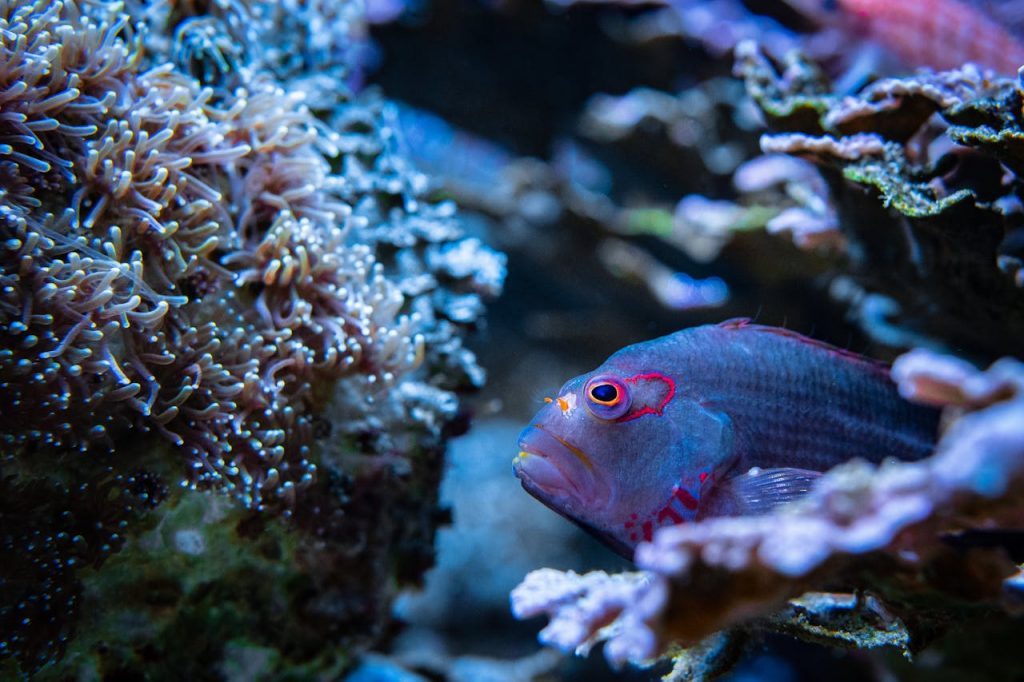
The Arc Eye Hawkfish is a hardy, watchful reef fish with big personality. It adapts well to established marine tanks and often becomes a favorite perch hunter. Success depends on secure rockwork, a covered aquarium, and careful attention to shrimp compatibility.
Many reef keepers want a fish that shows character without demanding difficult care. The Arc Eye Hawkfish, Paracirrhites arcatus, fits that role well. It is bold, alert, and easy to observe during the day. It spends much of its time perched on rock ledges, coral branches, and high points in the aquascape. In this guide, you will learn how to identify this species, choose the right tank size, set up a safe environment, feed it properly, and avoid the most common problems. You will also learn when this fish works in a reef tank and when it can become a risk to smaller tankmates.
Quick Reference Care Table
| Common name | Arc Eye Hawkfish |
| Scientific name | Paracirrhites arcatus |
| Care level | Easy to moderate |
| Temperament | Semi-aggressive |
| Adult size | About 5 inches |
| Minimum tank size | 55 gallons |
| Diet | Carnivore |
| Reef safe | With caution |
| Best temperature | 76–78°F |
| Salinity | 1.024–1.026 |
| pH | 8.1–8.4 |
| Special concern | May eat small shrimp |
This table gives a fast overview, but long-term success comes from matching the fish to the right aquarium. The Arc Eye Hawkfish is hardy, yet its behavior matters as much as water quality. It needs stable conditions, secure hiding spots, and enough space to claim a perch without constant conflict. It also benefits from a mature tank with natural microfauna and predictable feeding. If you understand its hunting style and territorial habits, this species is usually straightforward to keep. Most failures happen from poor tankmate choices, loose rockwork, or an uncovered aquarium.
Identification and Appearance
The Arc Eye Hawkfish gets its name from the curved marking behind the eye. This arc gives the fish a sharp, expressive look. Body color can vary by region and mood. Many specimens show red, brown, gray, or mottled tones. Some display a lighter patchwork pattern that helps them blend into reef structure. The fins are sturdy, and the body is built for perching rather than constant swimming.
Like other hawkfish, this species lacks a swim bladder. That trait explains its behavior. Instead of hovering in open water for long periods, it rests on rock, coral skeletons, or branching structures. Thickened pectoral fins help it brace itself in place. This gives the fish a very distinctive posture. It often watches the tank from elevated spots, then darts quickly to inspect food or defend territory. Adults usually reach around 5 inches, though many aquarium specimens stay slightly smaller.
Natural Habitat
Paracirrhites arcatus occurs across a broad Indo-Pacific range. It is found on coral reefs, outer reef slopes, and rocky areas with plenty of structure. In the wild, it often lives among branching corals, ledges, and crevices where it can observe prey and avoid predators. It prefers habitats with many lookout points. That behavior carries directly into aquarium life.
This fish feeds on small crustaceans and other meaty prey items in nature. It is an ambush hunter. It waits, watches, and strikes quickly. That means your aquarium should offer both visual security and hunting-style feeding opportunities. A bare tank with little structure causes stress. A reefscape with shelves, caves, and branching forms suits it much better. Understanding its natural habitat also explains why it can be risky with ornamental shrimp. In the wild, shrimp-like prey are part of its normal feeding pattern.
Aquarium Setup
A 55-gallon tank is a practical minimum for one Arc Eye Hawkfish. Larger tanks are better if you plan mixed fish communities. This species is not a nonstop swimmer, but it still needs room to establish territory and move between perches. Rockwork should be stable and secure. Never stack loose rock. Hawkfish jump from point to point and can dislodge weak structures.
Create a reefscape with multiple ledges, caves, and elevated resting spots. Branching rock shapes work well. Dead coral branches and reef-safe structures also help. Leave some open swimming space in the front and middle of the tank. Use a tight-fitting lid or mesh cover. This fish can jump, especially during acclimation or territorial disputes. Strong filtration is important, but stability matters most. Aim for low nitrate by reef standards, though this species is forgiving of minor fluctuations. For more system planning, see: reef tank setup guide, aquarium aquascaping tips, and marine fish compatibility chart.
Lighting Requirements
The Arc Eye Hawkfish does not have demanding lighting needs. It is not a photosynthetic animal, so light should be chosen for the reef system as a whole. In fish-only systems, moderate lighting is enough. In reef tanks, standard coral lighting works well as long as the fish has shaded areas and overhangs.
Very intense lighting can make new specimens feel exposed if the aquascape is too open. This is easy to fix. Add caves, archways, and upper ledges with partial shade. The fish will choose comfortable perches and adjust over time. If you run a high-PAR SPS system, watch behavior during the first week. A healthy hawkfish should remain visible, alert, and interested in food. Constant hiding under bright light often points to stress from the environment, not just lighting alone.
Water Flow
Moderate to strong water movement works well for this species. In natural reefs, it lives in areas with active flow and oxygen-rich water. Still, the fish should not be forced to fight a direct blast all day. Aim for varied flow across the aquascape. This gives the hawkfish calm resting spots and more energetic zones nearby.
Random flow is ideal in mixed reefs. It keeps detritus suspended and supports coral health without making the fish uncomfortable. Watch where the fish chooses to perch. If it avoids upper ledges and hugs the bottom constantly, one powerhead may be too direct. Adjust pump angle instead of reducing all circulation. Good flow also helps feeding response. Meaty foods drifting naturally through the water column often trigger strong hunting behavior in hawkfish.
Feeding
The Arc Eye Hawkfish is a carnivore. Feed a varied meaty diet once or twice daily. Good foods include mysis shrimp, finely chopped raw shrimp, enriched brine shrimp, krill pieces, clam, squid, and quality frozen carnivore blends. Many specimens also accept pellets after settling in. Choose marine-based foods with good protein content.
Do not rely on one food item. Variety improves condition, color, and immune strength. Smaller portions are better than large occasional feedings. This fish is an eager feeder and may outcompete shy tankmates. Target feeding can help if housed with peaceful fish. Soak foods in vitamins once or twice each week. That is especially useful for newly imported specimens. A healthy Arc Eye Hawkfish should show a full belly, strong interest in feeding, and active perch-to-perch movement. If appetite drops suddenly, check water quality, aggression, and possible internal parasite issues. Helpful reading includes: feeding saltwater fish and reef tank water parameters.
Compatibility
This species is often described as reef safe with caution. That description is accurate. It usually ignores corals. It does not nip polyps like many angelfish or butterflies. The main concern is predation on small mobile invertebrates. Tiny shrimp are at risk. Sexy shrimp, anemone shrimp, and very small cleaner shrimp may be hunted. Larger cleaner shrimp sometimes coexist, but there is never a guarantee.
With fish, the Arc Eye Hawkfish is semi-aggressive. It usually does well with tangs, wrasses, clownfish, dwarf angels, and many gobies of suitable size. Avoid very tiny fish if the hawkfish is large and established. It can also be territorial toward similar perchers or other hawkfish. Introduce it after very timid species when possible. In mixed reefs, it is often a good choice for hobbyists who want personality without coral damage. Just plan around shrimp losses and occasional territorial behavior.
Acclimation and Step-by-Step Introduction
A careful introduction improves long-term success. Start with quarantine if possible. Observe feeding, respiration, and body condition for at least two weeks. Watch for external parasites, fin damage, or bacterial issues. This species is hardy, but quarantine still protects your display tank.
- Prepare a covered tank with stable salinity and temperature.
- Dim the lights before acclimation.
- Float the bag to equalize temperature.
- Use slow drip acclimation for 30 to 45 minutes.
- Never add store water to the display tank.
- Release the fish near rockwork with several hiding options.
- Keep lighting reduced for the first few hours.
- Offer a small meaty meal later that day or the next morning.
During the first week, expect cautious behavior. The fish may perch quietly and observe the tank. That is normal. Signs of good adjustment include active scanning, regular feeding, and movement between several chosen perches. Persistent hiding, rapid breathing, or refusal to eat for many days should prompt a review of water quality and tankmate aggression.
Propagation and Breeding
Can Arc Eye Hawkfish breed in aquariums?
Home breeding is rare. Like many marine fish, this species has a pelagic larval stage that is difficult to raise. Pair formation is also not simple in typical hobby systems. Most Arc Eye Hawkfish sold in the trade are wild collected.
What hobbyists should know
There is no practical fragging or propagation method for this fish in the way coral hobbyists use those terms. If breeding efforts become more common in aquaculture, availability may improve and pressure on wild populations may decrease. For now, focus on proper care and responsible sourcing from reputable vendors that handle fish well before sale.
Common Problems
Why is my Arc Eye Hawkfish hiding?
New arrivals often hide for a few days. This is normal. If hiding continues, look for bullying, excessive brightness, poor aquascape, or unstable water chemistry. Add more perches and shaded ledges. Test ammonia, salinity, and temperature first. Then observe tankmate behavior closely.
Why is it not eating?
Stress is the most common cause. Offer small meaty foods with strong scent, such as mysis or chopped shrimp. Feed when aggressive tankmates are distracted. If appetite stays poor, consider internal parasites or shipping stress. Quarantine helps with diagnosis and treatment.
Why did it attack my shrimp?
This is natural behavior. The Arc Eye Hawkfish is a predator of small crustaceans. Even well-fed specimens may hunt ornamental shrimp. Size, timing, and individual temperament all matter. If shrimp are a priority, this may not be the right fish.
Why is it breathing fast?
Rapid breathing can signal low oxygen, ammonia exposure, parasite irritation, or acute stress. Check temperature and gas exchange first. Inspect for visible spots or flashing. If symptoms continue, move the fish to quarantine for closer observation.
Frequently Asked Questions
Is the Arc Eye Hawkfish reef safe?
Usually yes with corals, but not always with small shrimp and tiny invertebrates. It is best called reef safe with caution.
How big does an Arc Eye Hawkfish get?
Most adults reach about 5 inches. Size can vary slightly by specimen and long-term care.
What is the minimum tank size for Paracirrhites arcatus?
A 55-gallon tank is a solid minimum. Larger tanks provide better territory options and tankmate flexibility.
Will an Arc Eye Hawkfish eat cleaner shrimp?
It may. Larger established cleaner shrimp sometimes survive, but smaller shrimp are always at risk.
Does this fish need a lid?
Yes. A secure lid or mesh top is strongly recommended. Hawkfish can jump, especially when startled.
Final Thoughts
The Arc Eye Hawkfish is one of the most engaging predatory perch fish for marine aquariums. It is hardy, attractive, and full of character. It suits many beginner and intermediate reef keepers if the tank is stable and covered. Its biggest drawback is shrimp predation, not coral damage. If you can work around that issue, Paracirrhites arcatus is often an excellent addition to a reef or fish-only system. Choose tankmates carefully, feed a varied meaty diet, and provide secure elevated perches. Do that, and this hawkfish will likely become one of the most entertaining fish in your aquarium.
Was this helpful?
Related Posts
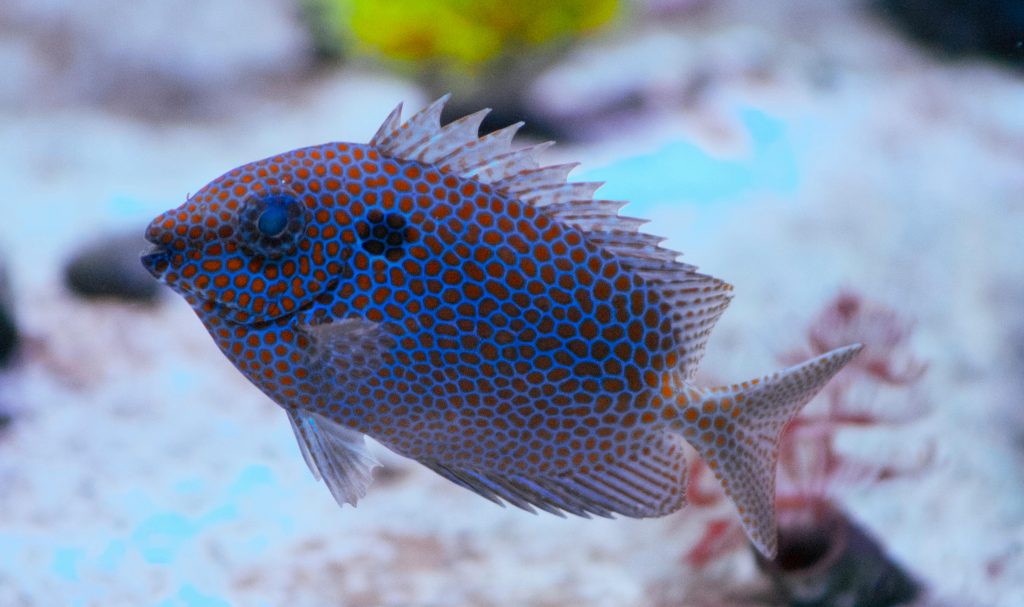
Gold Spotted Rabbitfish (Siganus Punctatus)
Gold Spotted Rabbitfish care includes large tanks, heavy algae feeding, and caution with corals. Learn tank size, diet,…
 By
By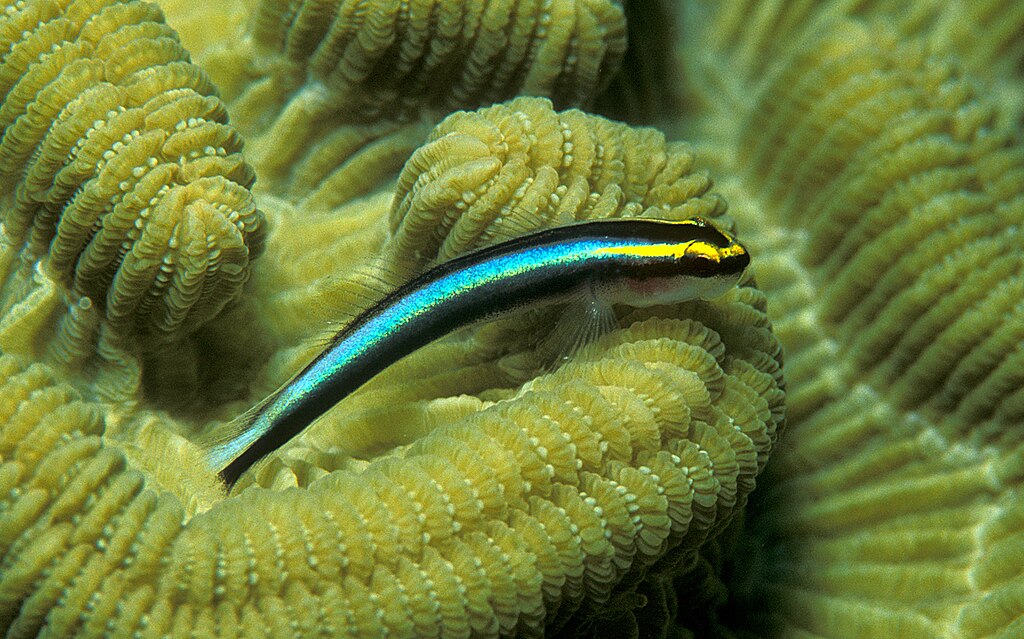
Sharknose Goby (Elacatinus evelynae)
Sharknose Goby care is simple in stable reef tanks. Learn feeding, tank setup, compatibility, and common problems for…
[favorite_button]
My Bookmarks:
To see full list click here
[user_favorites user_id="" include_links="true" site_id="" post_types="" include_thumbnails="true" thumbnail_size="thumbnail" include_excerpt="false"]