

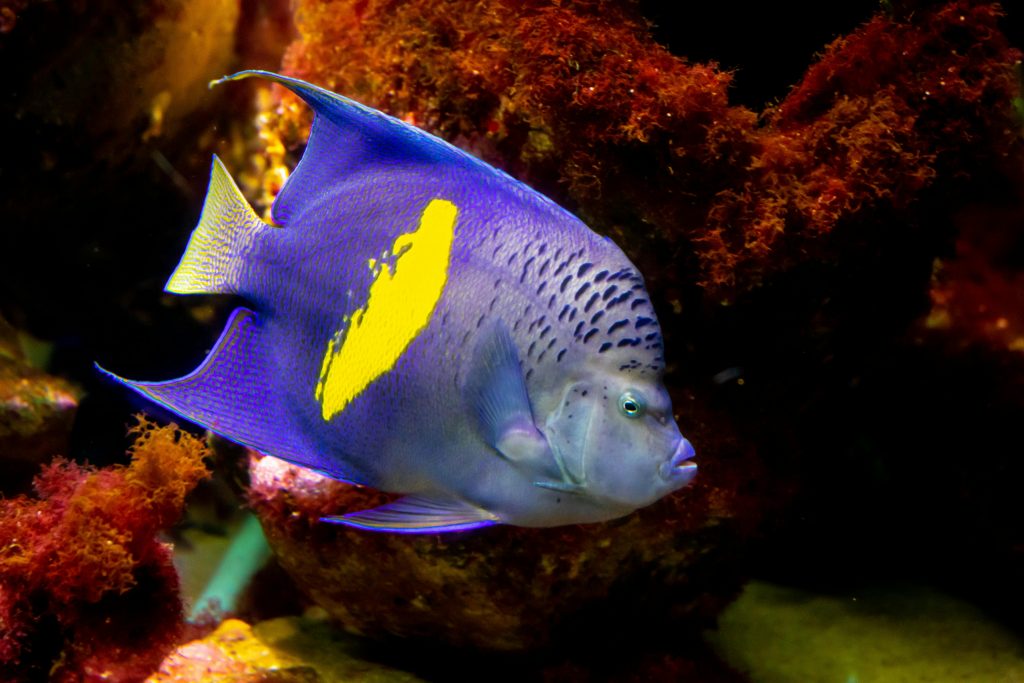
The Asfur Angelfish is a striking Red Sea angelfish best suited to large, mature marine aquariums. It grows big, eats heavily, and can become territorial, so success depends on tank size, stable water quality, and careful stocking choices.
Many hobbyists fall for this species because of its bold yellow saddle and deep blue body. It looks regal in a large display. It also demands more planning than smaller angelfish. In this guide, you will learn how to care for Pomacanthus asfur, what it eats, how large it gets, which tankmates work best, and why reef compatibility is never guaranteed. I will also cover common health issues, acclimation tips, and practical steps that help beginners avoid expensive mistakes.
Asfur Angelfish Quick Care Table
| Common name | Asfur Angelfish |
| Scientific name | Pomacanthus asfur |
| Care level | Moderate to advanced |
| Temperament | Semi-aggressive to aggressive |
| Adult size | Up to 16 inches |
| Minimum tank size | 180 gallons, larger preferred |
| Diet | Omnivore with sponge-based foods |
| Reef safe | With caution |
| Temperature | 75–79°F |
| Salinity | 1.024–1.026 |
| pH | 8.1–8.4 |
| Nitrate | Preferably under 20 ppm |
This species is not a nano fish. It needs open swimming room and strong filtration. Juveniles adapt more easily than large adults. A healthy specimen should be alert, thick-bodied, and eager to eat.
Natural Habitat
The Asfur Angelfish comes from the Red Sea and western Indian Ocean. In nature, it lives around coral-rich reef slopes and outer reef areas. These fish often patrol large territories. They pick at sponges, tunicates, algae, and other attached foods throughout the day.
Adults usually occur in deeper reef zones than many beginner fish. They use caves and crevices for shelter. Juveniles stay closer to protective rockwork. This matters in captivity. A bare tank with little structure will stress them. A mature aquascape with arches, shaded retreats, and broad swim lanes works far better.
Knowing the natural habitat helps explain their behavior. They are active grazers. They are also bold fish that appreciate secure hiding places. When they feel exposed, they may stop eating or lash out at tankmates.
Identification and Adult Size
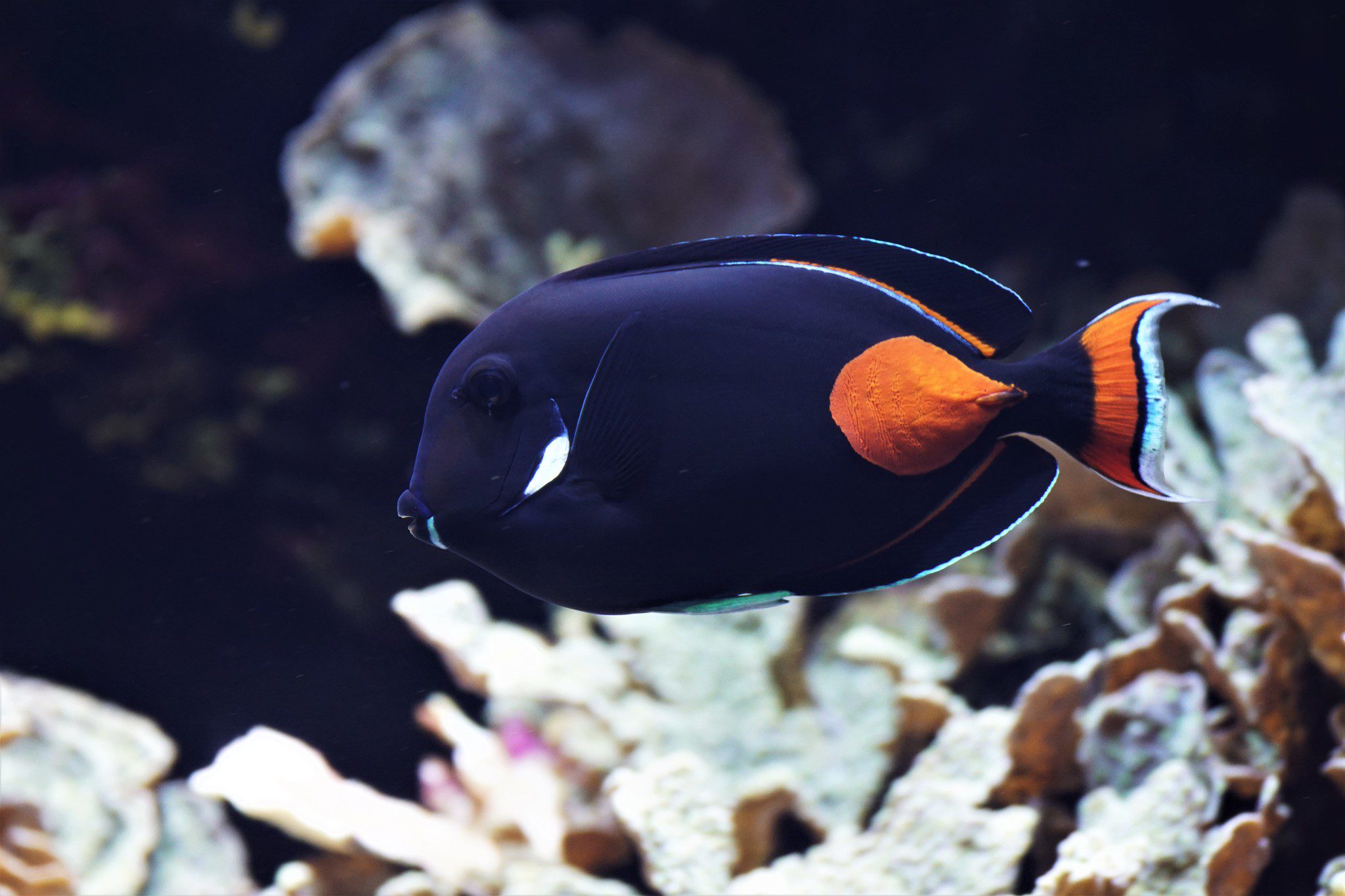
This fish is famous for its dramatic color pattern. Adults show a dark blue to almost black body with a large yellow patch across the middle. The tail is also yellow. The face often has blue highlights that shimmer under reef lighting.
Juveniles look very different. Young fish have dark bodies with curved blue and white lines. This juvenile pattern fades with age. Color transition can take time. Some hobbyists buy a juvenile and enjoy watching the full transformation.
Do not underestimate final size. Asfur Angelfish can reach around 16 inches in captivity under excellent care. Many specimens stay somewhat smaller, but they still become very large fish. This size affects tank choice, filtration needs, and long-term compatibility.
Aquarium Setup
A 180-gallon tank is the practical minimum for a juvenile that will grow out. A 220-gallon or larger system is better for adults. Bigger tanks reduce aggression. They also support better water stability.
Build the aquascape with sturdy live rock or reef-safe dry rock. Create caves, overhangs, and visual breaks. Leave large open areas for cruising. Avoid unstable rock stacks. Large angelfish are powerful swimmers. They can dislodge loose structures.
Strong filtration is essential. Use an oversized protein skimmer. Add mechanical filtration and regular export methods. These fish eat a lot and produce heavy waste. Stable salinity and oxygen levels matter. Good surface movement helps. So does a mature biological filter.
Quarantine is strongly recommended. Large angelfish are prone to parasites and shipping stress. A separate observation tank lets you confirm feeding response before introduction. For more planning help, see aquarium cycling guide, marine fish quarantine guide, and reef tank aquascaping tips.
Lighting Requirements
The Asfur Angelfish does not need intense reef lighting for its own health. It adapts to a wide range of standard marine lighting. What matters more is consistency and access to shaded areas.
If the fish lives in a mixed reef or coral system, your lighting will be set by coral needs. That is fine. Just provide caves and overhangs so the angelfish can retreat from bright light when desired. Newly imported specimens often feel safer in dimmer conditions at first.
A slow acclimation to bright LEDs can reduce stress. Sudden exposure may keep the fish hidden. Use your light ramp settings if available. Stable day and night cycles also support normal feeding behavior.
Water Flow
Moderate to strong water movement works well. In nature, this species lives in oxygen-rich reef environments. Good flow helps gas exchange and keeps detritus from collecting in the rockwork.
Avoid blasting the fish with a narrow jet. Instead, aim for broad, varied flow. The angelfish should be able to swim comfortably through open water and also rest in calmer pockets. Random flow patterns often work best in large displays.
Strong circulation also supports waste management. Since this fish is a messy eater, dead spots can become nutrient traps. If nitrate or phosphate rises too fast, review feeding amounts, mechanical filtration, and flow placement.
Feeding
Feeding is where many angelfish successes begin. Asfur Angelfish are omnivores with a strong need for varied foods. In the wild, they consume sponges and attached invertebrate matter. In captivity, they do best on a mixed diet with marine algae, sponge-based angelfish formulas, mysis shrimp, clam, and quality pellets.
Feed juveniles two to three times daily. Feed adults at least twice daily when possible. Smaller, frequent meals are better than one heavy feeding. This supports weight, color, and immune function. Add nori sheets several times each week. Rotate foods to prevent nutritional gaps.
New imports can be picky. Start with frozen angel formulas and clam on the half shell. Once feeding starts, slowly introduce pellets and other prepared foods. Soak foods in vitamins if the fish looks thin or stressed. For more nutrition basics, see reef fish feeding schedule and best foods for marine angelfish.
Compatibility
This species is semi-aggressive and becomes bolder with age. It often does best with other robust fish. Good tankmates include larger tangs, rabbitfish, wrasses, triggerfish with suitable temperaments, and other confident community species for big tanks.
Be cautious with smaller shy fish. They may be intimidated during feeding. Avoid mixing with similar large angelfish unless the aquarium is very large and carefully planned. Territorial disputes can be severe. Introduce the Asfur after more peaceful fish when possible.
Reef compatibility is mixed. Some individuals ignore many corals. Others nip fleshy LPS, zoanthids, clam mantles, and soft corals. There is always risk. SPS systems sometimes fare better, but no outcome is guaranteed. If coral safety is your top priority, this may not be the best angelfish choice.
Step-by-Step Acclimation Guide
1. Prepare quarantine first. Match salinity and temperature before the fish arrives. Have hiding places ready.
2. Dim the lights. Bright light increases stress after shipping. Keep the room calm and quiet.
3. Float and temperature match. Give the bag 15 to 20 minutes if needed.
4. Drip acclimate carefully. Use a short acclimation if ammonia risk is high. Do not drag it out too long.
5. Transfer without bag water. Use a specimen container or soft net with care.
6. Offer food later that day. Try frozen angel formula or clam first. Remove leftovers quickly.
7. Observe daily. Watch for heavy breathing, flashing, white spots, or refusal to eat.
8. Move to the display only after stability. A fish that eats well in quarantine usually adapts better.
Propagation or Breeding
Home breeding of Asfur Angelfish is extremely rare. This is not a practical propagation species for most hobbyists. In the wild, large angelfish spawn in open water. Their larvae are delicate and require specialized rearing systems.
Can hobbyists breed this species?
Very few hobbyists have the space or larval setup needed. Public aquariums and advanced marine breeders are better positioned for this work. For the average aquarist, focus on long-term care rather than breeding attempts.
Can you frag or divide an Asfur Angelfish?
No. Fish are not fragged or divided like corals. Any article suggesting otherwise is incorrect. Propagation by fragging applies to coral species, not marine angelfish.
Common Problems
Large angelfish are hardy once settled, but they often arrive stressed. Most problems trace back to shipping damage, poor diet, crowding, or unstable water conditions.
Why is my Asfur Angelfish not eating?
Stress is the most common cause. New fish may hide for several days. Poor acclimation, bullying, or bright lighting can also suppress appetite. Offer sponge-based frozen foods, clam, and nori. Check ammonia, salinity, and temperature. If breathing is fast, investigate parasites.
Why is it picking at corals?
This behavior is normal for some individuals. Hunger can make it worse. Increase feeding variety and frequency. Even then, some fish will continue nipping. Removal may be the only reliable solution in reef tanks.
Why is my fish acting aggressively?
Territorial behavior often appears after the fish settles in. Small tanks intensify this issue. Rearranging rockwork can help during introductions. An acclimation box may also reduce conflict. In some cases, the tank is simply too small for the stocking plan.
What causes faded color or weight loss?
Poor nutrition is a common cause. Internal parasites are another possibility. Review diet first. Use vitamin-enriched foods and sponge formulas. If the fish keeps losing weight despite eating, seek a treatment plan in quarantine.
Frequently Asked Questions
Is the Asfur Angelfish reef safe?
It is reef safe with caution at best. Many specimens nip corals or clam mantles. Success varies by individual.
How big does an Asfur Angelfish get?
It can reach about 16 inches. Most adults still need a very large aquarium.
What is the minimum tank size for Pomacanthus asfur?
A 180-gallon tank is the minimum. Larger systems are strongly preferred for adults.
Can I keep two large angelfish together?
Only in very large tanks with careful planning. Aggression can be intense between similar species.
Is a juvenile or adult better to buy?
Juveniles usually adapt better to captive life. They also give you time to plan for growth.
Final Thoughts
The Asfur Angelfish is one of the most impressive marine fish in the hobby. It is not the easiest choice, but it can thrive for years in a large, stable aquarium. Prioritize tank size, quarantine, diet variety, and smart stocking. If you can accept some reef risk and meet its space needs, Pomacanthus asfur can become the centerpiece of a truly memorable display.
Was this helpful?
Related Posts
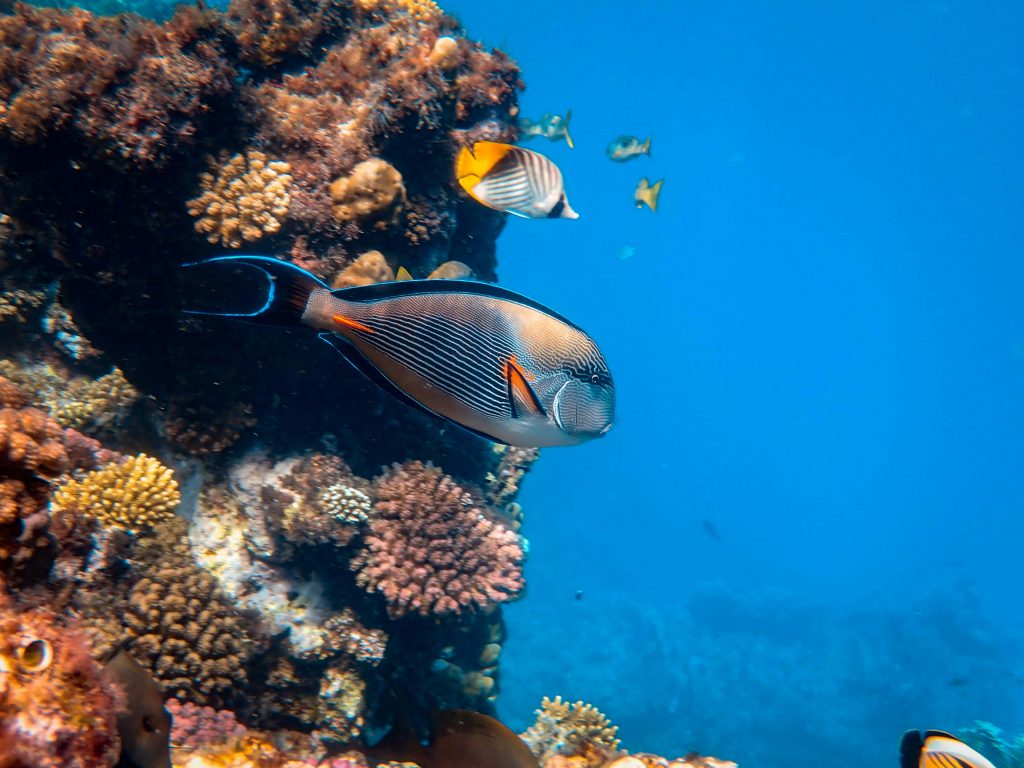
Sohal Tang (Acanthurus Sohal)
Sohal Tang care centers on space, heavy feeding, and aggression control. Learn tank size, diet, compatibility, and common…
 By
By
Reef Safe Fish Guide
Learn which reef safe fish work best in coral tanks, plus species to avoid, compatibility tips, and beginner-friendly…
[favorite_button]
My Bookmarks:
To see full list click here
[user_favorites user_id="" include_links="true" site_id="" post_types="" include_thumbnails="true" thumbnail_size="thumbnail" include_excerpt="false"]