

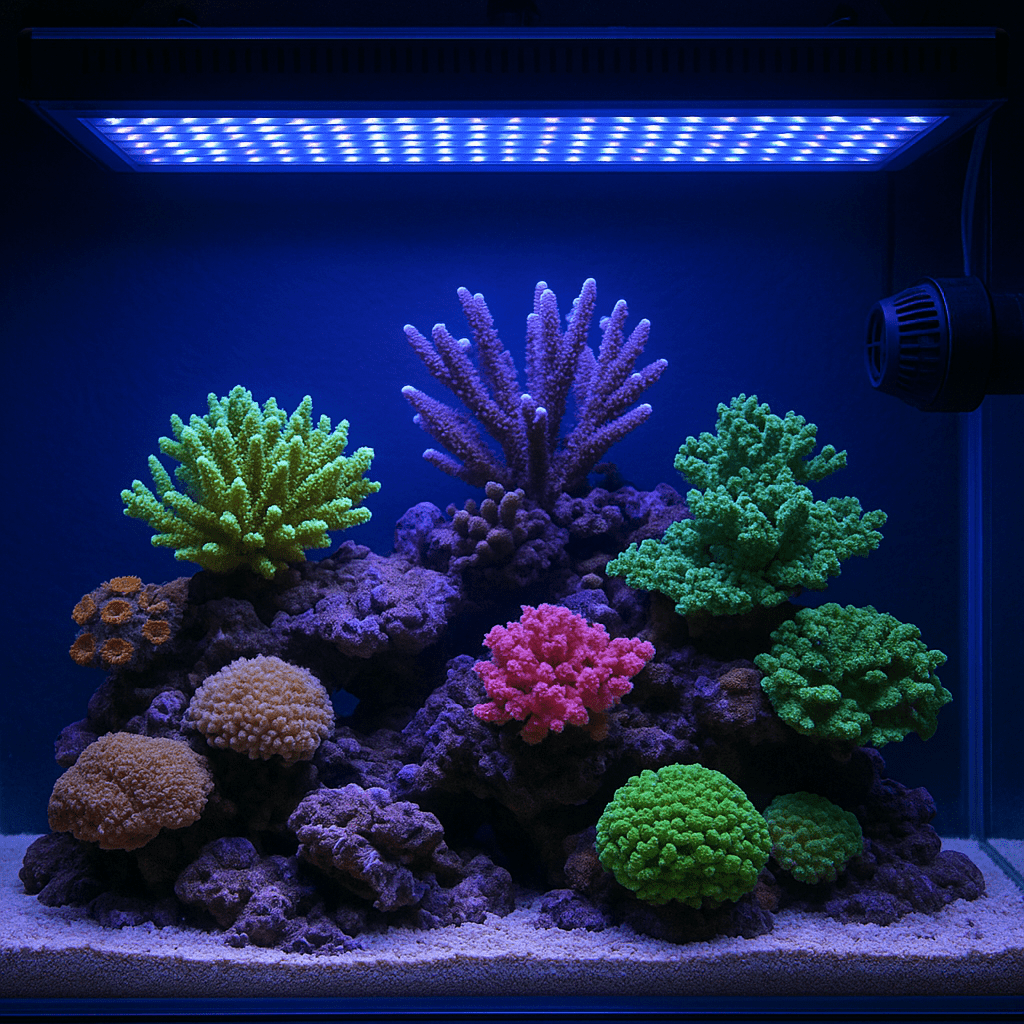
An auto top-off setup keeps salinity stable by replacing evaporated water with fresh RO/DI water. It saves daily effort and helps corals, fish, and invertebrates avoid stress from sudden salinity swings. A good ATO is one of the simplest upgrades for a more stable reef tank.
Many reef keepers start by topping off water by hand. That works at first. It also gets old fast. Evaporation happens every day. Even small tanks can lose a surprising amount of water. When water level drops, salinity rises. That change can stress coral tissue, reduce polyp extension, and create avoidable instability. In this guide, you will learn how an auto top-off works, how to choose the right parts, how to install one safely, and how to troubleshoot common ATO problems before they become disasters.
Quick Reference Table
| Category | Recommendation |
|---|---|
| Water type | Use only RO/DI fresh water |
| Best sensor location | Sump return section |
| Reservoir size | 2 to 7 days of evaporation |
| Pump type | Small ATO pump or peristaltic pump |
| Primary goal | Maintain stable salinity |
| Safety features | Dual sensors, timer limits, anti-siphon routing |
| Maintenance | Clean sensors monthly |
| Main risk | Overfilling from failed sensor or siphon |
What an Auto Top-off Setup Does
An auto top-off, or ATO, replaces water lost to evaporation. It does not replace saltwater. Only pure fresh water evaporates from the tank. The salt stays behind. That is why salinity climbs when water level drops. An ATO senses that drop and adds fresh water back automatically.
Most systems use a sensor, a controller, a pump, and a freshwater reservoir. Some also use a float valve as backup. The sensor detects low water in the sump or display. The controller turns on the pump. The pump moves RO/DI water into the system until the water level returns to normal.
This sounds simple, and it is. The value comes from stability. Stable salinity supports coral health, fish osmoregulation, and consistent skimmer performance. It also helps keep your return section from running dry. If you run a reef tank with a sump, an ATO is close to essential equipment.
Why Stable Salinity Matters in a Reef Tank
Reef tanks do best with very stable salinity. Most hobbyists target 1.025 to 1.026 specific gravity. Corals can tolerate small changes. They do not like repeated swings. Daily evaporation can cause those swings faster than many beginners expect.
In a small nano reef, one missed top-off can create a noticeable change. In a larger system, the swing may be slower. It still happens. LPS corals may stay closed. Soft corals may look deflated. SPS corals can lose color or show reduced extension. Fish may seem fine at first, but long-term instability adds stress.
An ATO also protects equipment. Return pumps can run low if the sump level drops too far. Protein skimmers can become inconsistent. Heaters may become exposed in some chambers. Stable water level means more stable filtration. That helps the entire aquarium, not just salinity.
Parts You Need for an Auto Top-off Setup
A basic auto top-off setup needs four main parts. First is the sensor. This may be optical, float-based, or pressure-based. Optical sensors are common and compact. Mechanical floats are simple and affordable. Many hobbyists prefer systems with two sensors for extra safety.
Second is the controller. The controller reads the sensor and powers the pump. Better controllers include alarms, timer shutoffs, and backup logic. Third is the pump. Many ATO kits include a small DC pump. Some advanced systems use a peristaltic pump for more controlled dosing.
Fourth is the freshwater reservoir. This holds your RO/DI water. It can be a simple container, a purpose-built reservoir, or a section of your cabinet. Size matters. Too small means constant refilling. Too large increases flood risk if something fails. For most tanks, a reservoir that holds two to seven days of evaporation is a smart balance.
Choosing the Best Location for the Sensor and Reservoir
The best sensor location is usually the sump return chamber. This is the section where evaporation shows up first. Water level in the display stays mostly constant if you use an overflow. The return section drops as water evaporates. That makes it the ideal place for the ATO sensor.
Avoid placing the sensor where water splashes heavily. Waves and bubbles can trigger false readings. Keep it away from drain outlets if possible. Mount it on a stable surface. Check that snails, algae, or loose wires cannot interfere with movement if you use a float sensor.
Place the reservoir lower than the tank when possible. This reduces siphon risk. Route the output tubing so the end stays above the maximum water line. Never submerge the tube end in the sump. That can create a back-siphon. A simple tubing clip and a visible air gap can prevent major accidents.
Step-by-Step Auto Top-off Setup Guide
Start by choosing a clean reservoir and filling it with RO/DI water. Do not use saltwater. Do not use tap water. Place the reservoir in or beside the aquarium cabinet where it is easy to access for refills.
Next, mount the ATO sensor in the return chamber at your desired water level. Follow the manufacturer’s line marks if provided. Make sure the sensor is level and secure. If the kit includes a backup sensor, mount it slightly above the main sensor.
Install the pump in the reservoir. Run the tubing from the pump to the sump. Secure the tubing end above the water surface. This is critical. You want water to drip or flow into the sump without the tube being submerged.
Connect the controller and power supply. Organize cables neatly. Create drip loops on every cord. Test the system before leaving it unattended. Lower the sump water level slightly. Confirm the pump turns on. Watch it refill to the set point. Then confirm it stops correctly. Finally, unplug and replug the unit to verify normal restart behavior.
Aquarium Setup Tips for Safe ATO Operation
An ATO works best in a stable sump layout. Keep the return chamber large enough to avoid constant cycling. If the chamber is tiny, the water level may drop fast and trigger frequent top-off events. That increases wear on the pump and sensor.
Use a lid or mesh top if evaporation is extreme. This can reduce daily water loss. It also means your reservoir lasts longer. If your stand gets humid, ventilate it well. High humidity can affect electronics over time.
Think about failure points before they happen. Add a leak detector if your floor is vulnerable. Use a reservoir that cannot dump unlimited water into the system. Many reef keepers avoid direct plumbing from an RO/DI unit to the sump. That setup can work, but it carries more risk. A separate reservoir is safer for most home aquariums.
If you are still building your system, read our guides on reef tank sump design, reef tank salinity, and RO/DI water for reef tanks.
Common Problems
ATO keeps overfilling the sump
The most common causes are a stuck sensor, a misaligned float, or a siphon. First, inspect the sensor for salt creep, snail blockage, or film buildup. Clean it gently with fresh water and a soft cloth. Next, check the tubing end. If it sits underwater, siphoning may continue after the pump stops. Raise the tubing above the water line and retest.
ATO is not adding water
Check the easy items first. Make sure the reservoir has water. Confirm the pump is plugged in. Inspect the tubing for kinks or clogs. Then test the sensor. Some optical sensors fail when covered in algae or mineral film. A quick cleaning often fixes the issue. If the pump hums but does not move water, the impeller may be jammed.
Salinity still swings with an ATO
This usually points to calibration or placement issues. Verify salinity with a calibrated refractometer. Then check whether the ATO sensor sits in the correct chamber. If the sensor is in a section with a fixed water level, it cannot respond properly to evaporation. Also look for very small but frequent top-off delays in undersized return sections.
Sensor alarms or false triggers
Bubbles and turbulence are common causes. Move the sensor away from drain pipes and skimmer outlets. Secure loose cords so they do not bump the sensor. If your sump level sloshes during feed mode or power changes, consider adding a small baffle guard or changing sensor height slightly.
Maintenance and Best Practices
Clean your ATO sensor at least once each month. In systems with heavy salt creep, clean it more often. Wipe optical lenses gently. Rinse float parts in fresh water. Inspect the pump for calcium buildup and debris. Small pumps can weaken over time if neglected.
Refill the reservoir before it runs dry. Running the pump dry can shorten its life. Label the reservoir clearly so no one adds saltwater by mistake. If you dose kalkwasser, do not assume every ATO is ideal for it. Kalk can clog pumps and foul sensors. Many reef keepers use a separate kalk setup for better control.
Test your system after any cleaning or adjustment. Simulate a low water condition and watch the refill cycle. Then verify shutoff. This takes a few minutes and can prevent a major mess. For long-term reliability, simple routines matter more than expensive equipment.
For more helpful reads, see our articles on reef tank evaporation, how to lower nitrates in a reef tank, and beginner reef tank mistakes.
Frequently Asked Questions
Can I use tap water in my auto top-off reservoir?
No. Use only RO/DI water. Tap water can add phosphate, nitrate, silicate, copper, and other unwanted contaminants.
How big should my ATO reservoir be?
A good starting point is enough water for two to seven days. That gives convenience without storing too much water above your risk tolerance.
Can an auto top-off lower salinity?
Yes, if it overfills. That is why backup sensors, timer shutoffs, and anti-siphon routing are so important.
Do I need an ATO on a nano reef tank?
Yes, especially on a nano reef. Smaller tanks swing faster because each cup of evaporation changes salinity more.
Is an ATO the same as an automatic water change system?
No. An ATO replaces evaporated fresh water. An automatic water change system removes old saltwater and adds new saltwater.
Final Thoughts
An auto top-off setup is one of the best upgrades for reef stability. It protects salinity, supports equipment, and saves time every day. The key is safe installation. Use RO/DI water, place the sensor in the return chamber, prevent siphons, and clean the system regularly. Do those things well, and your reef will be easier to manage and more stable for the animals that depend on it.
Was this helpful?
Related Posts
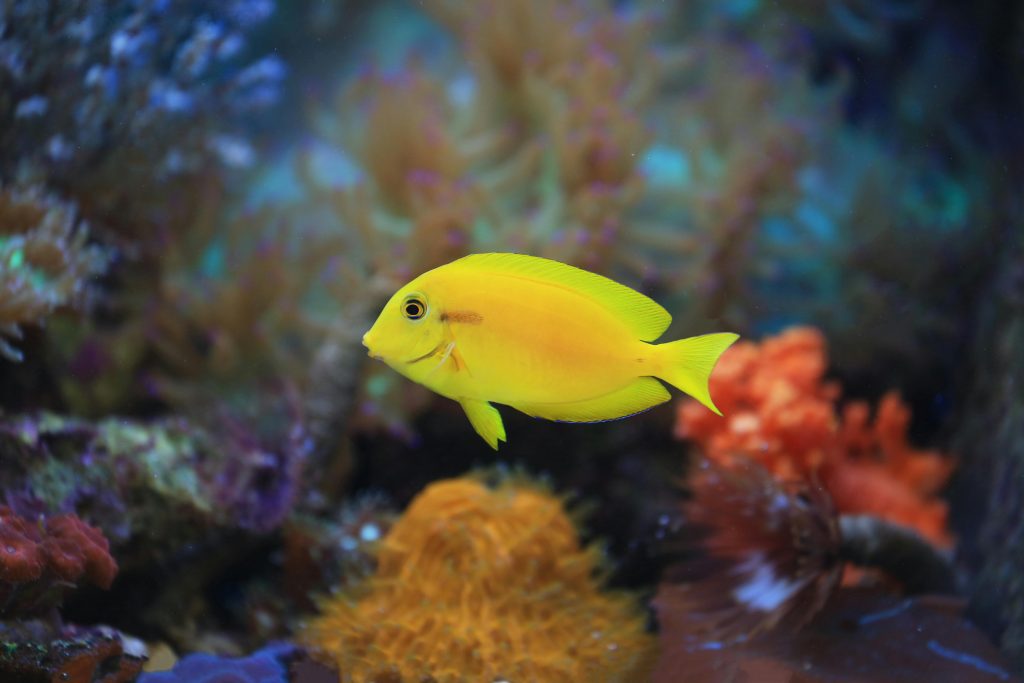
Juvenile Orange Shoulder (acanthurus Olivaceus)
Juvenile orange shoulder tangs are bright, hardy, and reef safe, but they grow large and need a spacious…
 By
ByBest Filtration Systems
Best Filtration Systems for a Healthy Saltwater Aquarium Choosing the best filtration system for your saltwater aquarium is…
[favorite_button]
My Bookmarks:
To see full list click here
[user_favorites user_id="" include_links="true" site_id="" post_types="" include_thumbnails="true" thumbnail_size="thumbnail" include_excerpt="false"]