

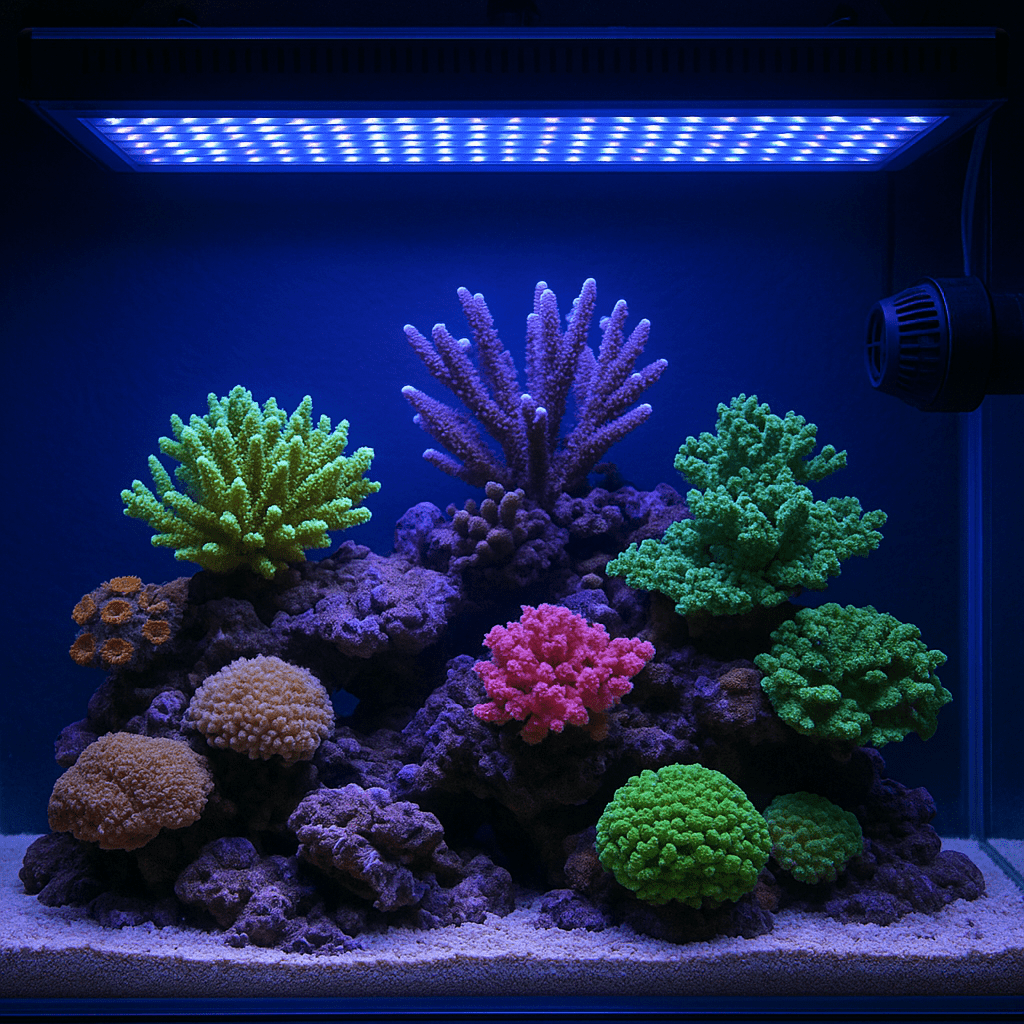
Back siphon prevention protects your sump from overflowing during a power outage. The goal is simple. Stop display tank water from draining too far into the return plumbing. A few smart design choices can prevent floods, salt creep, and damaged equipment.
Many reef keepers learn about back siphon the hard way. The return pump shuts off. Water reverses through the return lines. The sump rises fast. If it cannot hold that extra volume, water ends up on the floor. In this guide, you will learn what causes back siphon, how to prevent it, and how to test your system safely. We will also cover return nozzle placement, check valves, sump capacity, and common mistakes. These steps help beginners avoid disasters and help experienced hobbyists build more reliable reef systems.
Quick Reference Table
| Topic | Best Practice | Why It Matters |
|---|---|---|
| Return nozzle depth | Keep outlet close to the surface | Limits how much water can drain back |
| Siphon break hole | Drill just below the waterline | Pulls air in and stops reverse flow |
| Check valve | Use only as backup protection | Can fail from debris or calcium buildup |
| Sump operating level | Leave empty reserve volume | Prevents overflow during pump shutdown |
| Maintenance | Test monthly | Catches failures before they cause floods |
This table covers the basics. The details matter too. A system can look safe during normal operation and still overflow when the pump stops. That is why every reef tank needs both prevention and testing.
What Is Back Siphon?
Back siphon happens when return water flows backward after the pump turns off. Gravity pulls water from the display tank into the return plumbing. That water keeps draining until air enters the line. If the return outlet sits deep in the tank, more water drains. If the sump has little free space, it can overflow quickly.
This is common on reef tanks with sumps. It affects tanks with hard plumbed returns, flexible tubing, and dual return nozzles. It also affects systems with sea swirls, loc-line outlets, and manifolds. The risk increases when hobbyists aim return nozzles too low for better circulation. The lower the outlet, the more water can siphon back.
Back siphon is not the same as normal drain down from an overflow box. Overflow drain down is expected. It happens until the overflow level stabilizes. Back siphon adds extra water from the return lines and display. That extra volume is what often causes a flood.
Why Back Siphon Prevention Matters
Saltwater on the floor is more than a mess. It can damage cabinets, drywall, flooring, and electrical equipment. It also creates corrosion over time. Even a small overflow can wick into wood and cause swelling. Repeated events can ruin stands and shorten equipment life.
There is also a livestock risk. If the sump overflows, the return section may later run too low when power returns. That can expose heaters. It can make the return pump run dry. It can also cause unstable salinity if the auto top off reacts incorrectly. In severe cases, a flood can trip power strips or breakers.
Prevention is cheap compared with repairs. A proper sump water level costs nothing. A siphon break hole takes minutes to drill. A well-placed return nozzle solves many problems before they start. Good planning is one of the easiest ways to make a reef tank safer.
Main Causes of Back Siphon
The most common cause is return outlets placed too deep below the surface. When the pump stops, water keeps draining until the outlet sucks air. If that outlet is two inches below the surface, the tank can send a surprising amount of water back to the sump. Larger tanks drain even more per inch.
Another cause is overfilling the sump during normal operation. Many hobbyists top off the sump until it looks full. That leaves no room for drain down. The system may seem fine every day. Then a power outage exposes the mistake.
Check valve dependence is another issue. Check valves can help, but they are not perfect. Snails, sand, algae, and calcium deposits can prevent a full seal. A valve that worked last month may fail today. That is why reef keepers should never rely on a check valve alone.
Poor maintenance adds risk too. Salt creep can block siphon break holes. Coralline algae can narrow nozzles. Plumbing changes can alter the display waterline. Any of these can change how much water drains back.
Best Methods for Back Siphon Prevention
The best method is simple. Keep the return outlet near the water surface. When the pump shuts off, the nozzle pulls air quickly. That breaks the siphon fast. In many systems, this one change solves most of the problem. Aim the nozzle for surface agitation without placing it deep underwater.
The second method is adding a siphon break hole. Drill a small hole in the return line just below the display waterline. During normal operation, a small jet of water may come from that hole. When the pump shuts off and the water level drops, the hole sucks air. The siphon stops immediately. Keep the hole clean and inspect it often.
The third method is leaving enough empty volume in the sump. This is your safety margin. Even if a siphon break clogs, the sump should still hold the drain down. Think of sump free space as primary protection. Think of check valves and siphon breaks as added layers.
Check valves can be used as backup. Use a true union model if possible. That makes cleaning easier. Place it where you can access it. Never bury it behind equipment. Most important, never trust it without testing the full system during a pump shutdown.
How to Size Sump Reserve Capacity
Your sump needs enough empty space to hold all drain down water. That includes overflow box drain down and any back siphon from the returns. The easiest method is a real-world test. Run the system normally. Mark the sump water level. Turn off the return pump. Wait until all water stops draining. Mark the new high level.
The space between those two marks is your required reserve volume. Your normal running level must stay below that upper mark. If your auto top off fills above that safe line, adjust it. This step matters more than many hobbyists realize. A perfect plumbing design still fails if the sump runs too full.
You can also estimate drain down by tank surface area. Each inch of water drained from the display equals more volume than most people expect. Wide tanks send a lot of water back per inch. That is why shallow nozzle placement is so effective. It reduces the height of the draining water column.
If your sump is already undersized, lower the return nozzles less, reduce operating water level, or redesign the return line. In some cases, adding a larger sump is the best long-term fix.
Step-by-Step Back Siphon Test
Testing is essential. Do not assume your system is safe. Follow these steps:
- Run the tank at its normal daily water level.
- Make sure the auto top off is not actively filling.
- Turn off the return pump only.
- Watch the display and sump closely.
- Note how far the display water level drops.
- Check when the return outlets pull air.
- Inspect whether the siphon break hole works.
- Confirm the sump stays below the rim.
- Restart the pump and verify stable operation.
- Repeat after any plumbing or aquascape changes.
Do this test after cleaning too. A nozzle angle may shift. A loc-line segment may move. A check valve may stick. Monthly testing is a smart habit. It takes only minutes and can prevent major damage.
Aquarium Setup Tips for Safer Return Plumbing
Plan your return plumbing with failure in mind. Use return outlets close to the surface. Avoid aiming them sharply downward. Surface ripple is enough for gas exchange and helps stop deep siphon events. If you need more internal flow, use powerheads instead of burying return nozzles deeper.
Keep plumbing accessible. You should be able to remove and clean unions, nozzles, and valves. Hidden plumbing often gets ignored. That leads to buildup and surprise failures. Use unions around pumps and check valves. This makes service much easier.
Think about nozzle orientation during aquascaping. Rocks can redirect flow and tempt you to lower the returns. Instead, fine-tune circulation with wavemakers. Return pumps are for turnover. Powerheads are for in-tank flow. Separating those jobs improves both coral health and flood prevention.
If you run a mixed reef, stable water level and strong oxygen exchange matter. Surface movement helps. So does a properly sized overflow. For more setup basics, see reef tank setup, sump setup guide, and return pump sizing.
Common Problems
Check Valve Failed
This is very common. Debris, snail shells, and calcium deposits can stop the flapper from sealing. Remove and inspect the valve. Clean it fully. Replace worn parts if needed. Then retest with the pump off. Always assume a check valve can fail again later.
Siphon Break Hole Sprays Water
A small spray is normal if the hole sits above the surface during operation. Angle the hole slightly downward or keep it just under the waterline. Do not place it too deep. If it sits too low, it will not break the siphon soon enough.
Siphon Break Hole Clogs
Salt creep and algae often block small holes. Use a toothpick, drill bit by hand, or small brush to clear it. Add this to routine maintenance. If the hole clogs often, consider drilling a second backup hole nearby.
Sump Still Overflows During Power Loss
Lower the normal sump water level first. Then raise the return nozzles closer to the surface. Check whether your overflow box drains more than expected. Retest the full system. If needed, increase sump volume or redesign the return plumbing.
Return Nozzles Lose Prime or Suck Air
If nozzles sit too close to the surface, they may suck air during normal operation. Increase pump output slightly, adjust nozzle angle, or lower them just a little. Then repeat the shutdown test. You want the shallowest safe position that still runs quietly.
Frequently Asked Questions
Do I need a check valve on my reef tank return line?
No. It is optional. A check valve is best used as backup protection only. Your sump should still handle drain down without it.
Where should I drill a siphon break hole?
Drill it just below the display waterline on the return line. Test it with the pump off. Make sure it pulls air quickly.
How often should I test for back siphon?
Test monthly and after any plumbing changes. Also test after major cleaning, pump replacement, or nozzle adjustment.
Can dual return nozzles increase back siphon risk?
Yes. Two outlets can drain more water if both sit deep. Keep both near the surface and test them together.
What is the safest overall strategy?
Use shallow return outlets, a clean siphon break, and enough sump reserve volume. Then verify everything with a real shutdown test.
Final Tips
Back siphon prevention is about layers of safety. Do not rely on one device. Keep return nozzles high. Maintain siphon break holes. Leave room in the sump. Test the system under real conditions. Those habits protect your home and your reef.
If you are refining your system, these guides can help next: auto top off guide and reef tank maintenance schedule. A reliable reef tank is not just about coral growth. It is also about preventing simple failures before they become expensive ones.
Was this helpful?
Related Posts
Reef Tank Basics
Learn reef tank basics, from setup and cycling to lighting, flow, and water chemistry, so your first reef…
 By
By
Juvenile Orange Shoulder (acanthurus Olivaceus)
Juvenile orange shoulder tangs are bright, hardy, and reef safe, but they grow large and need a spacious…
[favorite_button]
My Bookmarks:
To see full list click here
[user_favorites user_id="" include_links="true" site_id="" post_types="" include_thumbnails="true" thumbnail_size="thumbnail" include_excerpt="false"]