

A bacterial bloom in a reef tank usually looks like cloudy, milky water. It often appears fast. Most blooms come from excess nutrients, unstable filtration, or sudden carbon increases. The good news is that most cases are fixable. The real goal is finding the cause before fish, corals, and beneficial bacteria suffer.
Cloudy water can alarm any reef keeper. It makes the tank look unhealthy. It can also lower oxygen at night. That creates real risk for fish and invertebrates. In this guide, you will learn what a bacterial bloom is, what triggers it, how to tell it apart from other cloudy water issues, and how to clear it safely. We will also cover prevention, common mistakes, and when a bloom becomes an emergency. If your reef suddenly turned white and hazy, this article will help you respond with a calm, proven plan.
Quick Reference Table
| Issue | What You See | Likely Cause | Best First Step |
|---|---|---|---|
| Bacterial bloom | Milky or white cloudy water | Excess organics, carbon dosing, disturbed biofilter | Increase aeration and check recent changes |
| Sand storm | Particles settling on rock and coral | High flow or new sand bed | Adjust pumps and let particles settle |
| Algae bloom | Green-tinted water | High nutrients and strong light | Reduce nutrients and review lighting |
| Chemical precipitation | White haze after dosing | Alk or calcium imbalance | Stop dosing and test parameters |
This table helps you separate a true bacterial bloom from other causes of cloudy water. Correct diagnosis matters. The wrong fix often makes the problem worse.
What Is a Bacterial Bloom in a Reef Tank?
A bacterial bloom is a rapid increase in free-floating bacteria in the water column. These bacteria are usually present already. They multiply when food becomes abundant. That food may be dissolved organics, uneaten food, dying algae, or a sudden carbon source. As their numbers rise, the water turns cloudy. It often looks gray, white, or milky.
Not every bloom is equally dangerous. Mild blooms may clear on their own. Severe blooms can strip oxygen from the water. This happens because bacteria consume oxygen while metabolizing waste. Fish often show the first warning signs. They may breathe fast. They may gather near the surface. Corals may stay closed and look irritated. In extreme cases, livestock losses happen overnight. That is why aeration is always the first priority.
Many reef keepers see blooms in new tanks. That is common during early cycling. Established tanks can also get them. Those cases usually follow a husbandry change. Examples include overfeeding, adding too much bacteria in a bottle, aggressive carbon dosing, or cleaning the tank too deeply at once.
How to Tell If It Is Really a Bacterial Bloom
Start with the appearance. Bacterial blooms usually create uniform haze. The water looks cloudy from front to back. You do not see many visible particles. It looks more like diluted milk than dust. If you blow a turkey baster into the water and see grains floating around, that points more toward detritus or sand.
Next, think about timing. Did you start vodka, vinegar, or another carbon source? Did you add bottled bacteria? Did a fish die behind the rockwork? Did you stir a dirty sump? These clues matter. A bloom often follows one of these events within hours or days. Also check whether the skimmer is acting differently. Heavy bacterial growth can make a skimmer overflow or produce very wet foam.
Water tests can help, but they do not always show the full picture. Ammonia may still read zero. Nitrate and phosphate may even look low. That happens because bacteria are consuming available nutrients. If the tank is cloudy and oxygen seems low, trust the visual signs and act fast. You can read more about basic parameter stability in reef tank water parameters.
Most Common Causes of Bacterial Bloom
The most common cause is excess organic waste. Overfeeding is a major trigger. So is letting detritus build up in low-flow areas. When these materials break down, bacteria get a rich food source. Their population then spikes. This is especially common in tanks with heavy fish loads and weak export.
Carbon dosing is another major cause. Vodka, vinegar, sugar, and many nitrate-reduction products feed bacteria directly. Used carefully, they can lower nutrients. Used too quickly, they can create a bloom. The same risk exists with some bacterial additives. More is not better. A reef tank needs balance, not maximum bacterial activity.
Filter disruption also plays a role. Replacing all filter media at once can destabilize the system. Deep cleaning bio media with tap water can do the same. So can removing too much established live rock. New tanks are naturally vulnerable because the biofilter is still maturing. If you are setting up a newer system, review how to cycle a reef tank for a safer start.
Less obvious causes include dead snails, hidden fish losses, bacterial additives mixed with carbon sources, and large substrate disturbances. Even a neglected filter sock can contribute if it becomes a nutrient trap.
Step-by-Step: How to Fix a Bacterial Bloom Safely
First, increase oxygen immediately. Point a powerhead toward the surface. Open your skimmer air intake fully. Add an air stone if needed. This step matters most. Fish deaths during blooms usually come from low oxygen, not the cloudiness itself.
Second, stop adding anything that feeds bacteria. Pause carbon dosing. Stop bottled bacteria. Reduce feeding for a day or two. Do not starve the tank long term, but remove the fuel source now. If you recently dosed amino acids or coral foods heavily, pause those too.
Third, inspect the tank for a hidden source of decay. Check behind rocks. Check overflow teeth. Check the sump. Remove any dead animal or rotting food. Change or clean mechanical filtration. Filter socks and floss can trap waste and help clear the water once the source is gone.
Fourth, run the skimmer wet if possible. Wet skimming exports dissolved waste and suspended bacterial mass. Empty the cup often. If the skimmer overflows after dosing, raise the cup or adjust slowly. Some hobbyists also use UV sterilizers. UV can clear free-floating bacterial blooms very effectively. It is not always required, but it helps in stubborn cases.
Fifth, perform a moderate water change if livestock appears stressed. A 10 to 20 percent change is usually enough. Match salinity and temperature closely. Do not do repeated huge changes unless ammonia is present. Large swings can stress corals more than the bloom itself.
Finally, test the basics. Check ammonia, nitrite, nitrate, phosphate, alkalinity, salinity, and temperature. If dosing caused precipitation instead of a bloom, your alkalinity and calcium story may reveal it. For broader export strategies, see reef tank nitrate control.
Can a Bacterial Bloom Kill Fish or Corals?
Yes, it can. The biggest danger is oxygen depletion. This risk rises at night. Photosynthesis stops after lights out. Oxygen drops naturally. If a bloom is already consuming oxygen fast, fish can crash before morning. Watch for gasping, heavy breathing, and fish staying near return outlets or the surface.
Corals usually react by closing up. Soft corals may shrink. LPS may stay retracted. SPS may lose polyp extension. The bloom itself does not usually burn coral tissue. The stress comes from poor gas exchange, unstable nutrients, and possible waste buildup. In severe events, sensitive acropora and small fish often show trouble first.
If your tank is heavily stocked, do not wait for test results before increasing aeration. That one action can save the system. In mixed reefs, stable oxygen and pH support are often more urgent than chasing exact nitrate numbers during the event.
How Long Does a Bacterial Bloom Last?
Most mild blooms clear within one to three days once the trigger is removed. Moderate blooms may last several days. Severe blooms can linger for a week or more if the source remains. UV sterilization often speeds up clearing. Strong skimming and fresh mechanical filtration also help.
Do not expect instant clarity. The system needs time to rebalance. If you keep feeding heavily, dosing carbon, or stirring detritus, the bloom will continue. Patience matters. So does restraint. Many hobbyists make the problem worse by adding more bottled bacteria, clarifiers, or random supplements.
If the water stays cloudy beyond a week, reassess the diagnosis. It may not be bacterial. Fine sand, microbubbles, precipitation, and green water can mimic a bloom. At that point, review every recent change. That includes salt mix changes, dosing pump errors, and media swaps.
How to Prevent Future Bacterial Blooms
Prevention starts with consistency. Feed what your fish consume quickly. Rinse frozen foods if needed. Clean detritus from the sump and low-flow zones on a schedule. Replace filter socks before they become nutrient traps. Keep the skimmer maintained and producing stable foam.
Make changes slowly. If you carbon dose, start very small. Increase only after watching the tank for a week or more. Never combine several nutrient-lowering methods at once without a plan. A new reactor, stronger skimming, bacterial additives, and carbon dosing together can push the tank too hard.
Protect your biofilter. Do not sterilize all media at the same time. Rinse bio media gently in old tank water if needed. Avoid replacing all mechanical and biological filtration together. Stable reef tanks depend on stable microbial communities. You can strengthen overall system balance with good export, sensible stocking, and regular maintenance. Our reef tank maintenance schedule can help you build a routine.
Common Problems
Cloudy water after adding bottled bacteria
This is common. Many bottled products contain live bacteria and a carrier solution. If too much is added, the water can haze up quickly. Stop dosing. Increase aeration. Let the skimmer work. Most cases clear within a couple of days.
Bacterial bloom after carbon dosing
This points to overdosing or increasing too fast. Stop the carbon source at once. Boost oxygen. Resume only after the tank is stable, and then at a much lower level. Many reef keepers find that slower increases prevent repeat blooms.
Fish gasping during a bloom
Treat this as urgent. Add air stones. Aim pumps at the surface. Open lids if safe. Run the skimmer aggressively. If possible, move the most stressed fish to a well-aerated quarantine tank with matched salinity and temperature.
Cloudy water will not clear
Recheck the cause. Look for microbubbles, precipitation, stirred sand, or green water. Test alkalinity, calcium, and magnesium if you recently dosed. If the issue is truly bacterial, UV and wet skimming usually make a visible difference.
Frequently Asked Questions
Will a bacterial bloom go away on its own?
Sometimes, yes. Mild blooms often clear once the food source is gone. Still, you should always improve aeration first.
Should I do a water change during a bacterial bloom?
A moderate water change can help, especially if livestock looks stressed. Avoid huge changes unless you detect ammonia or another urgent issue.
Does UV sterilizer help bacterial bloom?
Yes. UV is often very effective against free-floating bacteria. It can clear the water faster, but you still must remove the cause.
Can overfeeding cause a bacterial bloom?
Absolutely. Uneaten food and excess waste fuel bacterial growth. This is one of the most common triggers in established reef tanks.
Is cloudy water always a bacterial bloom?
No. Sand, detritus, precipitation, microbubbles, and algae can all cloud the water. The pattern and recent tank changes help identify the real cause.
A bacterial bloom in a reef tank looks dramatic, but it is usually manageable. Stay calm. Focus on oxygen first. Remove the trigger second. Then let the tank stabilize. Most reef keepers solve this issue by improving aeration, reducing excess nutrients, and avoiding sudden dosing changes. Clear water returns faster when the system is allowed to rebalance naturally.
Was this helpful?
Related Posts
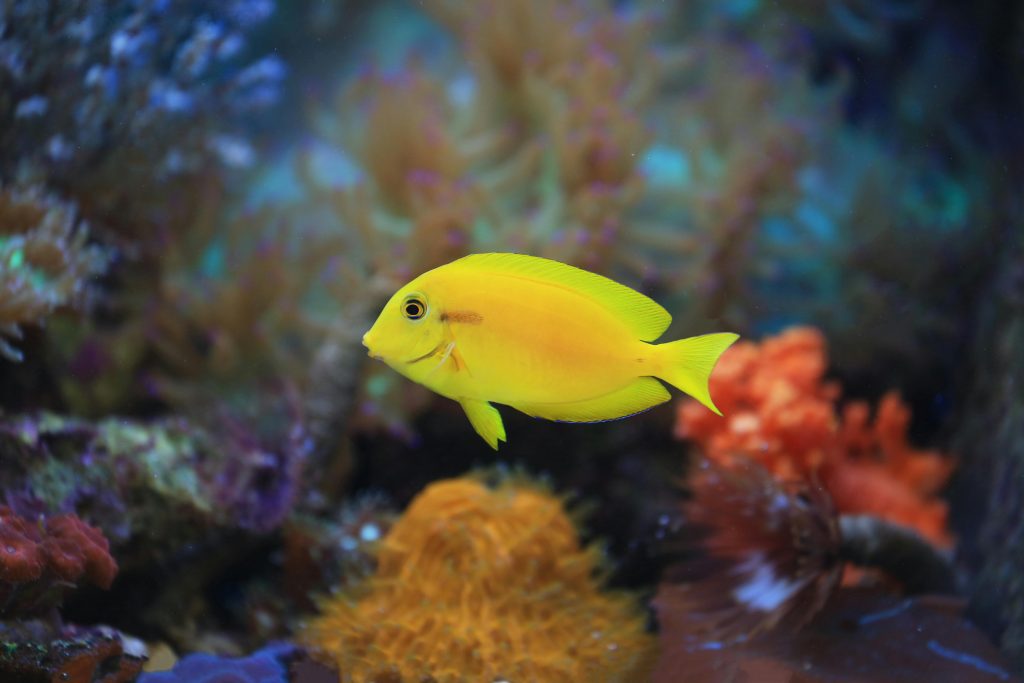
Juvenile Orange Shoulder (acanthurus Olivaceus)
Juvenile orange shoulder tangs are bright, hardy, and reef safe, but they grow large and need a spacious…
 By
By
Best Filtration Systems
Best Filtration Systems for a Healthy Saltwater Aquarium Choosing the best filtration system for your saltwater aquarium is…
[favorite_button]
My Bookmarks:
To see full list click here
[user_favorites user_id="" include_links="true" site_id="" post_types="" include_thumbnails="true" thumbnail_size="thumbnail" include_excerpt="false"]