

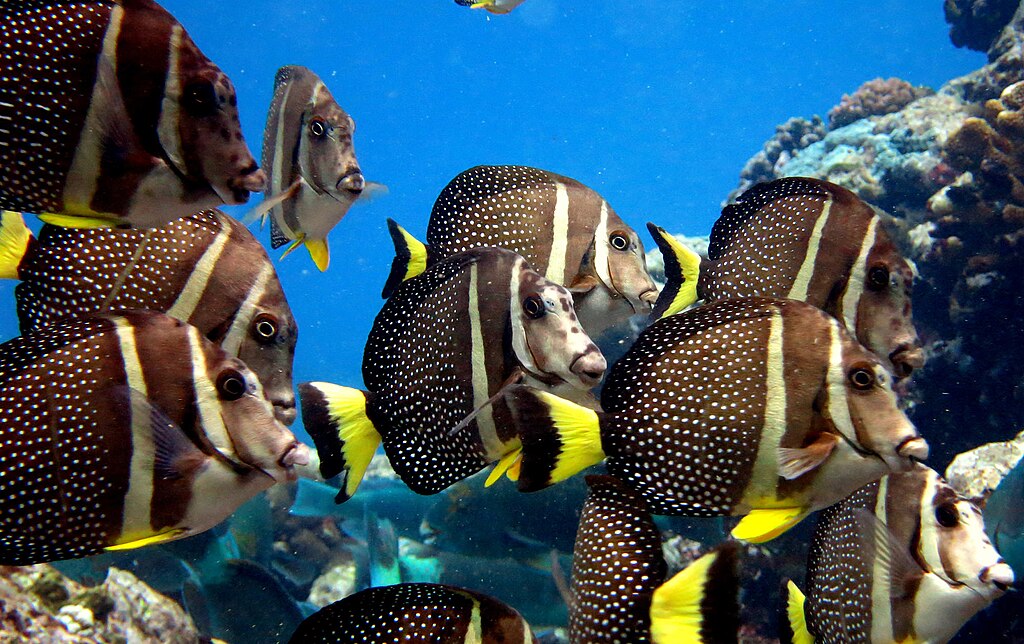
Mustard guttatus, also sold as the white-spotted surgeonfish, is a striking but demanding tang. It needs a very large tank, strong flow, heavy oxygenation, and stable reef conditions. This species is best for experienced keepers who can provide swimming room, algae-rich feeding, and careful quarantine.
The mustard guttatus is not a common beginner tang. It is active, fast, and built for surge zones. That matters in captivity. Many care problems come from undersized tanks, weak flow, or poor feeding variety. In this guide, you will learn how to identify Acanthurus guttatus, set up the right aquarium, manage aggression, feed it well, and avoid the common mistakes that shorten its lifespan. You will also learn why this fish often struggles in small systems, and when it is a poor fit for a mixed reef.
Quick Care Facts
| Common name | Mustard guttatus, White-spotted surgeonfish |
| Scientific name | Acanthurus guttatus |
| Family | Acanthuridae |
| Adult size | Up to about 10 inches |
| Minimum tank size | 180 gallons, larger preferred |
| Temperament | Semi-aggressive to aggressive |
| Diet | Herbivore with some omnivorous feeding |
| Reef safe | Usually yes, with caution around some fleshy corals when underfed |
| Care level | Moderate to difficult |
| Best for | Large established reef or fish-only systems |
This species needs more than just gallons on paper. It needs open water length, strong current, and a mature environment. Think of it as a high-energy grazer, not a decorative centerpiece fish.
Identification and Appearance
Acanthurus guttatus has a dark brown to charcoal body with many small white spots. The dorsal area often shows a mustard or yellow wash. That color gives the fish its common name. The tail is pale, and the body shape is classic surgeonfish. It is laterally compressed and built for speed.
This fish looks elegant rather than flashy. It does not have the bright yellow of a yellow tang or the bold pattern of a clown tang. Its beauty is more subtle. Under strong reef lighting, the white spotting and warm dorsal tones stand out well. Healthy specimens should have a full body, clear eyes, and smooth fin edges. Avoid thin fish with pinched bellies. Also avoid specimens that breathe hard or show scratching behavior. Tangs often arrive stressed, and this species does not always recover easily from rough handling.
Natural Habitat
Mustard guttatus occurs across parts of the Indo-Pacific. It is often found in shallow surge zones and outer reef areas. These habitats have intense water movement and high oxygen levels. Fish in these zones spend much of the day grazing algae from hard surfaces.
That natural setting explains much of its care. This is not a calm lagoon fish. It is adapted to constant movement, bright light, and long swimming runs. In the wild, it also encounters changing wave action and abundant natural grazing surfaces. Captive systems should mimic those features as closely as possible. A quiet tank with weak turnover will not suit this species. If you understand where it comes from, its aquarium needs make much more sense.
Aquarium Setup
A 180-gallon tank is the practical minimum for long-term care. Bigger is better. A 6-foot tank should be considered the floor, not the goal. An 8-foot tank is much better for adult fish. This tang is active all day. It needs room to cruise without constant turns.
Build the aquascape with open lanes in mind. Use rock structures that create grazing surfaces but leave broad swimming space through the center and front. Avoid stacking rock into a wall. That wastes valuable swimming room. Stable live rock also supports natural film algae growth. This fish appreciates that. Strong gas exchange is important. Use a quality skimmer, good surface agitation, and reliable circulation. Keep temperature stable, usually 76 to 79 degrees Fahrenheit. Maintain salinity around 1.025 to 1.026. Nitrate and phosphate do not need to be zero, but they should stay controlled and stable.
For more help with system planning, see reef tank setup guide, reef aquarium water parameters, and best clean up crew for reef tanks.
Lighting Requirements
The fish itself does not need specialty lighting. It will do well under standard reef lighting used for corals. The real lighting goal is indirect. Strong lighting helps grow film algae and microalgae on rock. That supports natural grazing behavior.
If the fish lives in a fish-only system, moderate lighting is enough. In a reef tank, your coral lighting will usually be suitable. Avoid sudden lighting changes during acclimation. New tangs often stress easily. Dimmer light on day one can help them settle. If the fish hides at first, that is normal. Give it time and maintain a predictable photoperiod. A stable day and night cycle reduces stress and supports feeding confidence.
Water Flow
Strong flow is one of the most overlooked parts of mustard guttatus care. This species comes from high-energy reef zones. It handles and benefits from brisk circulation. Aim for strong, turbulent flow rather than a single harsh jet.
Create alternating current with gyres, wave pumps, or well-placed powerheads. Keep dead spots low. Good flow improves oxygenation and helps this fish stay active and healthy. It also supports waste export in large systems. Watch the fish, though. It should swim confidently through the current, not struggle in one fixed blast. If your tank feels stagnant, the fish will likely show it through pacing, heavy breathing, or reduced activity.
Feeding
Feed mustard guttatus often and with variety. This is a grazer first. Dried nori should be available daily. Use a clip in multiple locations if you keep other tangs. Offer spirulina foods, quality herbivore pellets, and frozen foods with algae content. Small amounts, two to four times daily, work better than one large feeding.
Do not treat it like a pure carnivore. Mysis and brine can be part of the diet, but algae must be the base. A fish that lacks plant matter often becomes thin, stressed, and more aggressive. Vitamin soaking can help newly imported fish. Garlic is optional, but quality nutrition matters more. In mature tanks, natural grazing between meals is a major benefit. If your fish constantly picks at rock, that is a good sign. For more nutrition tips, read best food for reef fish.
Compatibility
This species can be territorial, especially with other tangs. It is often best kept as the only Acanthurus in the tank unless the system is very large. It may also challenge similarly shaped surgeonfish. Introduce it carefully. Adding it last can reduce aggression in some setups.
With non-tang tankmates, it is usually manageable. It pairs better with robust reef fish than timid species. Good companions include larger wrasses, rabbitfish, anthias in large groups, and many reef-safe angelfish in suitably large tanks. It is generally reef safe with corals and invertebrates. Still, any underfed herbivore may sample fleshy polyps or nip at nuisance growth around coral bases. That is usually a feeding issue, not true coral predation. Avoid cramped communities. Crowding raises stress and conflict fast.
Step-by-Step Acclimation Guide
1. Quarantine first. Tangs are disease magnets. Quarantine is strongly recommended. Watch for marine ich, velvet, bacterial damage, and flukes.
2. Provide oxygen and flow. Use an airstone or strong surface movement in quarantine. This species dislikes stale water.
3. Offer algae immediately. Clip nori on day one. Many tangs start with grazing before they accept prepared foods.
4. Keep stress low. Use dim lighting at first. Give the fish PVC shelters or visual breaks.
5. Move to the display carefully. Add the fish when lights are lower. Rearranging a small amount of rock can reduce territorial pressure from established fish.
6. Feed heavily but cleanly. Frequent algae feedings help the fish settle. Export nutrients with skimming and maintenance.
Common Problems
Why is my mustard guttatus not eating?
Stress is the usual cause. Shipping, poor oxygen, and aggressive tankmates can shut feeding down. Start with fresh nori, red and green algae sheets, and a calm environment. Check breathing rate. If it is breathing hard, investigate ammonia, oxygen, and parasites.
Why is it pacing the glass?
Glass surfing usually points to a tank that is too small, too bare, or too stressful. It can also happen during the first week. Persistent pacing means the fish wants more swimming room or is reacting to its reflection.
Why is the fish turning pale?
Pale color can come from stress, nighttime resting color, poor nutrition, or disease. Rule out ammonia and aggression first. Then review diet quality and quarantine history.
Why is it aggressive toward other tangs?
This is normal behavior for many surgeonfish. Similar body shape increases conflict. More space, multiple feeding stations, and careful stocking order help. In some tanks, separation is the only fix.
Long-Term Care Tips
Success with Acanthurus guttatus comes from consistency. Keep water quality stable. Feed algae every day. Maintain strong flow and high oxygen. Do not let the fish become thin. Watch for early disease signs, especially after any new fish is added. Tangs often show parasite issues before other species do.
It also helps to think beyond survival. This fish should look thick-bodied, alert, and constantly engaged with the environment. A healthy specimen cruises the tank, grazes often, and responds quickly to feeding. If it hides all day or breathes heavily, something is wrong. Fix the cause early. Large surgeonfish decline faster than many hobbyists expect once stress builds up.
Frequently Asked Questions
Is mustard guttatus reef safe?
Usually yes. It is considered reef safe in most systems. Keep it well fed to reduce nuisance nipping.
How big does Acanthurus guttatus get?
It can reach around 10 inches in captivity, sometimes more. Plan for adult size from the start.
Can it live in a 125-gallon tank?
That is not ideal long term. A 180-gallon tank is a more realistic minimum.
Is this a good beginner tang?
No. It is better for experienced hobbyists with large, mature aquariums and strong quarantine habits.
What is the best food for mustard guttatus?
Nori should be the staple. Add herbivore pellets, spirulina foods, and occasional frozen foods for variety.
Mustard guttatus is a beautiful surgeonfish, but it is not forgiving. Give it space, current, and algae-rich feeding, and it can become a stunning long-term show fish. Keep it in cramped conditions, and problems usually appear fast. If you are building a large reef with active swimmers, this species can be a rewarding choice when its needs come first.
Was this helpful?
Related Posts
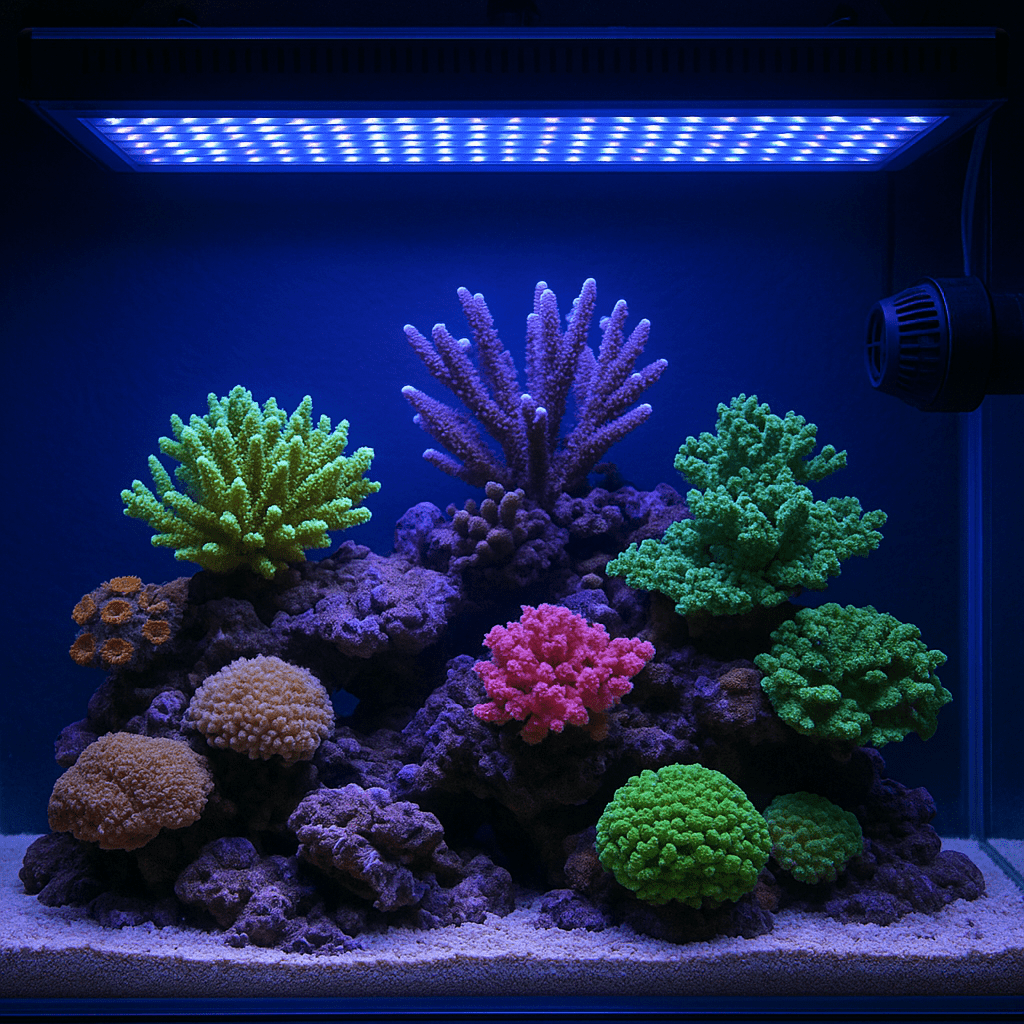
Best Filtration Systems
Best Filtration Systems for a Healthy Saltwater Aquarium Choosing the best filtration system for your saltwater aquarium is…
 By
By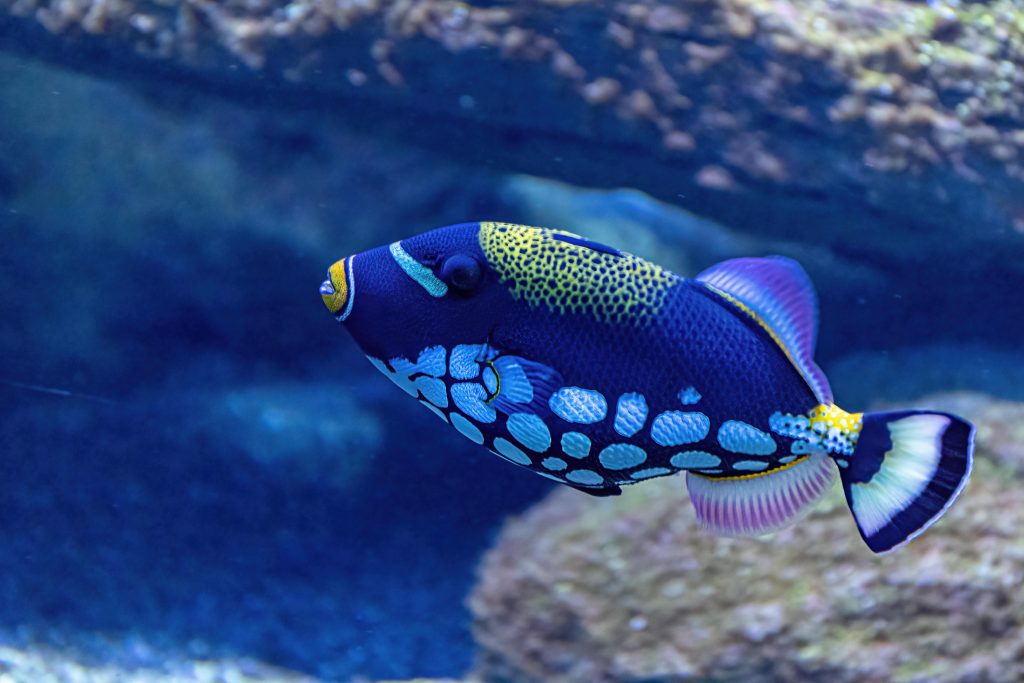
Clown Triggerfish (Balistoides Conspicillum)
Clown triggerfish are stunning but aggressive marine fish that need very large tanks, strong filtration, and careful tankmate…
[favorite_button]
My Bookmarks:
To see full list click here
[user_favorites user_id="" include_links="true" site_id="" post_types="" include_thumbnails="true" thumbnail_size="thumbnail" include_excerpt="false"]