

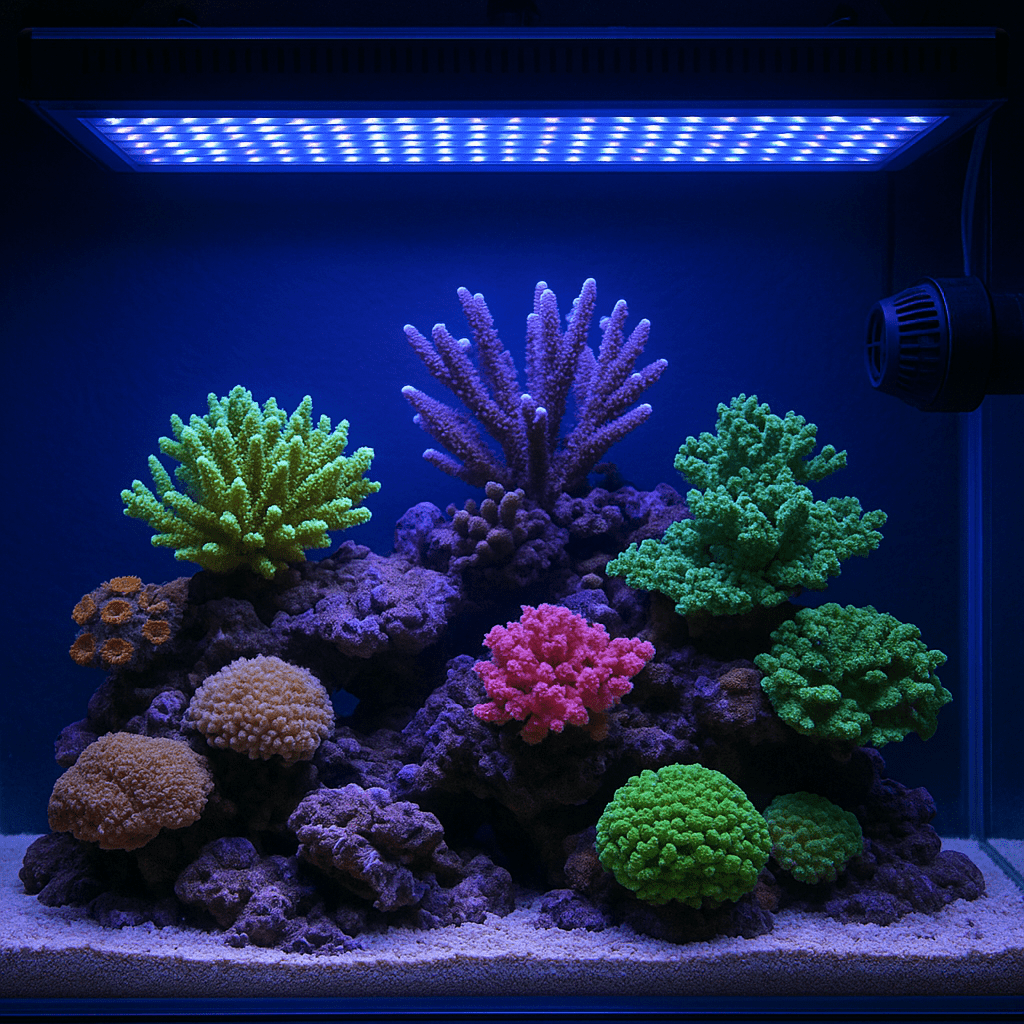
Reef stocking order matters more than most beginners expect. Adding fish, corals, and cleanup crews in the right sequence reduces stress, limits aggression, and helps your tank mature safely. A smart plan also protects water quality and gives each new addition the best chance to settle in.
Many reef problems start with rushing. New hobbyists often buy the most exciting fish first. They may also add sensitive corals before the tank is stable. That usually leads to algae blooms, territorial fights, or sudden losses. A better approach is slow and deliberate. In this guide, you will learn the best reef stocking order for most mixed reef tanks. We will cover when to add your cleanup crew, beginner fish, peaceful community species, corals, and more delicate animals. You will also learn how quarantine, tank maturity, and feeding pressure affect stocking decisions.
Quick Reference Table
| Stage | What to Add | Why This Stage Matters | Typical Timing |
|---|---|---|---|
| 1 | Cycle the tank only | Builds nitrifying bacteria | Weeks 1–4+ |
| 2 | Cleanup crew | Controls early algae and detritus | After cycle completes |
| 3 | Hardy, peaceful fish | Tests system stability with low aggression | Week 4–8 |
| 4 | Additional community fish | Builds bioload gradually | One fish every 2–4 weeks |
| 5 | Beginner corals | Add after nutrients and parameters stabilize | Month 2–3 |
| 6 | Semi-aggressive fish | Prevents early bullying | After peaceful fish settle |
| 7 | Delicate corals and inverts | Need mature, stable systems | Month 4–6+ |
| 8 | Most aggressive fish | Added last to reduce territorial issues | Final stage |
Use this table as a general roadmap. Every reef tank is different. Fish size, aquascape, filtration, and quarantine practices all change the pace. Still, the order itself stays useful in most setups.
Why Reef Stocking Order Is So Important
Stocking order affects both biology and behavior. Your tank needs time to process waste. Each new fish increases ammonia production. If you add too many animals at once, the biofilter can lag behind. Even if tests look fine, fish may still show stress from unstable conditions.
Behavior matters just as much. Many marine fish claim territory quickly. If you add a dominant fish first, it may attack every newcomer later. This is common with dottybacks, damsels, some wrasses, angelfish, and tangs. Peaceful fish need a chance to establish themselves before stronger species arrive.
Corals also benefit from proper timing. New tanks swing more often. Alkalinity can drift. Nutrients can spike and crash. Diatom and algae phases are normal. Hardy soft corals may tolerate that. Sensitive SPS often will not. Good stocking order reduces avoidable losses and saves money.
Step-by-Step Reef Stocking Order
Step 1: Fully cycle the aquarium
Do not add fish to an uncycled reef tank. Wait until ammonia and nitrite both read zero. Nitrate should be present at low to moderate levels. Use a reliable test kit. Give the cycle time to finish completely.
This stage usually takes several weeks. Dry rock systems often take longer to stabilize than mature live rock systems. During this period, focus on salinity, temperature, and flow. Make sure your heater, return pump, skimmer, and ATO work properly. Solve equipment issues now, not after livestock arrives.
Step 2: Add the cleanup crew first
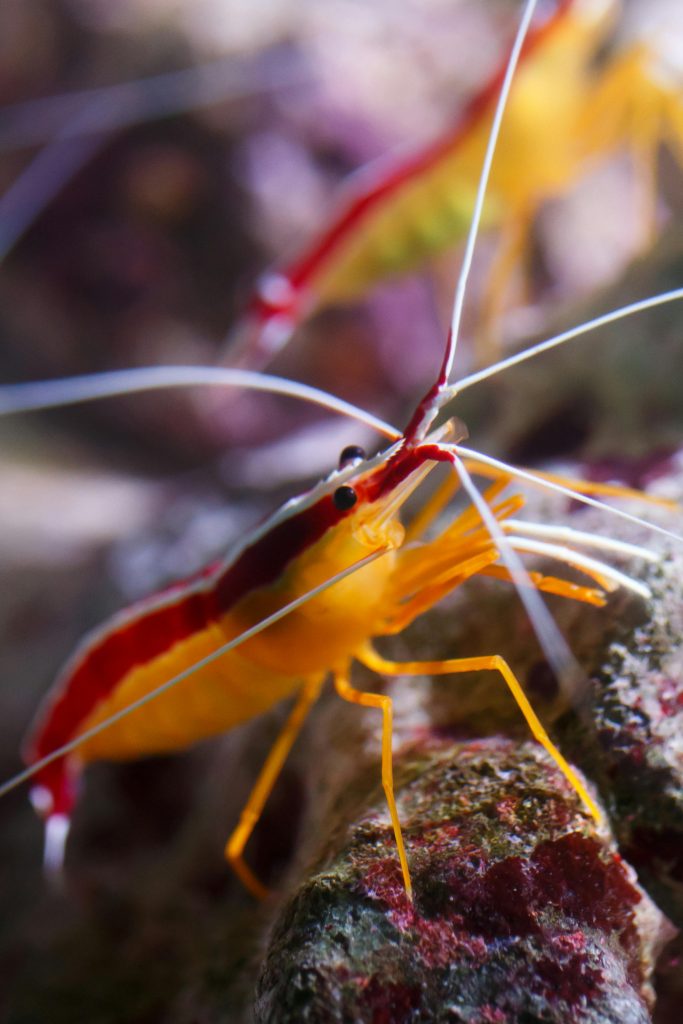
The cleanup crew usually comes before fish. Snails, hermits, and other scavengers help with early algae and leftover food. They also give you a low-risk way to test basic stability. Start small. Do not dump in a huge cleanup crew package.
Good early choices include trochus snails, nassarius snails, cerith snails, and a few blue-leg or scarlet hermits if you like crabs. Add species that match your tank’s needs. Sand beds benefit from nassarius. Glass and rock algae are better handled by trochus and cerith snails.
Avoid overstocking the cleanup crew. New tanks do not produce enough food for large snail populations. Many starve after the first algae bloom fades.
Step 3: Add hardy, peaceful fish
Your first fish should be calm and adaptable. Captive-bred clownfish are common starters. Firefish, some gobies, and pajama cardinals also work well in many tanks. Choose species that are known to ship well and feed easily.
Add one fish, or one bonded pair, at a time. Then wait two to four weeks before the next addition. This pause helps your biofilter adjust. It also lets you observe disease, feeding response, and social behavior. Quarantine is strongly recommended before any fish enters the display.
If a fish refuses food, hides constantly, or breathes rapidly, stop stocking. Fix the issue first. Patience here prevents a chain reaction later.
Step 4: Add more peaceful community fish
Once the first fish are settled, you can build the community. Add fish with similar temperaments and feeding needs. Good examples include royal grammas, watchman gobies, blennies, and some reef-safe wrasses. Always research adult size and jumping risk.
Keep the tank’s swimming zones in mind. A good stocking plan uses different areas. Gobies stay low. Grammas use caves. Wrasses cruise the water column. This reduces competition and keeps the display active.
Do not crowd the tank early. Heavy feeding can push nutrients up fast. That can trigger algae and cyanobacteria before the system matures.
Step 5: Add beginner corals after stability improves
Many reef keepers add easy corals after the first fish. This usually works best once salinity, alkalinity, nitrate, and phosphate stay consistent. Good beginner corals include zoanthids, green star polyps, mushrooms, kenya tree, and many leather corals.
LPS can also work if the tank is stable. Duncan corals, candy cane corals, and some hammers are popular choices. Start with a few test corals first. Watch polyp extension, tissue inflation, and color. Corals often reveal instability before fish do.
Dip all coral frags before adding them. Pests such as flatworms, nudibranchs, and algae hitchhikers are common. A coral quarantine tank is even better if you have space.
Step 6: Add semi-aggressive fish later
Fish with stronger personalities should come later. This group may include dottybacks, six-line wrasses, some dwarf angelfish, and certain damsels. They often become territorial once established. If added too early, they can harass shy fish nonstop.
By adding them later, your peaceful fish already know the rockwork and have secure hiding spots. That usually lowers stress and chasing. Rearranging a little rock can also help when adding a known bully. It breaks old territory lines.
Watch feeding closely. Aggressive fish often dominate food quickly. Use multiple feeding spots if needed.
Step 7: Add delicate corals and invertebrates to mature tanks
Wait longer for sensitive livestock. Acropora, many deepwater SPS, clams, and some anemones do best in mature aquariums. They need stable alkalinity, calcium, magnesium, and nutrient levels. They also dislike sudden swings in pH, salinity, and temperature.
A mature tank usually has more stable microfauna and biofilm. Those unseen parts matter. They support nutrient processing and food webs. Delicate invertebrates often respond poorly in sterile or unstable systems.
If your tank still has frequent algae blooms, parameter swings, or coral losses, it is not ready for advanced additions.
Step 8: Add the most aggressive fish last
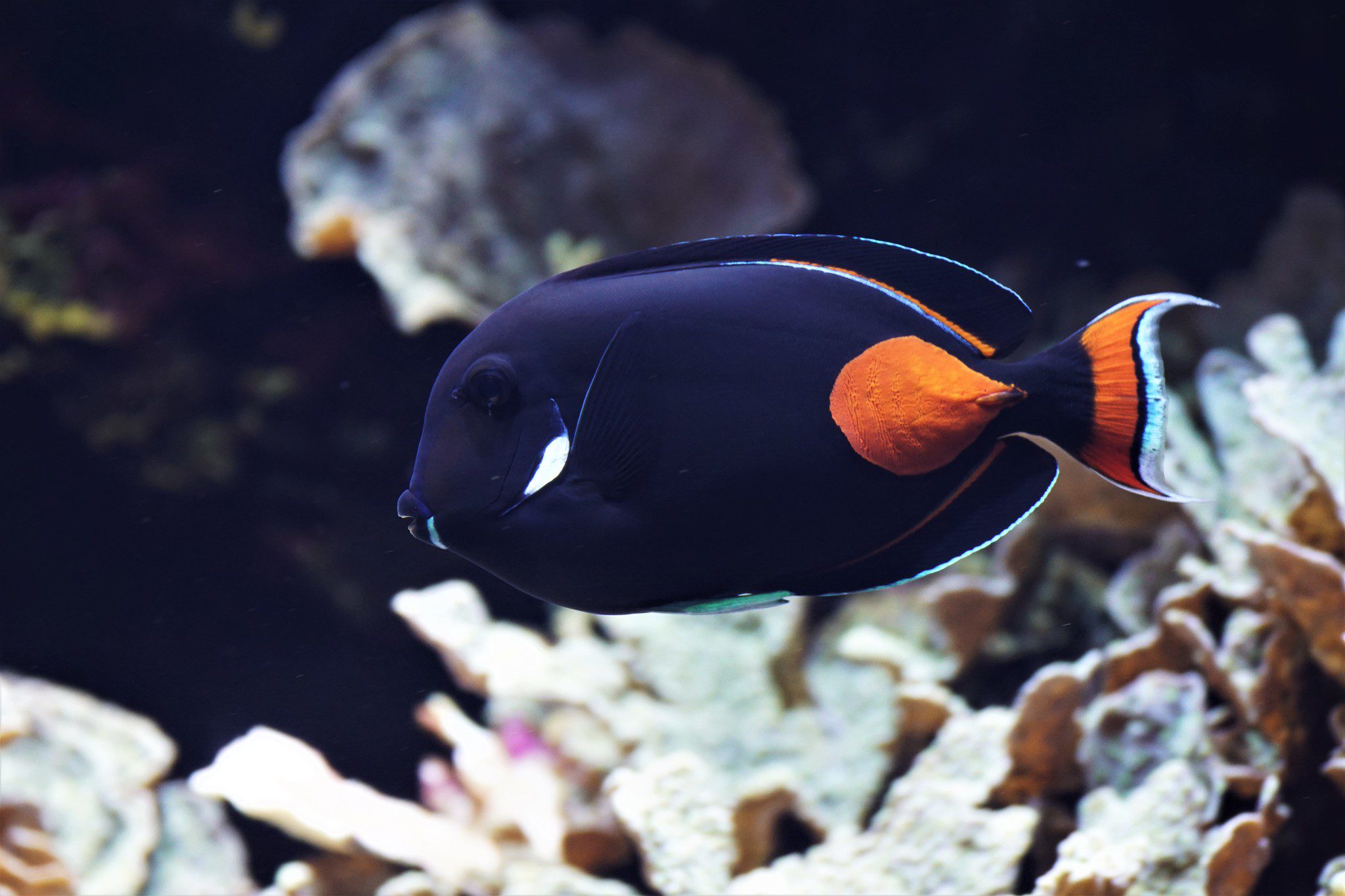
The final stage is for fish that often become tank bosses. Tangs, larger angelfish, some hawkfish, and certain wrasses fit here. They should be among the last additions in many community reefs. This is especially true in medium tanks.
Adding them last reduces territorial pressure on smaller fish. It also lets you judge whether the tank can support their feeding demands and swimming needs. Never buy an aggressive show fish just because the tank looks empty. Empty space disappears fast in reefing.
Aquarium Setup Factors That Change Stocking Order
Not every reef follows the exact same timeline. Tank size changes everything. A nano reef has less room for error. Nutrients rise faster. Aggression also becomes more intense in small spaces. Larger tanks dilute mistakes better and offer more territory.
Aquascape matters too. Open rock structures create sight breaks. Caves and arches give timid fish safe retreats. Bare, exposed layouts often increase chasing. Filtration also affects pacing. Strong skimming, refugiums, and mature rock help process waste, but they do not replace patience.
Quarantine changes outcomes as well. A quarantined fish is less likely to bring parasites into the display. That means fewer setbacks and fewer stocking pauses. If you skip quarantine, one sick fish can reset your whole plan.
Compatibility Tips for a Better Stocking Plan
Always stock by temperament first. Peaceful species belong early. Assertive species belong later. Also compare feeding style. Slow feeders can struggle with aggressive eaters. Mandarins should not compete in immature tanks with limited pods. Coral nippers should never be impulse purchases.
Check adult size, not store size. Tiny tangs become large, active fish. Cute juvenile angelfish may outgrow smaller reef systems. Some fish are reef safe with caution. That phrase deserves extra research. It often means they may nip corals, clams, or ornamental shrimp.
For more planning help, see best reef fish for beginners, reef tank compatibility guide, cleanup crew for reef tank, and how to quarantine reef fish.
Common Problems
I added too many fish at once
This often causes cloudy water, rising nutrients, and stressed fish. Test ammonia right away. Increase aeration. Feed lightly for a few days. Perform water changes if needed. If the tank is clearly overloaded, rehome or move some fish temporarily.
A new fish is being bullied
Use an acclimation box if possible. Rearrange a small amount of rock. Add mirrors to distract aggressors for short periods. Feed more than one area. If attacks continue, remove the bully or the victim before serious injury occurs.
My beginner corals are shrinking
Check salinity first. Then test alkalinity, nitrate, and phosphate. New tanks often swing too much. Corals also react to unstable light intensity and poor flow placement. Start with hardy frags and change only one variable at a time.
Algae exploded after stocking
This usually means nutrients rose faster than export. Reduce feeding, clean detritus, and improve export methods. Add cleanup crew only as needed. Do not chase zero nutrients. Corals still need measurable nitrate and phosphate.
Frequently Asked Questions
Should corals or fish go in first?
Usually fish go in first, after the cleanup crew. Then add easy corals once the tank shows stable parameters and normal feeding routines.
How long should I wait between adding fish?
Two to four weeks is a good rule for most tanks. Wait longer if nutrients rise, fish show stress, or the tank is very small.
When should I add an anemone?
Most anemones do better in mature tanks. Wait at least several months, and only add one when lighting and water chemistry are very stable.
What fish should always be added last?
Tangs, many aggressive wrasses, some damsels, and territorial angelfish are often best added near the end of the stocking plan.
Can I fully stock my reef in one month?
That is rarely wise. Fast stocking increases disease risk, aggression, and nutrient instability. Slow stocking usually leads to a healthier reef.
Final Thoughts
The best reef stocking order is simple. Cycle first. Add a modest cleanup crew. Introduce hardy, peaceful fish. Build the community slowly. Add beginner corals after stability improves. Save delicate species and aggressive fish for later. This approach is less exciting in the short term, but it works. In reef keeping, slow progress usually becomes long-term success.
Was this helpful?
Related Posts
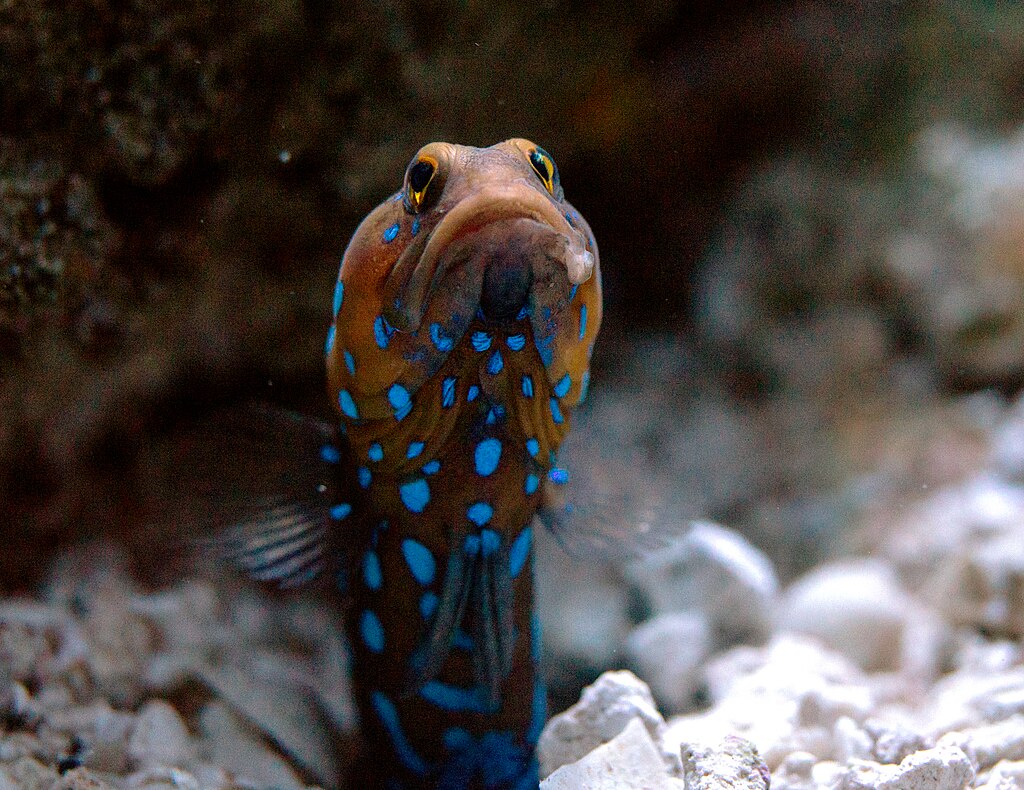
Blue Dot Jawfish (Opistognathus Rosenblatti)
Blue Dot Jawfish need cool water, deep sand, and a tight lid. Learn how to keep Opistognathus rosenblatti…
 By
By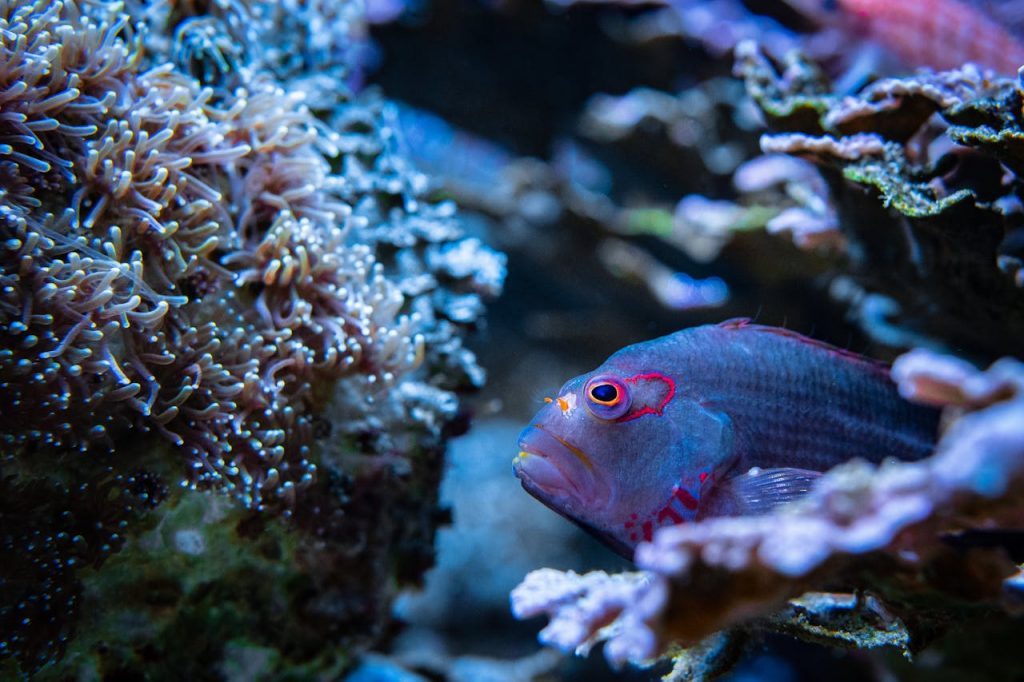
Arc Eye Hawkfish (Paracirrhites arcatus)
Arc Eye Hawkfish care is simple in a stable tank. Learn tank size, feeding, reef safety, and shrimp…
[favorite_button]
My Bookmarks:
To see full list click here
[user_favorites user_id="" include_links="true" site_id="" post_types="" include_thumbnails="true" thumbnail_size="thumbnail" include_excerpt="false"]