

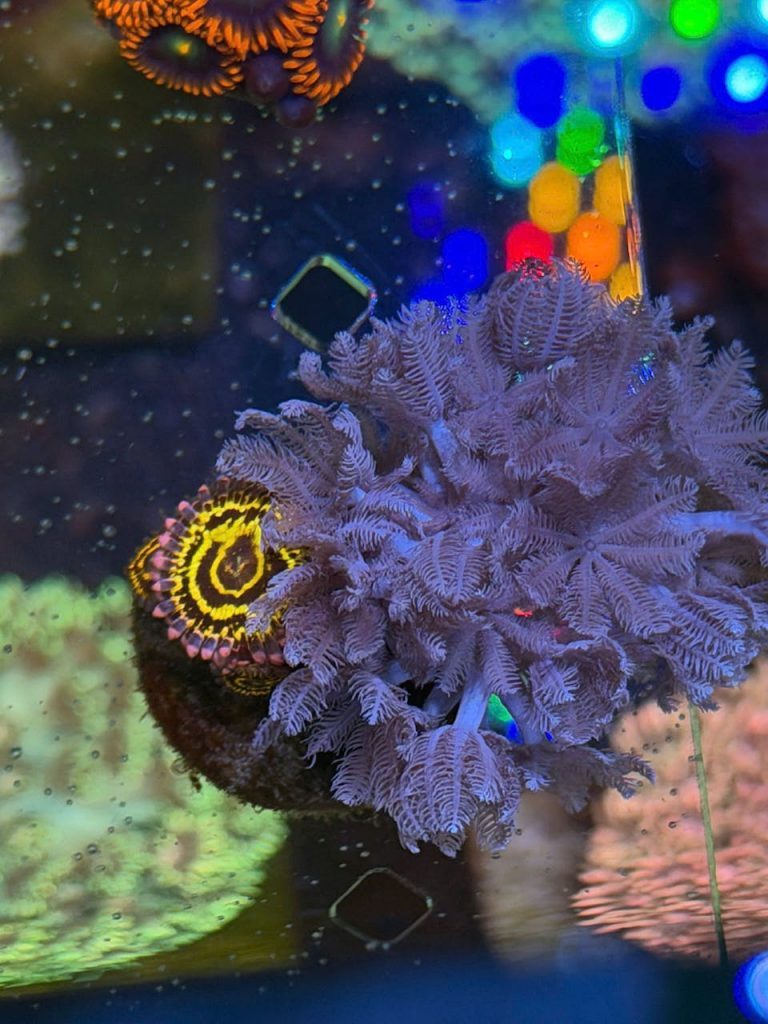
A beginner reef tank can thrive with simple equipment, stable water, and patient stocking. Start with a realistic plan, cycle the tank fully, and focus on consistency before chasing advanced gear or difficult corals.
Starting a reef aquarium feels exciting and intimidating at the same time. Saltwater tanks look complex from the outside. They also have a reputation for being expensive and hard to maintain. The good news is that modern reef keeping is much more approachable than many beginners expect. If you build around stability, you can avoid most early mistakes. In this guide, you will learn how to choose a tank, pick the right equipment, cycle the system, stock it slowly, and keep corals and fish healthy long term. The goal is not perfection on day one. The goal is a stable, enjoyable reef that grows with your skills.
Quick Reference Table
| Category | Beginner Recommendation |
|---|---|
| Tank size | 20 to 40 gallons for easiest balance |
| Best tank type | All-in-one reef tank or simple sump setup |
| Lighting | Quality reef LED with timer and acclimation mode |
| Flow | Moderate, random flow with one or two powerheads |
| Filtration | Live rock, filter floss, protein skimmer optional but helpful |
| Heater | Reliable heater with external controller if possible |
| Salinity | 1.025 specific gravity |
| Temperature | 77 to 78°F |
| Cycle time | Usually 3 to 6 weeks |
| First corals | Mushrooms, zoanthids, green star polyps, leather corals |
| First fish | Clownfish, firefish, gobies, royal gramma |
| Water changes | 10 to 15 percent weekly or every two weeks |
Why a Beginner Reef Tank Should Stay Simple
Many new hobbyists buy too much equipment too fast. That often creates confusion instead of success. A beginner reef tank does not need every gadget on the market. It needs stable salinity, stable temperature, good flow, and enough light for easy corals. It also needs patience.
Smaller tanks can work well. They save space and cost less. Still, very tiny tanks change quickly. A little evaporation can swing salinity fast. A missed water change matters more. That is why many hobbyists find 20 to 40 gallons easier than nano tanks under 15 gallons.
Simple systems are easier to understand. You can spot problems faster. You can also build good habits early. Test regularly. Feed lightly. Stock slowly. Make one change at a time. Those habits matter more than expensive gear. If you want to keep your first reef enjoyable, simplicity is your best friend.
Choosing the Right Tank and Location
Your tank choice shapes the whole experience. For most beginners, an all-in-one aquarium is a strong option. It keeps filtration hidden in the back chamber. It also reduces plumbing mistakes. A standard tank with a sump works great too, but it adds complexity.
Pick a tank that fits your room and maintenance routine. A 25 to 40 gallon setup gives good stability without becoming overwhelming. Place the aquarium on a level stand. Keep it away from direct sunlight. Avoid heating vents and drafty windows. Those spots cause temperature swings and algae issues.
Think about access before you fill it. You need room for cords, water changes, and cleaning tools. You also need nearby outlets with drip loops. Reef tanks are easier to maintain when they are easy to reach. If maintenance feels annoying, it gets skipped. Good placement helps long-term success more than people realize.
Essential Equipment for a Beginner Reef Tank
You do not need elite equipment, but you do need reliable basics. Start with a quality tank, a strong stand, and a reef-capable light. Add a heater, a thermometer, a return pump if needed, and one or two powerheads for flow. You will also need a refractometer to measure salinity correctly.
Filtration can stay simple. Live rock handles much of the biological work. Filter floss removes debris. A protein skimmer helps, but it is not mandatory on every beginner setup. Many all-in-one tanks run well with floss, carbon, and regular water changes. If nutrients rise, you can upgrade later.
Use reverse osmosis deionized water if possible. Tap water causes many early problems. It often contains nitrate, phosphate, silicate, or metals. An auto top off system is also a smart upgrade. It keeps salinity stable by replacing evaporated water. Stability matters more than chasing perfect numbers.
Step-by-Step Setup Guide
Start by rinsing the empty tank and equipment with fresh water only. Never use soap. Place the tank on the stand. Add dry rock or cured live rock. Build an open aquascape with caves and shelves. Leave room around the rock for flow and cleaning.
Add rinsed sand if you want a sand bed. Then mix saltwater to 1.025 specific gravity. Fill the tank slowly to avoid disturbing the aquascape. Start the heater, pumps, and filtration. Check for leaks and stable temperature. Set your light on a low schedule during the cycle.
Next, begin the nitrogen cycle. Add a bottled bacteria product and an ammonia source. Test ammonia, nitrite, and nitrate every few days. The cycle is complete when ammonia and nitrite reach zero after processing the added ammonia. Then perform a water change. At that point, add your first cleanup crew or first fish slowly. Do not add fish and corals all at once. Let the tank mature in stages.
Understanding the Nitrogen Cycle
The nitrogen cycle is the foundation of every reef aquarium. Fish waste and decaying food produce ammonia. Ammonia is toxic. Beneficial bacteria convert it into nitrite. Nitrite is also toxic. Another group of bacteria converts nitrite into nitrate. Nitrate is less dangerous in lower amounts.
New hobbyists often rush this stage. That leads to stressed fish and algae outbreaks. Let the bacteria colony build before adding livestock. Test kits help you confirm progress. Do not assume the cycle is done because the water looks clear. Clear water can still contain dangerous ammonia.
Once your tank is cycled, the work is not over. Biological filtration keeps improving for months. That is why slow stocking matters. Every new fish increases waste. Add too many at once, and the bacteria cannot keep up. A patient start prevents many common beginner crashes.
Water Parameters Beginners Should Watch
Stable water chemistry beats perfect water chemistry. Keep salinity around 1.025. Aim for 77 to 78°F. Maintain alkalinity in a stable range, often 8 to 9 dKH for beginner mixed reefs. Calcium and magnesium matter more once coral demand increases. In early tanks, water changes often maintain them well.
Nitrate and phosphate should not be zero in most beginner reef tanks. Corals need some nutrients. A common target is nitrate around 5 to 15 ppm and phosphate around 0.03 to 0.10 ppm. Numbers vary by tank. Stability still matters most. Big swings stress corals more than slightly imperfect values.
Use reliable test kits and log your results. Test salinity often. Test alkalinity weekly once corals are growing. Check nitrate and phosphate regularly, especially if algae appears. If something looks off, avoid panic changes. Make small adjustments. Then wait and observe.
Lighting Requirements for Easy Corals
Lighting is important, but beginners often overdo it. Strong light does not fix poor water quality. It can actually make algae and coral stress worse. Start with a quality reef LED that offers timer control and gentle ramping. Many beginner-friendly corals prefer moderate light.
Soft corals and many zoanthids usually do well in lower to moderate PAR. That often means roughly 50 to 150 PAR, depending on the species. LPS corals often prefer moderate light too. If you do not own a PAR meter, follow the manufacturer schedule carefully and start low.
Use an acclimation mode when adding new corals. Sudden light changes can bleach them. Keep a stable schedule of about 8 to 10 hours of full lighting, with ramp time before and after. Avoid changing intensity every few days. Corals respond better to consistency.
Water Flow and Aquascaping Basics
Reef tanks need water movement for gas exchange, waste removal, and coral health. Dead spots collect detritus. Excessive direct flow can damage soft tissue. Beginners should aim for moderate, random flow. One or two adjustable powerheads usually work well in small to medium tanks.
Watch how food particles move in the water. That gives clues about flow patterns. If debris settles in one corner, redirect a pump. If corals stay closed or look blasted, reduce direct flow. Different corals like different movement, but most beginner corals prefer gentle, varied current.
Your rockwork affects flow too. Avoid building a solid wall of rock. Open structures work better. They allow water to move behind and around the aquascape. Fish also appreciate caves and swim-through spaces. Good aquascaping helps coral placement, maintenance access, and long-term growth.
Best Beginner Fish, Corals, and Cleanup Crew
Choose hardy livestock with calm temperaments. Good beginner fish include ocellaris clownfish, firefish, watchman gobies, royal grammas, and some blennies. Quarantine is strongly recommended. It reduces the risk of marine ich and other diseases entering your display tank.
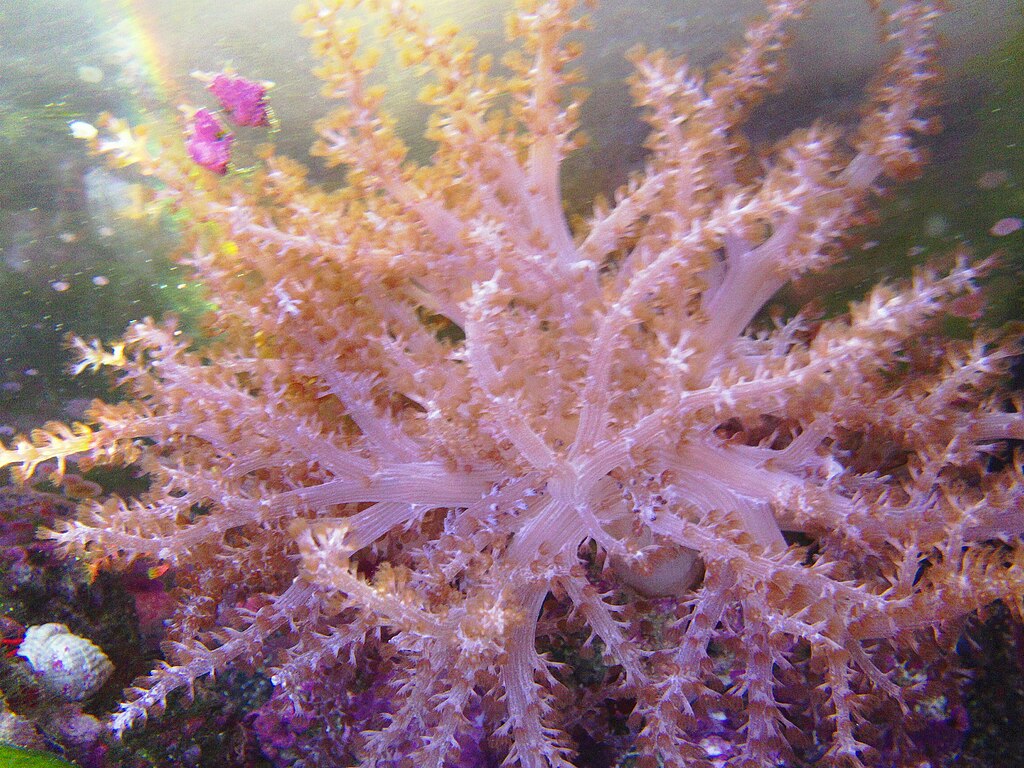
For corals, start with forgiving species. Mushrooms, zoanthids, leather corals, and green star polyps adapt well to many beginner systems. Some LPS, like candy cane coral or Duncan coral, also make good early choices. Add only a few corals at first. Learn how they respond before buying more.
A cleanup crew helps, but it is not magic. Snails are usually the most useful. Trochus, nassarius, and cerith snails are solid choices. Hermit crabs can work, but some become opportunistic. Add cleanup crew based on algae and detritus levels. Do not buy a huge package on day one.
Feeding and Routine Maintenance
Overfeeding is one of the most common beginner mistakes. Fish need enough food, but excess food drives nutrient problems. Feed small portions once or twice daily. Make sure food is eaten quickly. Rotate foods for better nutrition. Pellets, frozen mysis, and algae-based foods cover many beginner fish well.
Most easy corals do not need heavy target feeding. They gain energy from light and dissolved nutrients. Some LPS corals enjoy occasional meaty foods, but keep it light. Focus first on stable water quality. Corals usually grow better in a stable tank than in a heavily fed tank.
Create a simple maintenance routine. Replace filter floss weekly. Empty the skimmer cup as needed. Clean glass every few days. Perform a 10 to 15 percent water change weekly or every two weeks. Test salinity after top off changes. Consistent small tasks prevent large problems.
Compatibility Tips for a Peaceful Reef
Compatibility matters with fish and corals. Avoid aggressive fish in small beginner tanks. Dottybacks, damsels, and some wrasses can become territorial. Research adult size, diet, and behavior before buying anything. A fish that looks tiny at the store may outgrow your tank quickly.
Corals can also fight. Some release chemicals into the water. Others use sweeper tentacles to sting nearby neighbors. Leave space between corals, especially LPS species. Run activated carbon if you keep a mixed reef with soft corals and stony corals together. Good spacing prevents many losses.
Invertebrates add interest, but choose carefully. Some shrimp are reef safe and useful. Peppermint shrimp may help with aiptasia in some cases. Cleaner shrimp are popular and peaceful. Avoid impulse purchases. Every inhabitant affects the balance of a small reef tank.
Common Problems
Why is my beginner reef tank growing algae?
Algae is normal in young tanks. Early blooms often happen as the system matures. Excess nutrients, long light periods, weak flow, and dirty filters can make it worse. Use RO/DI water, reduce overfeeding, clean detritus, and keep up with water changes. Add cleanup crew slowly and match it to the problem. Do not expect snails to fix poor husbandry.
Why are my corals closed or shrinking?
Closed corals usually point to stress. Check salinity first. Then check temperature, alkalinity, and flow. Sudden light changes also cause problems. Pests can be a factor too. Make one correction at a time. Then give the coral time. Constant moving and repeated changes often make things worse.
Why are my fish breathing fast?
Rapid breathing can signal low oxygen, ammonia, disease, or severe stress. Test ammonia immediately. Check temperature and surface agitation. Make sure pumps are running properly. If the fish was never quarantined, disease is possible. Fast action matters here. Do not ignore heavy breathing in a reef tank.
Why does my salinity keep changing?
Evaporation leaves salt behind. That makes salinity rise over time. Top off with fresh RO/DI water, not saltwater. Mark your water line and refill daily if you do not have an auto top off. In small tanks, even minor evaporation can create noticeable swings.
Frequently Asked Questions
How long does it take to start a beginner reef tank?
Most tanks need 3 to 6 weeks to cycle. True stability takes longer. Expect the first few months to be a settling period.
What is the best tank size for a first reef aquarium?
For many hobbyists, 20 to 40 gallons is the sweet spot. It offers better stability than very small nano tanks.
Can I keep coral without a protein skimmer?
Yes. Many beginner reefs succeed without one. Regular water changes, modest stocking, and good maintenance can be enough.
What are the easiest corals for beginners?
Mushrooms, zoanthids, leather corals, and green star polyps are common beginner choices. Start with hardy frags and moderate light.
When should I add more fish or corals?
Add livestock slowly. Wait at least a couple of weeks between additions when possible. Let the tank adjust before increasing the bioload.
Final Tips for Long-Term Success
The best beginner reef tank is not the one with the most gear. It is the one with the most consistency. Keep your hands out of the tank when possible. Quarantine fish before adding them. Dip corals before placing them in the display. Log your test results and maintenance tasks. Those small habits build a stable reef over time.
If you feel stuck, simplify. Return to the basics. Check salinity. Check temperature. Clean the tank. Review feeding. Most reef problems trace back to a few core issues. Patience solves more problems than panic. Build slowly, learn from the tank, and enjoy the process.
Related reading: reef tank setup checklist, reef tank water parameters, best beginner corals, cleanup crew for reef tank, how to cycle a saltwater tank.
Was this helpful?
Related Posts
Best Filtration Systems
Best Filtration Systems for a Healthy Saltwater Aquarium Choosing the best filtration system for your saltwater aquarium is…
 By
By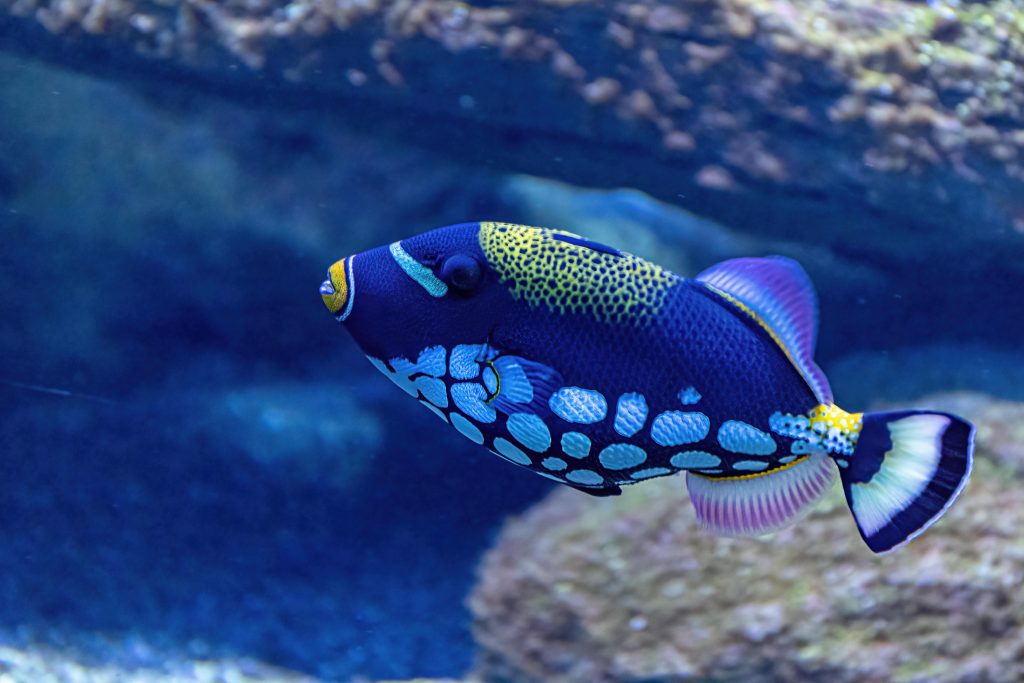
Clown Triggerfish (Balistoides Conspicillum)
Clown triggerfish are stunning but aggressive marine fish that need very large tanks, strong filtration, and careful tankmate…
[favorite_button]
My Bookmarks:
To see full list click here
[user_favorites user_id="" include_links="true" site_id="" post_types="" include_thumbnails="true" thumbnail_size="thumbnail" include_excerpt="false"]