
Best Foods For Marine Fish
Feeding marine fish is more than just dropping flakes into the tank. In saltwater aquariums, diet directly affects color, immunity, growth, and even behavior. Choosing the best foods for marine fish means matching what they naturally eat in the ocean while keeping water quality stable in your tank.
Main Types of Food for Marine Fish
Most saltwater fish fall into three broad categories: herbivores, carnivores, and omnivores. Knowing which your fish are will guide your food choices.
Frozen and Fresh Foods
Frozen foods are often the closest to a natural diet and are accepted by most marine fish.
- Mysis shrimp: Excellent staple for many reef fish; high in protein and usually readily accepted.
- Brine shrimp: Great for picky eaters, but lower in nutrition unless enriched with vitamins or spirulina.
- Krill and chopped seafood: Good for larger fish like triggers, wrasses, and groupers. Chop to mouth size.
- Marine blends: Mixed packs that include shrimp, fish, and sometimes algae to cover varied diets.
Rinse frozen foods in RO/DI or tank water before feeding to reduce excess phosphate and prevent nutrient spikes.
Pellets and Flakes
High-quality dry foods are convenient and can be very nutritious when chosen carefully.
- Look for marine-specific formulas with whole fish, krill, or squid as the first ingredients.
- Avoid foods loaded with wheat, corn, or soy as primary ingredients.
- Use sinking pellets for bottom dwellers and slow-floating pellets for mid-water feeders.
Dry foods are easy to overfeed. Use small pinches or a measured spoon and watch how quickly fish finish the meal.
Algae and Vegetable Foods
Herbivores and many omnivores need regular plant material to thrive.
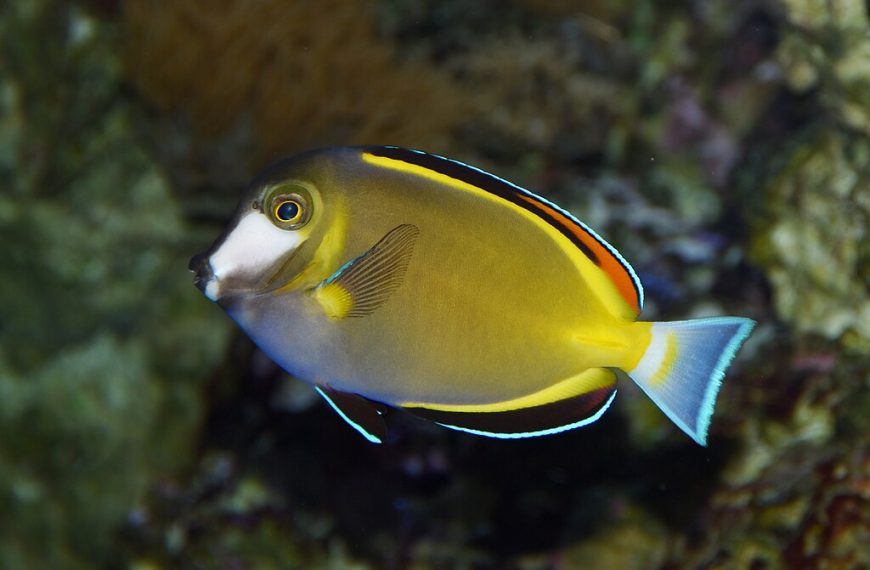
- Nori (dried seaweed): Ideal for tangs, foxfaces, and many angels. Clip a small sheet to the glass and remove leftovers after a few hours.
- Spirulina-based pellets or flakes: Boost color and digestion for many reef fish.
- Macroalgae treats: Some hobbyists offer small amounts of chaetomorpha or gracilaria from refugiums as a natural snack.
Tip: Rotate foods. Offering different types throughout the week helps cover nutritional gaps and keeps fish interested.
Feeding Strategies for a Healthy Marine Tank
Even the best foods can cause problems if fed incorrectly. Smart feeding protects both your fish and your filtration system.
How Often and How Much?
- Feed small amounts 1–3 times per day, depending on species and tank maturity.
- Only feed what fish can consume in about 1–2 minutes.
- For nocturnal or shy fish, target feed with a turkey baster or pipette when lights are low.
For more on balancing nutrition with stable water quality, see our guide on saltwater fish care basics.
Special Considerations for Reef Tanks
In reef aquariums, you must balance fish nutrition with coral health:
- Use fine particle foods sparingly for corals to avoid overloading nutrients.
- Rinse frozen foods to reduce phosphate and nitrate buildup.
- Consider occasional live foods (pods, live brine) for difficult species like mandarins and pipefish.
If you keep delicate species, pair this feeding advice with our article on best beginner saltwater fish to avoid high-maintenance eaters in a new tank.
Using Supplements
Soaking foods in supplements can boost health and color:
- Vitamin and HUFA (omega) supplements support immune function and fin health.
- Garlic-based additives may help entice picky eaters and support appetite.
- Use supplements a few times per week rather than at every feeding.
When planning your feeding routine, also keep an eye on your saltwater aquarium maintenance schedule so increased feeding doesn’t lead to neglected water changes.
Conclusion: Building a Balanced Menu
The best foods for marine fish are varied, species-appropriate, and fed in moderation. Combine frozen staples like mysis and marine blends with quality pellets and regular algae offerings for herbivores. Adjust portion sizes to what your filtration can handle, and watch your fish closely—bright colors, steady weight, and active behavior are the best signs you’re feeding correctly. With a thoughtful feeding plan, your marine fish will reward you with vibrant color, natural behavior, and long-term health.
Sources
- Fenner, R. (2001). The Conscientious Marine Aquarist. Microcosm.
- Delbeek, J. C., & Sprung, J. (1994–2005). The Reef Aquarium Vols. 1–3. Ricordea Publishing.
- Hemdal, J. (2006). Advanced Marine Aquarium Techniques. TFH Publications.
Was this helpful?
Related Posts
Protein Skimmer Reef Tank Guide
Learn how a protein skimmer works, how to size one, and how to tune it for a cleaner,…
 By
By
Reef Aquarium Water Parameters
Learn the ideal reef aquarium water parameters, safe ranges, and how to keep salinity, alkalinity, nutrients, and pH…