


Choosing the best herbivores for reef tanks helps control nuisance algae without relying on chemicals. The right mix of tangs, blennies, snails, urchins, and crabs can keep rockwork cleaner, reduce manual scraping, and support a healthier reef when matched to your tank size and stocking plan.
Algae is part of every reef aquarium. A little is normal. Too much becomes frustrating fast. New hobbyists often add a cleanup crew too late. Others buy the wrong grazer for their tank. That leads to poor results and stressed animals. In this guide, you will learn which herbivores actually work, what each species eats, how to match them to your system, and how to avoid common mistakes. We will cover fish, snails, urchins, and crabs. We will also explain why no single animal solves every algae problem. A balanced approach always works better.
Quick Reference Table
| Herbivore | Best For | Minimum Tank | Reef Safe | Notes |
|---|---|---|---|---|
| Trochus Snail | Film algae, glass, rock | 10 gallons | Yes | Can often right itself if flipped |
| Turbo Snail | Heavy algae growth | 20 gallons | Mostly | Strong grazer but may bulldoze frags |
| Astraea Snail | Film algae, rock | 10 gallons | Yes | Needs help if overturned |
| Lawnmower Blenny | Hair algae, film algae | 30 gallons | Yes | Best in mature tanks with natural growth |
| Kole Tang | Film algae, detritus films | 70 gallons | Yes | Excellent constant grazer |
| Tomini Tang | Film algae, light hair algae | 70 gallons | Yes | Good bristletooth tang for reefs |
| Yellow Tang | Macroalgae, hair algae | 75 gallons | Yes | Active swimmer with strong appetite |
| Tuxedo Urchin | Algae on rock and hard surfaces | 20 gallons | Mostly | May carry loose frags and rubble |
| Emerald Crab | Bubble algae, leftovers | 20 gallons | Usually | Behavior varies by individual |
Use this table as a starting point. Final stocking should depend on your algae type, aquascape, and tank maturity.
Why Herbivores Matter in a Reef Tank
Herbivores do more than make a tank look clean. They interrupt algae before it spreads. They also graze areas you cannot reach easily. That includes rock pores, overflow walls, and shaded ledges. In nature, reefs support many grazers. That constant pressure keeps algae from smothering coral. Our aquariums need the same idea.
Still, herbivores are not a cure for poor husbandry. Excess nutrients, weak flow, old bulbs, and overfeeding will still fuel algae. A tang cannot fix neglected maintenance. A snail cannot solve bad source water. The best results come from combining herbivores with strong export methods. Use quality RO/DI water. Keep nutrients in a reasonable range. Maintain stable alkalinity and pH. Remove detritus from dead zones. Then your grazers can do their job well.
If you are still refining your system, read reef tank setup checklist, ideal reef tank water parameters, and how to control nuisance algae in a reef tank.
Best Snails for Reef Tanks
Snails are the backbone of most reef cleanup crews. They are peaceful, cheap, and effective. Trochus snails are among the best all-around choices. They eat film algae on glass and rock. They also handle changing conditions better than some other species. Many can flip themselves over. That improves survival.
Turbo snails are stronger grazers. They can strip heavy algae fast. They work well in tanks with visible growth on rock. Their downside is size and strength. They often knock over unsecured frags. Astraea snails are also useful for film algae. They stay active and graze hard surfaces well. However, they struggle if they fall upside down.
Cerith snails deserve a place too. They pick at film algae and detritus. They also explore sand and crevices. That makes them useful in mixed systems. Avoid buying huge numbers at once. Start small. Watch how much food the tank provides. If the tank looks too clean, supplement with algae sheets or reduce the crew. Starving snails are common in overstocked cleanup teams.
Best Herbivorous Fish for Reef Tanks
Herbivorous fish add constant daytime grazing. They also bring more personality than invertebrates. For many reef keepers, tangs are the top choice. Bristletooth tangs are especially useful. Kole tangs and Tomini tangs pick at film algae, biofilm, and fine growth all day. They are efficient without being as large as some other tangs.
Yellow tangs are another classic option. They are active, hardy, and eager to graze. They do best in tanks with open swimming space and mature rockwork. They also need regular feedings of dried algae and quality frozen foods. Herbivorous fish should not survive on nuisance algae alone.
Lawnmower blennies are excellent in smaller tanks. They perch, hop, and rasp algae from rock surfaces. They are best in established aquariums with natural growth. Some refuse prepared foods at first. Others become pigs and eat pellets quickly. Expect individual behavior. Tailspot blennies also graze, though they are less powerful algae eaters than lawnmowers. For fish-only guidance on tang care, see best tangs for reef tanks.
Best Urchins and Crabs for Algae Control
Urchins are underrated reef herbivores. A tuxedo urchin can clean rock surprisingly well. It reaches spots many snails ignore. It also handles tougher algae better than some cleanup crew members. The tradeoff is behavior. Urchins often carry loose rubble, shells, or frags on their bodies. Secure your corals before adding one.
Long-spine urchins are powerful grazers too. They need more space and caution. Their spines can topple items and poke hands. For most home reefs, tuxedo urchins are the better fit. Emerald crabs are popular for bubble algae. Many do a good job. Some ignore it completely. A few become opportunistic feeders with age. Keep them well fed and monitor behavior around fleshy corals.
Crabs should support your algae plan, not lead it. Their diets are broad. That makes them less predictable than snails or tangs. If bubble algae is your main issue, manual removal plus nutrient control usually works best. An emerald crab can help, but it should not be your only strategy.
How to Choose the Right Herbivores for Your Tank
Start with the algae type. Film algae on glass points to trochus, astraea, or bristletooth tangs. Hair algae often responds better to turbo snails, lawnmower blennies, yellow tangs, and urchins. Bubble algae may improve with emerald crabs, but manual removal still matters. Brown dusting in newer tanks often fades with time and stable maintenance.
Next, match the animal to tank size. Do not buy a tang for a nano reef. Do not add several turbo snails to a nearly spotless tank. Consider your aquascape too. Tall rock structures with many shelves favor snails and urchins. Open layouts with long swimming lanes suit tangs better. Mature tanks support more natural grazing. New tanks need lighter stocking and patient observation.
Finally, think in layers. A good cleanup crew mixes jobs. One species cleans glass. Another works rock. Another grazes crevices. This layered approach is more stable than chasing one miracle animal.
Step-by-Step Stocking Plan for Herbivores
Step 1: Identify the algae. Take clear photos. Note where it grows most. Different pests need different grazers.
Step 2: Test water quality. Check nitrate, phosphate, alkalinity, and source water. Fix basic issues first.
Step 3: Add a modest cleanup crew. Start with trochus, cerith, or astraea snails. Avoid huge online packages.
Step 4: Observe for two weeks. Look for cleaner glass, shorter algae, and animal activity.
Step 5: Add a specialist if needed. Choose a lawnmower blenny, tuxedo urchin, or tang based on tank size.
Step 6: Supplement feeding. Offer nori and herbivore foods once visible algae declines.
Step 7: Maintain export. Use skimming, water changes, manual removal, and strong flow to support long-term control.
Compatibility in a Reef Tank
Most herbivores discussed here are reef safe, but there are caveats. Tangs are usually coral safe. They can become territorial with other tangs, especially in smaller tanks. Add them carefully. Use an acclimation box when needed. Blennies are generally peaceful, though they may spar with similar-shaped fish. Lawnmower blennies can also perch on coral branches, which may annoy some colonies.
Snails are the safest group overall. Their main risk is accidental bulldozing. Turbo snails are the biggest offenders. Urchins are usually reef safe with corals, but they move unsecured frags and decorations. Emerald crabs are the least predictable in this list. Many behave well. Some pick at polyps or steal food from corals.
Avoid mixing delicate macroalgae displays with aggressive grazers. Many herbivores will eat decorative macroalgae before nuisance algae. If you keep a refugium, that is less of a concern. For more stocking guidance, see reef-safe cleanup crew guide.
Common Problems
Why are my herbivores not eating the algae?
Not all algae is equally palatable. Some pests become tough, slimy, or chemically defended. Dinoflagellates and cyanobacteria are often ignored. New animals also need time to settle. Confirm the algae type first. Then choose a grazer known to target it. Keep expectations realistic.
Why did my snails die after adding them?
Acclimation errors are common. So are salinity swings. Copper contamination can also kill invertebrates. Check salinity with a calibrated refractometer. Acclimate slowly. Avoid sudden temperature changes. Make sure the tank has enough natural food.
Why is algae still growing with a big cleanup crew?
Because the root cause remains. High nutrients, weak maintenance, and poor flow keep feeding algae. Cleanup crews reduce symptoms. They do not replace nutrient control. Test phosphate and nitrate. Clean detritus traps. Review feeding habits.
Why is my urchin or turbo snail knocking things over?
That is normal behavior. Secure frags with glue or epoxy. Place loose pieces away from heavy traffic. Choose smaller grazers if your aquascape is delicate.
Frequently Asked Questions
What is the best herbivore for a small reef tank?
Trochus snails are the best starting point for most small reefs. A lawnmower blenny can work in mature tanks over 30 gallons.
Are tangs necessary for algae control?
No. Tangs are helpful in larger tanks, but snails, blennies, and urchins can handle many systems well.
Do emerald crabs always eat bubble algae?
No. Some do. Some do not. They are useful helpers, but they are not guaranteed bubble algae solutions.
How many cleanup crew members should I add?
Start lightly. Add based on visible algae, not package deals. Overstocked cleanup crews often starve once the tank clears.
Should I feed herbivores if algae is gone?
Yes. Offer dried nori, herbivore pellets, or quality frozen foods. Long-term health depends on regular nutrition.
Final Thoughts
The best herbivores for reef tanks are the ones that match your tank, algae type, and maintenance style. For most hobbyists, trochus snails are the best first addition. After that, choose specialists with care. A lawnmower blenny helps in smaller mature reefs. A Kole or Tomini tang shines in larger systems. A tuxedo urchin adds serious grazing power when rockwork needs extra help. Build your crew slowly. Watch results. Support them with stable water quality and smart feeding. That balanced method wins every time.
Was this helpful?
Related Posts
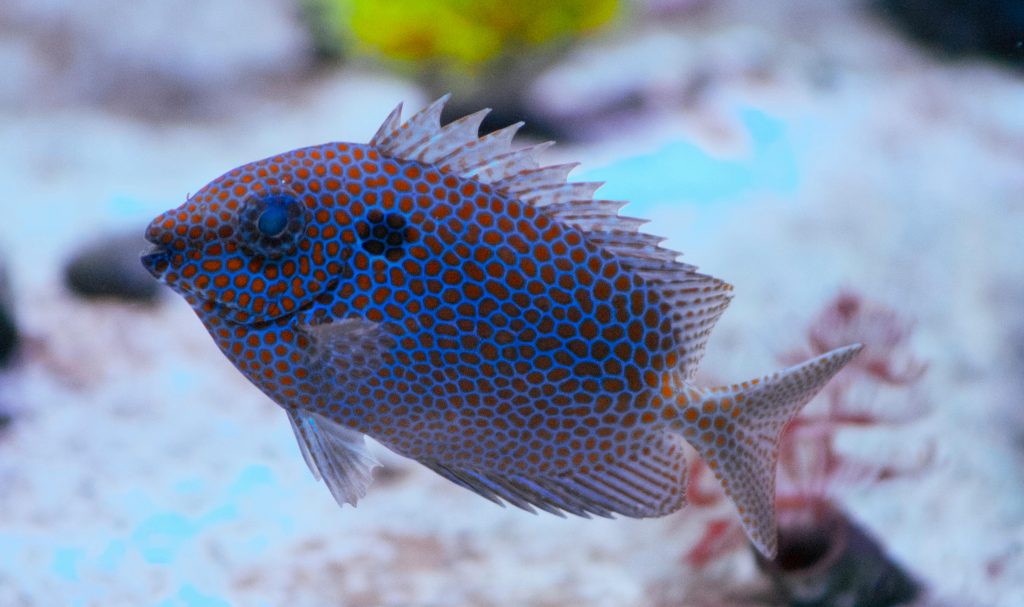
Gold Spotted Rabbitfish (Siganus Punctatus)
Gold Spotted Rabbitfish care includes large tanks, heavy algae feeding, and caution with corals. Learn tank size, diet,…
 By
By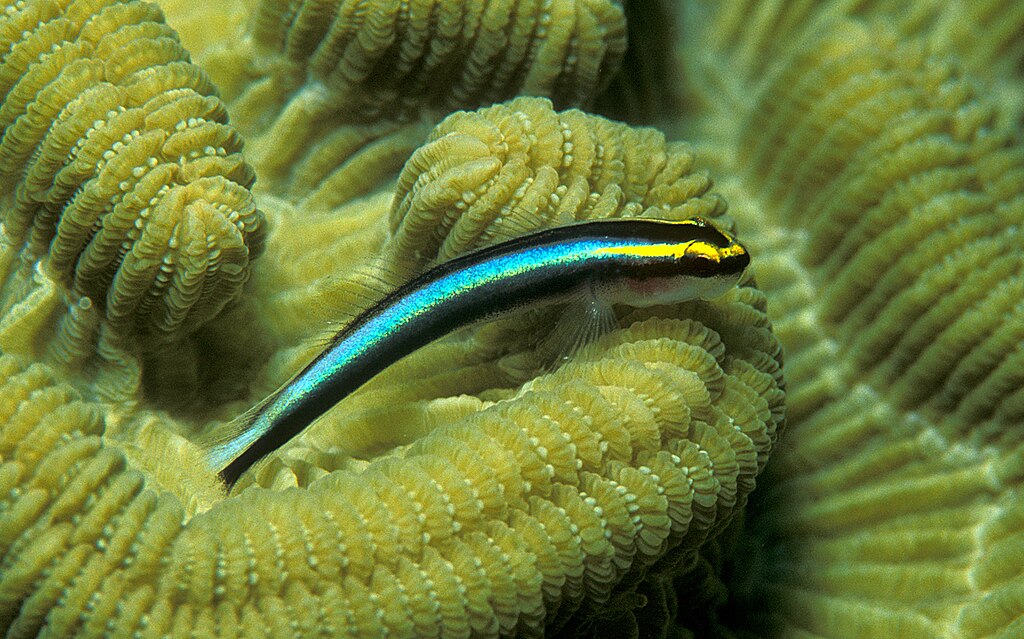
Sharknose Goby (Elacatinus evelynae)
Sharknose Goby care is simple in stable reef tanks. Learn feeding, tank setup, compatibility, and common problems for…
[favorite_button]
My Bookmarks:
To see full list click here
[user_favorites user_id="" include_links="true" site_id="" post_types="" include_thumbnails="true" thumbnail_size="thumbnail" include_excerpt="false"]