

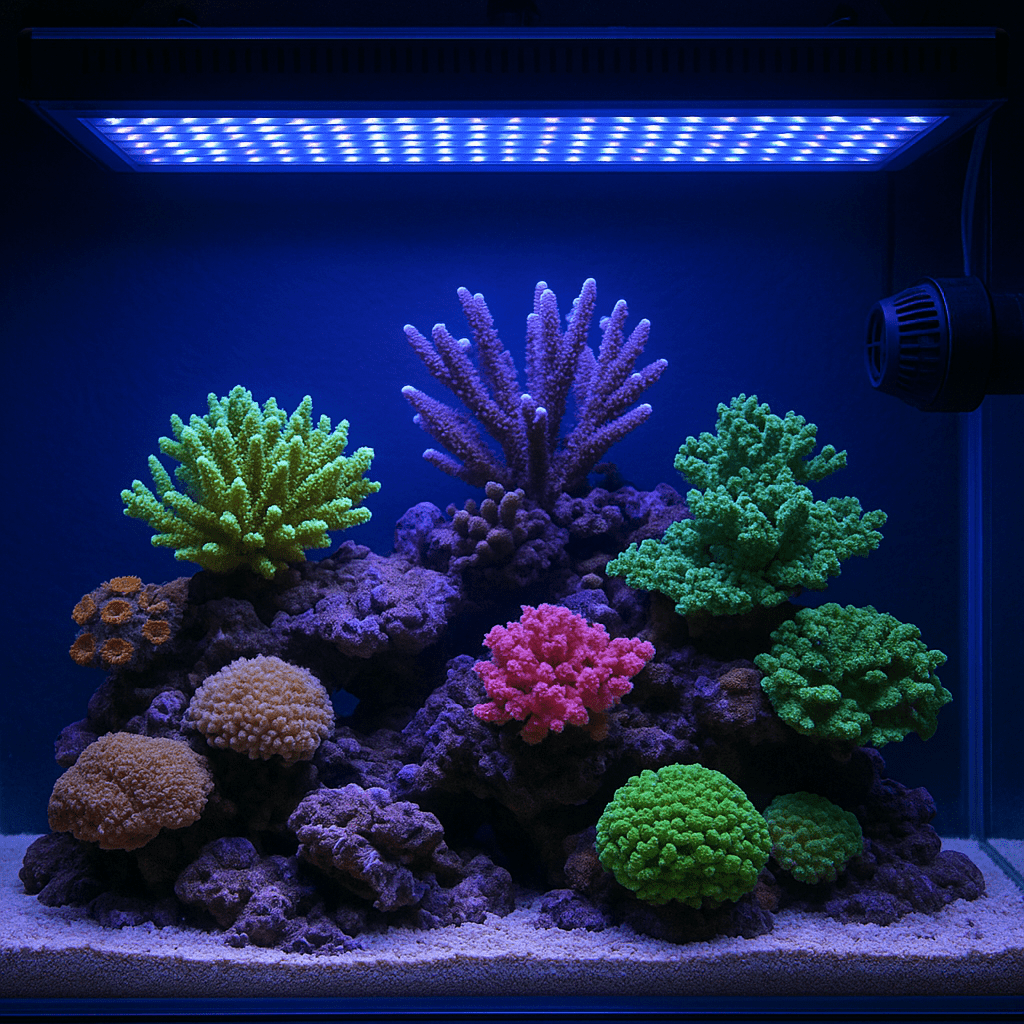
Choosing the best substrate for a reef tank depends on your goals. Sand looks natural and supports many animals. Bare bottom tanks are easier to clean. Crushed coral is less common today. Most reef keepers do best with fine aragonite sand in a shallow bed.
Substrate affects more than appearance. It changes flow patterns, detritus buildup, buffering, and livestock choices. A wrasse needs sand. A high-flow SPS system may not. In this guide, you will learn the pros and cons of each reef tank substrate, how deep to make the bed, and how to avoid common mistakes that lead to dirty sand, algae, and nutrient issues.
Quick Reference Table
| Substrate Type | Best For | Main Benefits | Main Drawbacks | Recommended Depth |
|---|---|---|---|---|
| Fine aragonite sand | Mixed reefs, beginner tanks | Natural look, supports sand sifters, gentle on burrowers | Can blow around in strong flow | 1 to 2 inches |
| Special grade aragonite | Higher flow reefs | More stable than fine sand, still natural looking | Less ideal for delicate burrowers | 1 to 2 inches |
| Deep sand bed | Specific nutrient strategies | Can support denitrification zones | Harder to maintain long term | 4 to 6 inches |
| Crushed coral | Fish-only or niche systems | Heavy particles resist shifting | Traps detritus easily | 1 to 2 inches |
| Bare bottom | SPS tanks, high flow systems | Easy detritus removal, strong flow possible | Less natural look, limits sand animals | None |
Why Substrate Matters in a Reef Tank
Many beginners see substrate as decoration. It does much more than that. The material on your tank bottom influences biology, maintenance, and livestock behavior. It also affects how your reef looks in photos and in person.
Aragonite sand is the most popular choice for good reason. It looks bright and tropical. It gives gobies, wrasses, snails, and sea cucumbers a place to live and feed. Fine sand also creates a softer, more natural aquascape. Many hobbyists prefer that over exposed glass or PVC.
Substrate also changes how waste moves through the tank. Fine particles can suspend in strong flow. Coarse particles trap uneaten food. A bare bottom leaves waste exposed, which makes siphoning easier. There is no single best option for every reef. The right choice depends on coral type, fish selection, flow rate, and how much maintenance you want to do each week.
Fine Aragonite Sand: The Best All-Around Choice
If you want one recommendation for most reef tanks, choose fine aragonite sand. It works well in beginner systems and mixed reefs. It suits clownfish tanks, LPS reefs, and many soft coral setups. It also supports a wide range of invertebrates.
Aragonite is calcium carbonate based. It matches natural reef sand closely. It may offer minor buffering support, though hobbyists should not rely on it to maintain alkalinity. Its real value is biological and practical. Bacteria colonize the grains. Sand-dwelling animals can sift, bury, and forage naturally.
Use a shallow bed in most tanks. One to two inches is usually ideal. That depth gives a natural look without creating a difficult-to-clean detritus trap. Very fine sugar-sized sand looks beautiful, but it can shift under powerful pumps. If you run strong gyres or large wavemakers, consider a slightly heavier sand grade instead.
For many hobbyists, this is the best balance of appearance, function, and livestock compatibility.
Special Grade Sand for Higher Flow Reefs
Some reef tanks need stronger water movement. SPS corals, especially Acropora, thrive in heavy, chaotic flow. In these systems, ultra-fine sand can create constant sandstorms. That frustrates hobbyists and can irritate corals near the bottom.
Special grade aragonite solves that problem. The grains are larger and heavier. They stay in place better under strong flow. You still get the visual appeal of a sand-bottom reef. You also keep compatibility with many sand-friendly fish and invertebrates.
There is a tradeoff. Very delicate burrowers often prefer finer sand. Some wrasses bury more comfortably in smaller grains. Sand-sifting gobies may also process fine sand more efficiently. Still, special grade sand remains a smart compromise for mixed reefs that lean toward SPS. If you want a clean look without constant drifting, this option deserves serious consideration.
Deep Sand Beds: Useful but Less Common Today
Deep sand beds were once very popular. The idea was simple. A bed of four to six inches could create low-oxygen zones. Those zones might support bacteria that convert nitrate into nitrogen gas. In theory, this helps with natural nutrient control.
Deep sand beds can work. However, they require planning and patience. They are not ideal for every reefer. Over time, they can trap waste if flow and clean-up crews are poor. Disturbing an old deep bed can release built-up organics into the water. That risk makes many modern hobbyists cautious.
For most beginner and intermediate tanks, a shallow sand bed is safer and simpler. If you want denitrification, live rock, refugiums, and modern filtration often provide more predictable results. A deep sand bed still has a place in certain natural-style systems, but it is no longer the default recommendation for a reef display.
Crushed Coral: Why It Fell Out of Favor
Crushed coral used to be common in marine aquariums. It is heavy, bright, and resistant to blowing around. That sounds useful, but it has a major weakness. It traps detritus very easily.
The larger gaps between pieces collect fish waste, uneaten food, and debris. If you do not vacuum it often, nutrients rise. That can lead to nuisance algae and poor water quality. Many reef keepers eventually replace crushed coral after dealing with chronic nitrate and phosphate issues.
It can still work in some fish-only systems where regular siphoning is part of the routine. It may also suit tanks with lower flow and less delicate livestock. For reef tanks, though, it is rarely the best substrate choice today. Fine or medium aragonite usually gives better results with less long-term frustration.
Bare Bottom Reef Tanks: Clean, Simple, and Effective
A bare bottom reef tank has no substrate at all. The glass, acrylic, or bottom plate stays exposed. This style is popular with some SPS keepers and coral farmers. It allows very strong flow and easy detritus export.
Waste cannot hide in the sand because there is no sand. That makes siphoning simple. You can direct flow to keep debris suspended until filtration removes it. This approach often appeals to reefers who want maximum control over nutrients and maintenance.
The downside is aesthetics and livestock limitation. Many hobbyists prefer the natural look of sand. Some fish, such as leopard wrasses and certain gobies, should not be kept without it. A bare bottom can also reflect light differently and make the tank feel more sterile. If your priority is coral growth and easy cleaning, bare bottom is excellent. If your priority is a natural reef scene, sand usually wins.
How to Choose the Best Substrate for Your Reef Tank
Start with your livestock list. This is the most important step. Sand-sleeping wrasses need sand. Diamond gobies need sand. Nassarius snails and many burrowing invertebrates also need it. If you plan to keep these animals, bare bottom is a poor fit.
Next, think about flow. High-energy SPS tanks often do better with special grade sand or no substrate. Lower flow mixed reefs can use finer sand without constant shifting. Then consider maintenance style. If you want easy siphoning and visible waste removal, bare bottom has advantages. If you want natural microfauna habitat, sand is better.
Finally, think long term. Avoid choosing a substrate only because it looks good on day one. Ask how it will behave after a year of feeding, coral growth, and fish waste. In most cases, a shallow bed of quality aragonite offers the best balance for a display reef.
Step-by-Step: Adding Substrate the Right Way
First, decide on grain size and depth before buying. Most tanks need less sand than beginners expect. A one to two inch bed is enough for many systems. Buying too much creates extra cost and more places for waste to settle.
Second, rinse dry sand well unless the product says otherwise. Place small amounts in a bucket. Run clean water through it until the cloudiness drops. This reduces the initial dust storm. Some live wet sands are designed to be added without rinsing. Follow the label.
Third, add the sand before turning on strong pumps. Pour it in slowly using a cup or scoop. You can place a bowl or plastic bag on the bottom and pour onto that. This prevents major clouding. Once the sand settles, start filtration and flow gradually.
Finally, monitor for dead spots and drifting. Adjust pump angles if bare areas form. Good setup on day one prevents many substrate problems later.
Common Problems
Why is my reef tank sand turning brown?
Brown sand often comes from diatoms in newer tanks. It can also come from trapped detritus. Test silicate sources if the issue persists. Use RO/DI water, avoid overfeeding, and increase flow across the substrate. A healthy clean-up crew helps, but it will not solve poor husbandry alone.
Why does my sand keep blowing around?
This usually means the grain size is too fine for your flow. Redirect pumps upward or toward the glass. Reduce direct blasts across the bottom. If the problem continues, switch to a heavier sand grade. Many hobbyists solve this by mixing in special grade aragonite.
Is dirty sand causing high nitrates?
It can contribute. Sand traps organics when flow is weak or feeding is heavy. Siphon small sections during water changes. Do not stir the whole bed at once. Improve export with skimming, filter maintenance, and sensible feeding. Also check rockwork for hidden detritus zones.
Should I replace old reef tank sand?
Sometimes, yes. Old sand can become compacted and nutrient laden. Replace it gradually, not all at once. Sudden full replacement can destabilize the tank. Swap small sections over weeks if needed. Always match salinity and temperature during major maintenance.
Frequently Asked Questions
What is the best substrate for a beginner reef tank?
A shallow bed of fine aragonite sand is usually best. It looks natural and supports many common reef animals.
How much sand should I put in a reef tank?
Most reef tanks do well with one to two inches. That depth is easy to manage and still looks natural.
Is bare bottom better than sand?
Neither is always better. Bare bottom is easier to clean. Sand is better for natural behavior and appearance.
Does aragonite sand raise alkalinity?
Only very slightly in normal reef conditions. Do not rely on sand to maintain alkalinity. Use proper supplementation instead.
Can I mix different substrate types?
Yes, but keep the mix practical. Similar aragonite grades work best. Very different sizes can separate over time.
Final Thoughts
The best substrate choices for a reef tank depend on your animals, flow, and maintenance style. For most hobbyists, shallow aragonite sand is the clear winner. It looks great, supports useful biodiversity, and fits many reef setups. Bare bottom works well for high-flow coral systems. Crushed coral is usually the weakest option for modern reefs.
If you are still planning your system, read our guides on reef tank setup checklist, reef tank water parameters, best clean up crew for reef tank, and reef tank flow guide. Those articles will help you build a cleaner, healthier reef from the start.
Was this helpful?
Related Posts
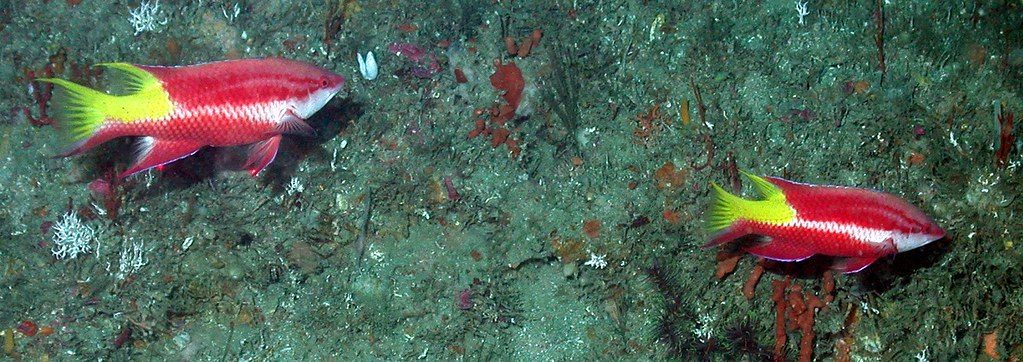
Cuban Hogfish (bodianus Pulchellus)
Cuban Hogfish care is straightforward in larger reef tanks. Learn tank size, diet, compatibility, and reef safety before…
 By
ByWhat to Do During a Power Outage
A reef tank power outage demands fast action. Protect oxygen, temperature, and circulation first to keep fish and…
 By
By[favorite_button]
My Bookmarks:
To see full list click here
[user_favorites user_id="" include_links="true" site_id="" post_types="" include_thumbnails="true" thumbnail_size="thumbnail" include_excerpt="false"]