

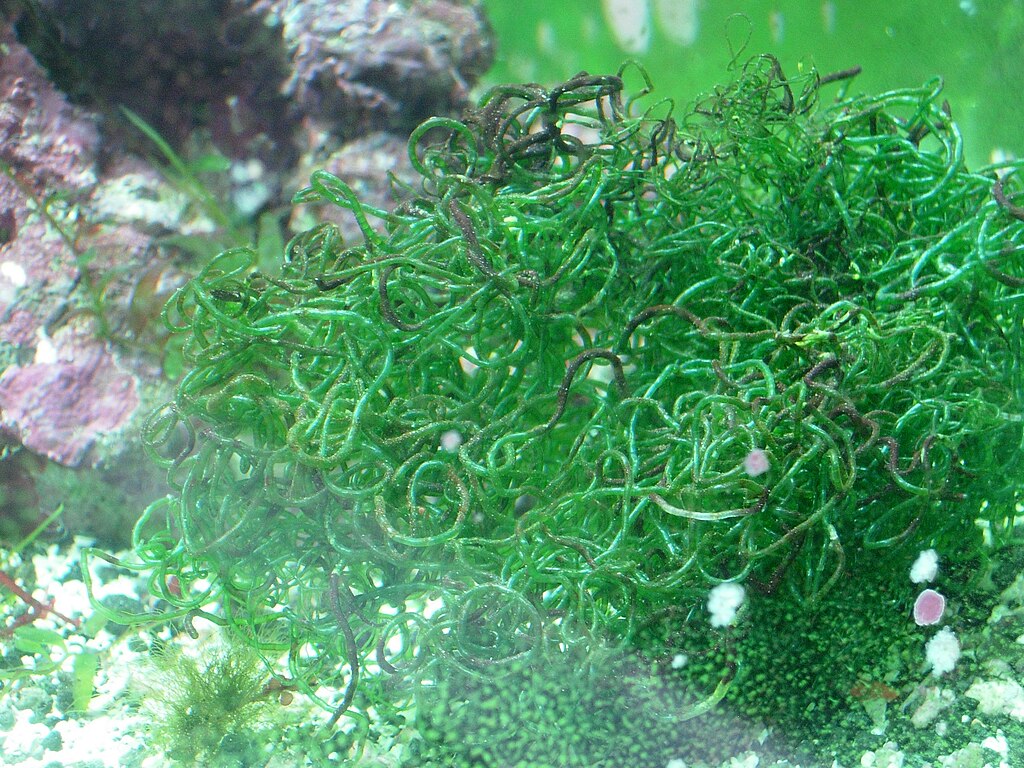
Chaeto refugium macroalgae is one of the safest and most effective nutrient export tools in reef keeping. It helps reduce nitrate and phosphate, supports pod growth, and adds stability to marine systems. When it is lit well and tumbled with steady flow, chaeto can become a simple, reliable part of long-term reef maintenance.
Many reef hobbyists start a refugium after fighting algae, rising nutrients, or unstable water quality. Chaetomorpha, usually called chaeto, is often the first macroalgae they try. It is popular for good reason. It does not attach to rocks, it rarely goes sexual, and it is easy to harvest. In this guide, you will learn how a chaeto refugium works, how to set one up, what lighting and flow it needs, and how to fix common problems when growth stalls or the algae begins to decline.
Quick Reference Table
| Common name | Chaeto, Chaetomorpha |
| Type | Filamentous macroalgae |
| Primary use | Nutrient export and pod habitat |
| Best placement | Refugium or sump chamber |
| Lighting | Moderate to high, refugium spectrum preferred |
| Water flow | Moderate, enough to keep it gently tumbling |
| Ideal nitrate | Low but measurable, often 2 to 15 ppm |
| Ideal phosphate | Low but measurable, often 0.03 to 0.10 ppm |
| Supplements often needed | Iron, trace elements, sometimes nitrate or phosphate |
| Difficulty | Easy to moderate |
Use this table as a starting point. Exact needs vary by system, stocking level, and export methods already in use.
What Is Chaeto Refugium Macroalgae?
Chaeto is a green macroalgae in the genus Chaetomorpha. In reef aquariums, it is usually kept in a sump refugium. The refugium is a protected area with light, water flow, and room for algae to grow. As chaeto grows, it absorbs nitrate and phosphate from the water. When you remove part of the mass, you physically export those nutrients from the system.
Chaeto also provides shelter for copepods, amphipods, and other small life. These organisms help process waste and can feed fish and corals. This makes a refugium more than a nutrient filter. It becomes a small ecosystem. Many hobbyists use chaeto to balance feeding, improve stability, and reduce nuisance algae in the display. It is not a miracle cure, though. Success depends on proper lighting, enough available nutrients, and steady flow through the refugium chamber.
Natural Habitat
Chaetomorpha species occur in marine and brackish environments around the world. They are often found in shallow coastal areas, lagoons, tidal zones, and protected marine habitats. In nature, they grow where light is available and nutrients move through the water. They may form loose mats or tangled masses among rocks, seagrass, and other algae.
This natural growth pattern explains why chaeto performs best in a refugium with open structure and moving water. It is not a rooted macroalgae. It does not need sand or rock to attach. Instead, it benefits from enough circulation to keep detritus from building up inside the mass. In the wild, changing tides and water movement constantly deliver fresh nutrients and oxygen. In the aquarium, your return flow and refugium pump must provide that same exchange. Strong light also matters because chaeto is a fast-growing photosynthetic algae when conditions are right.
Benefits of a Chaeto Refugium
The biggest benefit is nutrient export. Chaeto uses nitrate and phosphate as it grows. This can help lower excess nutrients over time. It can also smooth out swings caused by heavy feeding or a growing fish population. Many reef keepers prefer this natural method because it is gentle and easy to control through harvesting.
A chaeto refugium can also improve biodiversity. Pods thrive inside the tangled strands. These tiny animals support the food web in the tank. Mandarin dragonets, wrasses, and some corals benefit from this extra live food source. Another advantage is pH support. If you run the refugium light on a reverse schedule, chaeto photosynthesizes at night while the display is dark. This can reduce nighttime pH drops. Finally, chaeto is safer than many other macroalgae. It does not usually release spores in a crash event like caulerpa can. That lower risk makes it popular with both beginners and experienced reef keepers.
Aquarium Setup
A chaeto refugium works best in a sump chamber, all-in-one rear compartment, or a dedicated external refugium. The chamber does not need to be huge, but more space gives better results. Even a small section can help in nano reefs. Medium and large tanks often benefit from a larger refugium volume. Aim for a clean area with stable water level and enough room for the algae to expand.
Keep the chaeto off pump intakes and away from roller mats or drains that can shred it. A basket, egg crate divider, or refugium chamber wall helps contain growth. Bare bottom is usually easiest because detritus is simple to siphon out. Add chaeto loosely. Do not pack it tightly. Dense clumps trap waste and block light from reaching the center. If possible, choose a chamber where flow enters evenly and exits without dead spots. This setup keeps the algae cleaner and improves growth. For more filtration planning, see protein skimmer setup guide, reef sump design basics, and reef tank nutrient control.
Lighting Requirements
Lighting is the main reason chaeto succeeds or fails. Standard room light is not enough. Most refugiums need a dedicated grow light with a spectrum that supports macroalgae growth. Red and blue-heavy horticultural lights often work well. Many hobbyists also use purpose-built refugium LEDs. Moderate to high intensity is usually best, especially in deeper chambers.
Start with an 8 to 12 hour photoperiod. Many reef keepers run chaeto on a reverse cycle. That means the refugium light turns on when the display lights turn off. This helps support pH overnight. If growth is weak, increase intensity before greatly extending the photoperiod. Very long light cycles can work, but they may stress the algae if nutrients are already low. Watch the color and texture. Healthy chaeto is usually bright to deep green and springy. Pale, brittle, or thinning strands often signal weak light, low nutrients, or a trace element shortage. For more on reef lighting strategy, read reef tank lighting schedule.
Water Flow
Chaeto needs steady water movement. Moderate flow is ideal in most systems. The goal is gentle tumbling or at least enough circulation to move water through the mass. This keeps detritus from settling and brings nutrients and carbon dioxide to the algae surface. Without enough flow, the outer layer may grow while the center collects waste and dies back.
You do not need a violent spinning ball. In fact, too much direct flow can break the algae apart or push it into baffles and pumps. Aim for broad, even movement. If the chamber has dead spots, use a small internal pump or adjust the return path. Check the chaeto weekly. Lift it and look for trapped mulm, brown slime, or compacted areas. Rinse it gently in removed tank water if needed. Cleaner chaeto grows better. Good flow also supports pods and keeps oxygen levels up in the refugium. Think of flow as part of the feeding system for the algae, not just a way to make it move.
Feeding and Nutrient Needs
Chaeto does not eat prepared foods, but it does need available nutrients to grow. This is where many hobbyists get confused. They add chaeto to a tank with zero nitrate and near-zero phosphate, then wonder why it melts. Macroalgae cannot thrive without fuel. Healthy growth usually requires low but measurable nitrate and phosphate. If one is bottomed out, growth often stalls.
Trace elements matter too. Iron is especially important for green macroalgae. In systems with heavy export, iron can become depleted. If chaeto turns pale yellow or stops growing despite good light and measurable nutrients, iron may be low. Dose carefully and test when possible. Avoid chasing numbers blindly. Feed your fish normally and monitor the trend. In ultra-low nutrient systems, some reef keepers even dose nitrate or phosphate to keep chaeto alive. The goal is balance. You want the refugium to compete with nuisance algae, not starve itself. Stable alkalinity, salinity, and temperature also support strong growth because the whole system remains less stressful.
Compatibility
Chaeto is very reef safe when kept in a refugium. It does not sting corals. It does not usually attach to rockwork. It also does not commonly release invasive runners into the display. That makes it one of the easiest macroalgae to manage. Most reef fish and invertebrates ignore it if they cannot access the refugium chamber.
If chaeto is placed in the display, some herbivores may graze on it. Tangs, rabbitfish, and some crabs can pick at loose strands. This is not harmful, but it limits growth. In a refugium, the biggest compatibility issue is mechanical. Keep it away from pumps, drains, and filter rollers. Another issue is competition with other export methods. A strong skimmer, aggressive carbon dosing, large water changes, and phosphate media can strip nutrients too far. Then the chaeto weakens. Compatibility is really about system balance. If your reef uses many export tools at once, adjust them together. For livestock planning, see clean up crew for reef tank and best reef safe fish for beginners.
Step-by-Step: How to Set Up a Chaeto Refugium
- Choose a refugium chamber with stable water flow and enough room for growth.
- Install a dedicated refugium light. Mount it close enough for good intensity.
- Add a loose, healthy portion of pest-free chaeto.
- Provide moderate flow. Aim for gentle movement through the mass.
- Run the light 8 to 12 hours daily. Reverse cycle is a good starting point.
- Test nitrate and phosphate weekly. Keep both low but measurable.
- Inspect for detritus buildup. Rinse chaeto gently in removed tank water if needed.
- Harvest regularly once growth starts. Remove about one-third at a time.
- Watch pH, nutrient trends, and algae color. Adjust light or flow slowly.
- Dose iron or trace elements only if signs and testing support it.
This simple routine prevents most problems. Small adjustments work better than constant major changes.
Propagation and Harvesting
Chaeto is very easy to propagate. In practice, propagation is just harvesting and dividing the mass. As the algae grows, pull out a portion and discard it, trade it, or share it with another hobbyist. This removal is the actual nutrient export step. If you never harvest, the algae becomes overcrowded and less effective.
How to Harvest Chaeto
Turn off nearby pumps if needed. Lift the chaeto and inspect it. Remove dark, compacted, or debris-filled sections first. Keep the healthiest green portion. Harvest roughly 25 to 40 percent when the mass doubles in size. This leaves enough algae behind to keep growing without becoming too dense.
How to Share or Start a New Ball
Take a clean, pest-free handful and place it in another established refugium. Good light and measurable nutrients are still required. New chaeto often pauses before it starts growing. That short adjustment period is normal.
Common Problems
Chaeto Not Growing
The most common causes are weak light, low flow, or zero nutrients. Check nitrate and phosphate first. If both are unreadable, the chaeto may be starving. Next, review your light intensity and placement. Refugium lights lose power with distance and splash guards. Move the light closer if safe.
Chaeto Turning White or Pale
Pale chaeto often points to nutrient deficiency or trace element shortage. Iron is a common issue. It can also happen after sudden light increases. Restore balance slowly. Confirm nutrients are present, then consider cautious trace dosing if needed.
Chaeto Collecting Detritus
This usually means flow is too low or the mass is too dense. Thin it out and improve circulation. Siphon the refugium bottom during maintenance. Dirty chaeto becomes less efficient and may decay from the inside.
Nuisance Algae in the Refugium
Hair algae and slime can outcompete chaeto under poor conditions. Improve flow, clean the chamber, and correct nutrient imbalance. Healthy chaeto should be the dominant algae in the refugium. If not, something is off in the environment.
Frequently Asked Questions
How long does chaeto take to start growing?
In a stable tank, growth often starts within one to three weeks. Some systems take longer. New chaeto may need time to adapt.
Can chaeto remove all nitrate and phosphate?
It can lower them a lot in some systems. It rarely replaces all export methods by itself. Heavy bioload tanks may still need skimming, water changes, or media.
Should chaeto tumble?
Gentle tumbling is helpful but not required. The key is even flow through the algae mass. Dead spots are the real problem.
Do I need to dose iron for chaeto?
Not always. Many tanks provide enough through feeding and water changes. Dose only when signs and testing suggest a deficiency.
Is chaeto better than caulerpa?
For most reef keepers, yes. Chaeto is easier to manage and has lower risk. Caulerpa can grow fast, but it can also become invasive or unstable.
A well-run chaeto refugium is simple, effective, and forgiving. Give it strong light, steady flow, and enough nutrients to grow. Harvest it often and keep the chamber clean. Done right, chaeto becomes a quiet workhorse that supports water quality, biodiversity, and reef stability for years.
Was this helpful?
Related Posts
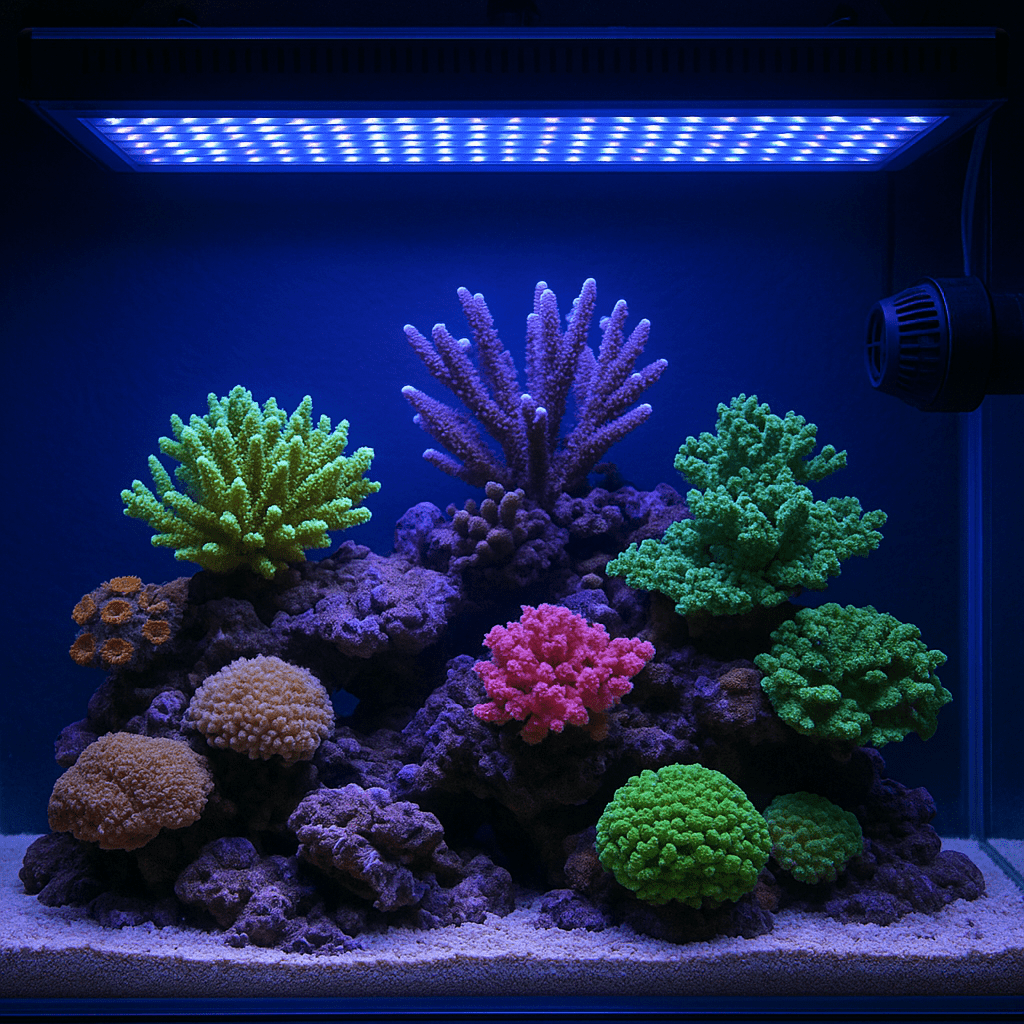
Best Filtration Systems
Best Filtration Systems for a Healthy Saltwater Aquarium Choosing the best filtration system for your saltwater aquarium is…
 By
By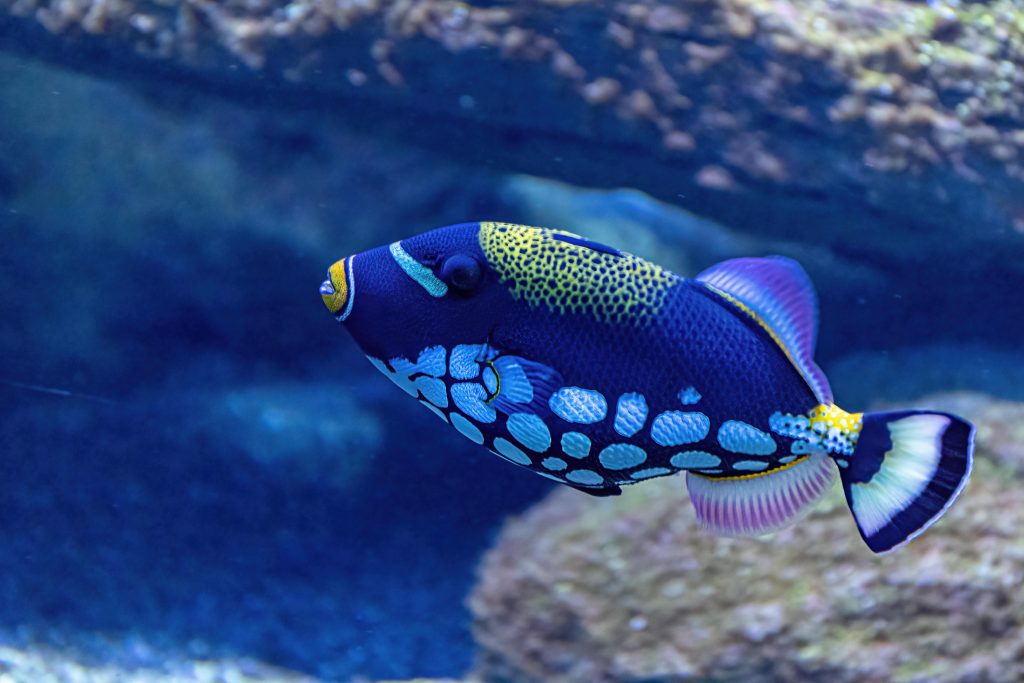
Clown Triggerfish (Balistoides Conspicillum)
Clown triggerfish are stunning but aggressive marine fish that need very large tanks, strong filtration, and careful tankmate…
[favorite_button]
My Bookmarks:
To see full list click here
[user_favorites user_id="" include_links="true" site_id="" post_types="" include_thumbnails="true" thumbnail_size="thumbnail" include_excerpt="false"]