Soft corals are often the best first corals for a new reef tank. They tolerate minor swings better than many stony corals. They also grow well under moderate equipment. In this guide, you will learn which beginner soft corals are easiest to keep, how to place them, and how to avoid common mistakes.
Many reef keepers start with soft corals because they are hardy, colorful, and forgiving. They usually need less intense lighting than SPS corals. Many also accept a wider range of flow. That makes them ideal for young tanks and hobbyists still learning reef chemistry. Still, not every soft coral is equally easy. Some spread too fast. Others can irritate nearby corals. Choosing the right species early can save frustration later. Below, I will cover the best soft corals for beginners, their care needs, and practical tips that help them thrive in a mixed reef.
Quick Reference Table
| Coral | Difficulty | Light | Flow | Growth Rate | Notes |
|---|---|---|---|---|---|
| Mushroom Corals | Easy | Low to moderate | Low to moderate | Moderate | Great for lower rockwork |
| Zoanthids | Easy | Moderate | Low to moderate | Fast | Wear gloves when handling |
| Green Star Polyps | Easy | Moderate | Moderate to high | Very fast | Best on isolated rock islands |
| Leather Corals | Easy | Moderate | Moderate | Moderate | Good movement and beginner friendly |
| Xenia | Easy to moderate | Moderate | Low to moderate | Very fast | Can become invasive |
This table gives a quick snapshot. It does not replace careful placement. Every tank is different. Light intensity, nutrient levels, and flow patterns vary a lot. Always start new corals low in the tank. Then move them slowly if needed.
What Makes a Soft Coral Beginner Friendly?
The best beginner corals share a few traits. First, they tolerate small mistakes. That matters in new tanks. Salinity can drift. Alkalinity can swing. Nutrients may rise and fall. Hardy soft corals usually handle these changes better than delicate species.
Second, they do not demand extreme lighting. Many beginners use simple LED fixtures. Soft corals often thrive under moderate PAR. Third, they do not need heavy feeding. Most rely on light and dissolved nutrients. Some benefit from occasional coral foods, but frequent target feeding is not required.
Finally, beginner soft corals show clear behavior. They open when happy. They shrink when stressed. That makes them useful indicator corals. If your mushrooms stay closed or your leather stays retracted, something is wrong. You can then check salinity, temperature, alkalinity, and flow before bigger problems develop.
Best Soft Corals for Beginners
1. Mushroom Corals
Mushroom corals are among the easiest reef corals available. They come in many colors and textures. Common types include Discosoma, Rhodactis, and Ricordea. Most prefer lower light than many other corals. Too much light can cause shrinking or bleaching.
Mushrooms do best in low to moderate flow. Strong direct flow can keep them from fully expanding. Place them on lower rockwork or shaded sections first. They often multiply on their own over time. That makes them rewarding for new hobbyists.
They are excellent for tanks that are still maturing. They also tolerate slightly elevated nutrients better than many stony corals. The main caution is aggression. Some larger mushrooms can sting nearby corals. Give them space. If they start spreading too quickly, isolate them on their own rock.
2. Zoanthids
Zoanthids are popular because they offer huge color variety. They can form bright colonies with little effort. Most beginner varieties are hardy and adaptable. They usually prefer moderate light and low to moderate flow.
Zoanthids open best when parameters stay stable. Sudden alkalinity changes can irritate them. So can pests like nudibranchs and sundial snails. Inspect new frags carefully before adding them. A coral dip helps reduce risk.
There is one major safety warning. Some zoanthids may contain palytoxin. Always wear gloves and eye protection when fragging or scrubbing them. Never boil rocks with zoanthids attached. In the tank, they are usually easy to grow. Just keep them away from aggressive neighbors and watch for overgrowth.
3. Green Star Polyps
Green star polyps, often called GSP, are famous for bright green movement. Their waving polyps add life to almost any reef. They are very hardy. They also grow fast. That speed is both their strength and their biggest drawback.
GSP likes moderate light and moderate to strong flow. Good flow helps keep the mat clean. It also encourages full extension. They are excellent for covering a back wall or isolated rock island. They are less ideal on your main aquascape.
If placed on the main reef structure, GSP can spread over neighboring corals. It can become difficult to remove later. For beginners, the best strategy is simple. Put GSP on a separate rock with a gap around it. That gives you control while still enjoying its movement.
4. Leather Corals
Leather corals are classic beginner soft corals. Toadstool leathers, finger leathers, and Kenya tree corals are common choices. They are durable and attractive. Many develop strong polyp extension and a natural swaying motion.
Most leather corals prefer moderate light and moderate, indirect flow. They need enough movement to shed mucus and debris. New hobbyists often worry when a leather closes for several days. In many cases, this is normal. Leathers periodically shed a waxy film. After shedding, they usually reopen larger than before.
Leathers can release chemical compounds into the water. This is called allelopathy. In mixed reefs, run activated carbon and perform regular water changes. That helps reduce chemical warfare. Despite this trait, leather corals remain one of the best first coral groups for beginners.
5. Xenia
Xenia is famous for its pulsing motion. Healthy colonies rhythmically open and close their polyps. That movement can be mesmerizing. Xenia often thrives in tanks with moderate nutrients. Ultra-clean systems can make it struggle.
It prefers moderate light and lower to moderate flow. Too much direct flow can reduce pulsing. Xenia grows very fast in the right conditions. That makes it fun for beginners who want visible growth. It also means it can spread beyond its intended spot.
For that reason, treat Xenia like GSP. Place it on its own rock island if possible. If nutrients rise and the colony takes off, pruning becomes much easier. It is a great coral for learning growth control and placement strategy.
Natural Habitat
Soft corals occur across tropical reef systems. Many come from the Indo-Pacific. You will find them in lagoons, reef slopes, rubble zones, and protected back reefs. These habitats often have variable flow and light. That helps explain why many soft corals adapt well in aquariums.
Mushrooms often live in shaded crevices or lower light areas. Zoanthids can colonize hard surfaces in shallow water. Leather corals occur in zones with steady water movement. Xenia often grows in nutrient-rich areas with good dissolved organics. Green star polyps can spread across rock faces and rubble.
Understanding habitat helps with placement. Corals from calmer, dimmer areas should not go directly under intense light. Corals from higher flow zones should not sit in stagnant corners. Matching natural conditions usually improves polyp extension and growth.
Aquarium Setup
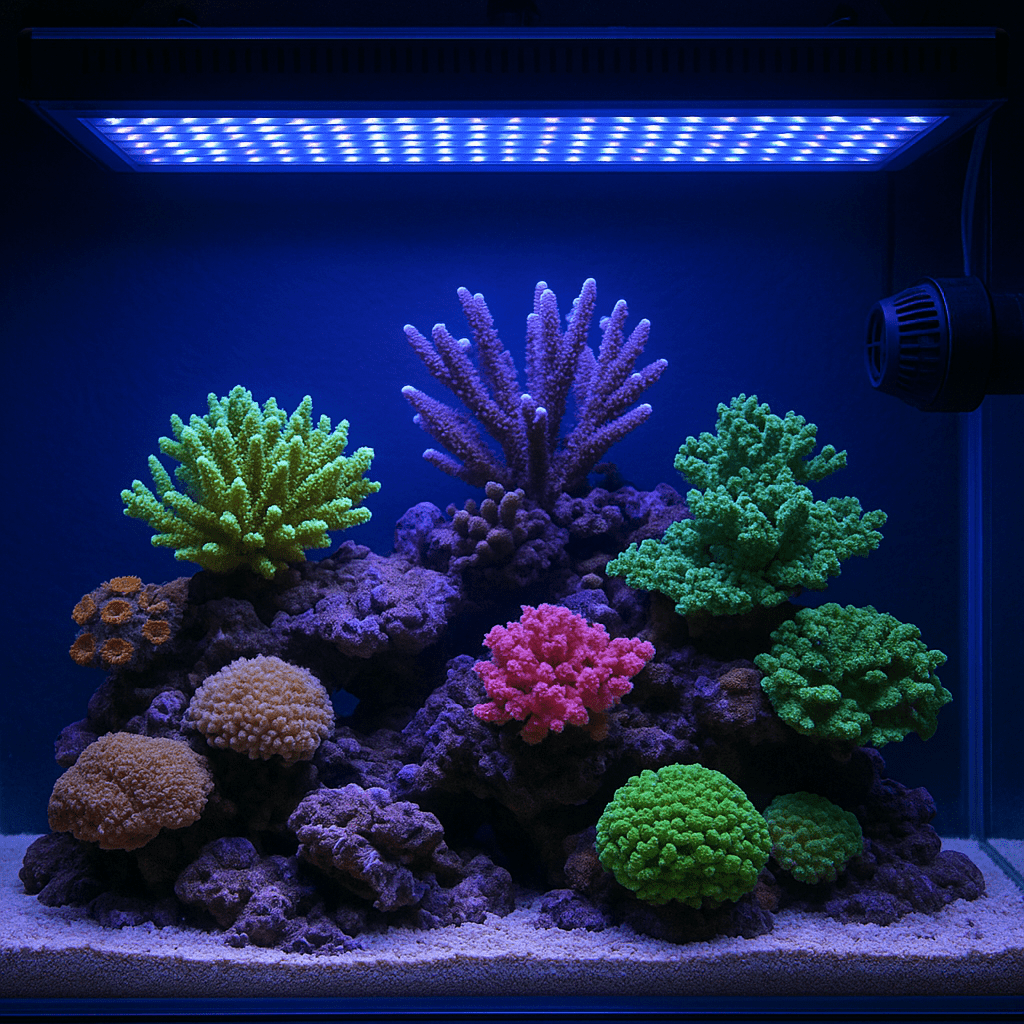
A beginner soft coral tank does not need to be huge. A stable 20 to 40 gallon reef can work well. Larger tanks are even easier because they resist sudden swings. Stability matters more than size alone. Use quality live rock or well-seeded dry rock. Leave room between coral colonies for future growth.
Aquascaping should include both open and sheltered areas. This gives you placement options. Put invasive corals like GSP and Xenia on isolated rocks. Keep leathers where they can expand without touching neighbors. Place mushrooms lower at first. Move them only if they stretch too much.
Maintain salinity around 1.025, temperature around 76 to 78 degrees Fahrenheit, and stable alkalinity. Nitrate and phosphate should not be zero. Soft corals often appreciate some nutrients. A protein skimmer helps, but avoid stripping the water too aggressively in a soft coral system.
Lighting Requirements
Most beginner soft corals prefer low to moderate light. That usually means roughly 50 to 150 PAR, depending on species. Mushrooms often prefer the lower end. Zoanthids, leathers, and GSP usually handle moderate levels well. Xenia also does well under moderate light.
The biggest mistake is changing light too quickly. A new frag from a dim dealer tank can bleach under strong LEDs. Start low. Then acclimate slowly over one to two weeks. Use your coral’s behavior as a guide. Stretching can mean too little light. Bleaching or shrinking can mean too much.
Blue-heavy reef lighting often brings out better fluorescence. That said, growth still depends on overall intensity and stability. Keep a consistent schedule. Eight to ten hours of main lighting works well for many systems.
Water Flow
Soft corals need enough flow to bring oxygen and remove waste. They do not all want the same intensity. Mushrooms prefer gentler movement. GSP and many leathers enjoy more active flow. Zoanthids often like moderate, indirect flow. Xenia usually prefers gentle to moderate current.
Aim for random, indirect movement rather than a harsh stream. If a coral stays tightly closed, check for flow hitting it directly. If debris collects on the colony, increase flow slightly. Leather corals especially benefit from enough movement during shedding periods.
Watch the coral, not just the pump setting. Healthy soft corals should sway or extend naturally. They should not look whipped, folded over, or blasted flat.
Feeding
Most soft corals get much of their energy from light and dissolved nutrients. They do not require heavy target feeding. In fact, overfeeding the tank often creates more problems than benefits. Good fish feeding and normal nutrient levels usually support soft coral growth.
Some hobbyists use powdered coral foods or fine plankton foods once or twice weekly. This can help zoanthids and some leathers. Turn off pumps briefly if you spot feed. Then restart flow after a few minutes. Keep portions small. Excess food can raise phosphate and fuel algae.
If your tank is ultra-low nutrient, soft corals may shrink or stall. In that case, feed fish a little more or reduce aggressive nutrient export. Soft corals often look best in tanks with measurable nitrate and phosphate.
Compatibility
Soft corals are generally reef safe with most common fish and invertebrates. Clownfish, gobies, blennies, and many wrasses are fine. Avoid fish known to nip corals. Some angelfish and butterflyfish may pick at polyps. Large crabs can also irritate colonies.
Coral compatibility needs more planning. Mushrooms can sting neighbors. Leathers may release chemicals. GSP and Xenia can overgrow nearby corals. Zoanthids can carpet rock and crowd slower growers. Give each colony room. Use carbon in mixed reefs. Prune fast growers before they become a problem.
Soft corals can mix well with LPS in many tanks, but spacing matters. Do not pack frags too tightly. A small frag rack often looks harmless at first. Six months later, it can become a warfare zone.
Step-by-Step Guide to Adding Beginner Soft Corals
- Start with a stable tank. Wait until ammonia and nitrite are zero.
- Choose one or two hardy species first. Mushrooms or zoanthids are ideal.
- Dip new frags before adding them. This helps reduce pests.
- Place new corals low in the tank. Avoid intense light at first.
- Observe for one week. Check polyp extension and tissue condition.
- Adjust flow or placement slowly. Make one change at a time.
- Test salinity, alkalinity, nitrate, and phosphate regularly.
- Add more species only after the first corals settle in well.
This slow approach prevents many beginner losses. It also teaches you how your tank behaves. That knowledge matters more than chasing perfect numbers.
Propagation and Fragging
How Mushrooms Are Fragged
Mushrooms can be cut into sections with a clean blade. Each section can regrow into a new mushroom. Keep frags in low flow until they attach. Use gloves during handling.
How Zoanthids Are Fragged
Zoanthids are often cut by separating small sections of the mat. Always wear gloves and eye protection. Rinse tools after use. Mount frags to plugs with reef-safe glue.
How Leathers and Xenia Are Fragged
Leathers and Xenia are usually cut with sharp scissors or a blade. Rubber bands, mesh, or toothpicks can help secure them until they attach. Run carbon after fragging leathers. This reduces chemical irritation in the tank.
Common Problems
Why is my soft coral closed?
Check recent changes first. New light settings, unstable salinity, or direct flow often cause closure. Leather corals may also close during shedding. Test water and avoid making several changes at once.
Why is my soft coral melting?
Melting usually points to stress. Common causes include poor acclimation, pest damage, low oxygen, or severe chemistry swings. Remove decaying tissue if needed. Improve flow and confirm stable salinity and temperature.
Why are my zoanthids not opening?
Inspect for nudibranchs, spiders, and algae around the base. Zoanthids also dislike detritus buildup and sudden alkalinity shifts. A gentle dip and improved indirect flow often help.
Why is Xenia not pulsing?
Xenia may stop pulsing from stress, low nutrients, or excessive flow. Some colonies pulse less under certain conditions but still survive. Focus on overall health, not pulsing alone.
Frequently Asked Questions
What is the easiest soft coral for beginners?
Mushroom corals are often the easiest. They tolerate lower light and minor mistakes well.
Can soft corals live in a new tank?
Yes, but only after the tank is cycled and stable. Start with hardy species and avoid rushing.
Do soft corals need dosing?
Many soft coral tanks need little or no dosing at first. Water changes often cover their needs. Test before adding supplements.
Are soft corals good for nano reefs?
Yes. Many are excellent for nano tanks. Just watch fast growers like GSP and Xenia.
Which beginner soft corals spread the fastest?
Green star polyps and Xenia usually spread the fastest. Isolated rock placement helps control them.
Final Tips for Success
Start simple. Buy healthy frags from a trusted source. Keep your hands out of the tank when possible. Test regularly, but do not chase every small number change. Soft corals reward patience and stability. If you choose wisely, they can turn a basic reef into a colorful, moving display within months.
For more help, see our guides on reef tank parameters, best coral for nano reef, reef tank lighting guide, and how to dip coral frags.
Was this helpful?
Related Posts
What to Do During a Power Outage
A reef tank power outage demands fast action. Protect oxygen, temperature, and circulation first to keep fish and…
 By
By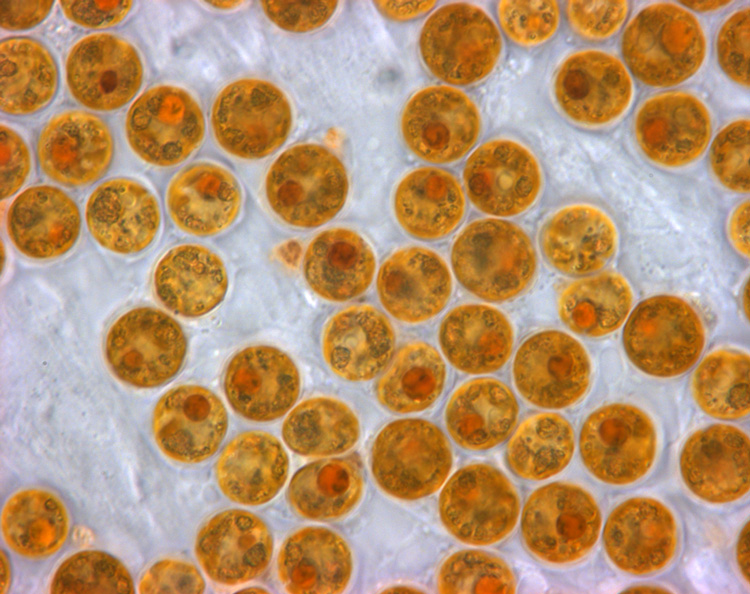
What is Zooxanthellae, and What Role Does it Play in Coral Survival?
Zooxanthellae are symbiotic algae that power coral growth through photosynthesis. They are essential to coral color, health, and…
 By
By