
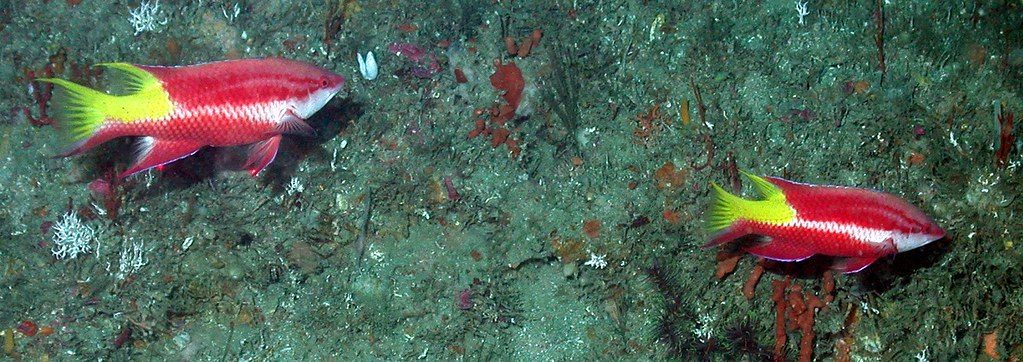
The Cuban Hogfish is a colorful Caribbean wrasse with real personality. It stays smaller than many hogfish species. That makes it more practical for home reefs. It is active, curious, and often visible all day. Most hobbyists keep it for its bright pattern and bold behavior. Success depends on tank size, peaceful tankmates, and stable water quality. This guide covers care, feeding, compatibility, and common problems. It will help you decide if Bodianus pulchellus fits your reef.
The Cuban Hogfish, also called the Spotfin Hogfish, belongs to the wrasse family. It comes from the tropical western Atlantic and Caribbean. In aquariums, it is hardy once settled. It usually adapts well to prepared foods. It also becomes interactive with its keeper. Still, it is not a perfect fish for every reef. It may eat small crustaceans and can bully timid fish in tight spaces. New hobbyists often ask about tank size, feeding, and reef safety. You will learn all of that here, along with practical setup tips and troubleshooting advice.
Quick Reference Care Table
| Common name | Cuban Hogfish |
| Scientific name | Bodianus pulchellus |
| Family | Labridae |
| Care level | Easy to moderate |
| Temperament | Semi-aggressive |
| Adult size | About 8 to 10 inches |
| Minimum tank size | 90 gallons |
| Diet | Carnivore |
| Reef safe | With caution |
| Best for | Larger mixed reefs and fish-focused reef tanks |
| Origin | Caribbean and western Atlantic |
| Lifespan | 5 to 10 years or more |
Natural Habitat
Cuban Hogfish live in the tropical western Atlantic. They are found around Florida, the Bahamas, Cuba, and much of the Caribbean. In nature, they inhabit coral reefs, rocky areas, and rubble zones. Juveniles often stay in shallower protected habitats. Adults move across reef slopes and open bottom areas while hunting. They spend much of the day searching for small invertebrates hidden in rock and sand.
This natural behavior explains many aquarium needs. They like space to patrol. They also appreciate rockwork with crevices and overhangs. A Cuban Hogfish is not a shy cave dweller. It is an active forager. In the wild, it uses speed and curiosity to inspect the reef. In the aquarium, it will do the same. Hobbyists should build a layout that offers both swimming room and secure retreat areas. Replicating this balance reduces stress. It also helps the fish settle faster after introduction.
Aquarium Setup
A 90-gallon tank is the practical minimum for a Cuban Hogfish. Larger is better. A 120-gallon tank gives more stable behavior and better swimming space. This fish is active and constantly on the move. Tight tanks often increase aggression. They also limit natural foraging behavior. Long tanks work better than tall tanks.
Use a mature aquarium with stable salinity and strong filtration. Build open rock structures with caves, arches, and shaded pockets. Leave open areas along the front and center for cruising. A secure lid is important. Wrasses and hogfish can jump when startled. Sand is helpful but not mandatory. This species does not bury like some wrasses. Still, a sandbed supports a more natural look and helps the tank feel less stark.
Good oxygenation matters. So does consistent flow. Avoid cluttering the tank with unstable rock piles. The fish will investigate every gap. Secure aquascaping prevents collapses. If you are planning a mixed reef, read our aquarium aquascaping basics, reef tank size guide, and beginner reef tank setup for helpful planning tips.
Water Parameters
| Parameter | Recommended range |
| Temperature | 75 to 79°F |
| Salinity | 1.024 to 1.026 specific gravity |
| pH | 8.1 to 8.4 |
| Alkalinity | 8 to 10 dKH |
| Ammonia | 0 ppm |
| Nitrite | 0 ppm |
| Nitrate | Below 20 ppm |
| Phosphate | Below 0.10 ppm |
Cuban Hogfish tolerate a normal reef parameter range well. Stability matters more than chasing exact numbers. Sudden salinity swings can stress them badly. High ammonia and nitrite are never acceptable. Elevated nitrate is less dangerous short term, but chronic poor water quality weakens immunity. Keep up with water changes and skimmer maintenance. Strong biological filtration is important because this fish is a messy carnivore. Feed generously, but export nutrients just as aggressively.
Lighting Requirements
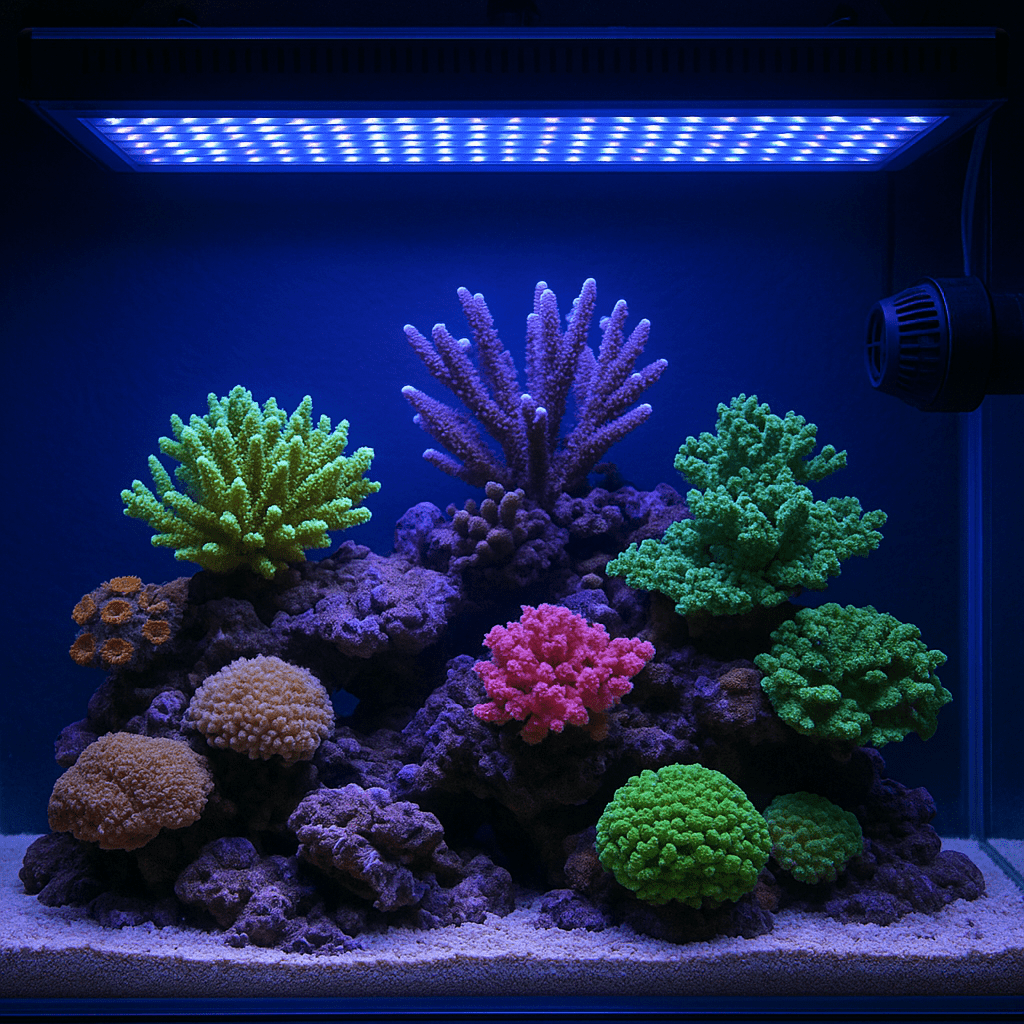
The Cuban Hogfish has no special lighting requirement. It adapts to standard reef lighting used for corals. Moderate to strong reef lighting is fine as long as the fish has shaded areas. In brightly lit tanks, overhangs and caves help it feel secure. This matters during the first few weeks. New arrivals often dart into shelter after sudden movement.
If the tank is fish-only, moderate lighting is enough. In mixed reefs, choose lighting based on coral needs, not the fish. The hogfish will adapt. Avoid abrupt lighting changes when acclimating a new specimen. A reduced schedule on day one can lower stress. This is especially helpful after shipping.
Water Flow
Moderate to strong water movement works well. In nature, this species lives in active reef environments. It handles brisk flow without issue. The key is variation. Create areas of stronger current and calmer pockets. This gives the fish options. It also supports oxygen levels and overall reef health.
Do not blast every inch of the tank with direct flow. Constant harsh current can make feeding harder. It can also push timid tankmates into hiding. Aim for broad, random movement instead. Good circulation keeps detritus suspended and helps your filtration remove waste.
Feeding
Cuban Hogfish are carnivores. They usually accept prepared foods quickly. Offer a varied diet with frozen mysis shrimp, chopped krill, enriched brine shrimp, clam, squid, and quality marine pellets. Feed once or twice daily. Smaller portions work better than one heavy feeding. Variety improves color, body condition, and immune health.
This species naturally hunts crustaceans and small benthic prey. That means it may pick at ornamental shrimp, tiny crabs, feather dusters, and other delicate invertebrates. A well-fed fish is often less destructive, but instinct still matters. Do not assume feeding heavily makes it fully reef safe. It only reduces risk in some tanks.
Use a vitamin soak once or twice each week. This helps fish recover from shipping stress. It also supports long-term health. If your fish refuses food, start with frozen meaty items and feed in low-traffic periods. For more nutrition tips, see our reef fish feeding guide.
Compatibility
Cuban Hogfish are best described as reef safe with caution. They usually ignore corals. That is the good news. The risk comes from mobile invertebrates. Small shrimp are the main concern. Sexy shrimp, anemone shrimp, and tiny cleaner shrimp may be eaten. Small hermits and decorative crabs are also at risk. Larger cleaner shrimp sometimes survive, but there is no guarantee.
With fish, they do well with tangs, larger clownfish, dwarf angels, rabbitfish, and many peaceful to moderately assertive wrasses. Avoid very timid fish in cramped tanks. Avoid tiny ornamental gobies if the hogfish is much larger. Introduce the Cuban Hogfish after shy species settle in. This often reduces bullying. Keep only one unless the tank is very large and the pair is established. Like many wrasses, they can become territorial toward similar-shaped fish.
Mixed reefs with larger corals and fewer decorative crustaceans are the safest choice. If shrimp are a must-have, choose another fish. Our reef fish compatibility chart and clean up crew guide can help with planning.
Step-by-Step Acclimation Guide
Step 1: Quarantine the fish if possible. Observe for parasites and bacterial issues. Hogfish can arrive with shipping stress.
Step 2: Match temperature first. Float the bag for about 15 to 20 minutes.
Step 3: Use drip acclimation if salinity differs. Keep the process gentle and not overly long.
Step 4: Transfer the fish without bag water. Dim the lights during introduction.
Step 5: Offer shelter immediately. The fish should have caves and shaded rockwork ready.
Step 6: Feed lightly within the first day. Start with frozen mysis or another meaty favorite.
Step 7: Watch tankmate behavior closely. Rearranging a small section of rock can reduce aggression.
Propagation and Breeding
Cuban Hogfish are not commonly bred in home aquariums. There is little practical hobbyist success to reference. Like many marine wrasses, they have a pelagic larval stage. That makes rearing difficult. Specialized foods, larval systems, and precise timing are required. For most aquarists, captive propagation is not realistic at this time.
Sexual differences can also be subtle in trade specimens. Social structure may influence coloration and behavior. Even if a pair forms, spawning and larval survival are separate challenges. For now, hobbyists should focus on selecting healthy specimens and supporting responsible collection practices.
Common Problems
Cuban Hogfish not eating
New fish often refuse food for a day or two. Shipping stress is the usual cause. Offer frozen mysis, clam, or chopped shrimp. Feed when the room is calm. Check for bullying from established fish. Test ammonia and salinity. If breathing is fast, look for gill irritation or parasites.
Hogfish attacking shrimp
This is normal predatory behavior. It is not always a sign of hunger. Small shrimp are natural prey items. If shrimp are important to your display, the long-term fix is choosing a different fish. Rearranging rock rarely changes this instinct for long.
Hogfish chasing other fish
Territorial chasing is common in undersized tanks. It also happens when similar fish compete for space. Increase hiding spots. Add visual breaks with rockwork. Feed consistently. In severe cases, an acclimation box helps reset social dynamics. Sometimes the tank is simply too small.
Loss of color or faded appearance
Color loss usually points to stress. Poor diet is another common cause. Improve food variety and add vitamins. Check nitrate, salinity, and temperature stability. Watch for harassment from tankmates. Fading can also happen during adjustment after import.
Jumping or panic swimming
Sudden movement, aggression, or poor acclimation can trigger this. Use a tight lid. Reduce sudden light changes. Provide more shelter. Check if another fish is dominating the tank. Many losses happen from jumping, not disease.
Frequently Asked Questions
Is Cuban Hogfish reef safe?
It is usually coral safe, but not fully invertebrate safe. Small shrimp and tiny crabs are at risk.
How big does Bodianus pulchellus get?
Most specimens reach about 8 to 10 inches in captivity. Growth depends on diet, space, and overall care.
What is the minimum tank size for a Cuban Hogfish?
A 90-gallon tank is the minimum. A 120-gallon aquarium is a better long-term choice.
Can Cuban Hogfish live with cleaner shrimp?
Sometimes, but it is never guaranteed. Larger shrimp have a better chance than tiny ornamental species.
Are Cuban Hogfish good for beginners?
They can work for beginners with a larger tank and realistic expectations. The main challenge is compatibility with invertebrates.
Final Thoughts
The Cuban Hogfish is an excellent choice for hobbyists who want an active, hardy, and eye-catching reef fish. It adapts well to aquarium life and usually eats eagerly. Its biggest downside is predation on small invertebrates. If your reef centers on shrimp and tiny crustaceans, this fish is a poor match. If you keep a larger mixed reef with sturdy tankmates, it can become a standout display fish. Give it room, stable water, and a varied meaty diet. In the right setup, Bodianus pulchellus is both entertaining and rewarding to keep.
Was this helpful?
Related Posts
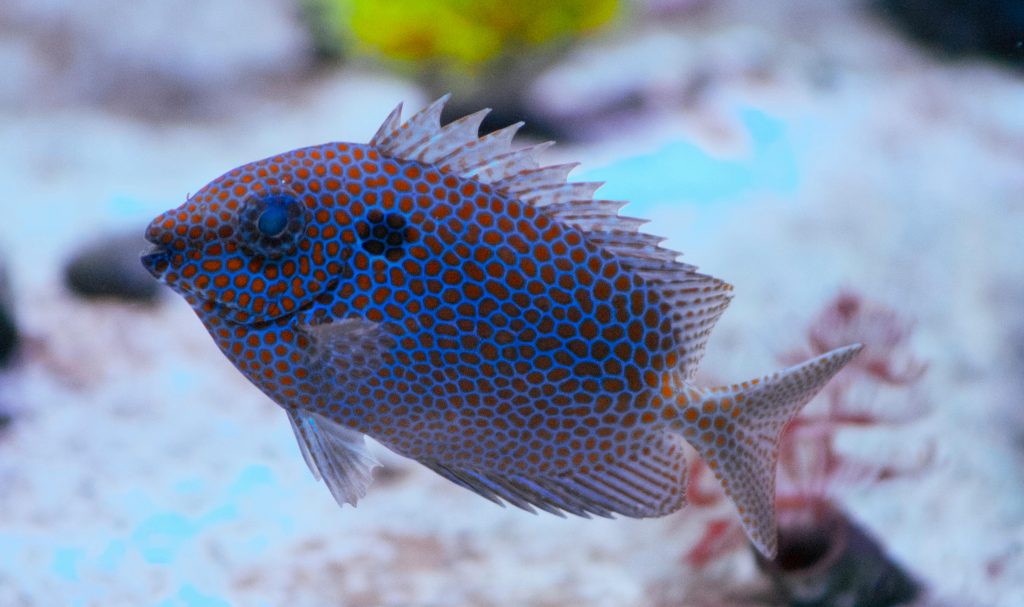
Gold Spotted Rabbitfish (Siganus Punctatus)
Gold Spotted Rabbitfish care includes large tanks, heavy algae feeding, and caution with corals. Learn tank size, diet,…
 By
By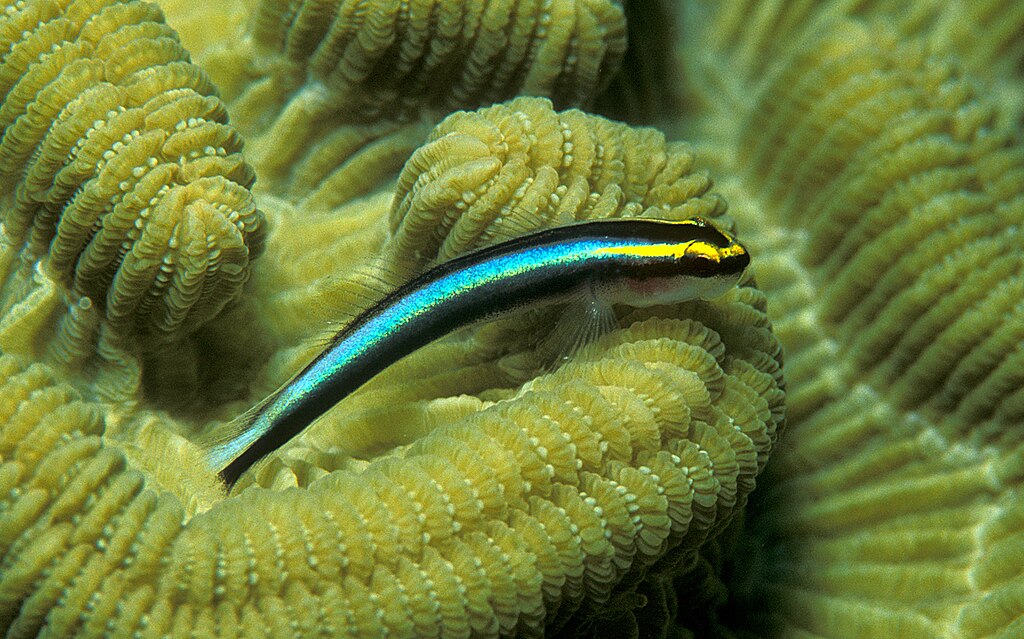
Sharknose Goby (Elacatinus evelynae)
Sharknose Goby care is simple in stable reef tanks. Learn feeding, tank setup, compatibility, and common problems for…
[favorite_button]
My Bookmarks:
To see full list click here
[user_favorites user_id="" include_links="true" site_id="" post_types="" include_thumbnails="true" thumbnail_size="thumbnail" include_excerpt="false"]