SPS coral color improves when light, nutrients, flow, and stability work together. Rich color does not come from one magic additive. It comes from balanced reef chemistry, strong husbandry, and patience. If your Acropora, Montipora, or Stylophora look pale, brown, or dull, this guide will help you fix the real cause.
Many reef keepers chase brighter SPS color by changing too many things at once. That usually makes the problem worse. Small polyp stony corals react to tiny shifts in alkalinity, nutrients, and light intensity. They also respond to trace element availability, feeding, and overall tank maturity. In this article, you will learn how to improve SPS coral color with practical steps. We will cover lighting, nutrient control, water chemistry, flow, feeding, and common mistakes. The goal is simple. Help your corals show stronger blues, greens, pinks, purples, and reds without sacrificing growth or health.
Quick Reference Table
| Factor | Target Range | Why It Matters |
|---|---|---|
| PAR | 200–450 for most SPS | Drives photosynthesis and pigment response |
| Alkalinity | 7.5–9.0 dKH | Supports growth and reduces stress |
| Nitrate | 2–15 ppm | Prevents starvation and pale tissue |
| Phosphate | 0.03–0.10 ppm | Supports metabolism and color balance |
| Temperature | 77–79°F | Keeps metabolism stable |
| Salinity | 1.025–1.026 SG | Maintains osmotic balance |
| Flow | High, random, turbulent | Removes waste and delivers oxygen |
Use these numbers as a starting point. Your tank does not need to hit a perfect number every hour. It does need to stay stable.
What Controls SPS Coral Color?
SPS coral color comes from several sources. The first is zooxanthellae density. These symbiotic algae live inside coral tissue. When they increase, corals often look browner. The second is coral pigments. These include fluorescent and non-fluorescent proteins. Strong pigments create the vivid colors hobbyists want.
Color shifts happen when the coral adapts to stress or changing conditions. Too much light can bleach tissue. Too little light can reduce pigment expression. Nutrients that are too low can starve the coral. Nutrients that are too high can increase browning. Unstable alkalinity often causes faded tips, burnt tips, or poor polyp extension.
This is why color is a health signal. Bright color usually reflects stable conditions. It also reflects a coral that is adapted to its placement. Focus on the whole system. Do not chase one bottle or one test result.
Lighting Requirements for Better SPS Color
Lighting is one of the biggest color drivers. SPS corals need moderate to high PAR. Most thrive between 200 and 450 PAR. Some deepwater species prefer less. Many Acropora color best in the 250 to 400 range. Placement matters as much as fixture strength.
Spectrum matters too. Blue-heavy reef lighting often improves visible fluorescence. It can make colors pop to your eye. Still, appearance is not the same as coral health. A balanced spectrum with strong blue output usually works best. Avoid sudden intensity jumps. Increase PAR slowly over two to three weeks.
If an SPS coral turns pale at the top, light may be too intense. If it turns brown and stretches, light may be too weak. Use a PAR meter when possible. It removes guesswork. Also keep lenses, covers, and diffusers clean. Dirty equipment cuts light more than many hobbyists realize.
For more help with reef lighting basics, see reef tank lighting guide.
Nutrients: The Most Common Missing Piece
Many pale SPS corals are not suffering from too much nutrient. They are suffering from too little. Ultra-low nutrient systems can look clean, but corals may lose richness. Pastel color can look attractive at first. Then growth slows. Tissue thins. Polyp extension declines.
A good target for many mixed SPS tanks is nitrate between 2 and 15 ppm. Phosphate often works well between 0.03 and 0.10 ppm. These are not rigid rules. They are practical ranges. Corals need available nitrogen and phosphorus for healthy metabolism. When both bottom out, color often fades.
If nitrate is zero, feed more. Reduce oversized filtration. Dose nitrate only if needed. If phosphate is unreadable, feed more frozen food or reduce aggressive media use. Make changes slowly. Sudden nutrient spikes can cause algae and stress. Sudden drops are just as dangerous.
Learn more about nutrient balance in reef tank nitrate and phosphate.
Water Chemistry and Stability
Stable chemistry improves SPS color more than chasing high numbers. Alkalinity is the most important parameter to keep steady. Daily swings can dull color fast. They can also damage growing tips. Aim for 7.5 to 9.0 dKH. Pick a value that matches your nutrient level and salt mix. Then keep it there.
Calcium should usually stay between 400 and 450 ppm. Magnesium should stay around 1250 to 1400 ppm. Salinity should remain near 1.025 to 1.026. Temperature should stay tight, ideally 77 to 79°F. Big swings stress SPS and reduce pigment expression.
Testing matters, but consistency matters more. Dose with a reliable method. Two-part, kalkwasser, or a calcium reactor can all work. The best system is the one you can keep stable. If your colors fade after a growth spurt, increased demand may have outpaced dosing. Test more often during rapid growth phases.
For a refresher, read reef tank alkalinity guide.
Water Flow and Gas Exchange
SPS corals need strong, varied flow. Random turbulent flow keeps tissue clean. It also brings oxygen, trace elements, and food to the coral surface. Poor flow allows detritus to settle. It can also create dead spots where tissue slowly recedes.
Aim for broad, changing flow patterns. Avoid a constant narrow blast on one colony. That can strip tissue or prevent proper polyp extension. Gyres, alternating pumps, and pulse modes often work well. Watch the coral. Polyps should move, but not fold over hard all day.
Good flow also supports pH by improving gas exchange. Better pH often supports stronger calcification. That can improve overall coral health and color over time. If your tank has low pH and dull SPS, poor aeration may be part of the problem.
Feeding for Richer Color
SPS corals get much of their energy from light. They still benefit from feeding. Fish waste, dissolved organics, amino acids, and planktonic foods all play a role. Tanks with healthy fish populations often show better SPS color. That is not an accident. Corals benefit from a living nutrient cycle.
Feed fish well with varied foods. Include frozen blends, mysis, pellets, and algae-based options where appropriate. This supports coral indirectly. You can also feed coral foods in small amounts. Fine particulate foods work better than large chunks. Turn off the skimmer briefly if needed, but avoid heavy overdosing.
Amino acid supplements can help in low nutrient systems. They are not a cure-all. If alkalinity swings or phosphate is zero, amino acids will not solve the root issue. Use them as a supplement, not a shortcut. Start with half doses and watch nutrient trends.
Step-by-Step Plan to Improve SPS Coral Color
- Test alkalinity daily for one week. Confirm it stays stable.
- Test nitrate and phosphate with reliable kits or meters.
- Measure PAR at the coral’s actual placement.
- Inspect flow around each colony. Remove dead spots.
- Feed fish more consistently if nutrients are too low.
- Reduce sudden changes. Adjust only one major factor at a time.
- Log results weekly with photos under the same lighting.
- Wait two to four weeks before judging color changes.
This process works because it removes guesswork. It also prevents the common habit of changing five variables in one weekend. SPS color improves slowly. Tissue health comes first. Strong pigment usually follows.
Trace Elements and Additives
Trace elements can influence color, but they are often overhyped. Iron, potassium, iodine, and manganese may affect certain pigments and growth patterns. Still, most tanks get enough trace elements through water changes and regular feeding. Problems start when hobbyists dose blindly.
If you want to explore trace dosing, do it carefully. Use ICP testing if possible. Dose one product at a time. Watch for both positive and negative changes. Too much can irritate corals or fuel nuisance algae. Potassium is a common example. Low potassium may dull pinks and purples in some systems. Excess potassium can create other issues.
Think of trace elements as fine tuning. They are not the foundation. Light, nutrients, flow, and alkalinity must already be right.
Common Problems
Why are my SPS corals turning brown?
Brown SPS usually indicate increased zooxanthellae density. This often happens under weak light or elevated nutrients. Check PAR first. Then check nitrate and phosphate. Browning can also happen after shipping stress. The coral may recover once it adapts. Improve conditions gradually. Do not shock it with extreme light.
Why are my SPS corals pale or washed out?
Pale SPS often point to low nutrients, excessive light, or unstable alkalinity. If nitrate and phosphate are near zero, feed more and reduce nutrient stripping. If PAR is very high, lower intensity or move the coral down. Review recent alk swings. Even short instability can fade tissue and reduce color.
Why do I have good growth but poor color?
Fast growth with bland color often means the coral is healthy but not optimized. Spectrum, nutrients, and trace availability may need adjustment. Many tanks grow SPS well under white-heavy light, but show less fluorescence. In other tanks, nutrients run too low for rich pigment. Stable growth is a good sign. Fine tuning can improve color next.
Why did my SPS lose color after changing lights?
New fixtures often change both PAR and spectrum. Even if the tank looks similar, the coral sees a different environment. Acclimate slowly. Use reduced intensity or a shortened photoperiod. Then ramp up over several weeks. Sudden changes often cause paling, browning, or temporary retraction.
Compatibility and Tank Maturity
SPS color also depends on the tank around them. Stable, mature reefs often produce the best results. Young tanks can grow SPS, but they usually swing more. Bacterial populations are less stable. Nutrient processing is less predictable. This makes color harder to maintain.
Fish choice matters too. Active fish add nutrients and life to the system. Coral nippers create stress and reduce polyp extension. Aggressive neighboring corals can sting SPS and cause dull patches. Leave room between colonies. Plan for growth. Good aquascaping improves flow and reduces chemical warfare.
If you are planning a dedicated stony coral system, see best fish for reef tank.
Frequently Asked Questions
How long does it take to improve SPS coral color?
Small improvements may appear in two to four weeks. Major changes often take longer. Some corals need several months to fully color up.
Do amino acids improve SPS color?
They can help in some low nutrient systems. They work best as a supplement. They do not replace stable alkalinity, proper light, and balanced nutrients.
What PAR is best for Acropora color?
Many Acropora color well between 250 and 400 PAR. Some prefer less or more. Species, flow, and nutrient levels all affect the final result.
Can high nutrients still produce colorful SPS?
Yes, within reason. Some tanks maintain great color with moderate nutrients. Stability and balance matter more than chasing ultra-low numbers.
Should I dose trace elements for better SPS color?
Only after the basics are stable. Trace dosing can help fine tune color, but blind dosing often causes more problems than benefits.
Final Thoughts
If you want to improve SPS coral color, start with stability. Then confirm light, nutrients, and flow are in the right range. Feed the tank well. Avoid sudden corrections. Watch each coral closely. The best colors usually appear in reefs that change slowly and stay consistent. Healthy SPS do not need constant rescue. They need a stable environment where they can adapt and thrive.
Was this helpful?
Related Posts
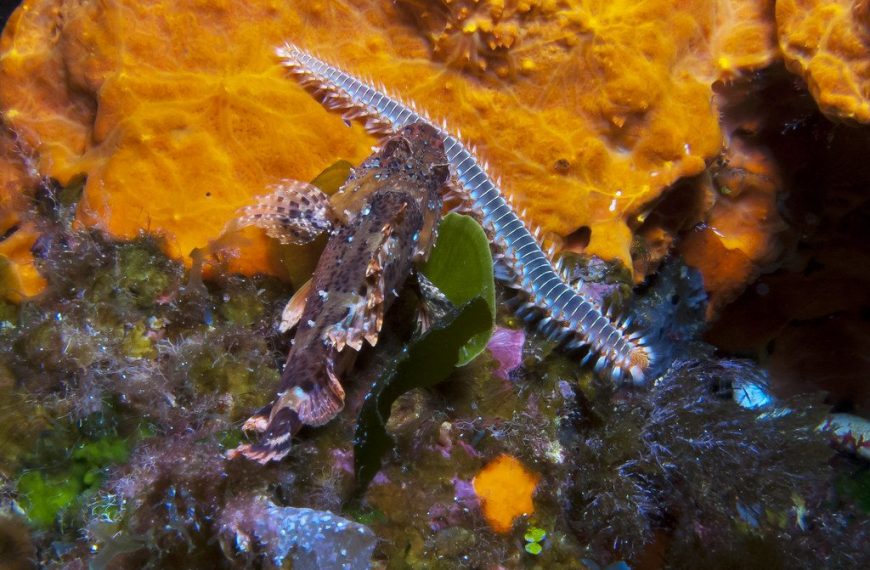
Bristleworms
Bristleworms are usually helpful reef tank scavengers. Learn how to identify them, control numbers, and spot the rare…
 By
By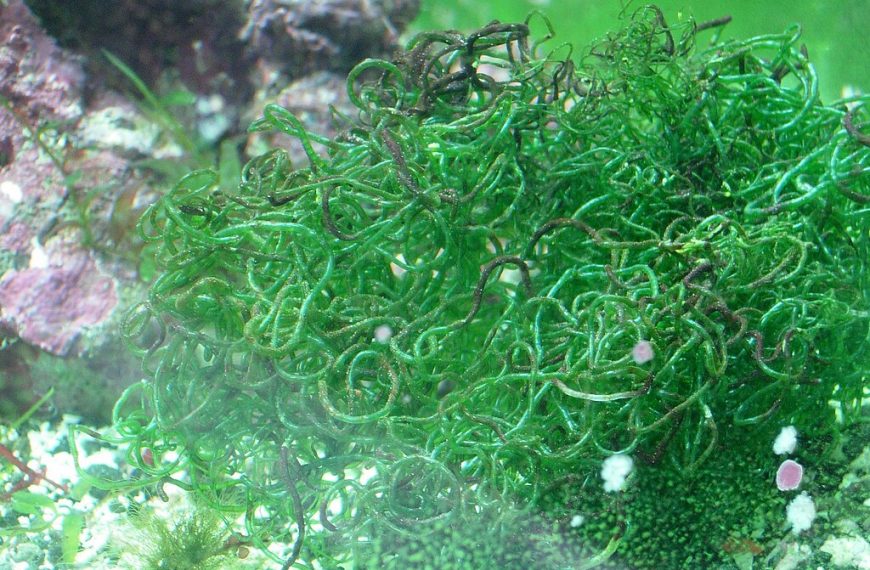
What is a Chaeto Reactor, and How Does it Help Control Nutrients?
A chaeto reactor grows macroalgae in a sealed chamber to remove nitrate and phosphate, helping reef tanks control…