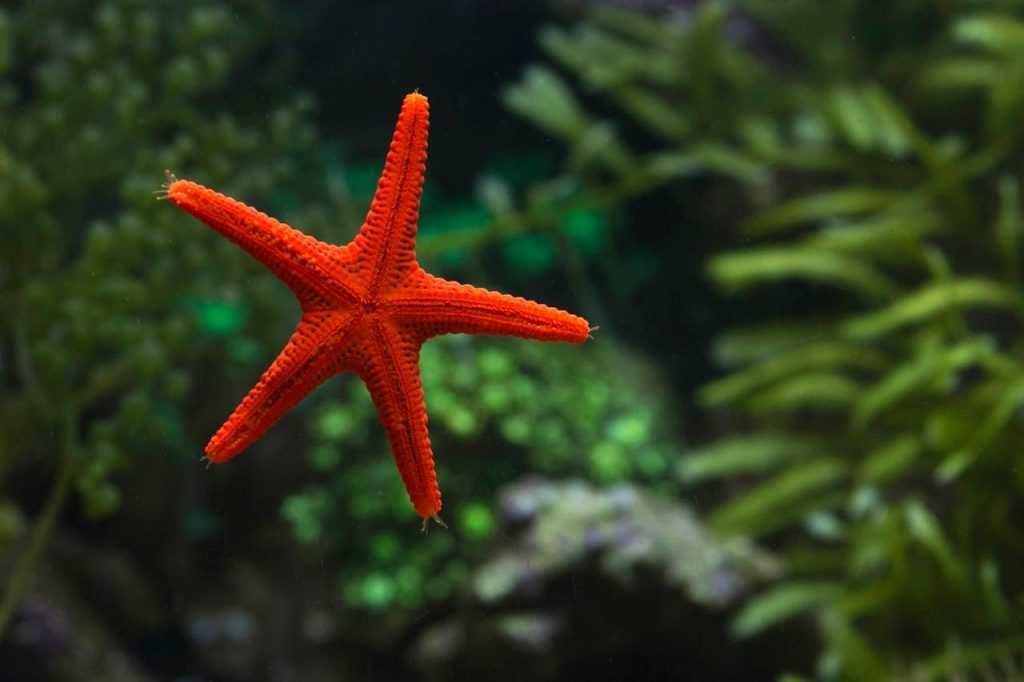
Quarantining reef invertebrates protects your display from pests, parasites, and hitchhikers. A simple invert quarantine tank helps you inspect new arrivals, keep them stable, and reduce the risk of introducing flatworms, nudibranchs, nuisance algae, or fish parasites carried in water or on hard surfaces.
Many reef keepers quarantine fish but skip invertebrates. That gap causes problems. Snails, crabs, shrimp, clams, and macroalgae can carry unwanted guests. They may also arrive stressed from shipping. A proper invertebrates quarantine process gives you time to observe behavior, confirm health, and avoid contaminating your main reef. In this guide, you will learn how to set up an invert quarantine tank, how long to quarantine different animals, what to watch for, and how to transfer them safely into your display.
Quick Reference Table
| Category | Recommendation |
|---|---|
| Tank size | 5 to 20 gallons for most invertebrates |
| Temperature | 76 to 78°F |
| Salinity | 1.025 to 1.026 specific gravity |
| Ammonia | 0 ppm at all times |
| Nitrite | 0 ppm |
| Nitrate | Under 10 to 15 ppm preferred |
| Quarantine length | 2 to 6 weeks depending on species and risk |
| Filtration | Sponge filter or seeded biomedia |
| Lighting | Low to moderate for most inverts |
| Medications | Avoid copper and most fish medications |
| Observation focus | Pests, damage, feeding response, molting, movement |
Why Invertebrates Need Quarantine
Invertebrates can introduce more than visible pests. They can carry eggs, algae spores, worms, and contaminated water. Even a single snail bag can move pathogens into a healthy reef. This matters most if you run a fish quarantine protocol and want to keep your display disease free.
Quarantine also protects the invertebrates themselves. Shipping stress is common. Shrimp often arrive weak. Snails may be upside down and exhausted. Crabs may hide for days. A quiet quarantine tank lets them recover without fish harassment. You can monitor eating, movement, and molting. You can also correct salinity shock slowly.
Another benefit is better inspection. In a small bare tank, pests are easier to spot. You can see vermetid snails, predatory hitchhikers, and nuisance algae early. That is much harder in a mature reef packed with rock and coral. Quarantine is simple insurance. It saves money, time, and frustration later.
Which Invertebrates Should Be Quarantined
Almost every non-coral invertebrate benefits from quarantine. This includes snails, hermit crabs, cleaner shrimp, peppermint shrimp, pistol shrimp, emerald crabs, porcelain crabs, sea stars, urchins, feather dusters, clams, and macroalgae attached to plugs or rubble. Live rock with invertebrates should also be isolated.
Some animals are more sensitive than others. Sea stars and urchins react badly to fast salinity changes. Shrimp are sensitive to copper residue. Clams need stable alkalinity, calcium, and light. Snails are hardy, but they often bring hitchhikers. Macroalgae can carry bryopsis, bubble algae, aiptasia, or flatworms.
If you buy invertebrates from a trusted source, quarantine still helps. It confirms health after shipping. It also keeps your display safer. The only real exception is when a dedicated invert system already serves as the source tank and has strict biosecurity. Most hobbyists do not have that setup. Quarantine remains the safer path.
Natural Considerations Before Quarantine
Invertebrates come from very stable marine environments. Reef salinity shifts slowly in nature. Temperature swings are also limited on healthy reefs. Many inverts lack the tolerance that fish show during transport. That is why acclimation and quarantine stability matter so much.
Cleaner shrimp and ornamental crabs often live among rock crevices and coral branches. They need hiding spaces. Snails and urchins graze hard surfaces all day. They need biofilm, algae, or supplemental foods. Clams rely on both light and dissolved nutrients. Feather dusters need suspended food and calm placement. Matching these natural habits reduces stress in quarantine.
Think of quarantine as a temporary habitat. It does not need to look beautiful. It does need to feel secure and stable. Bare bottoms work well. Small pieces of inert PVC help shrimp and crabs hide. A few clean shells can help hermits. A simple setup can still meet natural needs when planned well.
Invertebrate Quarantine Tank Setup
A basic invert quarantine tank is easy to build. A 5 to 10 gallon tank works for snails, shrimp, and small crabs. A 15 to 20 gallon tank gives more room for mixed groups, urchins, and clams. Keep the tank bare bottom for easy cleaning and easy inspection.
Use a small heater, thermometer, and gentle filtration. A sponge filter is ideal. Seed it in your sump before use, or keep extra biomedia ready. Never use media exposed to copper. Add a lid if you quarantine shrimp or crabs that climb. Place a few PVC elbows or couplings for shelter. Use a simple light if needed for visibility or clam care.
Do not add live rock from your display if your goal is strict quarantine. Rock can hide pests. It also makes observation harder. Instead, use inert materials. Match salinity and temperature to your display. Stability matters more than complexity. Test ammonia often, especially during the first week. Small tanks foul quickly.
Lighting Requirements
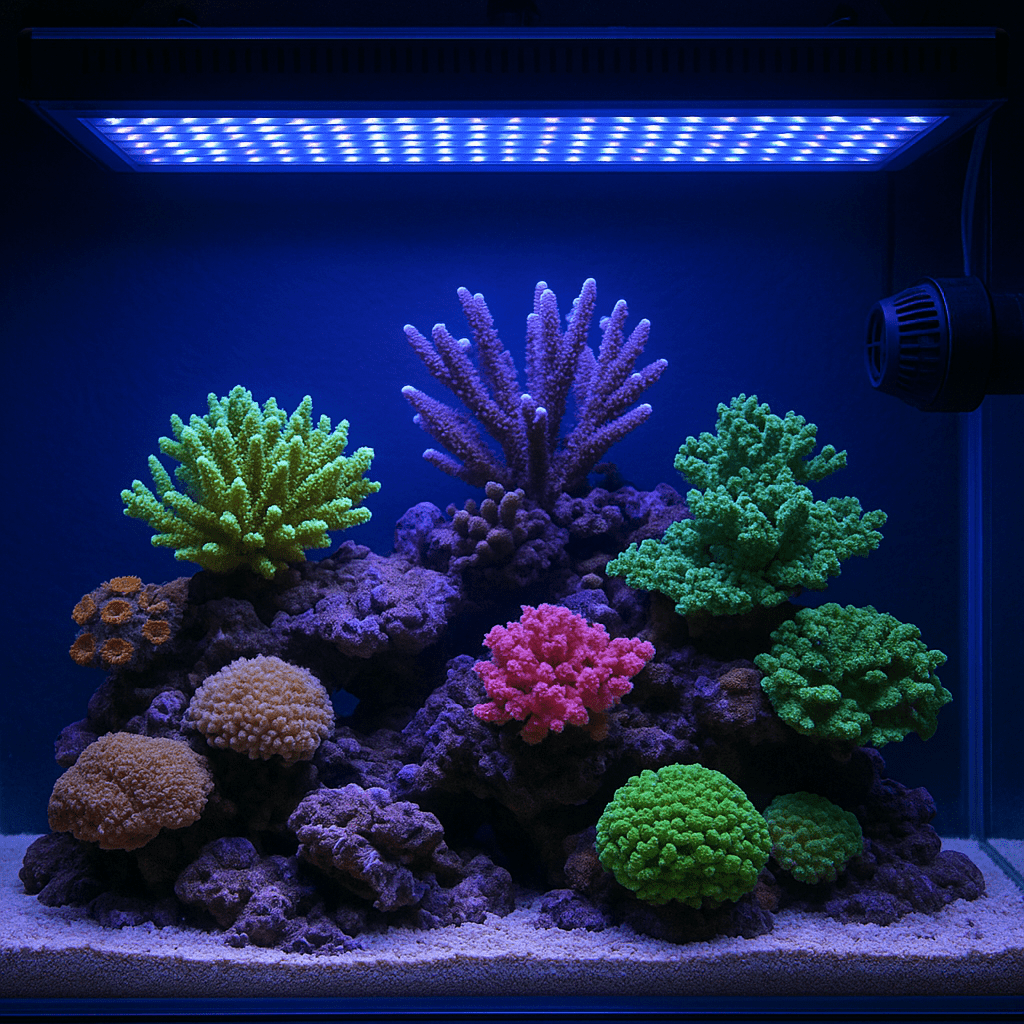
Most invertebrates need only low to moderate light during quarantine. Snails, crabs, and shrimp do not require reef-level lighting. They mainly need stable water and shelter. A basic aquarium light or room light is enough for observation. Too much light can stress animals and fuel nuisance algae.
There are exceptions. Clams need stronger lighting. Some macroalgae also need moderate light to stay healthy. If you quarantine those animals, use a reef-capable light and keep the photoperiod consistent. Start lower if the animal arrived stressed. Then increase slowly over several days.
Avoid sudden changes. Invertebrates do not adapt well to harsh swings. If your display runs intense LEDs, do not blast a newly shipped clam on day one. Give it time. Quarantine is about recovery first. Strong light can wait until the animal is stable and responding normally.
Water Flow
Gentle to moderate flow works for most invert quarantine systems. Strong enough flow keeps oxygen high and waste suspended. It also prevents dead spots. A sponge filter plus a small powerhead is often enough. Point flow away from delicate animals.
Shrimp and crabs handle moderate flow well if they have hiding spots. Snails and hermits also do fine. Feather dusters prefer calmer placement. Clams like steady but indirect flow. Urchins and sea stars need stable oxygen levels but not blasting current. Watch behavior and adjust.
If animals stay retracted, tumble, or struggle to feed, flow may be too strong. If film builds quickly and oxygen seems low, flow may be too weak. The goal is calm stability. You want enough movement for gas exchange and filtration, without creating constant stress.
Step-by-Step Invertebrates Quarantine Process
First, prepare the quarantine tank before the shipment arrives. Heat and mix saltwater to match your display. Confirm salinity with a calibrated refractometer. Make sure ammonia control is ready. Keep extra saltwater mixed for water changes.
Second, inspect each bag before opening. Look for cloudy water, foul smell, detached tissue, or dead animals. Remove obvious dead specimens quickly. Third, acclimate slowly. Drip acclimation works well for shrimp, sea stars, urchins, and clams. Keep the process controlled. Long acclimation in dirty shipping water can also be harmful, so use judgment.
Fourth, transfer animals without adding store water when possible. Use gloved hands or a clean specimen container. Fifth, observe closely for the first 24 hours. Check movement, attachment, breathing, and response to food. Sixth, feed lightly and test ammonia daily at first. Seventh, continue observation for the full quarantine period. Only move animals after they appear stable and pest free.
Feeding During Quarantine
Feeding depends on the species. Cleaner shrimp and many crabs accept frozen mysis, pellets, and small meaty foods. Snails need algae, biofilm, or dried seaweed depending on species. Urchins often eat nori, macroalgae, and encrusted surfaces. Feather dusters need fine suspended foods.
Do not overfeed a small quarantine tank. Extra food causes ammonia spikes fast. Feed small portions. Watch for a response. Remove leftovers after a few hours if needed. Clams usually do best with stable light and clean water rather than heavy feeding. Tiny clams may benefit from suitable planktonic foods, but water quality still comes first.
Use feeding as a health check. A shrimp that rushes food is often recovering well. A snail that never moves may be dying or badly stressed. A crab that stays hidden for a day may be normal. A week without interest is less normal. Record what each animal eats. Those notes help you decide when quarantine is complete.
Compatibility in Quarantine
Keep quarantine simple. Avoid mixing many species if you can. Some crabs may attack snails. Large hermits may kill smaller snails for shells. Shrimp may stress freshly molted tankmates. Sea stars and urchins need room and stable conditions. Crowding increases risk.
Do not quarantine invertebrates with fish if your goal is disease prevention. Fish may carry parasites that use time without fish to die out. Adding fish resets that clock. Fish also create stress and extra waste. A dedicated invert quarantine tank is best.
If you must mix species, choose peaceful combinations. Small snails, cleaner shrimp, and non-aggressive hermits often work. Provide extra shells for hermits. Add multiple hiding places. Observe at night with a flashlight. Many compatibility issues appear after lights out.
How Long to Quarantine Invertebrates
The ideal quarantine length depends on your goal. For basic health observation, two to four weeks is useful. For stronger pest control and disease prevention, many hobbyists choose 45 to 76 days when avoiding fish parasite transfer through water or wet surfaces. This is the cautious approach.
Shorter periods can still help. They catch shipping losses, obvious pests, and feeding issues. They do not reduce all disease risks. If your display is fallow or carefully protected, use the longer timeline. If your main concern is nuisance hitchhikers, a shorter observation period may be enough.
Species tolerance matters too. Delicate invertebrates may do better with a calm, well-managed shorter quarantine than a long unstable one. Stability beats duration if the setup is poor. Keep the system clean. Test often. Then choose a timeline that matches your reef goals and husbandry skills.
Common Problems
Ammonia Spikes
This is the most common quarantine problem. Small tanks foul fast. Uncycled filters make it worse. Test daily at first. Use seeded biomedia if possible. Feed lightly. Perform water changes quickly when ammonia appears. An ammonia badge helps, but liquid tests are still useful.
Invertebrates Not Moving
New inverts often stay still after shipping. That can be normal for several hours. Check for odor, tissue damage, and response to touch. Snails may need to be placed upright. Shrimp may hide before a molt. If there is no improvement after a day or two, test water and inspect for salinity shock.
Molting Issues in Shrimp
Bad molts often trace back to unstable salinity, poor iodine assumptions, or low mineral balance. Do not dose blindly. Focus on stable salinity, alkalinity, calcium, and magnesium. Keep stress low. Provide hiding places. Many shrimp molt successfully with good basic reef chemistry alone.
Pests or Hitchhikers Appear
Quarantine did its job if you spot pests here instead of the display. Remove visible hitchhikers manually. Scrape eggs from shells or plugs when possible. Isolate suspicious items. Do not rush transfer. Extend quarantine if needed. Observation time is one of your best tools.
Salinity Shock
Many stores keep lower salinity. Some shipments arrive very different from your display. Fast transfer can kill sensitive invertebrates. Measure bag salinity when possible. Acclimate carefully. Sea stars, urchins, and shrimp deserve extra patience. Stability after transfer matters just as much.
Transferring Invertebrates to the Display
When quarantine ends, inspect each animal one last time. Check shells, bases, and attached rubble for pests or algae. Match temperature and salinity closely between systems. Use a clean container for transfer. Avoid pouring quarantine water into the display.
Place animals in suitable spots right away. Snails should land upright on stable surfaces. Shrimp need rockwork or overhangs. Clams need appropriate light and stable placement. Urchins should be set gently on rock, not dropped. Dim lights if the animal was stressed or if the display is much brighter.
Watch the first few days closely. New tankmates may investigate them. Some invertebrates disappear into the rockwork fast. That is often normal. Continue normal feeding and parameter stability. A careful transfer protects all the work you did during quarantine.
Frequently Asked Questions
Do snails really need quarantine?
Yes. Snails can carry hitchhikers, algae, eggs, and contaminated water. They are common pest vectors.
Can I use copper in an invert quarantine tank?
No. Copper is toxic to most invertebrates. Never use copper equipment or media for invert systems.
How long should I quarantine cleaner shrimp?
Two to four weeks works for health observation. Longer periods are better for strict disease prevention goals.
Can invertebrates carry marine ich?
They do not become infected like fish, but wet surfaces and water can move parasite stages between tanks.
Should I dip invertebrates before quarantine?
Only if the species tolerates it and the dip is proven safe. Many invertebrates are sensitive. Observation is often safer.
For more reef husbandry help, read our guides on reef tank parameters, quarantine tank setup, clean up crew guide, and reef pest identification.
Was this helpful?
Related Posts
Asfur Angelfish (Pomacanthus Asfur)
Asfur Angelfish are stunning but demanding marine fish that need a large tank, varied diet, and careful tankmate…
 By
By
Condy Anemones
Condy anemones can thrive with stable water, safe flow, and moderate light. Learn placement, feeding, and troubleshooting for…